Finn Oakley has spent over five years as a nature and science writer at Discvr.Blog, drawing on his experience at National Geographic Channel. Based in Melbourne, he’s passionate about uncovering the world’s mysteries, dreams of returning to Peru, and enjoys Aussie Bites in his downtime.
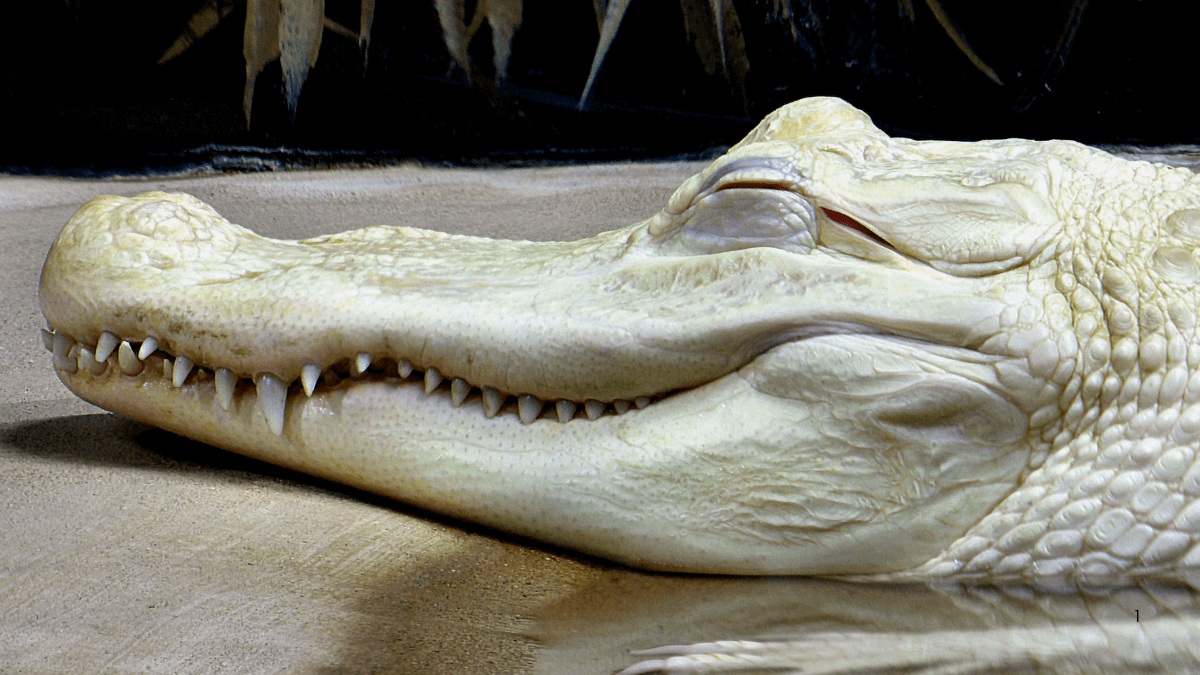
Ghostly pale, pink-eyed, and almost mythical in appearance, albino alligators are among the rarest reptiles on Earth. Unlike their dark, swamp-blending cousins, these ivory-colored anomalies seem plucked from fantasy, sparking both scientific curiosity and public awe.
But their unusual beauty comes at a cost: extreme sensitivity to sunlight, lack of camouflage, and challenges that make their survival in the wild nearly impossible.
Albinism in American alligators results from an autosomal recessive mutation that prevents melanin production. Two carrier parents must pass on the gene, and the condition occurs in roughly one in 75,000 alligators.
These animals exhibit ivory-white skin and pink eyes because the blood vessels beneath their transparent skin and irises are visible. Leucistic alligators, by contrast, produce some melanin; they retain patches of darker pigment and have blue eyes.
Survival in the wild vs. captivity
Estimates of the global albino alligator population vary, but most experts agree there are fewer than 200 individuals, with some sources suggesting only 100–200 worldwide. Their extreme rarity makes them conservation symbols and crowd-drawers at zoos and aquariums.
In the wild, albino alligators face enormous challenges. Without camouflage, they are easily spotted by predators and prey. Their lack of melanin leaves them vulnerable to sunburn and eye damage. Consequently, very few survive to adulthood.
Most known albino alligators live in carefully controlled environments like Gatorland in Florida or the California Academy of Sciences. Filtered sunlight, shaded enclosures, and attentive caretakers dramatically reduce the risks they face in captivity.
Their basic diet is the same as that of their pigmented counterparts: fish, turtles, birds, and small mammals. Researchers have observed American alligators occasionally eating wild grapes, elderberries, citrus fruits, and other berries.
This behavior, which isn’t unique to albinos, may provide nutritional supplements and aid in seed dispersal.
Because so few exist, albino alligators have become ambassadors for wetlands conservation. Famous individuals include Claude at San Francisco’s California Academy of Sciences, hatched in 1995 and weighing around 170 lb.
Facilities like Gatorland’s White Gator Swamp house both albino and leucistic alligators. These venues help educate visitors about genetics, species protection, and the challenges faced by reptiles in a changing environment.
Beyond their ghostly appearance, albino alligators remind us how rare beauty and fragility often go hand in hand. Their survival depends on a balance of human stewardship and continued awareness of the ecosystems they represent.
Every July, more than 50,000 tennis balls are thwacked, sliced, and spun across the pristine grass courts of Wimbledon. But once the final trophy is lifted, a quiet second act begins, one that has nothing to do with tennis and everything to do with conservation.
Enter the harvest mouse, Britain’s smallest rodent. Weighing less than a sheet of paper and barely longer than your thumb, this nimble creature once wove tiny spherical nests from blades of grass, hidden in the hedgerows and reed beds of the countryside. But as farmland expanded and habitats shrank, its numbers declined. Today, the harvest mouse is listed as a priority species under the UK’s biodiversity plan.
So what does a tennis tournament have to do with it?
From Centre Court to countryside
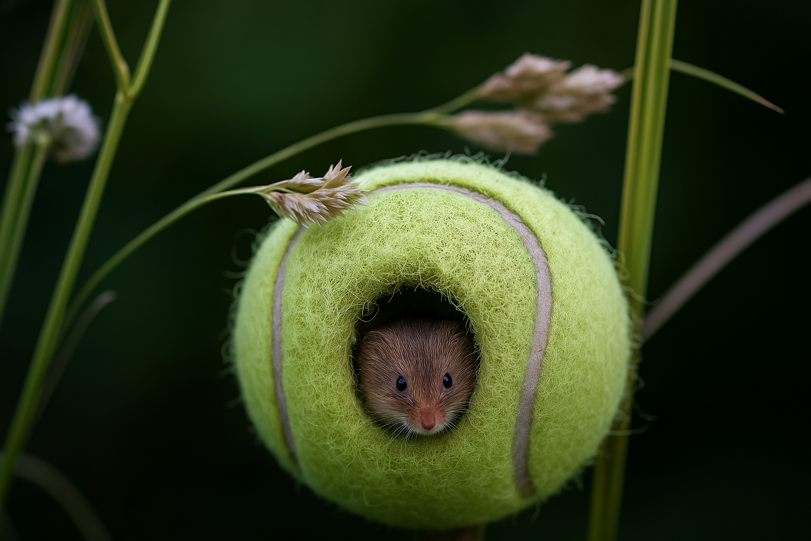
In 2001, Wimbledon donated 36,000 used tennis balls to The Wildlife Trusts, who had an idea: cut small holes in the balls and mount them on wooden poles about three feet high. The result? Instant, weatherproof shelters that mimicked the harvest mouse’s natural nest: round, elevated, and hidden from predators.
It worked. Mice moved in. Some even raised litters inside.
The story resurfaced in 2011 when Lakes Aquarium in Cumbria revived the idea for its own harvest mice exhibit. A staff member wrote to Wimbledon, asking for used balls. The tournament obliged, and soon the mice were zipping through their new homes, sometimes curling up inside, sometimes treating them like personal zorbs.
Though Wimbledon no longer donates balls for this specific purpose, the idea has taken root across the UK. Local tennis clubs now donate used balls to conservation groups, which continue to cut, mount, and place them in fields and hedgerows. Wildlife Trusts in Avon, Glamorgan, and Northumberland have all joined in. One post-flood effort in Leicestershire even used hundreds of tennis balls to rehouse displaced mice after their nests were washed away.
Not every ball gets used. Some mice are picky. But for those that do move in, the benefits are clear: warmth, safety, and a fighting chance at survival.
And yes, they fit comfortably. Harvest mice are tiny, often weighing less than a nickel and about the size of a ping pong ball themselves. A single tennis ball can shelter an adult mouse or even a mother and her litter, with space to spare. Conservationists typically mount the balls securely to prevent bouncing or shifting, and they monitor the shelters to ensure they don’t deteriorate or become hazards.
The initiative isn’t a silver bullet. Harvest mice still face threats from pesticides, mechanized farming, and habitat loss. But the repurposed tennis ball, a symbol of elite sport, has become an unlikely refuge for a species clinging to the tall grass margins of Britain.
And that’s the point. Conservation doesn’t always require grand gestures. Sometimes, it’s just a matter of seeing a fuzzy yellow sphere not as sports waste, but as a home in waiting.
Lurking in the roiling rivers of Central Africa is a predator so feared, it has earned a reputation as the continent’s most formidable freshwater killer. The Goliath tigerfish (Hydrocynus goliath) is not merely big; it is biologically engineered for domination. With teeth that rival a great white shark’s and the speed of a missile, it reigns supreme in the Congo Basin as the apex predator of fast-moving, oxygen-rich waters.
This isn’t just a fish. It’s a legend with fangs.
The Weaponry of a River King
Capable of growing over five feet long and weighing more than 100 pounds, the Goliath tigerfish is built for carnage. Its most terrifying feature is a mouthful of 32 dagger-like teeth, each nearly an inch long, that interlock like a bear trap. These aren’t just for show—they can pierce bone and shear through flesh with brutal efficiency.
Its streamlined body allows it to accelerate rapidly through rapids, while its large, sensitive eyes give it superior vision in turbid water. Internally, a swim bladder connects to a specialized inner ear, allowing the fish to detect low-frequency vibrations from nearby prey. Combined with exceptional jaw strength, these adaptations make the Goliath tigerfish one of the few fish on the planet with a bite that poses a genuine danger to humans.
Unlike passive ambush predators, tigerfish are torpedoes of aggression. They lie in wait behind rocks or in eddies, watching the current for signs of struggling prey. When a target comes into range, the tigerfish launches forward with explosive speed, guided by both sight and vibration.
The initial strike is often enough to stun or kill. Prey is then swallowed whole or torn into pieces. Its diet is varied and brutal: fish make up the bulk of its meals, but it has also been observed taking birds in flight, small mammals near the water’s edge, and even juvenile crocodiles.
In one astonishing documented case, a tigerfish was seen leaping from the water to snatch a barn swallow mid-air—a vivid reminder that few animals are safe from this predator’s reach. The fish’s reputation among locals is no exaggeration; many believe tigerfish attack people, and while verified cases are rare, its power and unpredictability are enough to inspire fear.
In Africa’s freshwater ecosystems, the Goliath tigerfish stands nearly alone at the top. The Nile perch may outweigh it, but it lacks the tigerfish’s speed, teeth, and agility. The African sharptooth catfish is a bottom-dwelling opportunist, nowhere near as specialized.
Only adult crocodiles pose a real threat to the tigerfish—and even then, stories circulate of tigerfish fighting back, leaving scars or gouges before retreating. Wherever it swims, the Goliath tigerfish commands its environment. It doesn’t just hunt. It controls. It outcompetes other predators for food, disrupts schools of smaller fish, and redefines the pecking order of any waterway it inhabits.
Power, Presence, and Myth
As a keystone predator, the Goliath tigerfish plays a crucial role in maintaining ecological balance. By preying on prolific fish species like cichlids and catfish, it prevents population booms that could otherwise devastate algae and invertebrate communities. It also limits the rise of smaller predatory species, helping preserve aquatic diversity.
Its presence influences not just population size but behavior. Prey species adapt by schooling tightly or avoiding fast-moving channels altogether. The tigerfish’s dominance is a force that actively shapes its ecosystem.
In the Congo, the Goliath tigerfish is known as “M’benga”—the dangerous one, believed in some traditions to be possessed by spirits. Its strength and otherworldly appearance have long earned it a place in local lore. Its legend gained global recognition through the show River Monsters, when angler Jeremy Wade struggled to land a specimen powerful enough to bite through heavy steel leaders.
Among local communities, the fish inspires awe. Some view it as a rite of passage to catch one. Others refuse to eat it, fearing spiritual consequences. For modern sport fishers, it remains one of the most coveted and fearsome freshwater catches in the world.
The Goliath tigerfish isn’t just Africa’s most dangerous freshwater fish—it’s a living embodiment of raw, unchallenged power. Crocodiles may rule the riverbanks, but in the turbulent heart of the Congo, it’s the tigerfish that reigns.
The sky will put on a rare double feature this July, as two separate meteor showers reach their peak on the same night. On the evening of July 29 into the early morning hours of July 30, the Southern Delta Aquariids and Alpha Capricornids will streak across the atmosphere, offering a chance to witness up to 25 meteors per hour under dark skies.
These two showers are typically modest on their own. The Delta Aquariids are known for faint, fast-moving meteors, while the Alpha Capricornids are slower, sometimes producing vivid fireballs. But in 2025, both hit their peak within hours of each other. Crucially, they’ll do so under nearly moonless skies.
A waning crescent moon will set early, leaving the late-night hours dark and primed for stargazing. The best viewing window begins around midnight and extends to dawn, especially for those in rural areas with little to no light pollution. You don’t need any equipment. Just find a spot with a clear southern view, lie back, and give your eyes 30 minutes to adjust.
Meteor rates will vary depending on location. Southern Hemisphere viewers and those in low-latitude regions will likely see the most activity, with the Delta Aquariid radiant higher overhead. Northern Hemisphere observers can still catch the show, especially the brighter Alpha Capricornid fireballs that tend to stand out even through light haze.
Why this overlap matters
Though both showers occur annually, their peaks don’t always sync up this neatly. In 2025, the dual climax is especially well timed. The combined streams mean more frequent meteors, and the moon’s absence will help even the faintest ones shine. For casual skywatchers, that means less time waiting between streaks and a better chance of catching a bright flare.
Each meteor originates from a different comet. The Delta Aquariids come from debris left behind by Comet 96P/Machholz, with particles believed to be more than 20,000 years old. The Alpha Capricornids are linked to Comet 169P/NEAT, a relatively small body that fragmented thousands of years ago and is predicted to cause meteor storms in future centuries.
The contrast is part of the charm. Fast, bluish Aquariids zip across the sky in a blink. Slow, golden Capricornids sometimes dawdle, leaving trails that glow and hang. It’s a mix of the subtle and the spectacular.
If you’re lucky, you may even spot an early Perseid. Though the famous August shower won’t peak until midmonth, a few stray Perseids tend to show up in late July. That makes this night one of the most dynamic for meteor activity all year.
To photograph the event, use a tripod, wide-angle lens, and long exposures of 15 to 25 seconds. Aim toward the southern sky, include some foreground if possible, and shoot continuously. Just be sure to look up in between.
Mark your calendar for the night of July 29 into the morning of July 30. If the skies are clear, you’ll get a front-row seat to a cosmic collaboration thousands of years in the making. And it’s free. Just show up, look up, and let the sky do the rest.
Most people don’t expect octopuses to fall for one of psychology’s oldest illusions. But new research shows that these famously clever invertebrates are just as susceptible to the “rubber hand illusion” as humans are.
In people, the illusion happens when a fake hand is stroked in sync with a person’s hidden real hand, tricking the brain into accepting the fake limb as its own. Researchers Sumire Kawashima and Yuzuru Ikeda from the University of the Ryukyus adapted this experiment for octopuses.
They placed each animal’s real arm behind a barrier and a silicone replica in plain view. When both arms were stroked at the same time, the octopuses reacted in ways that suggested they had adopted the fake limb as part of their body.
What this tells us about body awareness
The experiment, published in Current Biology, is the first to demonstrate this illusion in a non-vertebrate. Octopuses aren’t just mimicking responses. Their reactions to desynchronized stroking, such as twitching or recoiling, show that their nervous systems integrate visual and tactile information in a way that produces a coherent sense of self.
This is surprising for a creature with such a radically different body plan and neural architecture. Two-thirds of an octopus’s neurons are located in its arms, not its central brain. Despite this decentralized system, the octopuses in the study acted as if they perceived the fake limb as their own when sensory cues aligned.
Researchers observed behaviors like gentle exploration of the fake limb or defensive actions when it was touched, mirroring how humans sometimes flinch when their “adopted” rubber hand is threatened. In some cases, octopuses even moved in ways to protect the fake limb, a sign that they internalized it as part of their body.
Beyond the novelty, these results could reshape how we understand bodily self-awareness in animals. If octopuses experience something like body ownership, it opens up new questions about how consciousness evolves, especially in animals without spines, familiar faces, or vocal cords.
Some scientists think this could help build better underwater robots modeled after cephalopod movement. Others point to its potential for developing therapies for people who have lost limbs or experience phantom limb pain. The study even raises questions about whether other animals might be experiencing similar illusions,and whether this suggests deeper forms of selfhood across the animal kingdom.
“This tells us that body representation is not unique to vertebrates,” Kawashima said. “Even animals with completely different neural architectures can develop a representation of their body.”
The next step? Testing whether cuttlefish or squid, octopus cousins with similarly complex nervous systems, fall for the same trick.
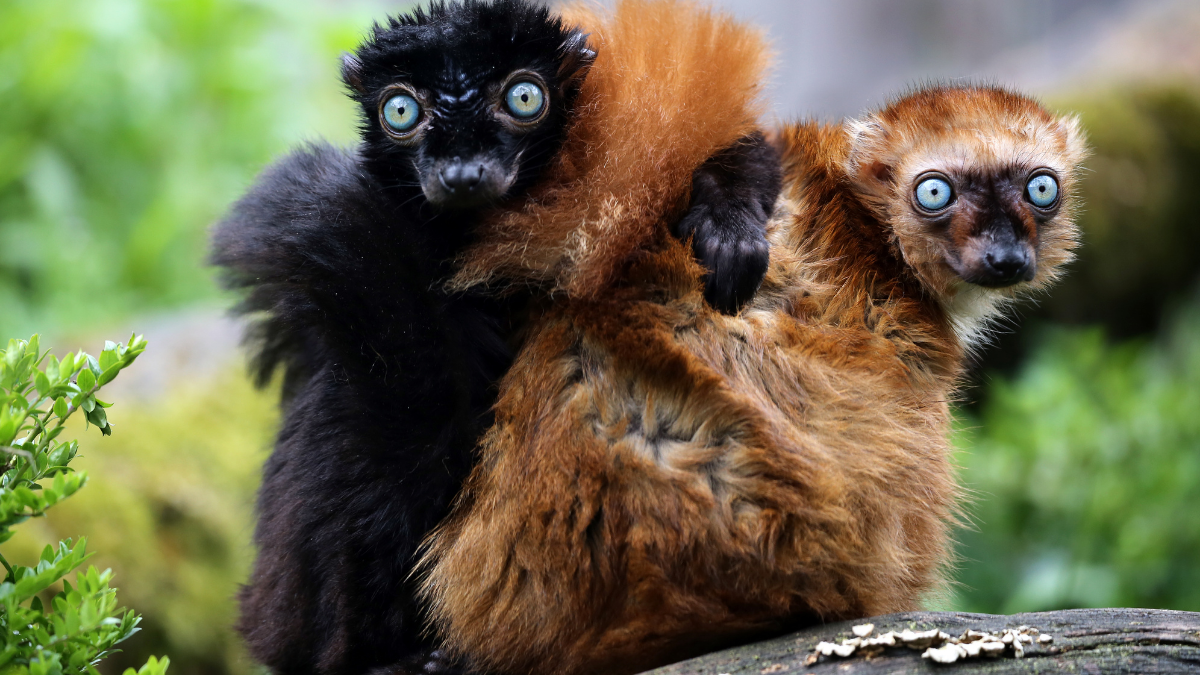
It has electric blue eyes and a face that looks uncannily human. But the blue-eyed black lemur, found only in a sliver of northwestern Madagascar, is inching closer to extinction.
Officially known as Eulemur flavifrons, the species is one of the rarest primates on the planet. It’s also one of the few with naturally blue eyes, a trait it shares with only one other primate: us.
The lemur’s limited range, concentrated in the Sahamalaza Peninsula, makes it acutely vulnerable. Deforestation, illegal logging, and hunting have already caused an estimated 80 percent population decline in just one generation. Some experts believe there may be fewer than 1,000 individuals left in the wild.
Recent fieldwork has revealed that the species lives in smaller, more fragmented habitats than previously understood. But researchers were also surprised to find the lemur in unexpected forest patches, expanding its known range by nearly 30 percent. That discovery came with a silver lining: no evidence of hybridization with its close cousin, the black lemur, which simplifies conservation planning.
Life on the edge
Blue-eyed black lemurs are cathemeral, meaning they’re active both day and night. In intact forests, they mostly forage in the canopy, eating fruit, flowers, and the occasional cicada. But in degraded areas, they’re forced to travel longer distances and spend more time on the ground, putting them at greater risk.
That behavioral shift is taking a toll. Lemurs living in disturbed forest patches have been found to carry significantly higher parasite loads, a signal of physiological stress. Their home ranges can be nearly twice as large as those in healthy habitats, and their access to nutrient-rich trees is more limited.
Socially, they’re matriarchal. Groups of up to ten individuals are led by dominant females, who make key decisions and often initiate confrontations. Males bear the burden of competition, especially during the short breeding season. But both sexes participate in grooming and play, with infants clinging to their mothers for the first few months of life.
Despite its charismatic appearance, Eulemur flavifrons faces steep odds. Conservation groups like AEECL are working with Malagasy communities to build firebreaks, patrol protected areas, and reforest key corridors. In 2024 alone, over 15,000 seedlings were planted near Sahamalaza National Park.
Education is also central. NGOs are funding school programs and supporting teachers in remote villages, fostering pride in local biodiversity. In some cases, community patrols have begun dismantling snares and reporting poachers themselves.
Captive breeding offers a safety net but is no silver bullet. In European zoos, high infant mortality and limited genetic diversity have stunted population growth. A handful of hand-reared lemurs have survived thanks to around-the-clock care, but reintroduction remains a distant goal.
What makes the blue-eyed black lemur remarkable isn’t just its color or rarity. It’s how its story reflects the fragility and resilience of Madagascar’s ecosystems. Saving it means addressing broader challenges: poverty, education, and land use.
In the words of conservationist Christoph Schwitzer, “There’ll be no lemurs left in five years if this goes on.”
Every tree planted, every snare removed, every child who learns to value these creatures is part of the solution. The blue-eyed black lemur’s future is still unwritten. But the time to change the ending is now.
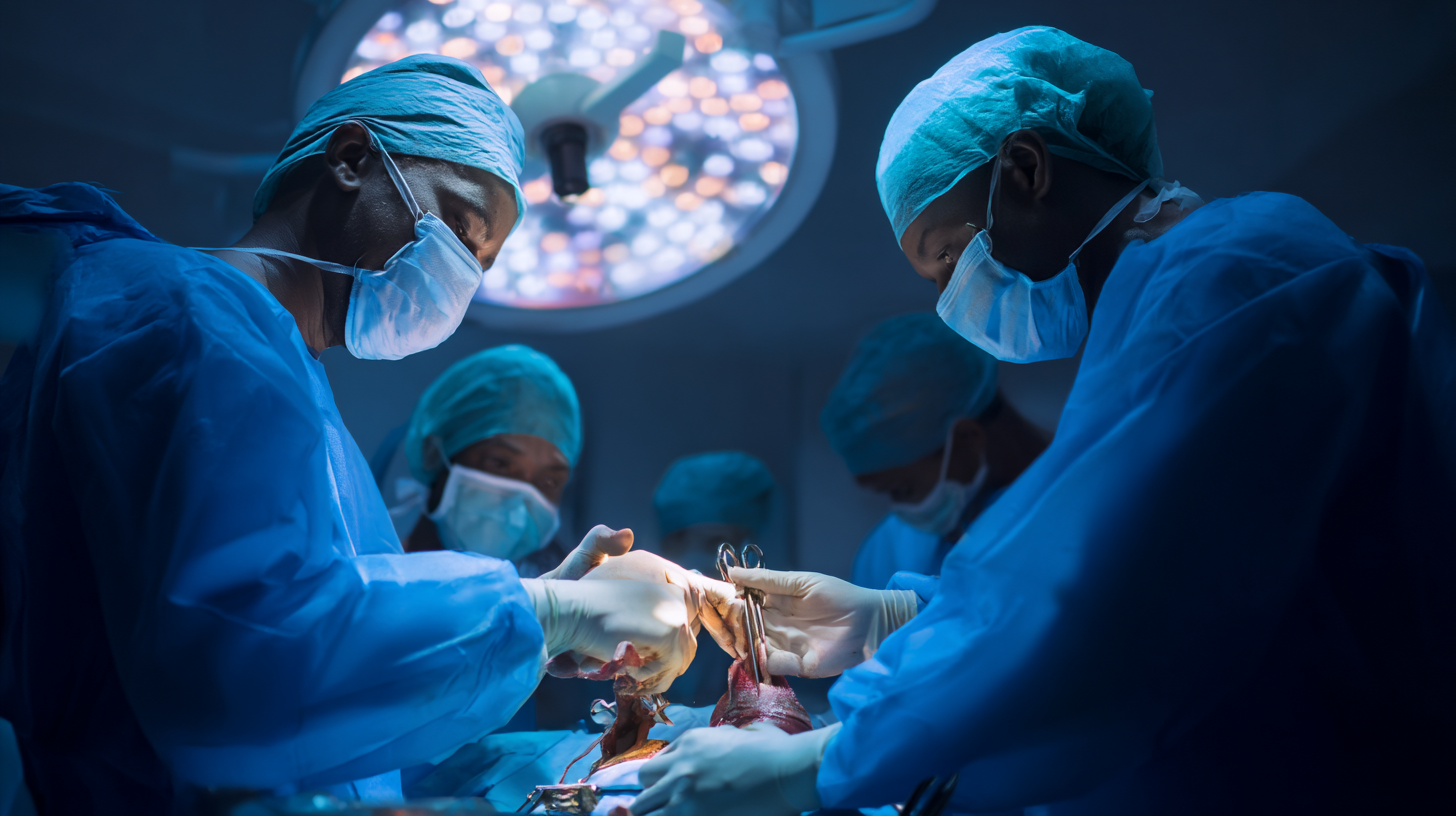
In December 2014, South African surgeons achieved what had never been done before: a successful long-term penis transplant. The marathon 9-hour operation at Tygerberg Hospital in Cape Town reattached a donated penis to a 21-year-old recipient who had lost his own organ to a botched circumcision ritual.
Led by urologist Prof. André van der Merwe of Stellenbosch University, the team painstakingly connected tiny blood vessels, nerves, the urethra, and the spongy erectile tissue using microsurgical techniques. “We used the same type of microscopic surgery to connect small blood vessels and nerves, and the psychological evaluation of patients was also similar [to] the first facial transplant,” van der Merwe explained.
In essence, the procedure was a vascularized composite allotransplant, much like a face or hand transplant, requiring exquisite precision to restore form and function. Surgeons linked three arteries to re-establish blood flow, two dorsal nerves for sensation, the urethra for urination, and the corpus cavernosum to enable erections. Every structure had to be aligned with the utmost delicacy.
This South African patient’s recovery surpassed expectations. Within just weeks, he could urinate normally and even became sexually active.
“We are ticking most of the boxes, this guy can stand and urinate normally, can have sexual intercourse and his penis function has recovered completely,” van der Merwe said. By six months, his girlfriend was pregnant, dramatic proof that full reproductive function had returned. The team had hoped for such results in two years, not mere months.
The procedure followed an earlier failed attempt in China in 2006, where the transplant was removed due to poor integration and psychological distress. The South African team focused on robust blood flow and rigorous counseling. Scar tissue from the previous injury had damaged key blood vessels, so surgeons rerouted an artery from the patient’s abdomen to support the graft.
From stigma and silence to second chances
The transplant was not just a surgical feat, it was a response to a pressing public health issue. In South Africa, particularly among the Xhosa people, young men undergo a traditional rite of passage known as ulwaluko, which includes ritual circumcision.
Many are injured during this practice due to unsterile techniques and lack of medical care. Since 1995, nearly 1,000 initiates have died, and an estimated 2,000 have suffered penile amputations.
The 2014 transplant recipient had developed a life-threatening infection during his initiation, which led to the loss of his penis. According to van der Merwe, as many as 250 amputations occur annually in South Africa.
In these communities, failure to complete the ritual results in social ostracism, and the psychological toll is immense. Van der Merwe noted, “For a young man of 18 or 19, the loss of his penis can be deeply traumatic… There are even reports of suicide among these young men.”
The team at Stellenbosch launched a pilot program aimed at victims of botched circumcisions, offering transplants to restore not just anatomy, but dignity.
While the government has begun regulating initiation schools and promoting safer practices, the damage for some has already been done.
Identity, stigma, and healing
Psychologically, the penis carries immense symbolic weight. Patients with penile loss often suffer severe emotional trauma, loss of self-worth, and isolation.
Dr. Amir Zarrabi, part of the transplant team, said, “These men describe a penis transplant as ‘receiving a new life.’”
Post-surgery, the recipient flourished. He regained confidence, urinary and sexual function, and soon became a father. This was a powerful sign of restored identity.
Ethical screening was rigorous. After a two-year evaluation, the patient was deemed ready. Acceptance of the graft, both physically and mentally, was crucial.
Other cases have followed. A second South African patient received a transplant in 2017, with equally strong outcomes.
In the U.S., veterans injured by IEDs in war have undergone similar procedures, notably a landmark total penis and scrotum transplant at Johns Hopkins in 2018. These cases reinforce that the operation, while rare, can offer profound healing.
Ethical questions: cost, consent, and fairness
Penile transplants raise major ethical concerns. They are life-changing but not life-saving, and their high cost (roughly $14,000 per year for immunosuppressants) strains health systems.
In South Africa, where resources are scarce, critics question whether such a procedure is justifiable when basic care is lacking.
Yet supporters argue that the psychological harm of genital loss can be life-threatening in its own right. Prevention remains the best solution, but for those already injured, denying advanced treatment may worsen inequality.
Consent is another complex issue. Many families hesitate to donate such an intimate organ. In the Cape Town case, surgeons reconstructed a prosthetic for the donor’s body to preserve dignity.
Importantly, recipients must understand the lifelong risks of immunosuppression. In all cases to date, recipients have undergone extensive psychological screening to ensure they can handle the emotional and physical demands of the transplant.
After South Africa: a global frontier emerges
Since 2014, only a handful of penis transplants have been performed worldwide, including in the U.S. and South Africa. Most have been successful, though a few required removal.
The most extensive to date was at Johns Hopkins in 2018, involving a full penis, scrotum (without testicles), and part of the abdominal wall for a wounded veteran.
Each case pushes the boundaries of surgical science and forces society to reconsider the limits of reconstructive medicine. As interest grows, so do ethical debates over prioritization, equity, and donor consent.
Public reaction to the first transplant ranged from admiration to sensationalism. South African media focused on the procedure’s cultural relevance, while global outlets often leaned into the novelty. Surgeons emphasized this was a serious medical milestone, not a cosmetic fix.
As van der Merwe said, “It was a privilege to be part of this… But I wish for a day no man needs such an operation, that we prevent the injury. Until then, we know it can be done.”
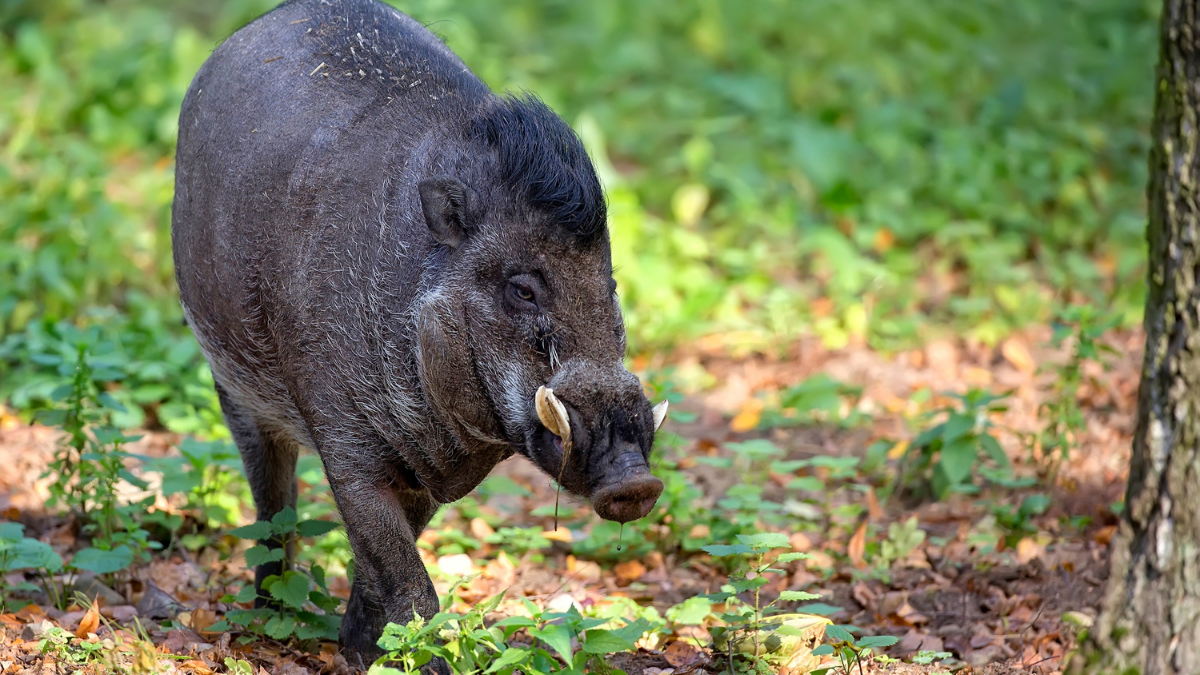
The Visayan warty pig is one of the rarest and most misunderstood animals in the world.
Found only on the Philippine islands of Negros and Panay, this critically endangered wild pig is more than just a curious face with a mohawk. It plays a vital role in forest health, shows signs of surprising intelligence, and could hold the key to restoring an entire island ecosystem.
A member of the genus Sus, the Visayan warty pig (Sus cebifrons) evolved in isolation, adapting to the dense rainforests of the Visayas. Smaller than its Eurasian relatives, it has a bristly dark coat, a distinctive white stripe across the snout, and in males, a punk-rock mane and three pairs of fleshy facial warts.
That mane, which grows long and floppy during mating season, is part display, part defense. Raised upright, it makes males look larger and more intimidating. The warts, meanwhile, protect their faces during fights with rival boars.
More than a wild pig: a forest engineer
Despite their striking looks, these pigs are quiet ecosystem engineers. Their powerful snouts turn over soil as they root for food, helping aerate the forest floor and disperse seeds. They feed on fruits, fungi, tubers, and the occasional worm or grub,recycling nutrients and helping maintain forest diversity.
They also live in small, tight-knit family groups. Sows are known to build ground nests for their piglets, and males sometimes stay with the group, forming bachelor herds when not competing for mates. Piglets are born with striped camouflage and stay with the group for months.
One group even made scientific history. In a French zoo, a Visayan warty pig was observed using a piece of bark as a digging tool, the first documented case of tool use by any pig species. Her piglets watched and learned.
But in the wild, their numbers have crashed. Decades of deforestation, slash-and-burn agriculture, and hunting have reduced them to less than 5% of their historic range. Hybridization with domestic pigs poses a genetic threat, and outbreaks of swine diseases like African Swine Fever loom large.
Conservationists are working to turn things around. Protected areas in Negros and Panay offer safe habitat, while breeding centers in the Philippines and abroad have built up a genetically diverse safety net. Reintroductions into reforested areas have begun, and early results are promising.
For many years, people saw these pigs as pests or prey. But a shift is underway. Education campaigns and local pride efforts are reframing them as a symbol of Visayan biodiversity. Kids are learning to identify them, farmers are reporting sightings instead of retaliating, and rewilded pigs are starting to roam where none had for decades.
And perhaps most importantly, the forest is listening.
Because when a warty pig returns, so do the seeds it scatters. The holes it digs. The balance it restores.
And that makes this muddy, mohawked pig more than just a survivor. It makes it a keystone.
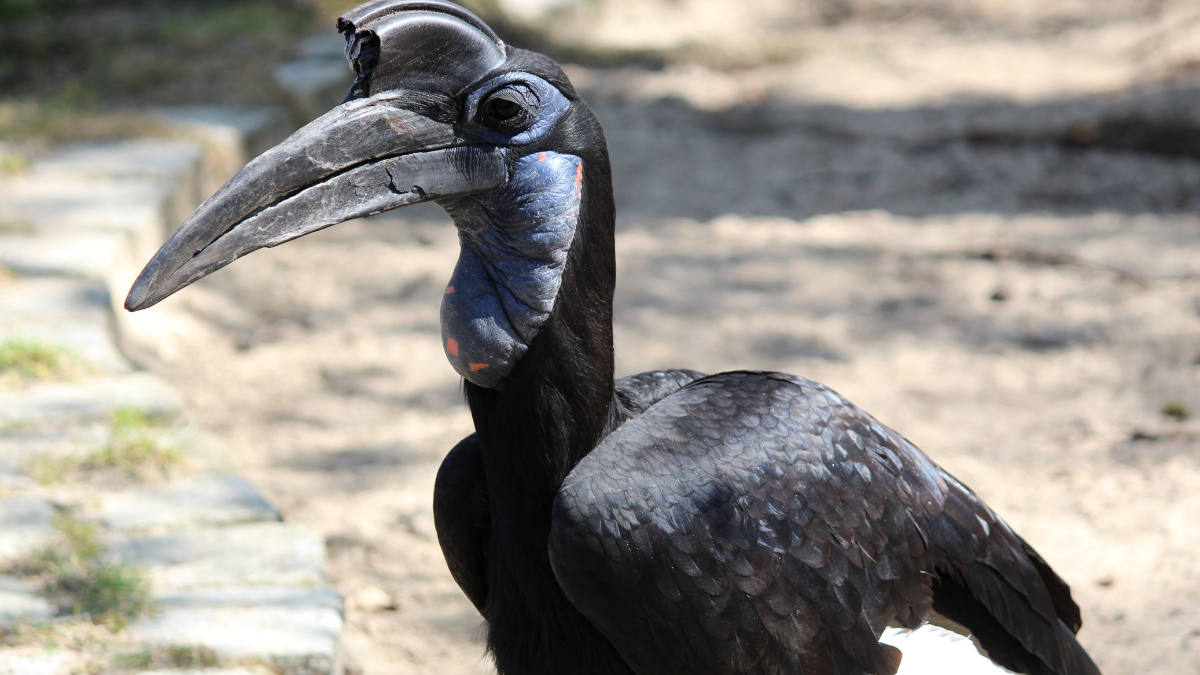
The Abyssinian ground hornbill is a bird built for the ground, not the skies. With eyelashes that look like they belong on a runway model and a booming call that echoes like a drumbeat across the African savanna, this striking species is part performer, part predator, and part ecological barometer.
It’s also in trouble.
One of only two ground-dwelling hornbills on Earth, the Abyssinian ground hornbill (Bucorvus abyssinicus) is native to the open grasslands and sub-desert scrub of north-central Africa. It ranges from Ethiopia and Sudan to Senegal and northern Kenya, striding through the brush on long, muscular legs like a feathered sentinel.
Males are unmistakable: jet-black bodies, vivid blue-and-red inflatable throat sacs, and casque-topped bills that make them look like ancient warriors. Females, while similar in size, lack the red coloration on the throat and are generally less vocal.
This bird is a predator first and foremost. It preys on reptiles, rodents, insects, and even other birds, stalking through the landscape in pairs or small family groups. Unlike most hornbills that nest high in the treetops, the Abyssinian ground hornbill prefers tree cavities closer to the ground, often reusing the same site for years. Its wings are strong, but it flies only when it must. The ground is where it hunts, breeds, and thrives.
A slow, deliberate life tied to the land
Reproduction is slow. The species is monogamous, and pairs typically raise just one chick every few years. That chick then stays with the family for an extended period, often up to three years, helping raise the next sibling like an avian apprentice. In this way, the hornbill resembles a multigenerational household: parents, a fledgling, and a teenage helper all working together.
This prolonged dependency makes the species especially vulnerable to habitat loss. Chicks require old trees for nesting, and those are increasingly scarce. Add in threats like hunting and the illegal pet trade, and the future of this charismatic bird starts to dim.
According to the Mabula Ground Hornbill Project and the IUCN Hornbill Specialist Group, recent conservation efforts have focused on population surveys, nest box installations, and community education in key parts of its range. The hope is that better data and more habitat protections can slow the species’ decline before it slips into more serious danger.
Still, many people have never heard of the Abyssinian ground hornbill, let alone seen one. In a way, it’s become a symbol of a vanishing wild: an odd, oversized bird that lives in slow motion, bound to the land and to the rhythms of a landscape that itself is under threat.
The eyelashes may grab your attention. But it’s the family dynamics, the deliberate pace of life, and the fragile ties to place that make this bird truly unforgettable.