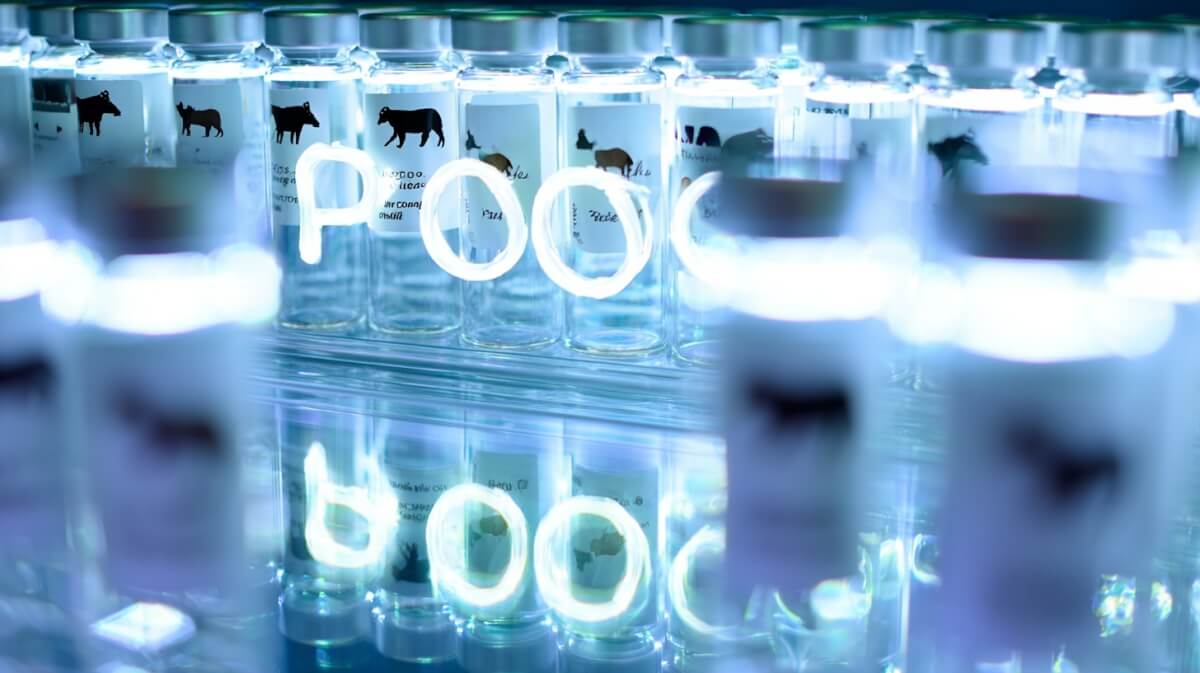
Every animal leaves something behind.
For a long time, we treated that something—dung—as waste, something to bag or step around. But what if it holds the key to keeping endangered species alive?
A team of researchers from Oxford University, Chester Zoo, and the conservation nonprofit Revive & Restore is betting on just that.
Their goal: use animal feces to extract living cells, coax them into becoming eggs or sperm, and one day—babies.
It’s an idea that sounds like science fiction.
Early findings suggest it may be one of the most promising and practical paths toward preserving genetic diversity, especially for species that are too elusive, fragile, or precious to handle directly.
Williams and her team have already recovered viable cells from the droppings of mice and elephants.

That matters because cells shed from the gut—if collected fresh enough—can sometimes still be alive.
These aren’t just fragments of DNA.
They’re whole, intact animal cells that can be reprogrammed into induced pluripotent stem cells (iPSCs).
From there, scientists may eventually guide them to become sperm or eggs in the lab.
“Perhaps more exciting still,” said Williams, “is the possibility of reprogramming the cells so that they have the capacity to become any cell type.”
The implications are vast.
In theory, you could turn a turd into an embryo.
From poop to pluripotent: a new path to genetic rescue
Collecting feces is non-invasive. It doesn’t require tranquilizing animals or waiting for them to die to extract tissue samples.
In zoo settings, keepers can scoop fresh dung and send it to the lab within hours. In the wild, it’s trickier, but not impossible.
With the right tracking and collection tools, it could revolutionize how conservationists bank and study wildlife DNA.
The process begins with filtering feces to isolate host cells from a soup of microbes. It’s not elegant work.
“This is the most bacteria-heavy environment you could possibly collect cells out of,” Williams said. From there, they sterilize, culture, and if all goes well, reprogram the cells into stem cells using gene-editing techniques refined in medical research.
That opens the door to IVF, cloning, even gene repair. And not just for mice.
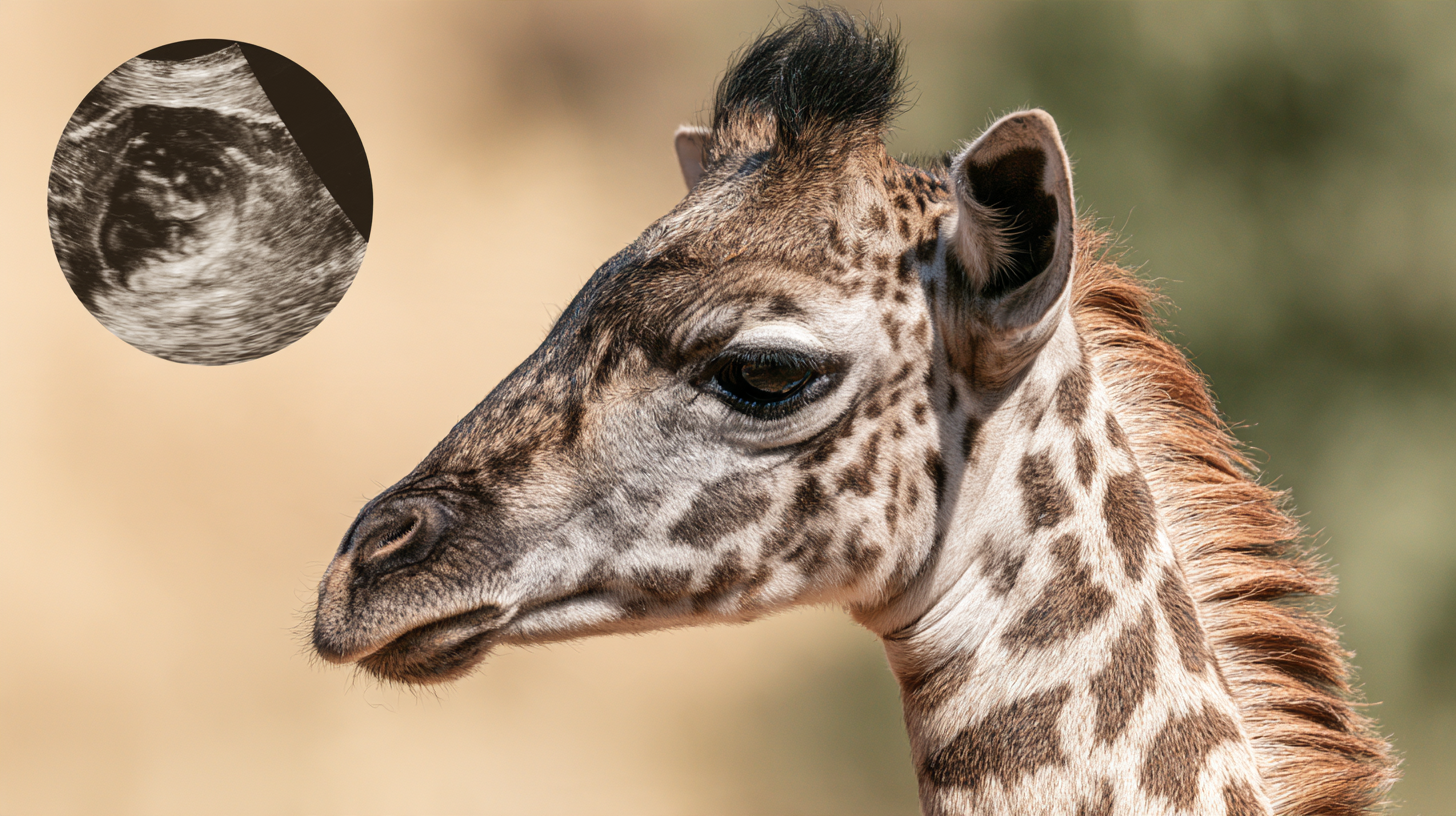
Cells from elephant dung have already survived the process. Lions, giraffes, and other zoo species are next.
The broader vision, according to Dr. Ashlee Hutchinson of Revive & Restore, is to build a kind of non-invasive living cell bank for threatened species around the world.
“We want to create solutions that don’t require animals to be in zoos or to die in order to preserve their genetics.”
That mission becomes even more urgent as climate change, habitat loss, and human pressure drive species closer to the edge.
There are caveats, of course. This is still early science.
Turning poop into stem cells and then into gametes is a multi-step, error-prone journey. Culturing cells from dung is hard.
Growing viable embryos is harder. And getting surrogate animals to carry those embryos to term? Not yet solved for most species.
Some conservationists are cautious. “The best way to protect species is to stop them declining to the point that such approaches… are required,” said Paul De Ornellas of WWF UK.
In other words, don’t let high-tech fixes distract from the basics: protect habitats, stop poaching, enforce environmental law.
“It’s a case of how can we, en masse, collect living cells in as many species as we can to maintain [the genetic] diversity that we’re losing at a terrifying rate,” said Dr. Rhiannon Bolton of Chester Zoo.

Leave a comment