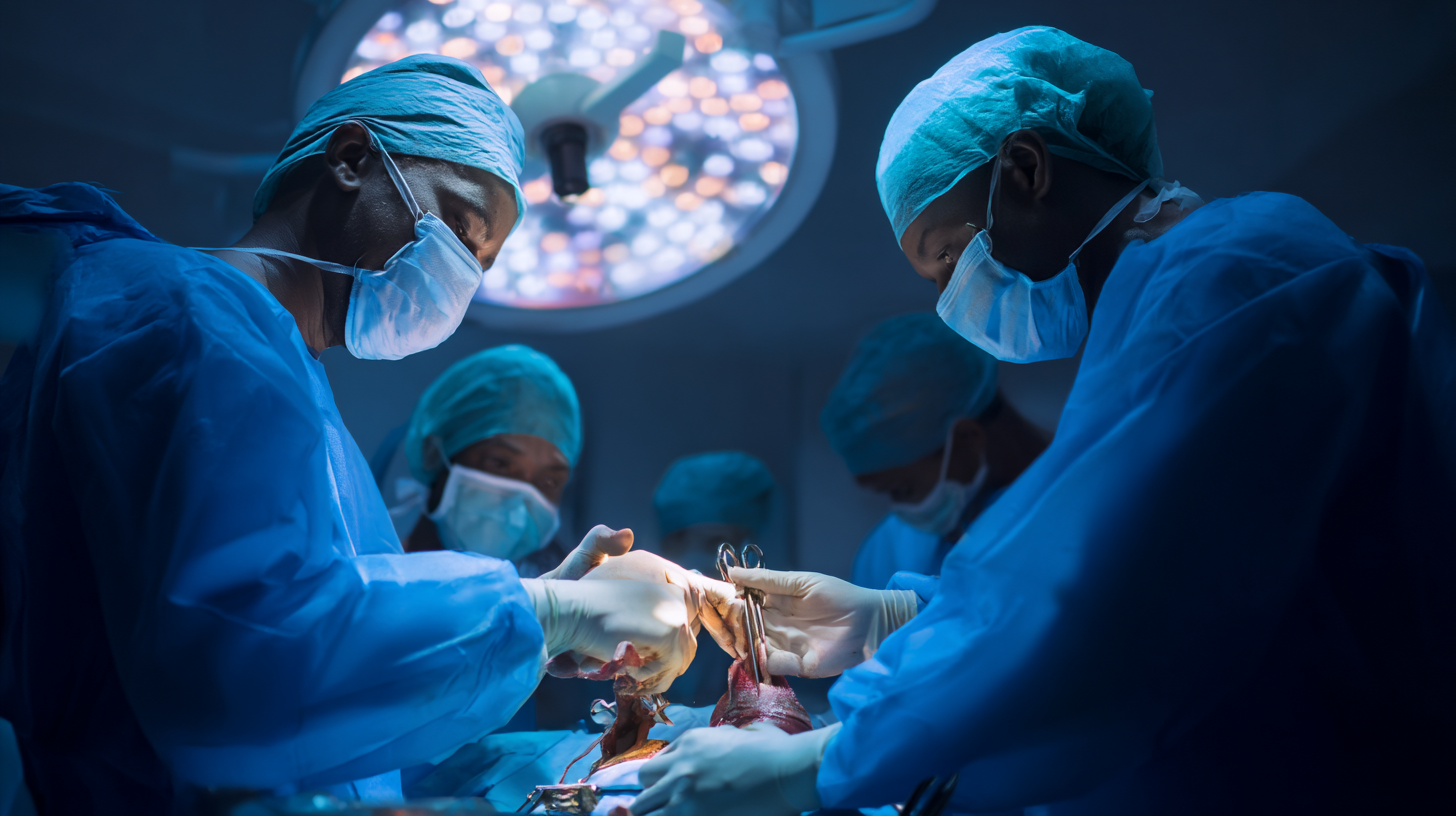
In December 2014, South African surgeons achieved what had never been done before: a successful long-term penis transplant. The marathon 9-hour operation at Tygerberg Hospital in Cape Town reattached a donated penis to a 21-year-old recipient who had lost his own organ to a botched circumcision ritual.
Led by urologist Prof. André van der Merwe of Stellenbosch University, the team painstakingly connected tiny blood vessels, nerves, the urethra, and the spongy erectile tissue using microsurgical techniques. “We used the same type of microscopic surgery to connect small blood vessels and nerves, and the psychological evaluation of patients was also similar [to] the first facial transplant,” van der Merwe explained.
In essence, the procedure was a vascularized composite allotransplant, much like a face or hand transplant, requiring exquisite precision to restore form and function. Surgeons linked three arteries to re-establish blood flow, two dorsal nerves for sensation, the urethra for urination, and the corpus cavernosum to enable erections. Every structure had to be aligned with the utmost delicacy.

This South African patient’s recovery surpassed expectations. Within just weeks, he could urinate normally and even became sexually active.
“We are ticking most of the boxes, this guy can stand and urinate normally, can have sexual intercourse and his penis function has recovered completely,” van der Merwe said. By six months, his girlfriend was pregnant, dramatic proof that full reproductive function had returned. The team had hoped for such results in two years, not mere months.
The procedure followed an earlier failed attempt in China in 2006, where the transplant was removed due to poor integration and psychological distress. The South African team focused on robust blood flow and rigorous counseling. Scar tissue from the previous injury had damaged key blood vessels, so surgeons rerouted an artery from the patient’s abdomen to support the graft.
From stigma and silence to second chances
The transplant was not just a surgical feat, it was a response to a pressing public health issue. In South Africa, particularly among the Xhosa people, young men undergo a traditional rite of passage known as ulwaluko, which includes ritual circumcision.
Many are injured during this practice due to unsterile techniques and lack of medical care. Since 1995, nearly 1,000 initiates have died, and an estimated 2,000 have suffered penile amputations.

The 2014 transplant recipient had developed a life-threatening infection during his initiation, which led to the loss of his penis. According to van der Merwe, as many as 250 amputations occur annually in South Africa.
In these communities, failure to complete the ritual results in social ostracism, and the psychological toll is immense. Van der Merwe noted, “For a young man of 18 or 19, the loss of his penis can be deeply traumatic… There are even reports of suicide among these young men.”
The team at Stellenbosch launched a pilot program aimed at victims of botched circumcisions, offering transplants to restore not just anatomy, but dignity.
While the government has begun regulating initiation schools and promoting safer practices, the damage for some has already been done.
Identity, stigma, and healing
Psychologically, the penis carries immense symbolic weight. Patients with penile loss often suffer severe emotional trauma, loss of self-worth, and isolation.
Dr. Amir Zarrabi, part of the transplant team, said, “These men describe a penis transplant as ‘receiving a new life.’”
Post-surgery, the recipient flourished. He regained confidence, urinary and sexual function, and soon became a father. This was a powerful sign of restored identity.
Ethical screening was rigorous. After a two-year evaluation, the patient was deemed ready. Acceptance of the graft, both physically and mentally, was crucial.
Other cases have followed. A second South African patient received a transplant in 2017, with equally strong outcomes.
In the U.S., veterans injured by IEDs in war have undergone similar procedures, notably a landmark total penis and scrotum transplant at Johns Hopkins in 2018. These cases reinforce that the operation, while rare, can offer profound healing.
Ethical questions: cost, consent, and fairness
Penile transplants raise major ethical concerns. They are life-changing but not life-saving, and their high cost (roughly $14,000 per year for immunosuppressants) strains health systems.
In South Africa, where resources are scarce, critics question whether such a procedure is justifiable when basic care is lacking.
Yet supporters argue that the psychological harm of genital loss can be life-threatening in its own right. Prevention remains the best solution, but for those already injured, denying advanced treatment may worsen inequality.
Consent is another complex issue. Many families hesitate to donate such an intimate organ. In the Cape Town case, surgeons reconstructed a prosthetic for the donor’s body to preserve dignity.
Importantly, recipients must understand the lifelong risks of immunosuppression. In all cases to date, recipients have undergone extensive psychological screening to ensure they can handle the emotional and physical demands of the transplant.
After South Africa: a global frontier emerges
Since 2014, only a handful of penis transplants have been performed worldwide, including in the U.S. and South Africa. Most have been successful, though a few required removal.
The most extensive to date was at Johns Hopkins in 2018, involving a full penis, scrotum (without testicles), and part of the abdominal wall for a wounded veteran.
Each case pushes the boundaries of surgical science and forces society to reconsider the limits of reconstructive medicine. As interest grows, so do ethical debates over prioritization, equity, and donor consent.
Public reaction to the first transplant ranged from admiration to sensationalism. South African media focused on the procedure’s cultural relevance, while global outlets often leaned into the novelty. Surgeons emphasized this was a serious medical milestone, not a cosmetic fix.
As van der Merwe said, “It was a privilege to be part of this… But I wish for a day no man needs such an operation, that we prevent the injury. Until then, we know it can be done.”



Leave a comment