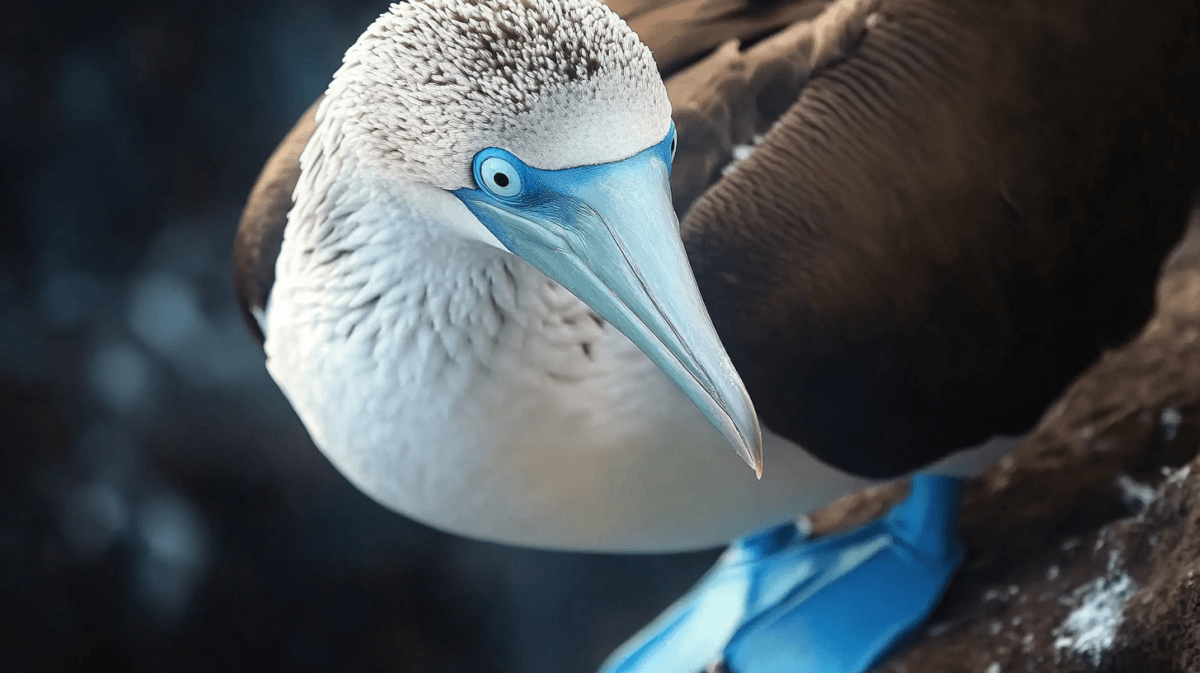
They stand on rocky shores in the eastern Pacific, flaunting bright blue feet that look almost artificial against the muted tones of their brown-and-white plumage. Blue-footed boobies owe this vibrant color to carotenoid pigments, which come from the fish they eat, including sardines and anchovies. Their feet change in brightness depending on how many nutrients they absorb. More vivid coloring signals a healthy bird getting plenty of high-quality food.
An Oceanic Pigment

It all begins with a steady diet of carotenoid-rich prey. These pigments, once digested, flow into various tissues, most notably the feet. That bold shade of blue is rarely static. A bird well-fed in nutrient-rich waters will flash deeper, eye-catching hues. One struggling or competing with fisheries for dwindling stocks may display feet that look dull or faded. Female boobies are particularly attentive to these color shifts when selecting a mate, and it’s no coincidence that males put on such an ostentatious show when they’re courting.
A Courtship of Color
Mating rituals for these seabirds are choreographed around their feet. Males approach females with a high-stepping dance, carefully lifting one blue foot, then the other, as if highlighting a prized possession. This pageantry extends to gathering small stones or sticks, which a male offers to a female as if it’s the key to a grand estate.

Everything about this dance is meant to catch her eye. In response, females may tilt their heads or call out with distinctive vocalizations. If his feet are vibrant and his swagger is convincing, she’s much more likely to accept him as a partner. Both parents then share responsibilities, incubating eggs by resting them on top of their webbed feet and regurgitating fish to feed the young.
Pressures and Preservation
Though their population is listed as Least Concern, some colonies have experienced declines in recent decades. Overfishing can make it harder for them to find nutrient-packed prey, contributing to foot color and overall health.
Plastic pollution also poses risks, especially in the Galápagos, where marine debris can disrupt feeding and nesting areas. On land, increased tourism can bring people dangerously close to nesting sites. The boobies, often described as tame, may not always sense a threat until it’s too late, which is how they got their name. “Booby” is derived from the Spanish word bobo, meaning “foolish,” a nod to their trusting nature and clumsy gait on solid ground.
Conservation groups in the region study these birds to learn how changing ocean temperatures and shifting prey distributions affect breeding success. Their efforts include setting up protected areas to reduce human disturbance, monitoring fish stocks to ensure enough prey for birds and fishers, and cleaning up plastic near rookeries. Public education campaigns also encourage tourists to keep a respectful distance so breeding pairs can tend their nests undisturbed.
Lasting Impressions

Beyond the spectacle of these bright blue feet, there’s a deeper story of how animal coloration can reflect health and shape mating choices. For the blue-footed booby, it’s a vital signal woven into their survival. When you see a male raise his foot in that slow, deliberate step, he’s saying more than “look at me.” He’s offering proof that he’s healthy, can hunt well, and can help nurture the next generation of chicks. That message, carried in the lush pigments of his feet, ensures that these seabirds remain one of the eastern Pacific’s most compelling sights, quietly revealing the intricate ties between diet, courtship, and the well-being of an entire species.



Leave a comment