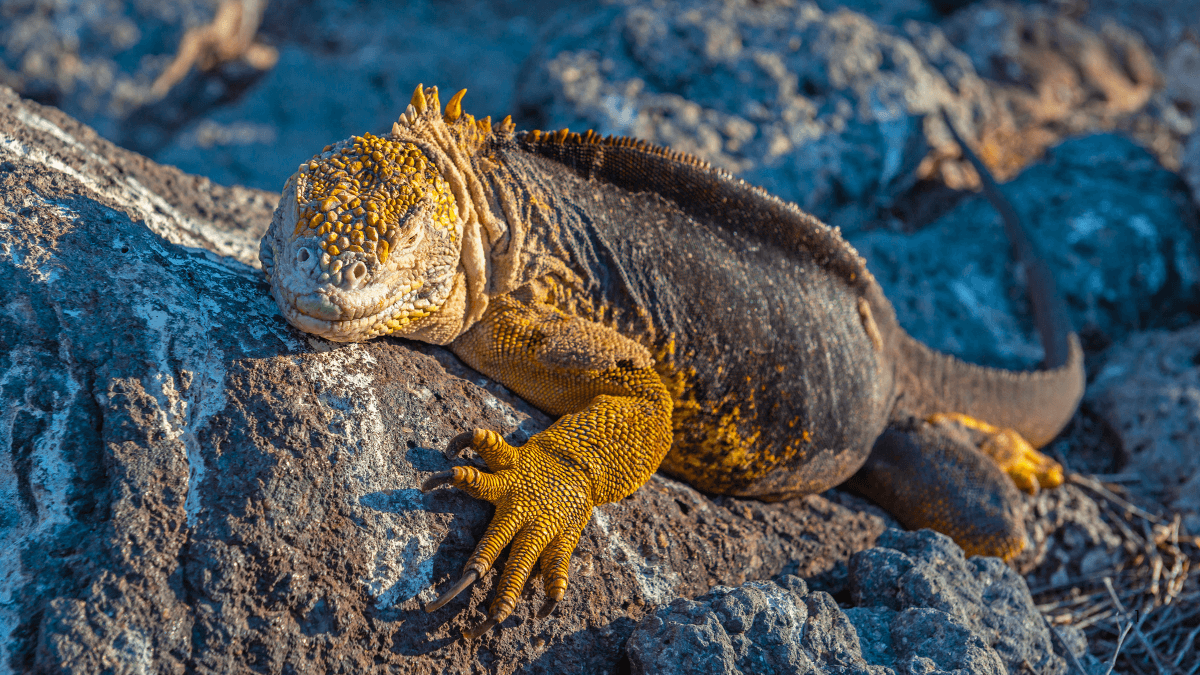
The Galapagos Islands are a unique and extraordinary place known for their incredible wildlife. These islands, located about 600 miles off the coast of Ecuador, have inspired scientists and nature enthusiasts alike for centuries. They are home to many animals not found anywhere else on Earth.
What makes the animals of the Galapagos Islands so fascinating is their remarkable adaptations and uniqueness. From the famous giant tortoises to the unusual marine iguanas, each species tells a story of evolution and survival. The islands’ diverse ecosystems provide a living laboratory for observing how animals have adapted to their environments over thousands of years.
1) Darwin’s Finches Showcase Evolution
Darwin’s finches are a group of about 15 species of small birds found on the Galápagos Islands. These birds are famous for their diverse beak shapes and sizes, which helped Charles Darwin develop his theory of natural selection. Each species is adapted to different food sources on the islands.
The finches demonstrate how species can evolve over time to better survive in their environments. For example, some have strong, thick beaks for cracking nuts, while others have long, narrow beaks ideal for catching insects. This diversity evolved because the different islands and habitats have various food resources.
Research shows that not only beak shape but also behaviors, songs, and even breeding patterns evolved. These changes have allowed Darwin’s finches to successfully occupy different ecological niches. They continue to be a key example of how isolation and environmental pressures can drive evolution.
2) The Flightless Cormorant Can’t Fly
The Flightless Cormorant is a unique bird found only in the Galápagos Islands. Unlike most birds, it cannot fly. Its wings are much smaller compared to its body, making flight impossible.
This bird adapted to its environment over time. With few predators and abundant food in the water, flying became unnecessary. Instead, it evolved to become an excellent swimmer.
The Flightless Cormorant uses its powerful legs and webbed feet to propel itself underwater. It hunts for fish and other sea creatures near the shore. Its wet feathers help it dive efficiently and expertly navigate the ocean.
The feathers of this cormorant are not as oily as those of other cormorant species. This means they dry off quickly after swimming, which is important for a bird living on land.
These adaptations make the Flightless Cormorant a fascinating example of evolution. It shows how species can change over time to seamlessly fit into their surroundings.
3) Marine Iguanas Can Swim Underwater
Marine iguanas are unique reptiles found only on the Galapagos Islands. This remarkable creature is the only lizard in the world to swim and forage for food in the ocean.
Their swimming ability allows them to access underwater food sources like algae.
Marine iguanas have flattened tails, which help them move gracefully through the water. They use their strong limbs and sharp claws to cling onto rocks and stay steady against the currents.
Marine iguanas dive into the ocean during foraging and can remain submerged for several minutes. This helps them reach the algae that grow under the water.
Their unique adaptations, such as salt glands, help them survive in the sea. These glands allow them to expel salt from their bodies, which they often do by sneezing.
4) The Galapagos Penguin is the only penguin north of the equator
The Galapagos Penguin holds a unique spot in the animal kingdom. It is the only penguin species found north of the equator. These penguins live mostly on the Galapagos Islands, located in the Pacific Ocean off the coast of Ecuador.
Unlike most penguins, which prefer colder climates, the Galapagos Penguin thrives in the islands’ warmer weather. Cool ocean currents help to keep their environment suitable for survival. They rely on the cold waters brought by the Humboldt and Equatorial Undercurrents. These currents create the perfect feeding grounds rich in fish.
Though they live near the equator, their small size helps them manage the heat. They are among the smallest penguin species, standing about 16 inches tall. To cope with the heat, they have adapted behaviors, such as panting and using shaded areas for resting.
Their population faces threats from climate events like El Niño, which can disrupt food supplies. Conservation efforts are crucial to protect this rare penguin. Their presence is a testament to the Galapagos Islands’ unique ecosystem, showcasing how life adapts in remarkable ways.
5) Galapagos Tortoises can live over 100 years
Galapagos tortoises are among the longest-living vertebrates on Earth. Many have been documented to live well over a century in the wild. Their impressive lifespan allows them to adapt and thrive in the unique environment of the Galapagos Islands.
These massive reptiles reach such advanced ages due to their slow metabolism. This slow metabolic rate helps reduce wear and tear on their bodies over time. Their laid-back lifestyle, involving minimal energy use, supports their longevity.
Additionally, their habitat plays a significant role. With relatively few natural predators and a stable climate, these tortoises face fewer threats than those on other islands. Efforts to restore their populations have been successful in preserving these incredible creatures.
The long lifespan of Galapagos tortoises has fascinated scientists and contributed to research on aging. Researchers hope to learn more about the biological factors that influence longevity by studying these tortoises.
6) Blue-footed Boobies perform a unique mating dance.
Blue-footed Boobies are known for their striking blue feet, which play a key role in their mating rituals. The brighter the feet, the more attractive the male is to potential mates. Males use their vividly colored feet to catch the attention of females.
The mating dance is a fascinating display. Males strut and lift their feet high to show off their blue color. They bow, spread their wings, and give a high-pitched whistle.
This dance helps females judge the suitability of a potential mate. The brightness of the male’s feet indicates good health and strong genes, desirable traits for their offspring.
During the dance, the male may also offer small gifts to the female, like sticks or pebbles. These gifts are part of the courtship process. This behavior showcases not only the bird’s fitness but also its ability to provide for a nest.
The ritual is not only a display of beauty and health but also an important part of the blue-footed booby’s reproductive success. Every spring, this impressive performance is a key event in their breeding cycle on the Galapagos Islands.
7) The Sally Lightfoot Crab is brightly colored.

The Sally Lightfoot Crab is famous for its bright and eye-catching colors. These crabs are usually a vibrant red with streaks of yellow and orange, standing out against the dark volcanic rocks of the Galápagos Islands. Their striking appearance makes them one of the most recognizable crabs in the region.
These crabs have a distinctive blue belly and lighter-colored feet, adding to their colorful display. Their vivid colors warn predators about their agility and quick movements, making them difficult to catch.
Sally Lightfoot Crabs are often seen skittering along the rocky shores, their colors gleaming in the sunlight. This splash of color against the natural scenery adds to the unique biodiversity of the islands, attracting both researchers and tourists alike.
Their agility and bright colors are key features that help these crabs thrive in their habitat. They play a vital role in the coastal ecosystem, helping to clean the rocks by feeding on various organic materials. The Sally Lightfoot Crab is not just a colorful feature of the Galápagos Islands, but an important part of its ecological community.
Unique Galapagos Wildlife
The Galapagos Islands are home to many remarkable animals not found anywhere else. These creatures have adapted distinctly to the islands’ environments, influencing their unique characteristics.

Leave a comment