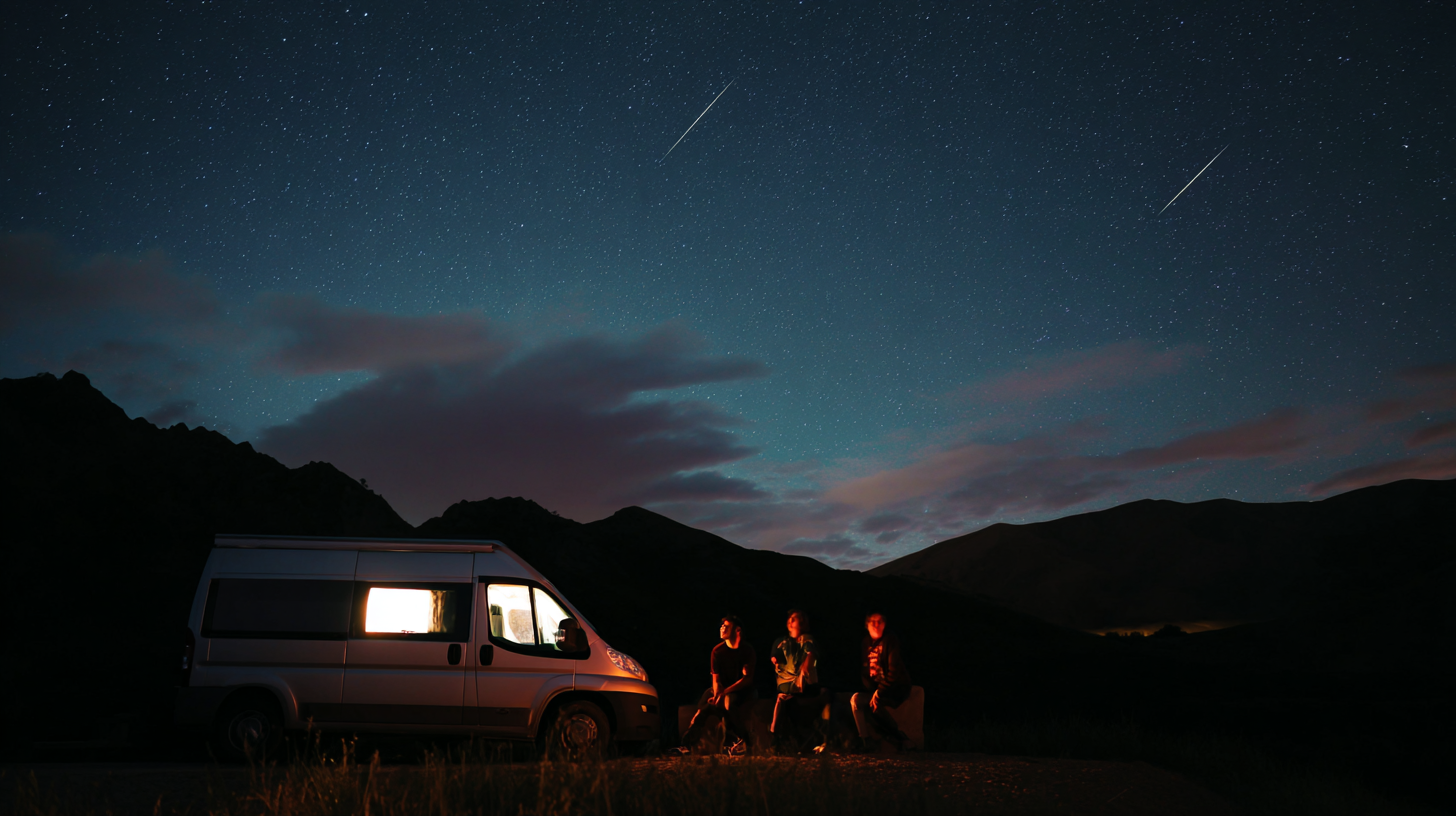
The sky will put on a rare double feature this July, as two separate meteor showers reach their peak on the same night. On the evening of July 29 into the early morning hours of July 30, the Southern Delta Aquariids and Alpha Capricornids will streak across the atmosphere, offering a chance to witness up to 25 meteors per hour under dark skies.
These two showers are typically modest on their own. The Delta Aquariids are known for faint, fast-moving meteors, while the Alpha Capricornids are slower, sometimes producing vivid fireballs. But in 2025, both hit their peak within hours of each other. Crucially, they’ll do so under nearly moonless skies.
A waning crescent moon will set early, leaving the late-night hours dark and primed for stargazing. The best viewing window begins around midnight and extends to dawn, especially for those in rural areas with little to no light pollution. You don’t need any equipment. Just find a spot with a clear southern view, lie back, and give your eyes 30 minutes to adjust.

Meteor rates will vary depending on location. Southern Hemisphere viewers and those in low-latitude regions will likely see the most activity, with the Delta Aquariid radiant higher overhead. Northern Hemisphere observers can still catch the show, especially the brighter Alpha Capricornid fireballs that tend to stand out even through light haze.
Why this overlap matters
Though both showers occur annually, their peaks don’t always sync up this neatly. In 2025, the dual climax is especially well timed. The combined streams mean more frequent meteors, and the moon’s absence will help even the faintest ones shine. For casual skywatchers, that means less time waiting between streaks and a better chance of catching a bright flare.
Each meteor originates from a different comet. The Delta Aquariids come from debris left behind by Comet 96P/Machholz, with particles believed to be more than 20,000 years old. The Alpha Capricornids are linked to Comet 169P/NEAT, a relatively small body that fragmented thousands of years ago and is predicted to cause meteor storms in future centuries.
The contrast is part of the charm. Fast, bluish Aquariids zip across the sky in a blink. Slow, golden Capricornids sometimes dawdle, leaving trails that glow and hang. It’s a mix of the subtle and the spectacular.

If you’re lucky, you may even spot an early Perseid. Though the famous August shower won’t peak until midmonth, a few stray Perseids tend to show up in late July. That makes this night one of the most dynamic for meteor activity all year.
To photograph the event, use a tripod, wide-angle lens, and long exposures of 15 to 25 seconds. Aim toward the southern sky, include some foreground if possible, and shoot continuously. Just be sure to look up in between.
Mark your calendar for the night of July 29 into the morning of July 30. If the skies are clear, you’ll get a front-row seat to a cosmic collaboration thousands of years in the making. And it’s free. Just show up, look up, and let the sky do the rest.
Leave a comment