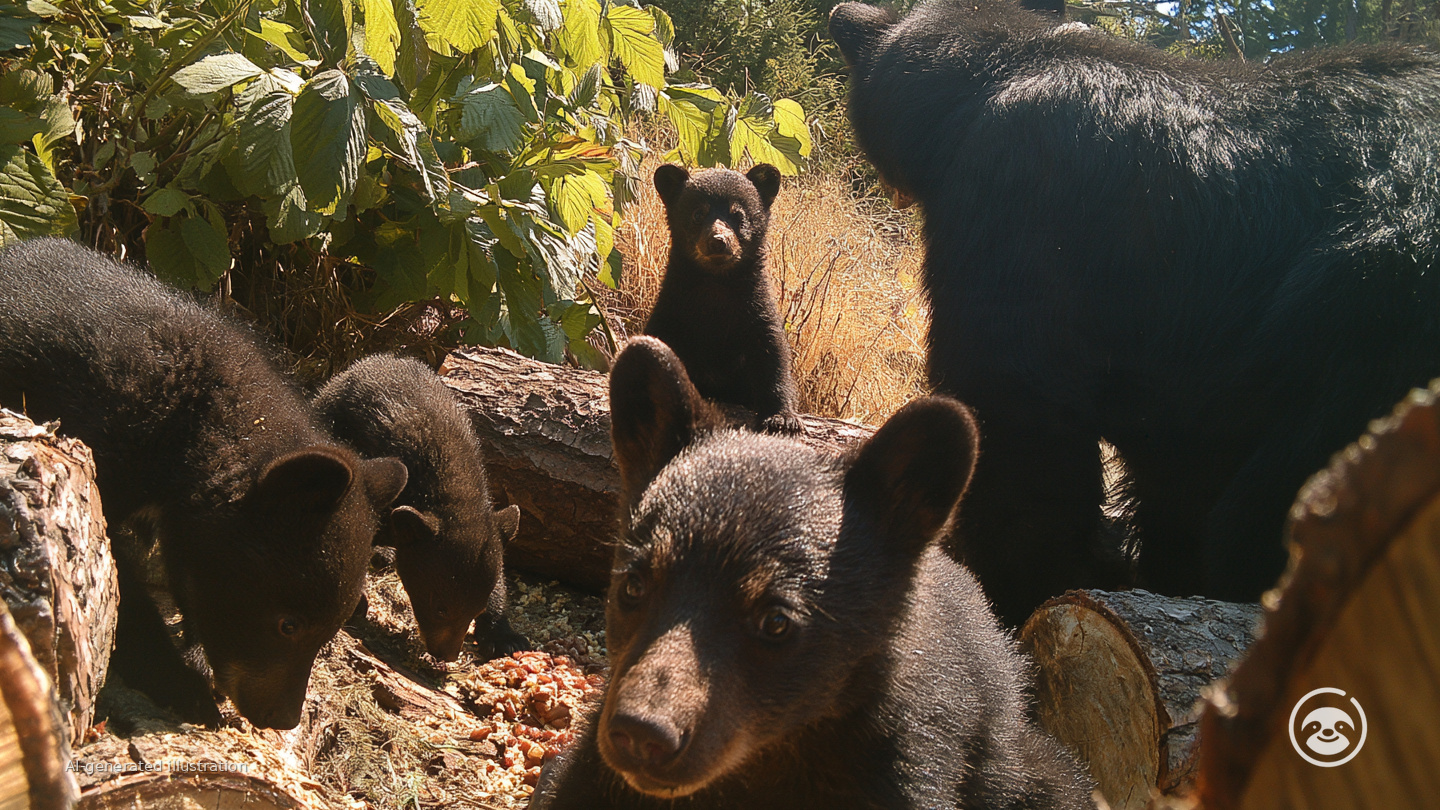
Packing up a bear-bait station can mean removing some of the ground beneath it. Alaska’s hunter-training guidance tells hunters to take away soil and wood soaked with grease because the residue can keep attracting bears after the season closes.
That lingering attraction helps explain the argument returning to Alaska’s national preserves. On October 16, 2026, the Trump administration announced a final rule that will remove the federal prohibition on sport hunters using bait to kill bears there. The change takes effect November 18, with state hunting restrictions still applying.
Bear baiting brings an animal within shooting range by offering it food. Alaska’s training materials describe using dog food, bread, doughnuts and sweeteners. That appetite becomes especially strong as bears build reserves ahead of hibernation. A hunter can spend time watching the animals that arrive before deciding whether to shoot. Other bears can eat and leave.
Those departing animals leave wildlife managers with a question that a hunting tally can’t answer. How many bears found the food, how often did they return and what did they learn from getting an easy meal?
The National Park Service expects no more than 10 bears to be killed over bait each year across Alaska’s national preserves: two black bears and up to eight brown bears. That figure is the agency’s forecast, rather than a new limit on the number hunters may take.

Alaska’s national preserves have different hunting rules from its national parks. Congress allowed regulated sport hunting in preserves. Within Denali, for example, hunters can take game on preserve land, while sport hunting remains prohibited in the adjoining national park.
Bear baiting has moved in and out of the federal regulations for more than a decade. The Park Service prohibited it for sport hunting in 2015, permitted it again in 2020 and reinstated the ban in 2024. The latest reversal arrives just over two years after that last prohibition took effect.
Interior says the change restores Alaska’s longstanding role in managing wildlife on these lands. The department says the Park Service will retain conservation responsibilities and authority to respond to problems. The larger regulatory package also changes some subsistence provisions while preserving the federal priority for eligible rural subsistence users.
For the agency, Alaska’s experience with regulated baiting carries more weight than predictions of danger. Its final rule cites the state’s record without documented baiting-related public-safety incidents and says permits, training and minimum distances from roads and buildings help reduce risk. It also promises continued monitoring and retains the ability to close particular areas if qualifying concerns arise.
How bears learn to expect food
The different ways bears catch salmon show how much a feeding routine can vary from one animal to the next. A bear that repeatedly finds food in the same place has a reason to come back. When it also links that food with people or things associated with them, biologists call the result food conditioning. The management concern is what happens when that expectation carries into an encounter with someone who hasn’t brought a meal.
A 2024 study in PLOS ONE examined those concerns by gathering expert judgments. The researchers consulted 14 Park Service specialists and 27 outside bear experts. Their findings describe expected risks, drawing on those specialists’ experience. They didn’t measure an attack rate among bears visiting Alaska bait stations.
All 27 outside experts considered providing large quantities of processed bait equivalent to feeding bears. Most also expected bears to defend food at bait stations. The Park Service group judged the potential risk to visitors moderate to high. Agreement was weaker on some questions involving naturally occurring bait, including animal remains.
The relationship between human food and conflict is harder to pin down. A 2025 study used chemical signatures in the hair of Wisconsin black bears to estimate what they had eaten. When researchers compared those diets with county complaint records, they found tentative signs of more complaints where bears ate more crops and discarded food. They reported no comparable pattern for hunting bait.
Where bears eat, and who else uses that space, may help explain why feeding sometimes becomes a conflict. A remote bait station and refuse outside a house offer different opportunities for a bear to encounter people.
Alaska already builds separation into its baiting rules. Every station must be registered, and the person registering it must complete an approved clinic. General setbacks keep bait at least a quarter-mile from publicly maintained roads and trails and a mile from dwellings, campgrounds and certain other developed places, with specified exceptions. The state’s training guidance also tells hunters to avoid popular hiking, biking and fishing areas.

The calendar adds another constraint. Alaska’s published 2026–27 rules end the listed fall baiting seasons by October 31, before the new federal rule takes effect. Under that schedule, the practical return of sport baiting in eligible preserve areas would come during a permitted spring season in 2027, subject to the rules for the particular species and location.
A bear that walks away from a bait station leaves no entry in that station’s harvest total. The unresolved question travels with it: whether the next encounter with a person is changed by the meals it found before.


Leave a comment