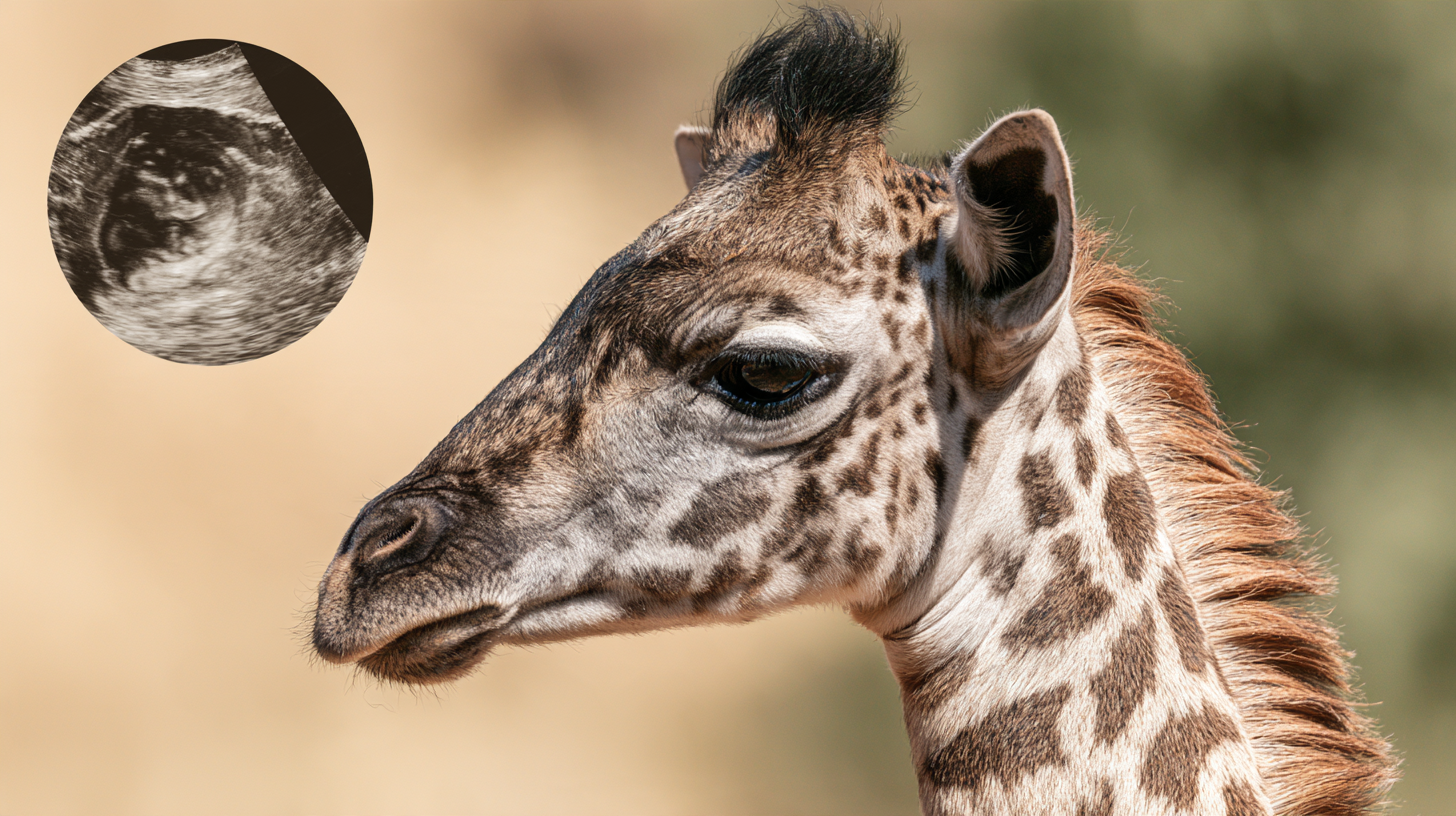
Cincinnati Zoo has updated the indoor camera link for Tessa’s giraffe birth watch. Anyone returning to an older video can find the replacement through the zoo’s official YouTube channel.
The change answers a practical question from Discvr readers following the pregnant Masai giraffe. Some wanted the viewing link, while others asked why an indoor feed was unavailable or whether her calf had arrived.
The best starting point is the zoo’s official YouTube livestream page, which brings together its indoor and outdoor cameras. The replacement indoor feed is also linked from the zoo’s website.
On October 20, 2026, the zoo’s homepage still described Tessa as “due any day.” The zoo directs viewers to its official channels for birth announcements, so those updates remain the place to check for news of the calf.
There’s a limit to what an unavailable video can tell viewers. The zoo’s announcement states: “Cameras may be turned off at the discretion of the giraffe team and animal care staff.”
That leaves the care team in control of the broadcast. A feed going offline can’t, by itself, tell us whether labor has begun or explain what’s happening in the barn.
Tessa is 20 years old. Her pregnancy was announced on March 12, with an October due window for her fifth calf. The father is Zeke, and the zoo identified Fennessy as the expected calf’s half-brother. Zoo director Dave Jenike has described this as likely to be Tessa’s last calf.
From hormone tests to overnight watches
Before viewers could follow Tessa on camera, her pregnancy had already left clues in something far less photogenic: her poop.
The zoo used fecal hormone monitoring to establish that Tessa was pregnant before it obtained ultrasound images. In an August 20 explanation, Elizabeth Donelan described how researchers followed the hormone readings over time. A sustained rise after earlier reproductive cycles signaled the pregnancy.
Looking across multiple samples let the team see how Tessa’s reproductive activity was changing. A single reading wouldn’t have provided that history. The zoo later shared an ultrasound image when it announced the pregnancy.
Volunteer observers also take on overnight duty. If they see labor beginning after hours, they can alert Tessa’s keepers. Dave and Linda Stentz are among those helping with the watch; the zoo introduced them in a video explaining their role.
The pairing with Zeke was recommended through the Association of Zoos and Aquariums’ Giraffe Species Survival Plan. The zoo says their genetic combination is valuable to the managed giraffe population. It also supports wild-giraffe research and conservation through a partnership with the Wild Nature Institute in Tanzania.
Wild Masai giraffes still face poaching and the loss of habitat.
Tessa has been part of an online birth watch before. On October 12, 2012, the zoo shared her delivery through live tweets, recording what happened as a female calf was born in her indoor stall. The 2026 initiative introduces live video to the zoo’s animal-birth coverage for the first time.
The earlier account also shows how much happens after the delivery itself. Tessa’s calf was born at 8:20 a.m. Five minutes later, her mother began licking her. By 9:12 a.m., the calf had stood, and at 9:37 a.m. she nursed for the first time.

Leave a comment