Tag: Rocks
-
Dún Briste Sea Stack: The power of Ireland’s astonishing rock

Dun Briste is a 150-foot sea stack off County Mayo on the western coast of Ireland, at Downpatrick Head. According to the legend, this impressive landmark broke off the mainland during a massive sea storm in 1393. Ships rescued those living on the cliffs who’d fallen into the water. During the 1980s, scientists discovered remnants…
-
Meteora Monasteries: Greece’s astonishing clifftop wonder
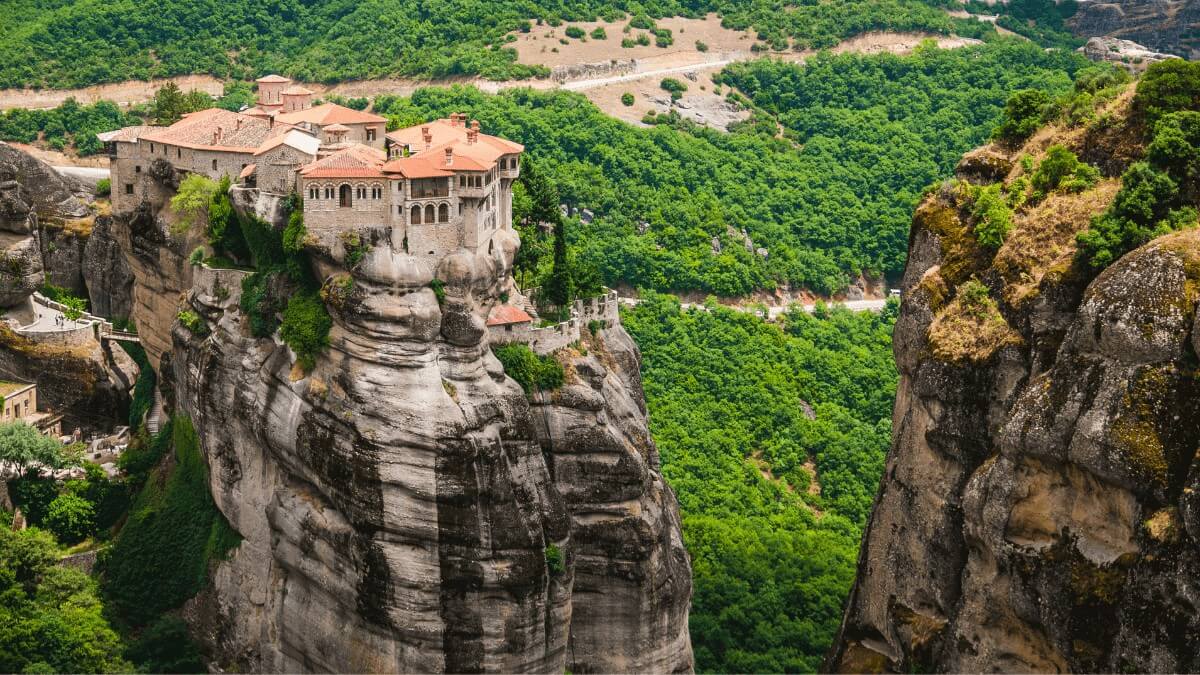
It’s mind-boggling to imagine how the first monks built the monasteries of Meteora in the 14th century, most notably the one in Peneas Valley located northeast of Kalabaka, Greece. This Holy Trinity sits on top of a rocky precipe over 1300 feet, forming one of six surviving monasteries constructed on top of steep natural pillars…
-
The intriguing phenomenon of the Anguloa Uniflora Orchid: Nature’s swaddled babies

Nature never ceases to surprise us with its intriguing creations and phenomena. One such example is the Anguloa Uniflora, a unique orchid species native to the Andean regions of South America. This includes countries like Colombia, Ecuador, and Peru. The Swaddled Baby Orchid is well-known for its flowers that bear a striking resemblance to swaddled…
-
Climbing the majestic Rock Of Guatapé, Colombia
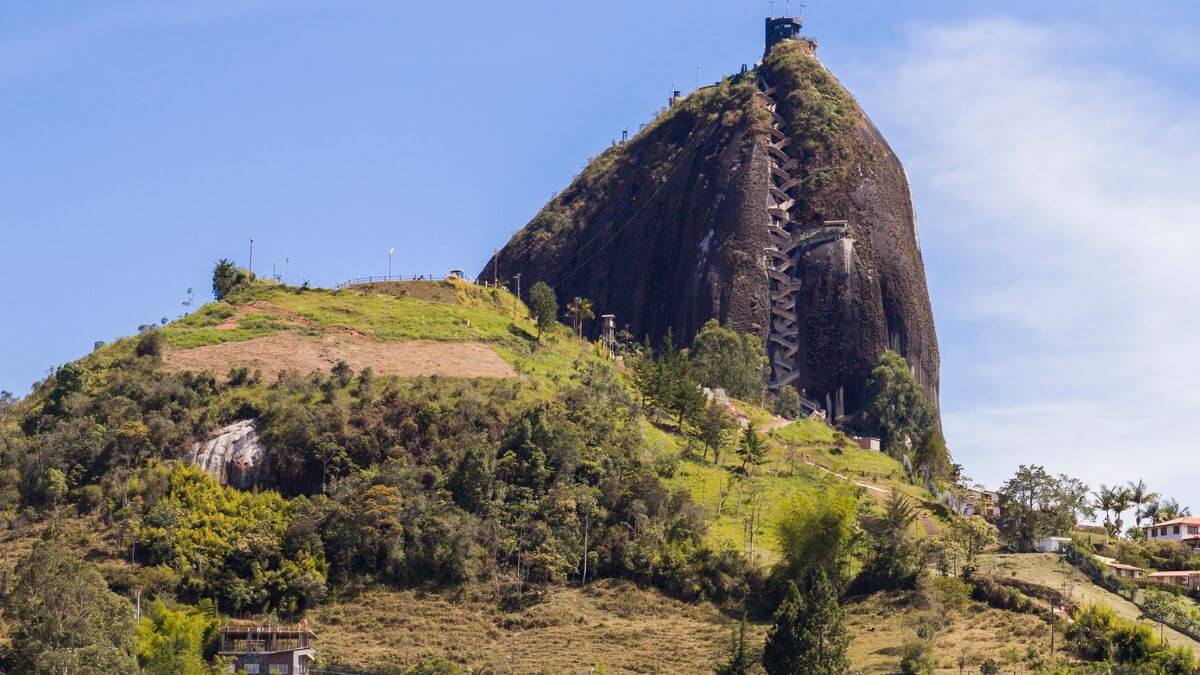
The Rock of Guatapé or La Piedra del Peñol in Colombia’s Antioquia region is a geological marvel. This towering landmark attracts thousands of adventurers yearly, who admire the colossal formation and climb to the top for panoramic views. It takes 740 hard-earned steps to reach the peak. The history of the Rock Of Guatapé The…
-
The Wave in Vermilion Cliffs National Monument
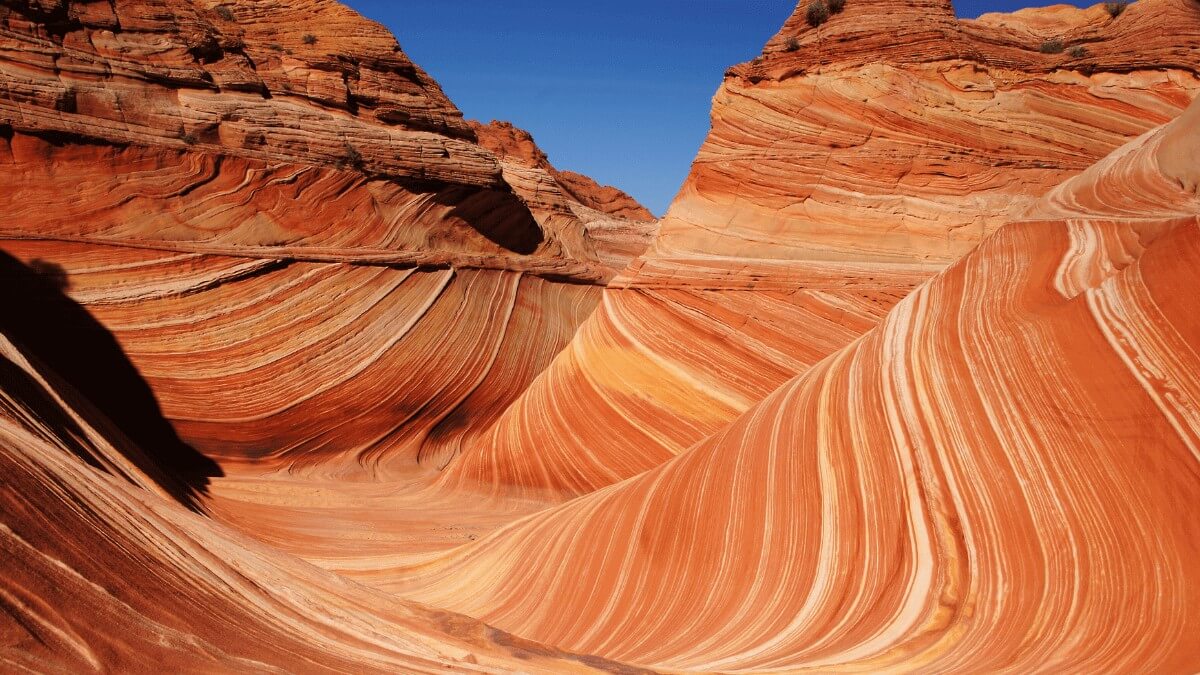
The Wave is a sandstone rock formation located in North Coyote Buttes of the Vermilion Cliffs National Monument on the Arizona and Utah borders. The swirling stone waves combine water and wind-eroded sandstone dunes, calcified vertically and horizontally, and fossilized over 190 million years. The rich red-vermilion rocks get their colors from iron oxide pigments. Only 20…
-
The bone-crushing bearded vulture

The bearded vulture (Gypaetus barbatus) is the only known animal that lives on an 80-90% diet of bones. That’s right — this intimidating-looking bird specializes in feeding on bone marrow. The Bearded Vulture is a bone eater and bone crusher This bird of prey is so desperate for bone that it’ll fly a dead carcass as high…
-
Walking the ocean floor at Hopewell Rocks

The Hopewell Rocks is a series of sandstone pillars along the coast of the Bay of Fundy, New Brunswick, Canada. The unique-looking rock formations, cliffs, and coves result from centuries of tidal erosion, yet another reminder of how nature crafts its own beauty. Home to the highest tides in the world The tides at the…
-
A trip to Portugal’s stunning Benagil Sea Cave
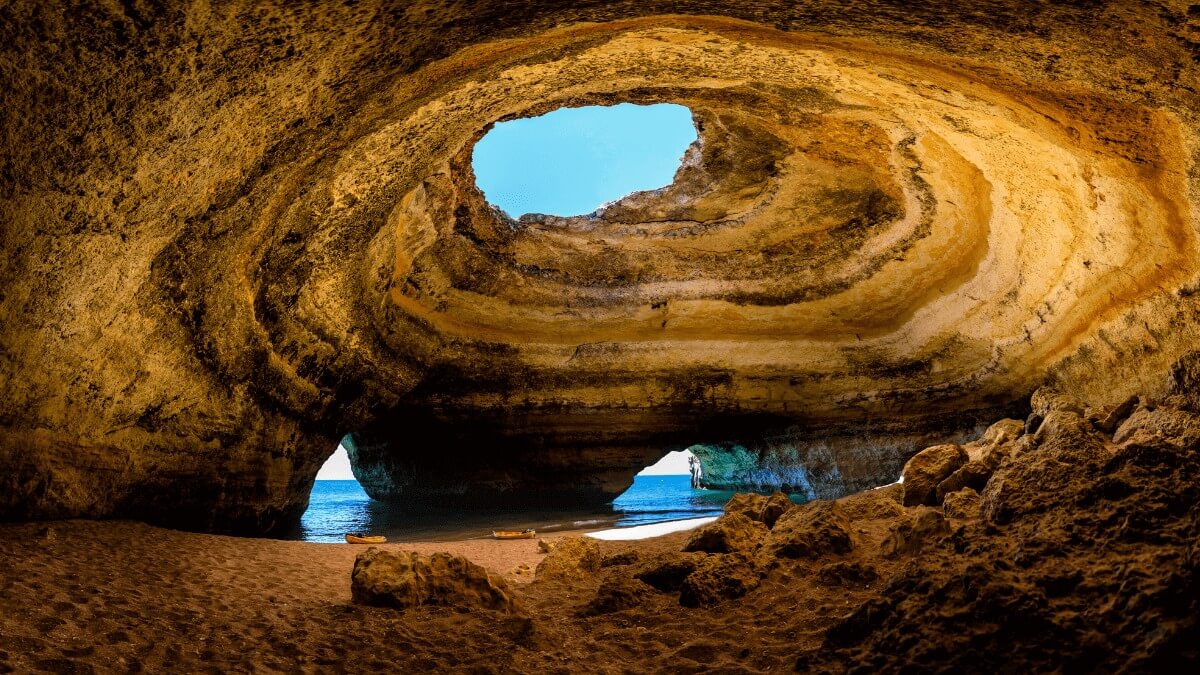
The Benagil Sea Cave, located in a small fishing village 3 hours from Lisbon, is arguably one of the most interesting tourist attractions in the world. Accessible only by boat, the cave contains a peculiar domed ceiling and natural oculus shaped by wave attrition and Miocene limestone built-up over 20 million years ago. Hiding under…