Tag: wave
-
The Devil’s Flower Mantis: A master of camouflage and defense

The Devil’s Flower Mantis, also known as Idolomantis diabolica, is a mantis native to East Africa. The insect is known for its remarkable defensive posture to deter predators. When threatened, the mantis performs a startle display, which is both fascinating and compelling. The mantis assumes a deimatic posture that includes standing tall, spreading its forelimbs,
-
How the 2023 summer heat waves can lead to US wildfires

Swaths of the United States are sweltering under a blistering heat wave, an invisible yet palpable assailant known as a ‘heat dome.’ High pressure in the upper atmosphere of this anticyclone meteorological event forces hot air to remain compressed and stagnant. This trapped hot air causes surface temperatures to spiral upwards, transforming the environment into
-
Dún Briste Sea Stack: The power of Ireland’s astonishing rock

Dun Briste is a 150-foot sea stack off County Mayo on the western coast of Ireland, at Downpatrick Head. According to the legend, this impressive landmark broke off the mainland during a massive sea storm in 1393. Ships rescued those living on the cliffs who’d fallen into the water. During the 1980s, scientists discovered remnants
-
The famous Zlatni Rat beach on Bol Brac Island, Croatia

Zlatini Rat, or Golden Cape, is one of Croatia’s most unique and popular beach destinations. It’s not hard to see why. The magnificent horn-shaped beach resides on the southern coast of the Croatian island of Brac, outside the resort town of Bol. The 1700-foot white-pebble beach formed by the collision of two currents also runs
-
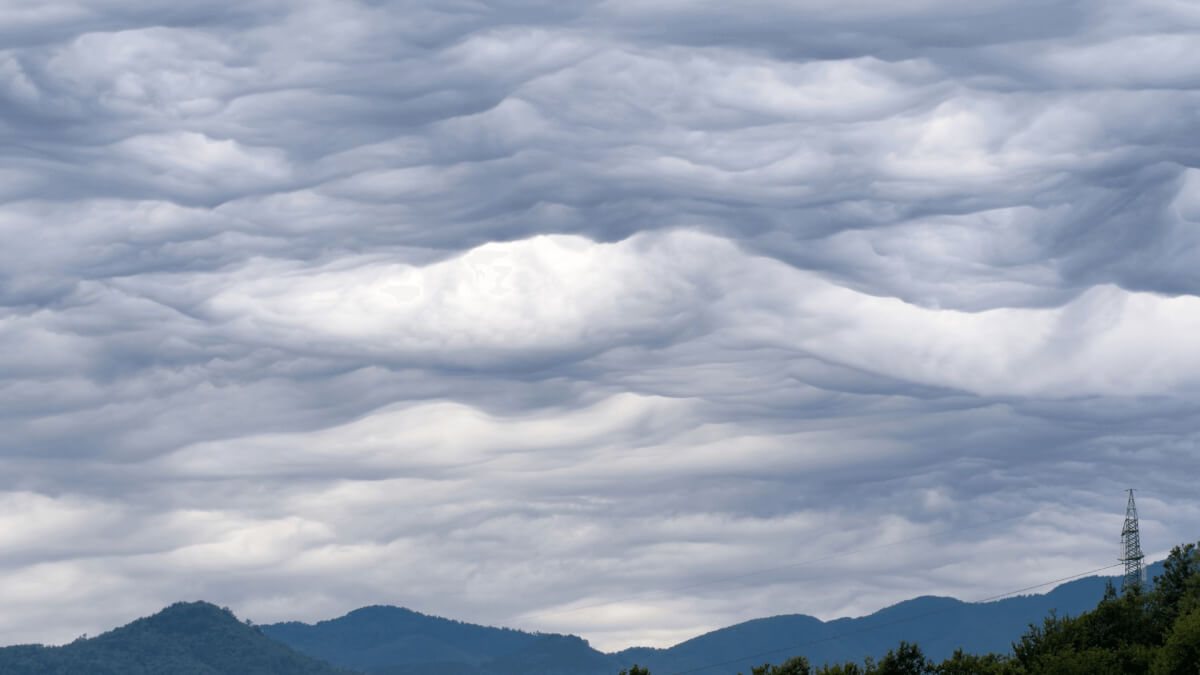
Asperitas clouds form rippling waves in the sky

There are all types of stunning clouds — Lenticular, Mammatas — to name a couple. But the asperitas clouds take center stage. These clouds, which are dark and storm-like, look like Van Gogh painted waves in the sky. Asperitas clouds form in the wake of thunderstorms like Mammatus clouds, yet unlike the latter, asperitas clouds
-
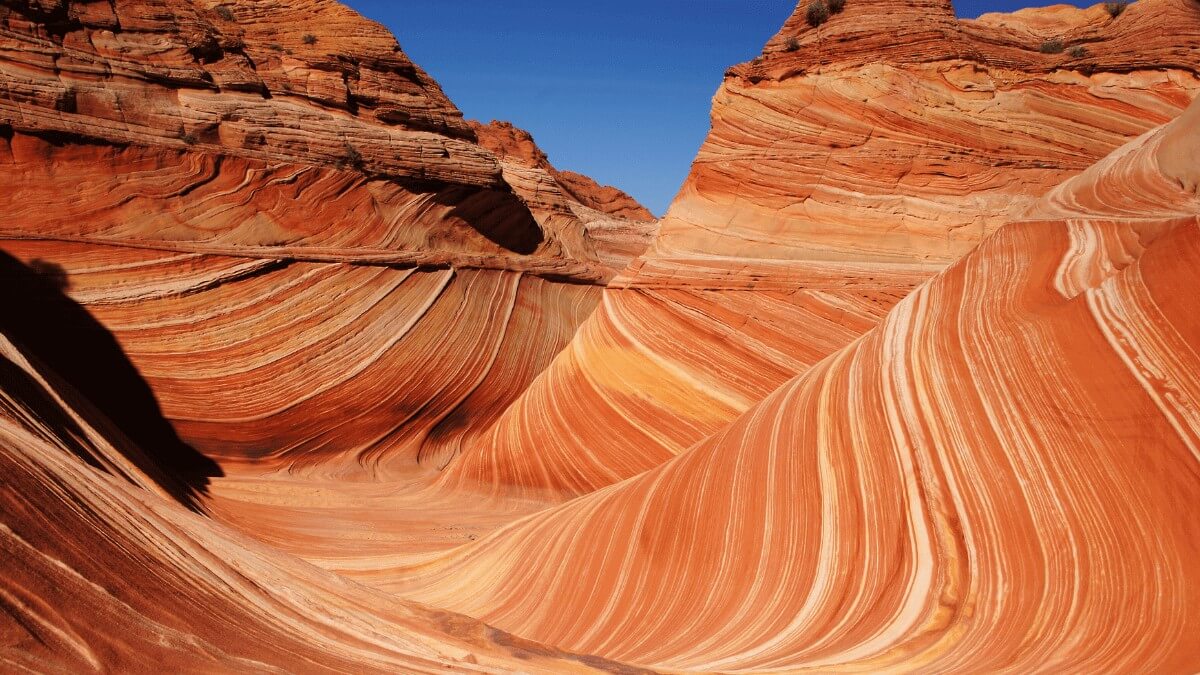
The Wave in Vermilion Cliffs National Monument

The Wave is a sandstone rock formation located in North Coyote Buttes of the Vermilion Cliffs National Monument on the Arizona and Utah borders. The swirling stone waves combine water and wind-eroded sandstone dunes, calcified vertically and horizontally, and fossilized over 190 million years. The rich red-vermilion rocks get their colors from iron oxide pigments. Only 20
-
Walking the ocean floor at Hopewell Rocks

The Hopewell Rocks is a series of sandstone pillars along the coast of the Bay of Fundy, New Brunswick, Canada. The unique-looking rock formations, cliffs, and coves result from centuries of tidal erosion, yet another reminder of how nature crafts its own beauty. Home to the highest tides in the world The tides at the
-
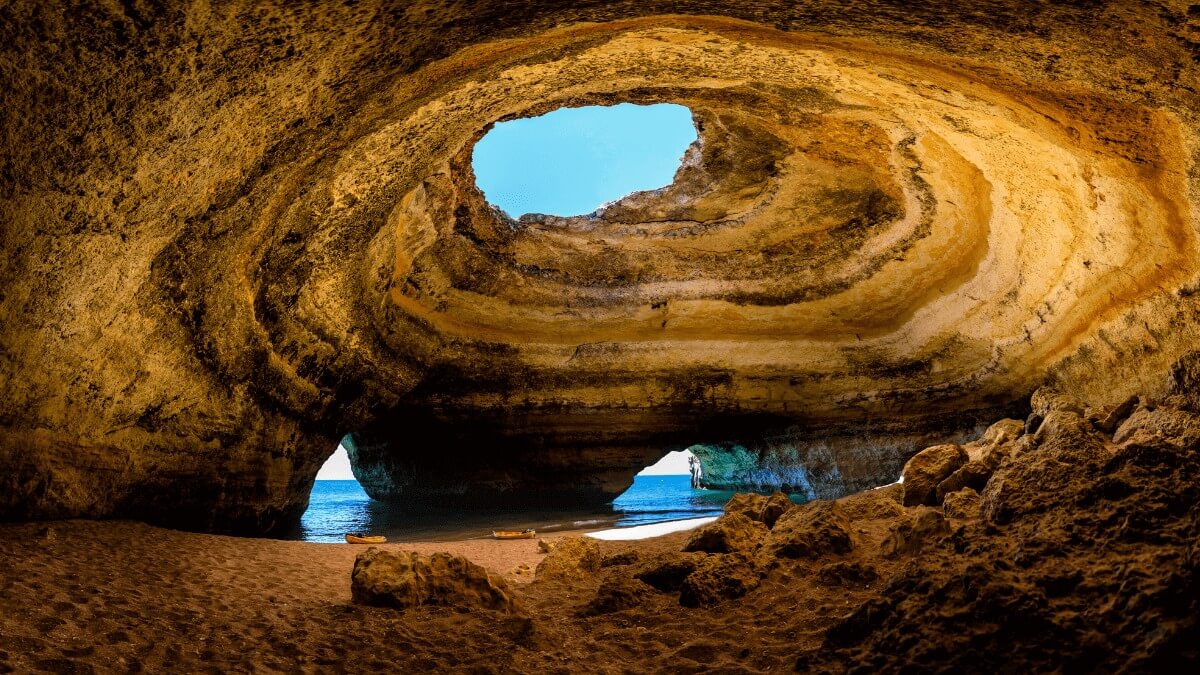
A trip to Portugal’s stunning Benagil Sea Cave

The Benagil Sea Cave, located in a small fishing village 3 hours from Lisbon, is arguably one of the most interesting tourist attractions in the world. Accessible only by boat, the cave contains a peculiar domed ceiling and natural oculus shaped by wave attrition and Miocene limestone built-up over 20 million years ago. Hiding under