-
The colorful King Vulture is a striking bird of prey

The King Vulture (Sarcoramphus papa) inhabits Central and South America as a large bird of prey. It’s one of the most colorful and striking vulture species. It features a vibrant mix of orange, yellow, blue, and red on its head and neck. It also boasts black and white feathers on its body and wings. King
-
Archeologists discover new ‘Moai’ statue on Easter Island

Scientists discovered a new ‘Moai’ stone statue in a dry lake bed on Easter Island. A group composed of geologists from three different Chilean universities uncovered the megalithic statue within the crater of the Rano Raraku volcano. They were investigating the area in a restoration effort after fires devastated the land the previous year. At
-
Get up close with a jaguarundi, the otter cat
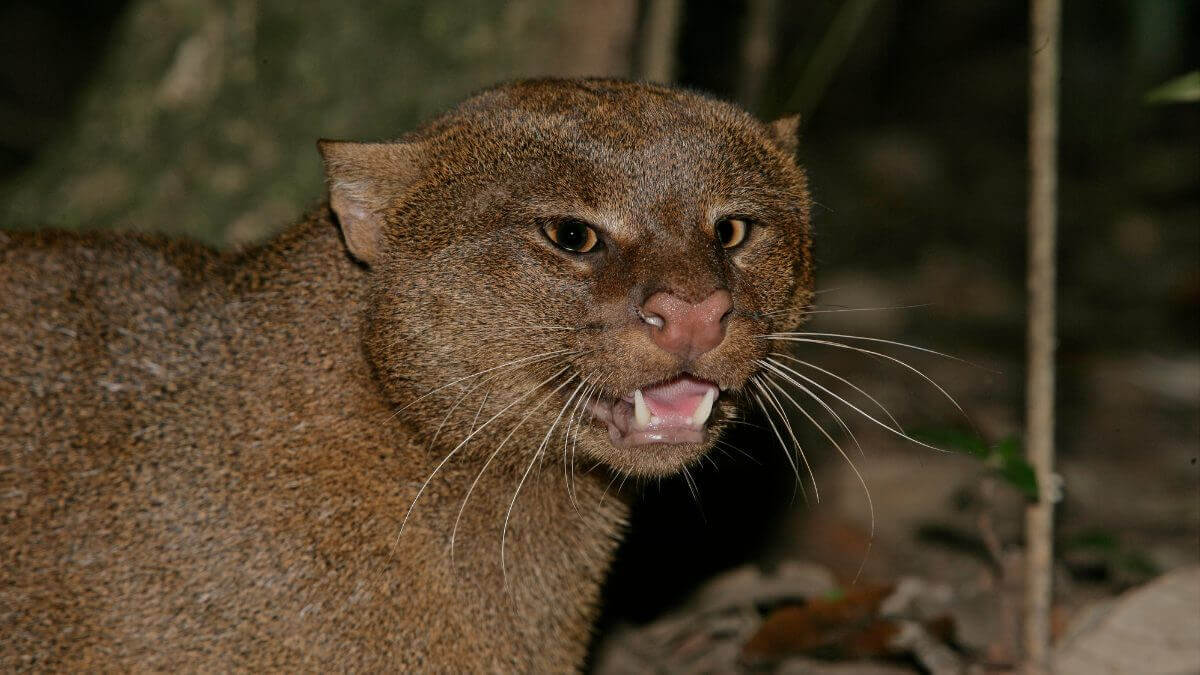
The jaguarundi is a small cat species native to Central and South America, extending from Argentina to the southern United States. It has a narrow head, a slender body, and a long tail. The wild cat can grow up to 2.3 feet and weigh as much as 20 pounds, roughly double the size of a
-
Explore Vietnam’s Son Doong Cave, the largest known cave in the world
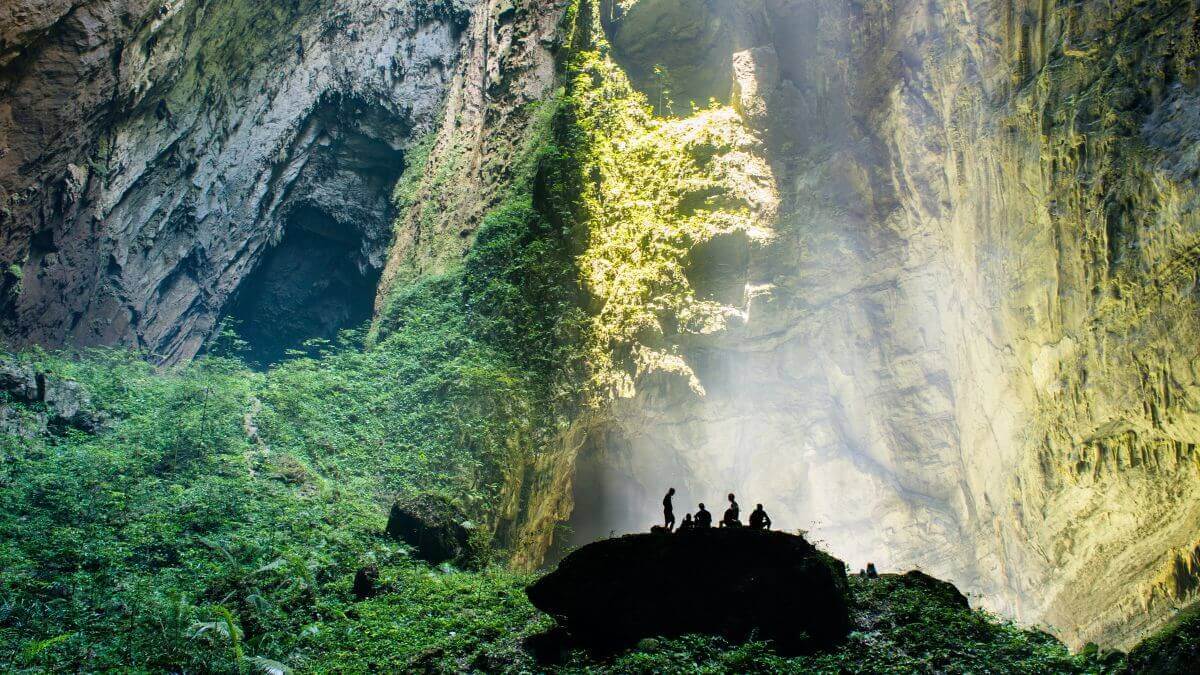
Son Doong Cave, or “mountain river cave,” is the largest known cave in the world. It’s located in the Quang Binh Province of Vietnam as part of the UNESCO-listed Phong Nha-Ke Bang National Park near the border of China. The incredible scale of Son Doong Cave Five miles long, the gargantuan cave stands 660 feet
-
Puya Raimondii, the flower spike that’s “Queen of the Andes”
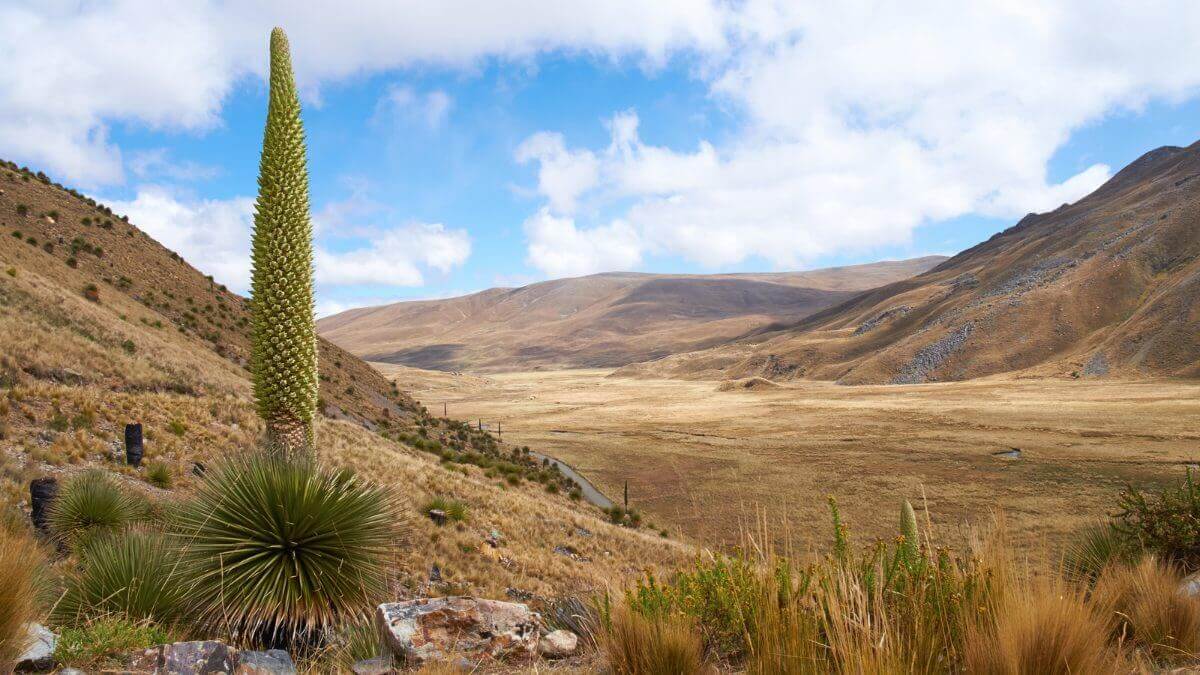
Puya Raimondii is a bromeliad species (flowering plant) native to Bolivia and Peru. That’s the same family as pineapples, which the inflorescences (a collection of flowers arranged on a stem) resemble in full bloom. The so-called “Queen of the Andes” stands up to 50 feet high, with a trunk stretching to heights of 16 feet
-
The stealthy ghost crab

The ghost crab is about as big as your hand but as fast as lightning. The eight-legged little creature moves across sandy beaches at 100 body lengths per second, up to 10 miles per hour. That’s blazing-fast compared to the size of a human and a cheetah, who achieve speeds of 11 and 20 body
-
The Potoo bird may be the scariest bird you’ve ever seen

The Potoo bird, or Ghost bird from Central and South America, gives off a startling expression. The strange-looking bird possesses a hooked snake-like bill with a massive gape the animal uses to swallow moths and other insects. But even more freaky are their yellow googly eyes that glow up at night. Potoo birds control pupil
-
The famous Zlatni Rat beach on Bol Brac Island, Croatia

Zlatini Rat, or Golden Cape, is one of Croatia’s most unique and popular beach destinations. It’s not hard to see why. The magnificent horn-shaped beach resides on the southern coast of the Croatian island of Brac, outside the resort town of Bol. The 1700-foot white-pebble beach formed by the collision of two currents also runs
