Category: Nature
-
Is Mammoth Cave in Kentucky the biggest cave in the world?

Nestled within the heart of Kentucky, USA, lies Mammoth Cave, an underground sensation that has captured the interest of explorers, geologists, and tourists alike. The question often arises: Is Mammoth Cave the largest cave in the world? Let’s delve into the facts to uncover the truth. Mammoth Cave Overview Mammoth Cave boasts a staggering length…
-
Lechuguilla Caves Reveal Astonishing Virgin Cave Pool

An awe-inspiring discovery at New Mexico’s Carlsbad Caverns National Park revealed a network of “virgin” cave passages and an untouched pool 700 feet below the surface. This finding adds to the mystique of Lechuguilla Cave, one of the ten longest caves in the world. Lechuguilla Caves’ Special Discovery In May 2000, geoscientist Max Wisshak led an expedition…
-
How the 2023 summer heat waves can lead to US wildfires

Swaths of the United States are sweltering under a blistering heat wave, an invisible yet palpable assailant known as a ‘heat dome.’ High pressure in the upper atmosphere of this anticyclone meteorological event forces hot air to remain compressed and stagnant. This trapped hot air causes surface temperatures to spiral upwards, transforming the environment into…
-
Dún Briste Sea Stack: The power of Ireland’s astonishing rock

Dun Briste is a 150-foot sea stack off County Mayo on the western coast of Ireland, at Downpatrick Head. According to the legend, this impressive landmark broke off the mainland during a massive sea storm in 1393. Ships rescued those living on the cliffs who’d fallen into the water. During the 1980s, scientists discovered remnants…
-
The fascinating realm of Conophytum Pageae, a remarkable succulent

Discover the world of succulents through the lens of a scarce gem – Conophytum pageae. Named after its discoverer, Mrs. P. Page, this remarkable plant hails from the Northern Cape Province of South Africa, specifically the Richtersveld, where the climate can be harsh and unforgiving. Conophytum pageae is no ordinary succulent. It belongs to the…
-
The inspiring journey of Julia Butterfly Hill and her 738-day tree-sit

Imagine spending two years perched on the upper branches of an ancient redwood tree, battling the elements, and doing everything possible to raise awareness about deforestation. Sounds impossible, right? Not for Julia Butterfly Hill, an extraordinary woman whose commitment to environmental preservation led her to live in a tree for 738 days. Let’s explore her…
-
The intriguing phenomenon of the Anguloa Uniflora Orchid: Nature’s swaddled babies

Nature never ceases to surprise us with its intriguing creations and phenomena. One such example is the Anguloa Uniflora, a unique orchid species native to the Andean regions of South America. This includes countries like Colombia, Ecuador, and Peru. The Swaddled Baby Orchid is well-known for its flowers that bear a striking resemblance to swaddled…
-
Climbing the majestic Rock Of Guatapé, Colombia
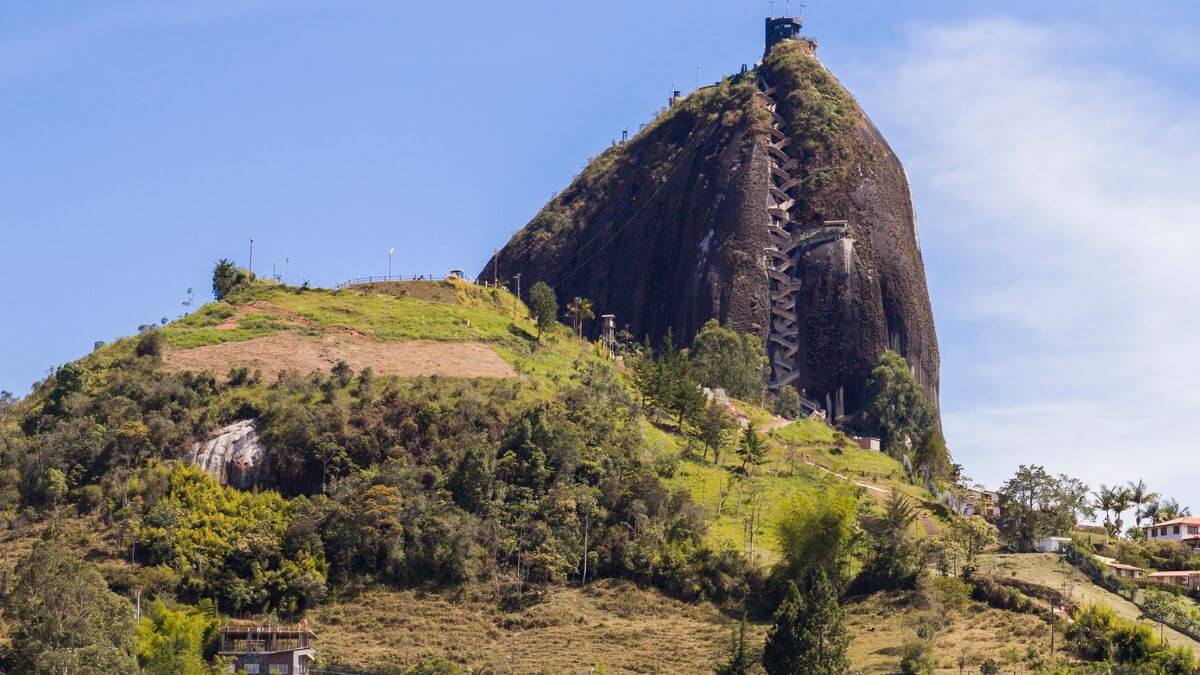
The Rock of Guatapé or La Piedra del Peñol in Colombia’s Antioquia region is a geological marvel. This towering landmark attracts thousands of adventurers yearly, who admire the colossal formation and climb to the top for panoramic views. It takes 740 hard-earned steps to reach the peak. The history of the Rock Of Guatapé The…
-
Explore Vietnam’s Son Doong Cave, the largest known cave in the world
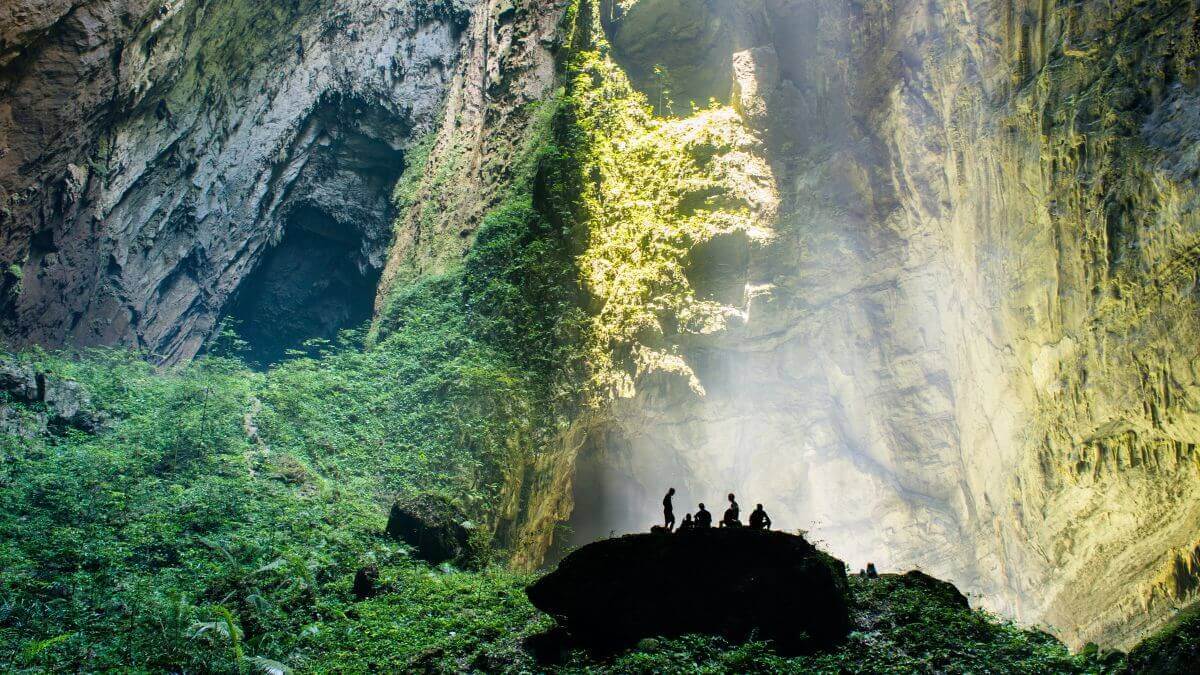
Son Doong Cave, or “mountain river cave,” is the largest known cave in the world. It’s located in the Quang Binh Province of Vietnam as part of the UNESCO-listed Phong Nha-Ke Bang National Park near the border of China. The incredible scale of Son Doong Cave Five miles long, the gargantuan cave stands 660 feet…