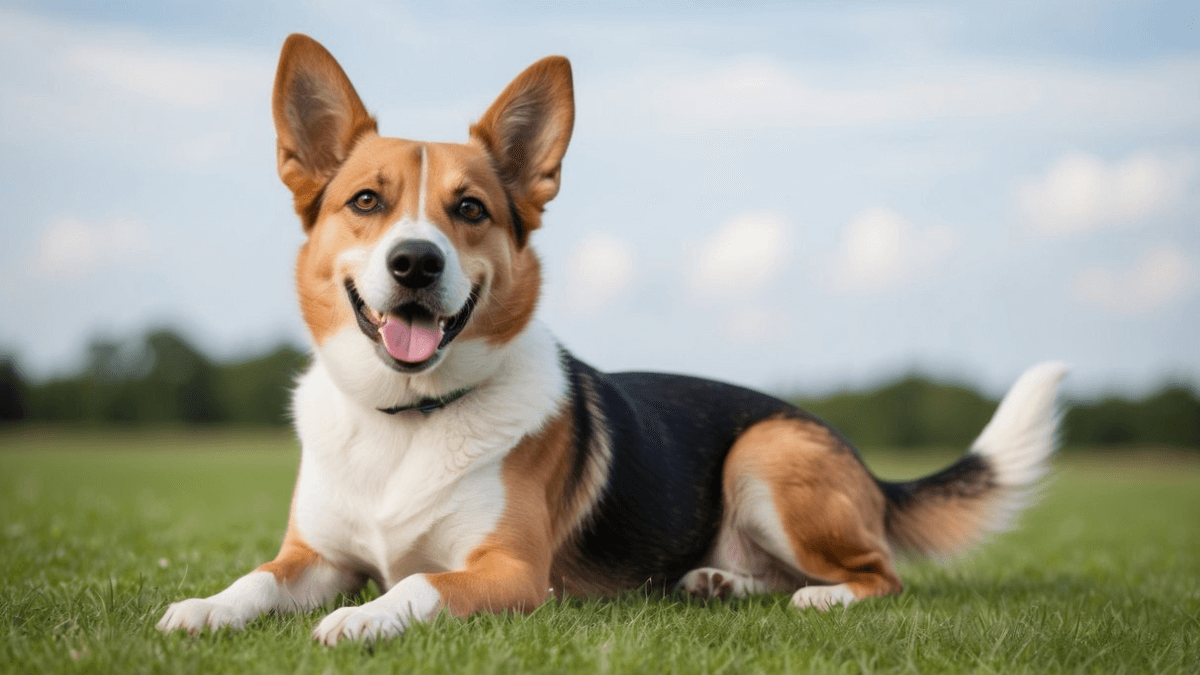
Understanding a dog’s emotions can be a bit challenging. Owners often wonder if their furry companions are genuinely content. Knowing the signs of happiness in dogs can help strengthen the bond between pets and owners.
Recognizing these signs can improve the well-being of both the dog and the owner. Happy dogs tend to exhibit behaviors that are easy to spot once the owner knows what to look for.
1) Wagging tail with relaxed body

A dog’s tail is an important indicator of its mood. When a dog is happy, its tail is often wagging gently and loosely, showing that the dog is comfortable and pleased.
The position of the tail matters, too. A tail held at a natural height, neither too high nor too low, suggests a calm and content state. The wagging is usually accompanied by other relaxed body signs, like a wagging pelvis.
A dog’s relaxed body posture further confirms its happiness. This includes a soft gaze and a slightly open mouth. The dog’s muscles appear smooth, not tense. These physical cues indicate that the dog is feeling joyful and at ease.
Observing the direction of the wag can also provide clues. Sometimes, the tail wags more to one side, which may signal different emotions. The important thing is the relaxation and rhythm of the movement. A happy dog will exhibit these signals together.
2) Playful and energetic demeanor

A happy dog often shows a playful and energetic demeanor. When in good spirits, dogs engage actively in play, which may include running, jumping, or chasing toys. These activities are enjoyable for the dog and help to burn off excess energy.
Energetic dogs may wag their tails, bounce around, or use playful body language like bowing. This behavior signals that the dog feels comfortable and secure in its environment. It may also invite humans or other pets to join in the fun.
Playfulness can vary from dog to dog. Some might prefer playing with people, while others enjoy interacting with other dogs. When dogs show excitement and readiness for a game, it’s a positive sign of their happiness.
It’s essential to provide opportunities for dogs to express their natural playfulness. Regular exercise and playtime can help maintain their joy and health. Being attentive to a dog’s playful signals can strengthen the bond between pet and owner, contributing to the dog’s overall well-being.
3) Enjoys Belly Rubs and Cuddles

When a dog eagerly accepts belly rubs, it shows trust and happiness.
A belly-up position shows that the dog feels safe and comfortable. It’s a vulnerable posture, and a happy dog will often expose its belly to someone it trusts.
Cuddling is another indicator of a dog’s happiness. Dogs lean against or sit close to people when they enjoy their company. This displays comfort and affection, suggesting that the dog feels content.
Some dogs will even nuzzle their heads into their owner’s hands or laps. This behavior indicates that the dog seeks closeness and connection, reflecting a happy and secure relationship.
Not all dogs enjoy prolonged petting or cuddling, but those often show signs of happiness when they lean in for more. Each dog is unique, and their preferences might vary, but a desire for physical affection is often a clear sign of a happy dog. Observing these signs can help in understanding a dog’s contentment level.
4) Bright, alert eyes

A dog’s eyes can reveal much about its mood and well-being. When a dog is happy, its eyes appear bright and clear, often indicating a state of happiness and contentment. Dogs express emotions through their eyes; sparkling eyes are a good sign of positive feelings.
Happy dogs often have relaxed eyelids and maintain eye contact without signs of stress or fear. Their gaze tends to be gentle and soft rather than tense or aggressive. When interacting with people they trust and love, a dog’s eyes might sparkle a little more.
In addition to eye brightness, pay attention to overall expression. A happy dog may have slightly squinted eyes and a relaxed body posture, which often reflects its comfort and happiness. Bright and alert eyes indicate that a dog enjoys life and feels good overall.
5) Eating with Enthusiasm

One clear sign that a dog is happy is when it eats enthusiastically. A dog eagerly approaching its food bowl can be a good indicator of its overall well-being.
When a dog is excited during meal times, it may wag its tail or even dance in anticipation. This eagerness to eat suggests that the dog feels good physically and emotionally.
Dogs that enjoy their meals are often in good health. They might show signs of preference for certain foods, licking the bowl clean when something is especially tasty. This behavior points to a content and satisfied dog.
Conversely, if a dog suddenly shows less interest in eating, it can be a sign of discomfort or stress. A happy and healthy dog will typically be enthusiastic about regular meal times.
Understanding Your Dog’s Body Language
Dogs communicate through a range of signals. Tail wagging and facial expressions are critical indicators of their emotions. Observing these can help determine a dog’s happiness and comfort.
Tail Wagging Styles
The way a dog wags its tail can reveal its feelings. A wagging tail is often seen as a sign of happiness, but the position and speed of the tail wagging can change this meaning.
A dog wagging its tail high and quickly usually feels confident or excited. If the wagging is low or slow, the dog might be worried or insecure. A straight-out tail that wags in short bursts can signal alertness or aggression. Understanding these nuances can help you respond properly to a dog’s needs or feelings.
Additionally, some breeds have different tail shapes, which may affect how easily they read their tails. For example, dogs with curly tails may require closer observation of other body language to understand their emotions.
Facial Expressions
A dog’s face can tell a lot about how it is feeling. Relaxed eyes and a slightly open mouth often mean the dog is happy and content. A dog with soft, blinking eyes is also typically at ease and might express love or trust.
Raised eyebrows or wide eyes might indicate curiosity or surprise. If a dog is tense and showing the whites of its eyes, it might be uncomfortable or fearful. Observing these expressions can help one recognize a dog’s mood.
Lip licking without food present is another sign to watch. It can indicate nervousness or stress. By understanding these signals, owners can improve their bond with their furry friends.
Behavioral Signs of a Happy Dog
A dog’s happiness shines through its playful energy and interactions with others. Understanding these behaviors can help owners ensure their furry friends are content and thriving.
Playful Energy
When dogs are happy, they often show an energetic demeanor. They might engage in activities like running, jumping, or playing fetch. A playful dog will have bright eyes and a wagging tail, often seen as an invitation for fun. They may exhibit behaviors like bowing with their front legs while their tail remains high, known as the “play bow”. This posture is a classic sign that they are in the mood to have fun.
Happy dogs also tend to explore their environment with curiosity and confidence. They may sniff around or chase after toys. Their movements are typically relaxed and fluid, without any signs of fear or aggression. An active dog usually sleeps well and wakes up ready for more adventures, showing that it is healthy and content.
Social Interaction
Social interaction is a vital indicator of a dog’s happiness. Content dogs often seek the company of their humans and other pets. They might nuzzle, wag their tail eagerly, or lean against their owner for comfort and affection. A happy dog welcomes meeting familiar faces enthusiastically and enjoys playing with other dogs at the park.
These dogs exhibit friendly behaviors like gentle pawing or licking in social settings. They may frequently make eye contact with their owner, reflecting trust and a strong bond. Happy dogs communicate openly with their body language, remaining approachable and tolerant of attention from others. This eagerness to engage suggests they feel secure and loved in their environment.

Leave a comment