-
Ghosts of the swamp: De Brazza’s monkeys and their silent world
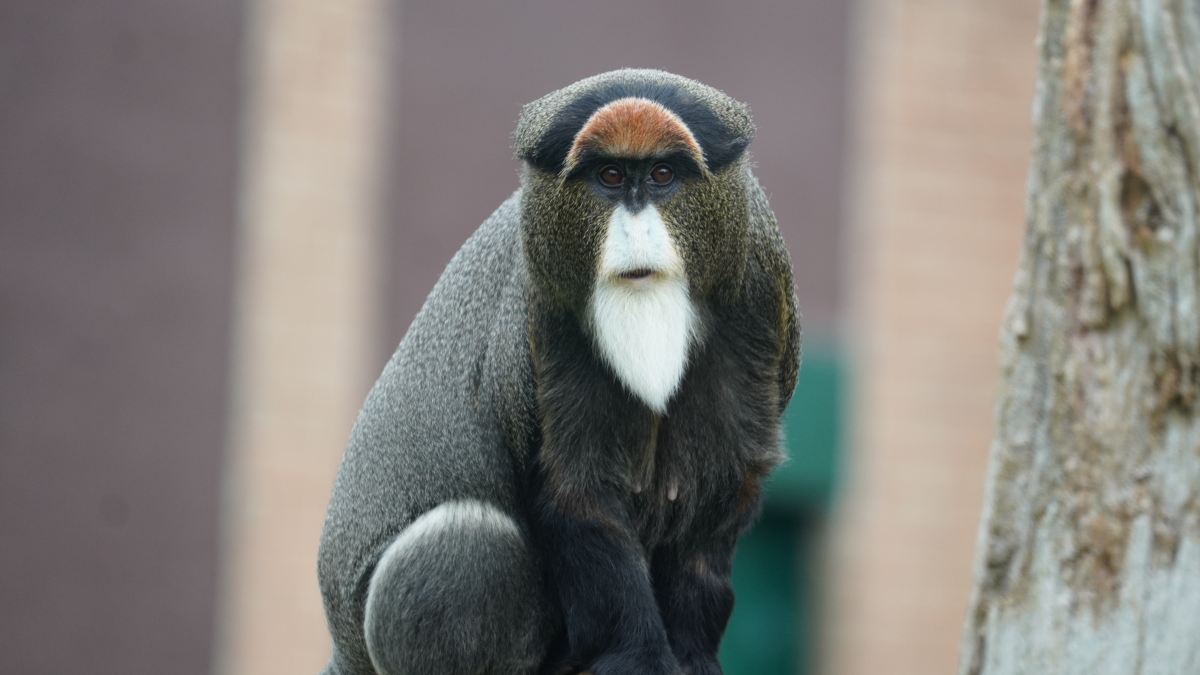
In the flooded forests and reed-filled wetlands of Central Africa, there’s a primate that often feels more rumor than reality. The De Brazza’s monkey, Cercopithecus neglectus, creeps through its swampy home that even researchers struggle to confirm its presence. Its scientific name, “neglectus,” reflects this history: for generations, the species was overlooked simply because it’s so
-
The fossa’s feline disguise hides a mongoose lineage
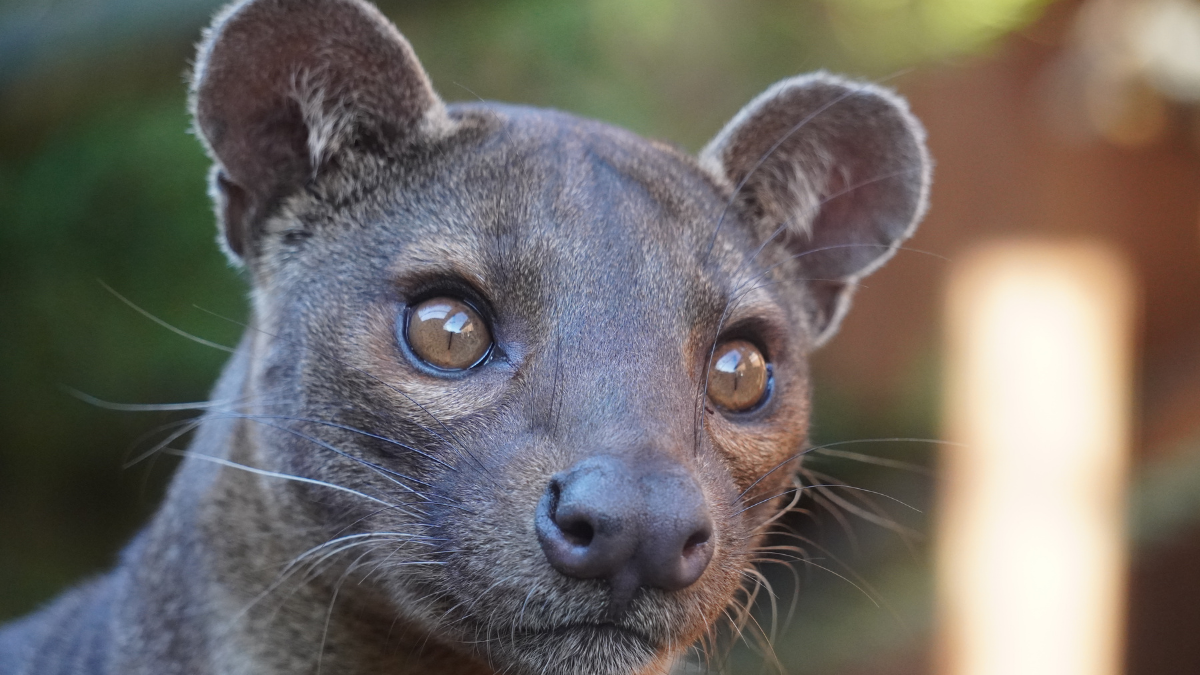
At first glance, the fossa of Madagascar could be mistaken for a sleek wild cat. It prowls through the forest on silent feet, balances with a long tail, and flashes eyes suited for night hunts. Yet despite this feline disguise, the fossa is not a cat at all. It belongs to a family of carnivores
-
The Philippine tarsier’s secret world of night vision and ultrasound
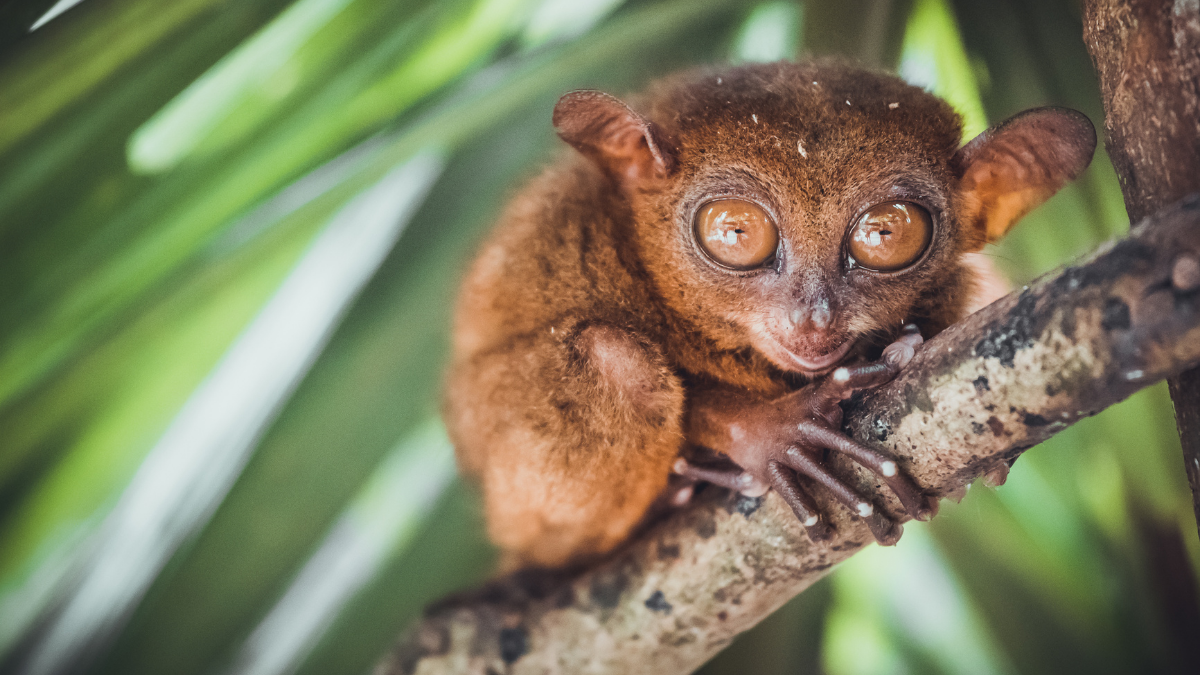
At first glance, the Philippine tarsier (Carlito syrichta) looks almost unreal. Its wide amber eyes, swiveling head, and whisper-quiet movements give it an otherworldly presence in the forests of Bohol and Mindanao. Yet this tiny primate is more than a curiosity. It’s a survivor from a deep evolutionary past and a specialist honed by millions
-
Jerboa: the desert acrobat that never drinks water
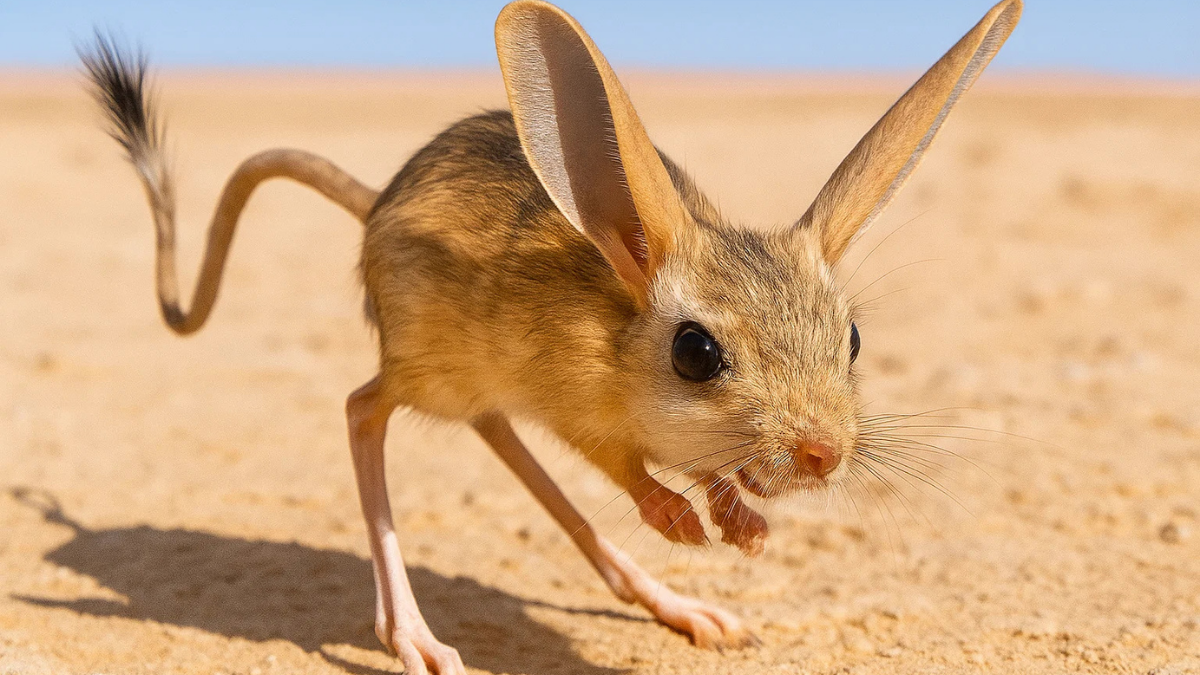
Small enough to fit in the palm of your hand yet capable of leaping more than six feet in a bound, the jerboa is one of the desert’s most unlikely survivors. Its long legs, tufted tail, and oversized ears make it look like a creature from a fairy tale, but each trait has been honed
-
“You deserved a kinder world”: swan dies after brutal attack in Portsmouth
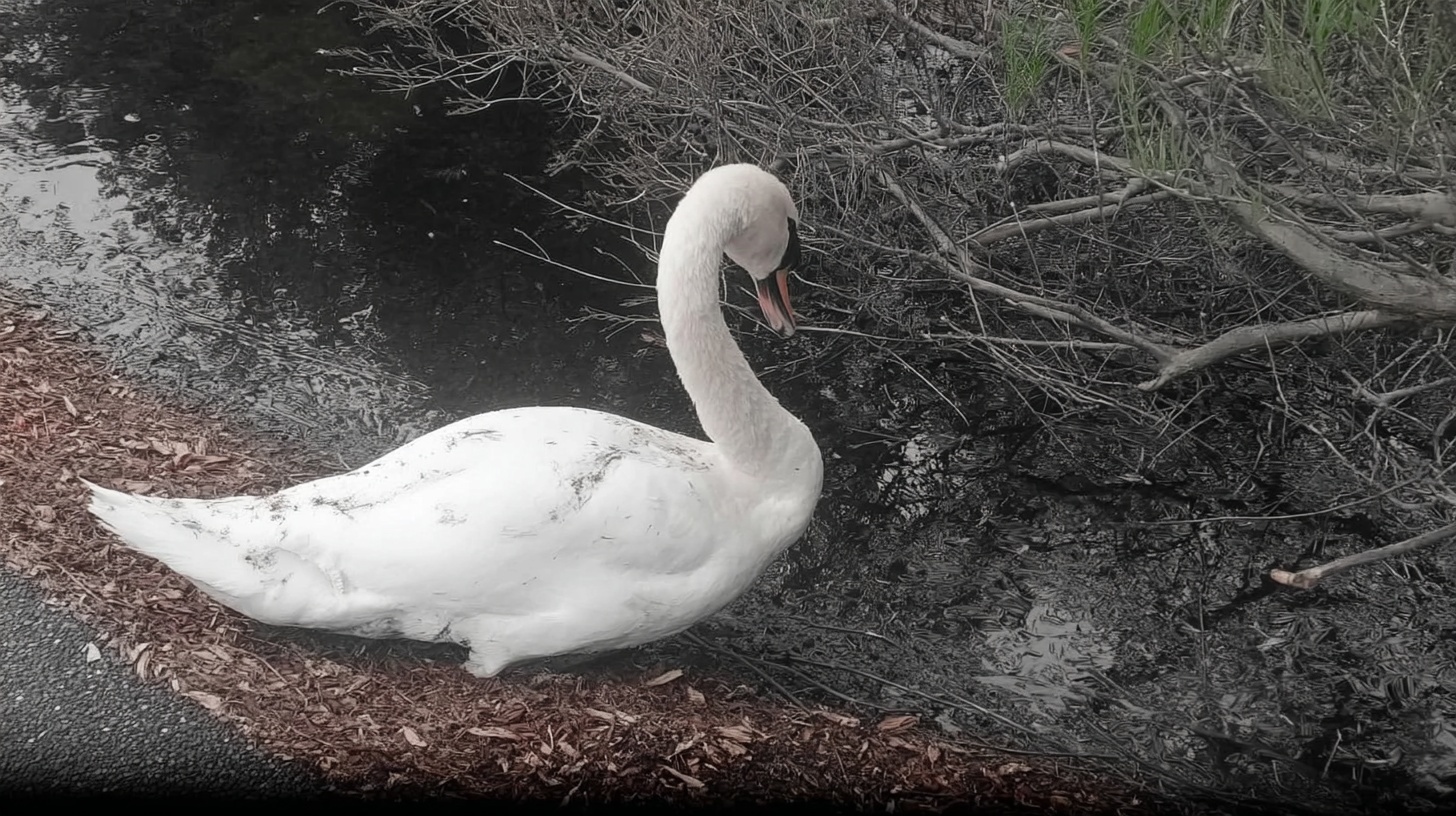
A swan that once glided across Canoe Lake in Portsmouth has died after a violent attack by children, leaving rescuers and the community reeling. The bird, a familiar sight in the park, was targeted over the bank holiday weekend in an incident that has sparked grief and anger. Witnesses told local outlets that a group
-
Narwhal tusk revealed as ocean sensor and survival tool
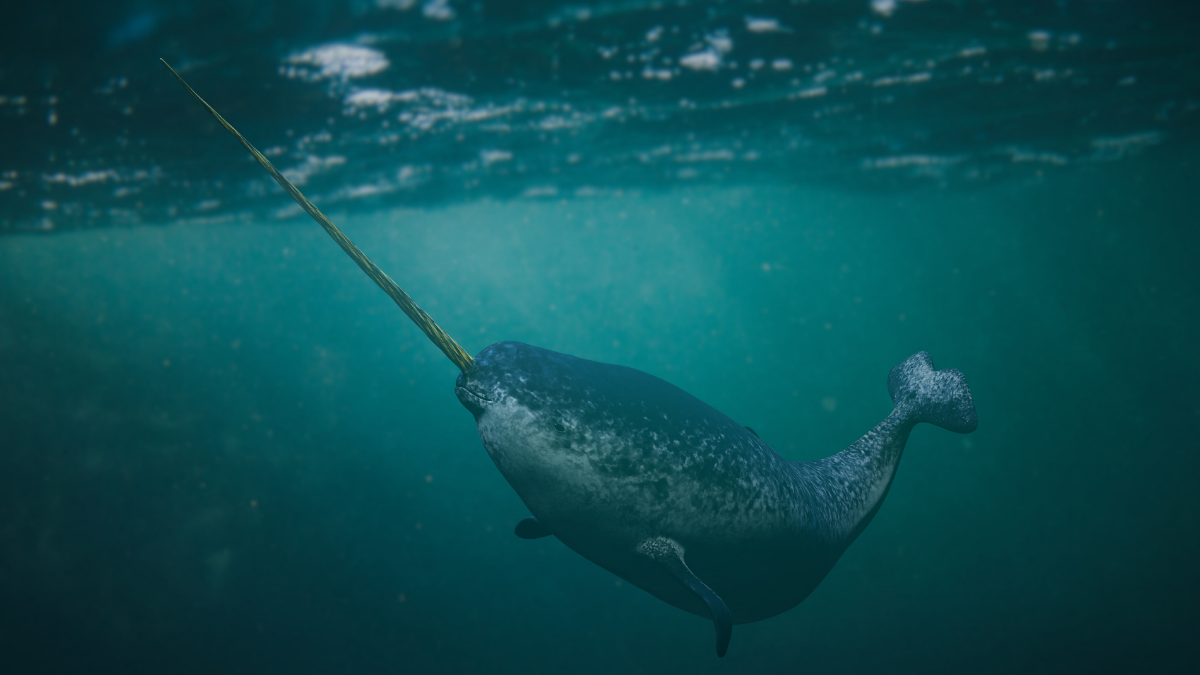
A narwhal’s tusk isn’t just a mythical unicorn horn of the sea. It’s a living tooth, spiraled and sensitive, wired with millions of nerve endings that stretch nearly ten feet into the Arctic seas. For centuries, people assumed it was a weapon or a tool for spearing fish. Modern science has revealed something stranger: the
-
Bullfighter killed in Lisbon after 1,540 lb bull slams him into wall
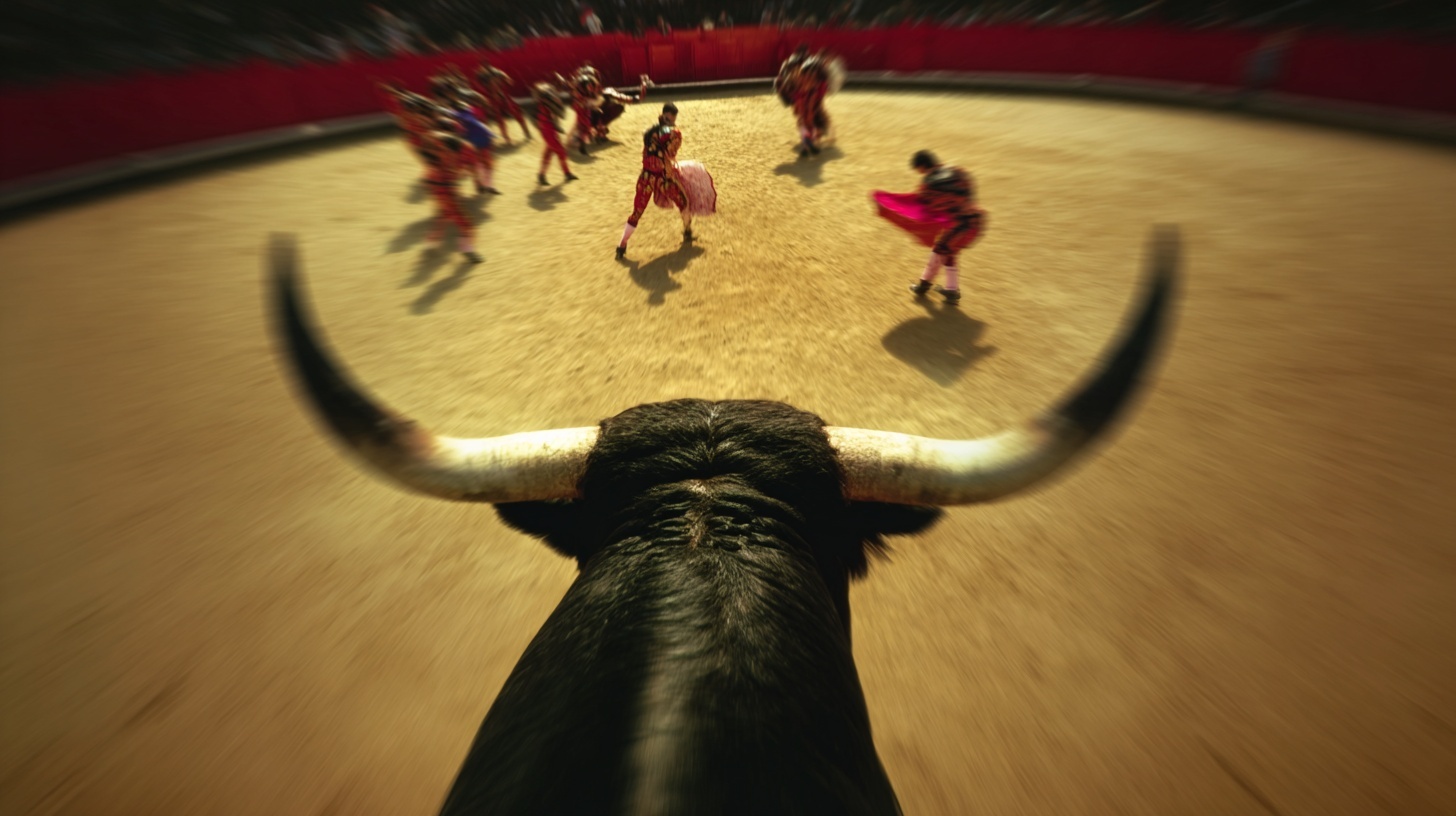
When Manuel Maria Trindade, a 22-year-old forcado making his debut at Lisbon’s Campo Pequeno arena, stepped into the ring on that summer evening, few imagined the tradition would turn so devastating. The bull, estimated at about 700 kg (around 1,540 lb), charged with such force that it lifted Trindade off his feet and hurled him
-
The pudu, the world’s smallest deer, just got even smaller
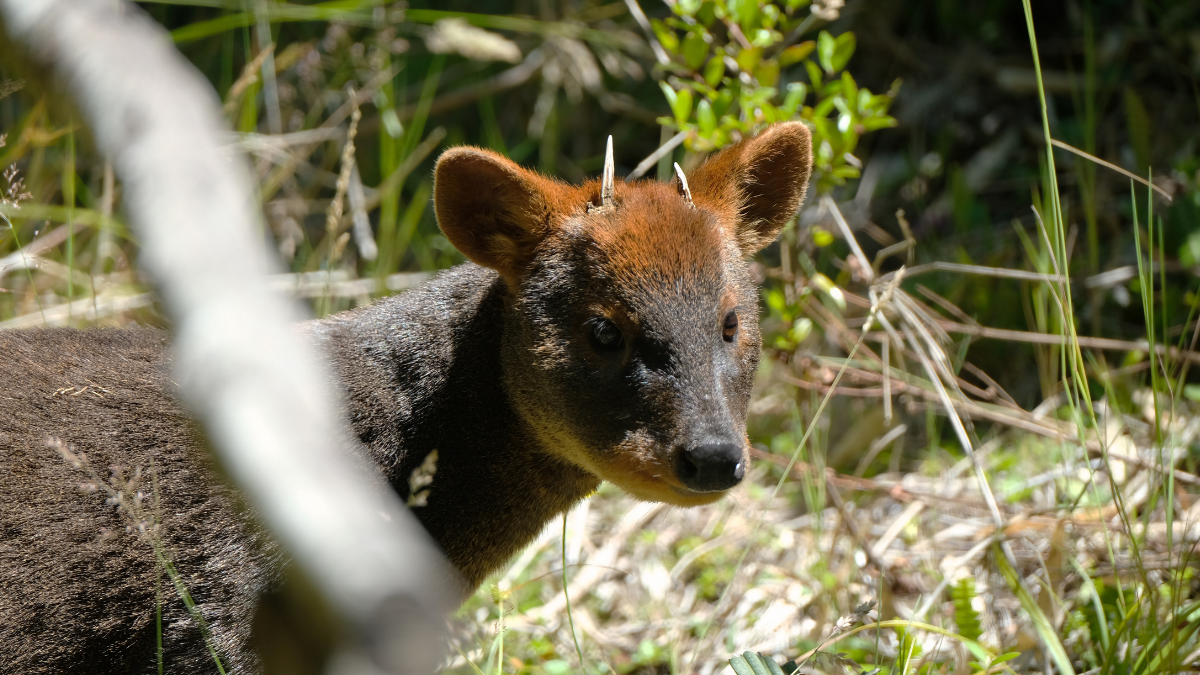
For years, the pudu has held a quirky claim to fame as the world’s smallest deer. Standing little more than a foot tall, it’s a shy forest dweller that dashes in zigzags when threatened. But scientists recently uncovered that this miniature deer isn’t just one species. It’s at least three, and one of them may
-
The tapir’s secret map of the night

At night, the South American tapir slips out of the forest like a shadow with a heartbeat. It moves on memorized paths, nose low, reading scents the way we scan street signs. Where we see only mud and leaves, it finds a living map. That map starts at the tapir’s “toilets.” Biologists call them latrines,