-
Jane Goodall, scientist who redefined humanity’s place in nature, dies at 91

Jane Goodall, who died on October 1, 2025 at the age of 91, changed how humanity understands animals, and in doing so, how we understand ourselves. Her life’s work revealed that chimpanzees are not simply creatures of instinct, but beings with emotions, intelligence, and social bonds that echo our own. From her earliest days in
-
National parks caught in the crossfire of the shutdown

As the 2025 government shutdown stretches into its first week, America’s national parks sit in uneasy limbo. The Department of the Interior announced that most parks would remain open, but with only a fraction of the usual staff. Roughly 9,300 of the National Park Service’s 14,500 employees have been furloughed, leaving just a third of
-
7 Hairy Frogfish types that show nature’s wildest camouflage in action

The hairy frogfish is easily one of the ocean’s oddest masters of disguise. With its scruffy filaments, squat body, and knack for vanishing into coral, algae, or even rubble, it’s proof that evolution sometimes gets downright creative. Let’s look at seven types of hairy frogfish, each with its own wild way of hiding in plain
-
Why this “popcorn-scented” animal is vital to rainforest ecosystems

High in the canopy of Southeast Asia’s rainforests lives a creature that smells like movie night. The binturong, also called the bearcat, releases an aroma of buttered popcorn thanks to a unique chemical compound in its urine. It’s an odd detail that grabs attention, but behind the quirk is a story about survival, ecology, and
-
First-ever footage shows leopard shark ‘three-way’ in New Caledonia
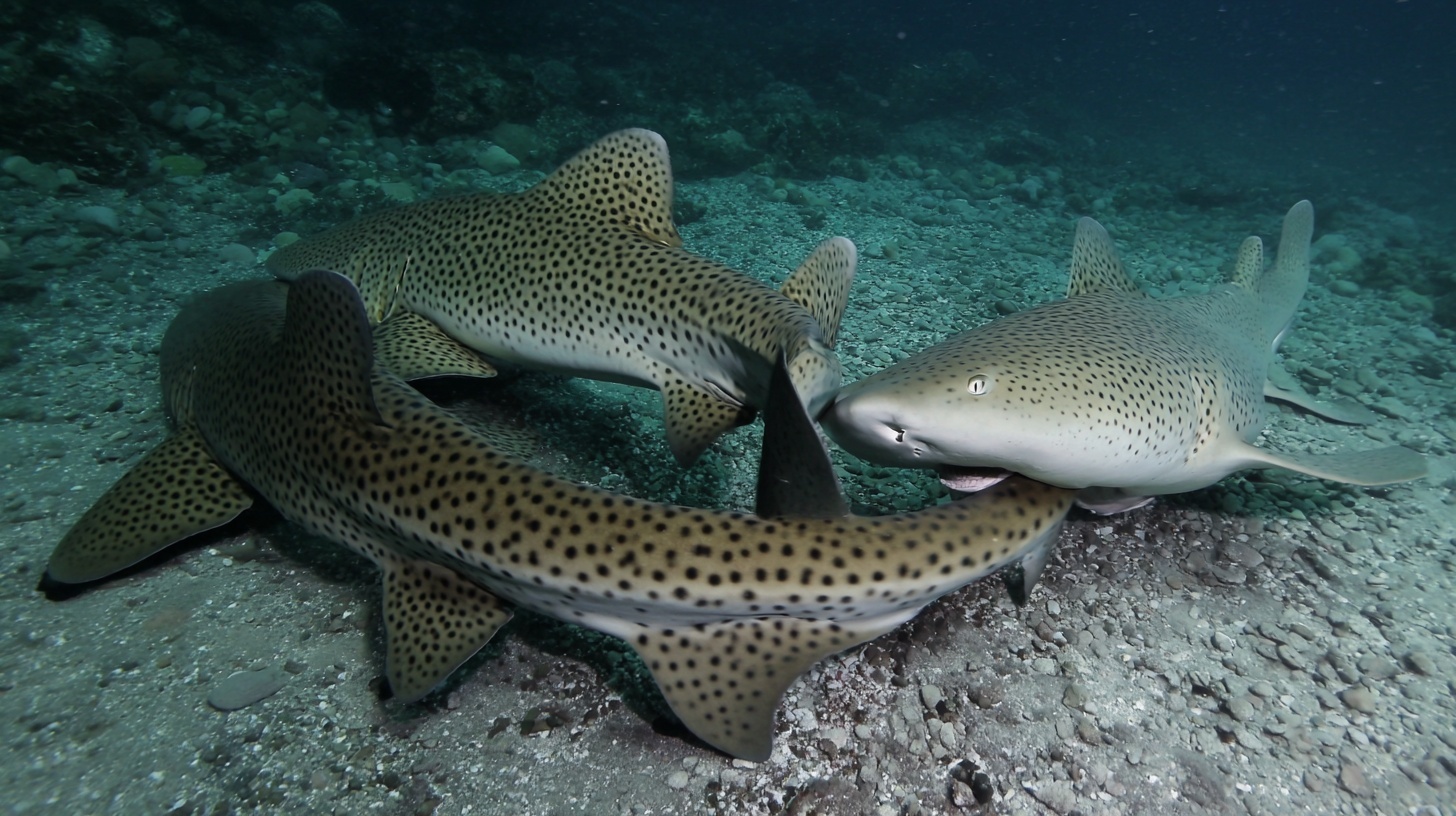
In the turquoise waters off New Caledonia, scientists recently recorded a moment never before seen: two male leopard sharks mating in succession with a single female. The rare sequence, captured on film, marks the first documented case of this endangered species reproducing in the wild. Dr. Hugo Lassauce of the University of the Sunshine Coast
-
Human-sized bat? The truth about the golden-crowned flying fox
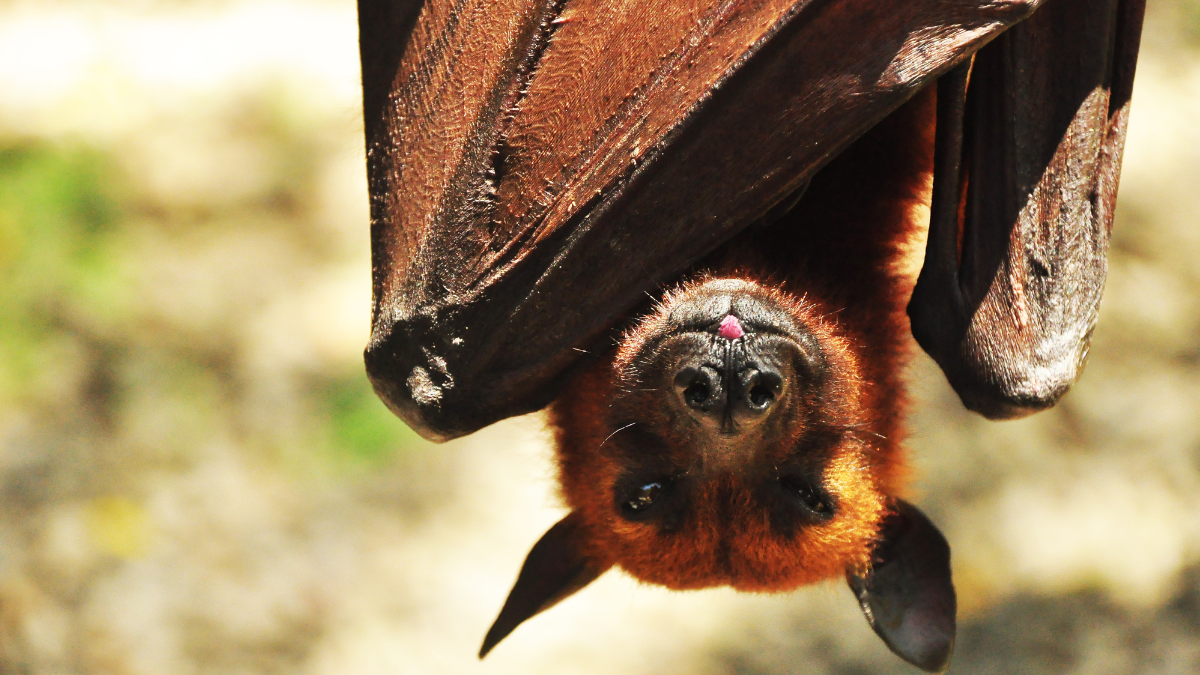
When a photo of a bat hanging from a wire in the Philippines went viral a few years ago, the internet erupted in disbelief. Was this creature real? It looked almost human in size, a cloaked figure with leathery wings and a fox-like face. The truth is stranger, and in some ways, more fascinating: the
-
Ghosts of the swamp: De Brazza’s monkeys and their silent world
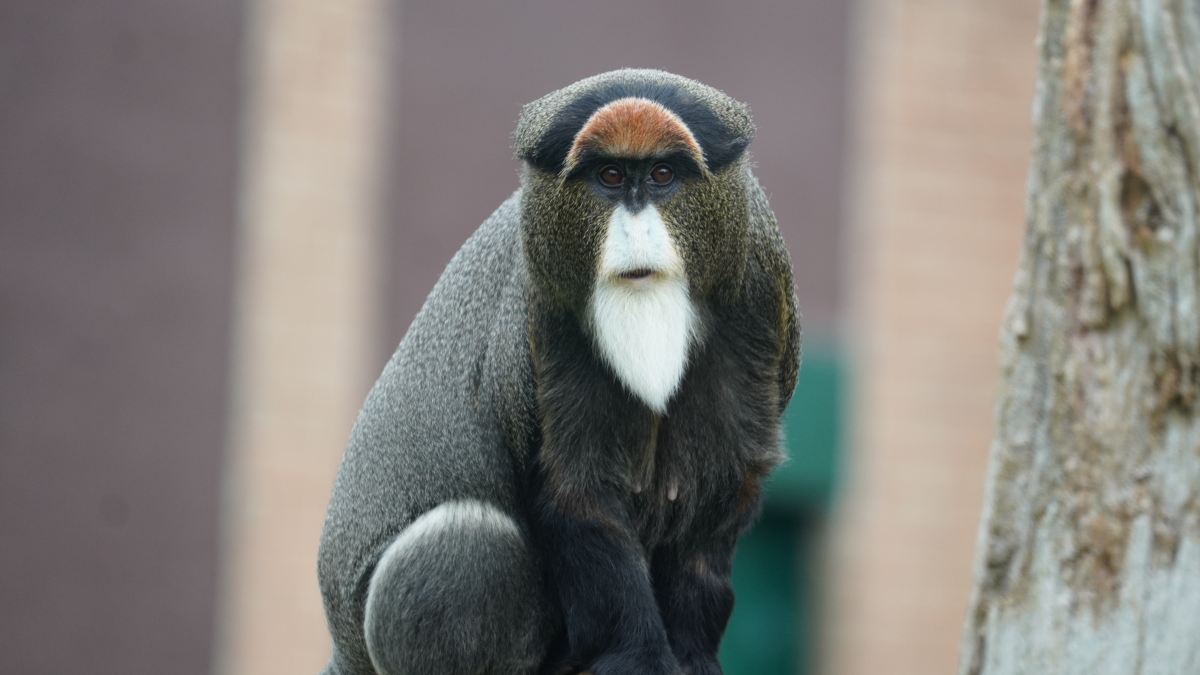
In the flooded forests and reed-filled wetlands of Central Africa, there’s a primate that often feels more rumor than reality. The De Brazza’s monkey, Cercopithecus neglectus, creeps through its swampy home that even researchers struggle to confirm its presence. Its scientific name, “neglectus,” reflects this history: for generations, the species was overlooked simply because it’s so
-
The fossa’s feline disguise hides a mongoose lineage
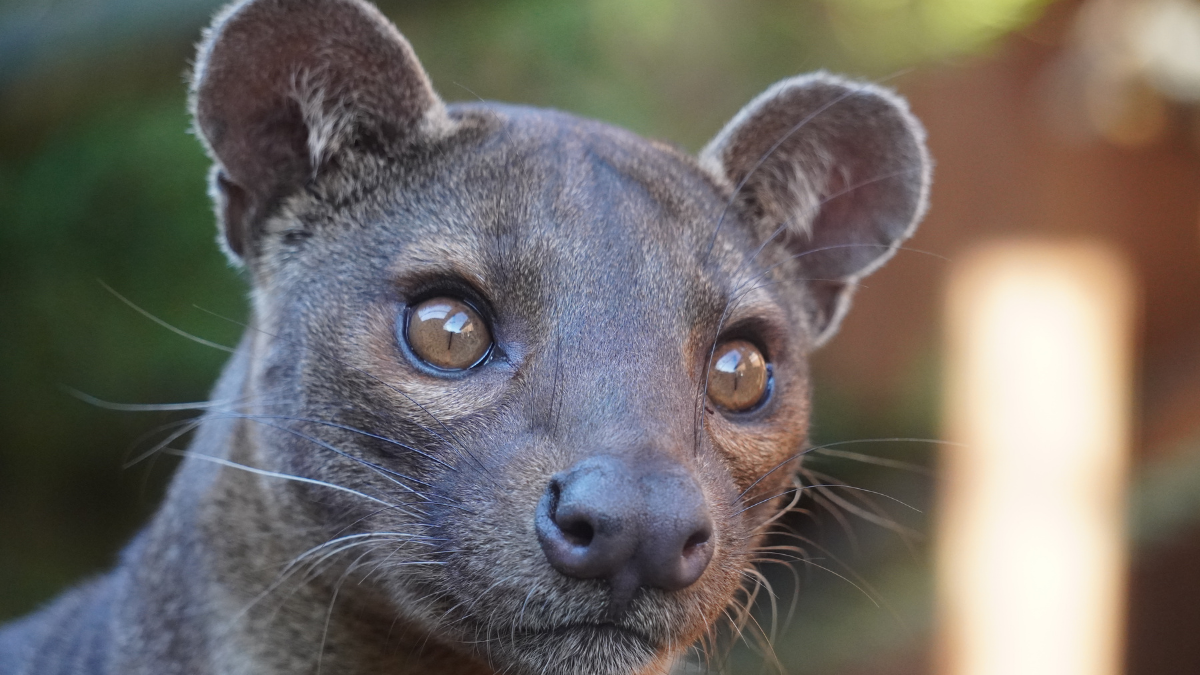
At first glance, the fossa of Madagascar could be mistaken for a sleek wild cat. It prowls through the forest on silent feet, balances with a long tail, and flashes eyes suited for night hunts. Yet despite this feline disguise, the fossa is not a cat at all. It belongs to a family of carnivores
-
The Philippine tarsier’s secret world of night vision and ultrasound
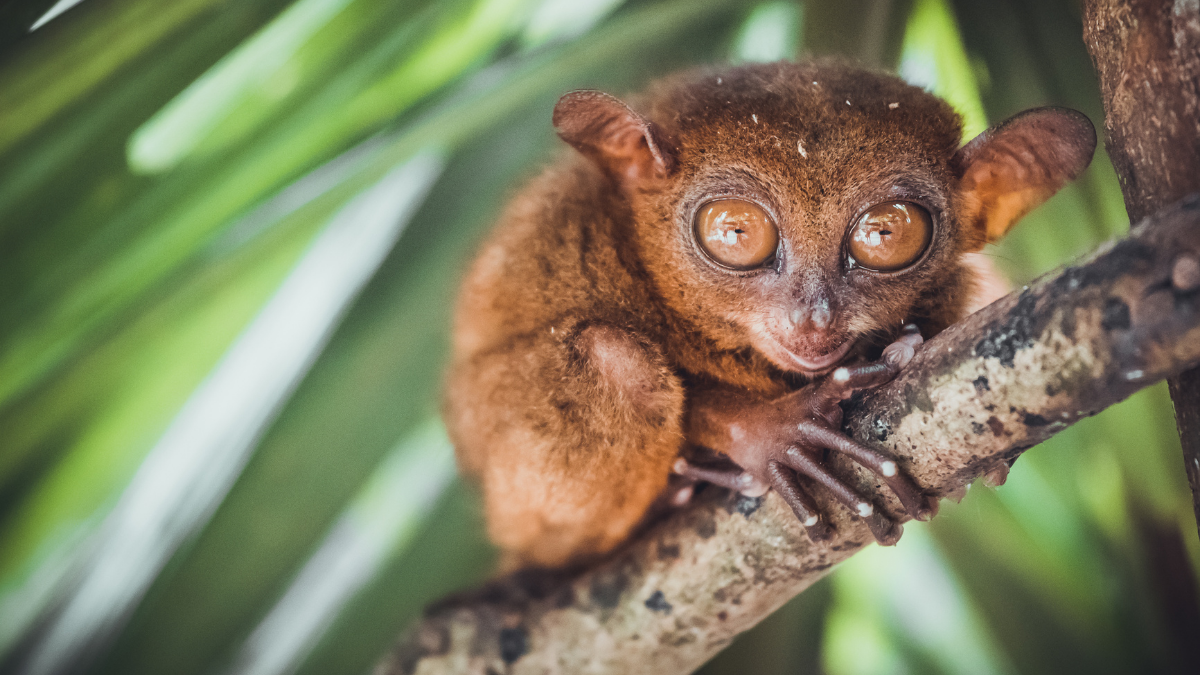
At first glance, the Philippine tarsier (Carlito syrichta) looks almost unreal. Its wide amber eyes, swiveling head, and whisper-quiet movements give it an otherworldly presence in the forests of Bohol and Mindanao. Yet this tiny primate is more than a curiosity. It’s a survivor from a deep evolutionary past and a specialist honed by millions