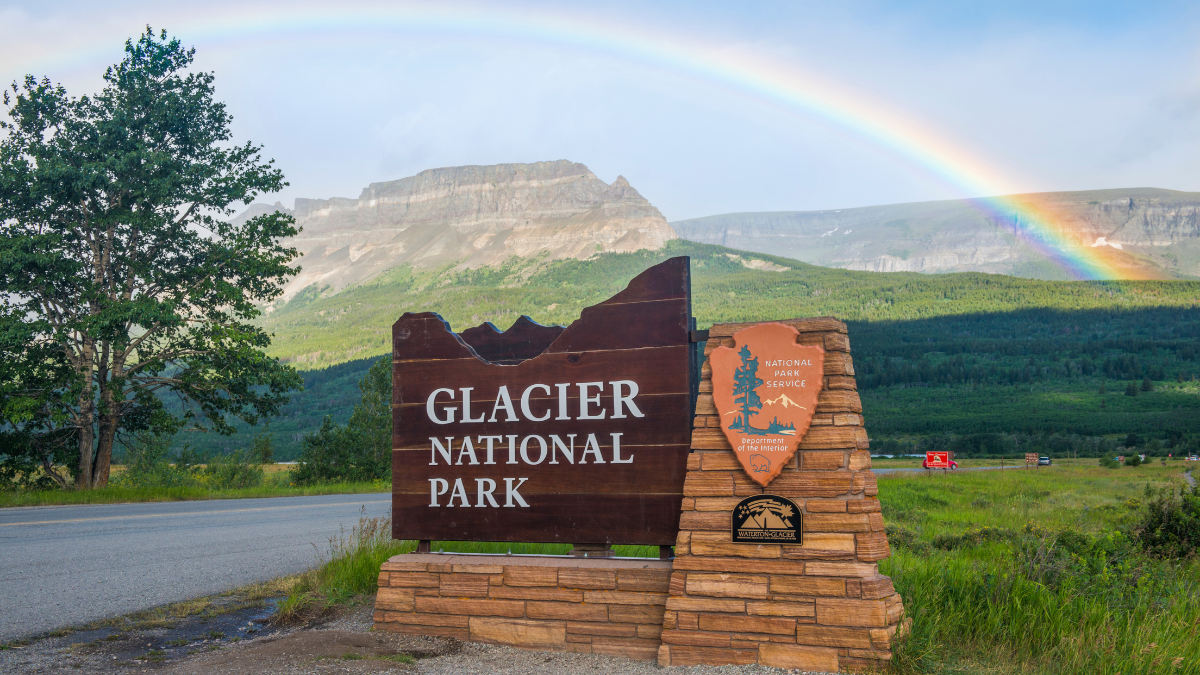
As the 2025 government shutdown stretches into its first week, America’s national parks sit in uneasy limbo.
The Department of the Interior announced that most parks would remain open, but with only a fraction of the usual staff. Roughly 9,300 of the National Park Service’s 14,500 employees have been furloughed, leaving just a third of the workforce on duty.

Roads and trails are technically accessible, but visitor centers, campgrounds, and many facilities are locked. For travelers, that means open landscapes but little else: no rangers to guide hikes, no updates on trail conditions, and no one to clean restrooms or haul trash when budgets run dry.
The administration has leaned on recreation fees to keep the basics afloat.
At parks that collect entrance fees, those funds are being diverted to cover sanitation, trash removal, law enforcement patrols, and emergency response.
In Yellowstone, concession-operated lodges and restaurants remain open, even as NPS visitor centers stay dark. At Shenandoah, Skyline Drive and campgrounds are open, but visitors must pack out their own waste and expect limited safety patrols.
Grand Canyon, long a flashpoint in past shutdowns, faces uncertainty this time as Arizona declined to step in with emergency funds as it did in 2013 and 2018.
Critics argue the plan is risky and possibly unlawful.

The National Parks Conservation Association warned, “If the federal government shuts down, unfortunately our parks should too. We know what happened last time park staff were forced to leave parks open and unprotected, and the impacts were disastrous.”
Former superintendents have also cautioned that fragile resources and visitor safety can’t be protected by a skeleton crew. They recall that during the 2018–2019 shutdown, vandalism and sanitation crises forced some parks to close mid-crisis.
This moment recalls earlier shutdowns: in 2013, parks were closed entirely, while in 2018–2019, leaving gates open without rangers led to damage and chaos. The current approach splits the difference, but observers warn it risks the worst of both worlds.

Communities and visitors under strain
Gateway communities around Yellowstone, Shenandoah, and the Grand Canyon are bracing for economic fallout.
In 2013, parks lost an estimated $500 million in visitor spending during a 16-day closure. With autumn foliage season in Virginia and wildlife watching in Wyoming now underway, small towns fear a repeat loss of tourism dollars.
As one Arizona business leader noted, Grand Canyon tourism alone brings in over $1 billion annually and supports thousands of jobs.
Even a partially open park, stripped of services, means fewer visitors and shorter stays. A Shenandoah innkeeper put it simply: “Every cancellation hurts. We depend on this season.”
For visitors still arriving, the experience is a mix of beauty and unease.

Some have adapted by bringing their own supplies or joining volunteer groups cleaning up trash. Old Faithful erupts as scheduled, Shenandoah’s hills glow red and gold, and the Grand Canyon still stuns at sunset.
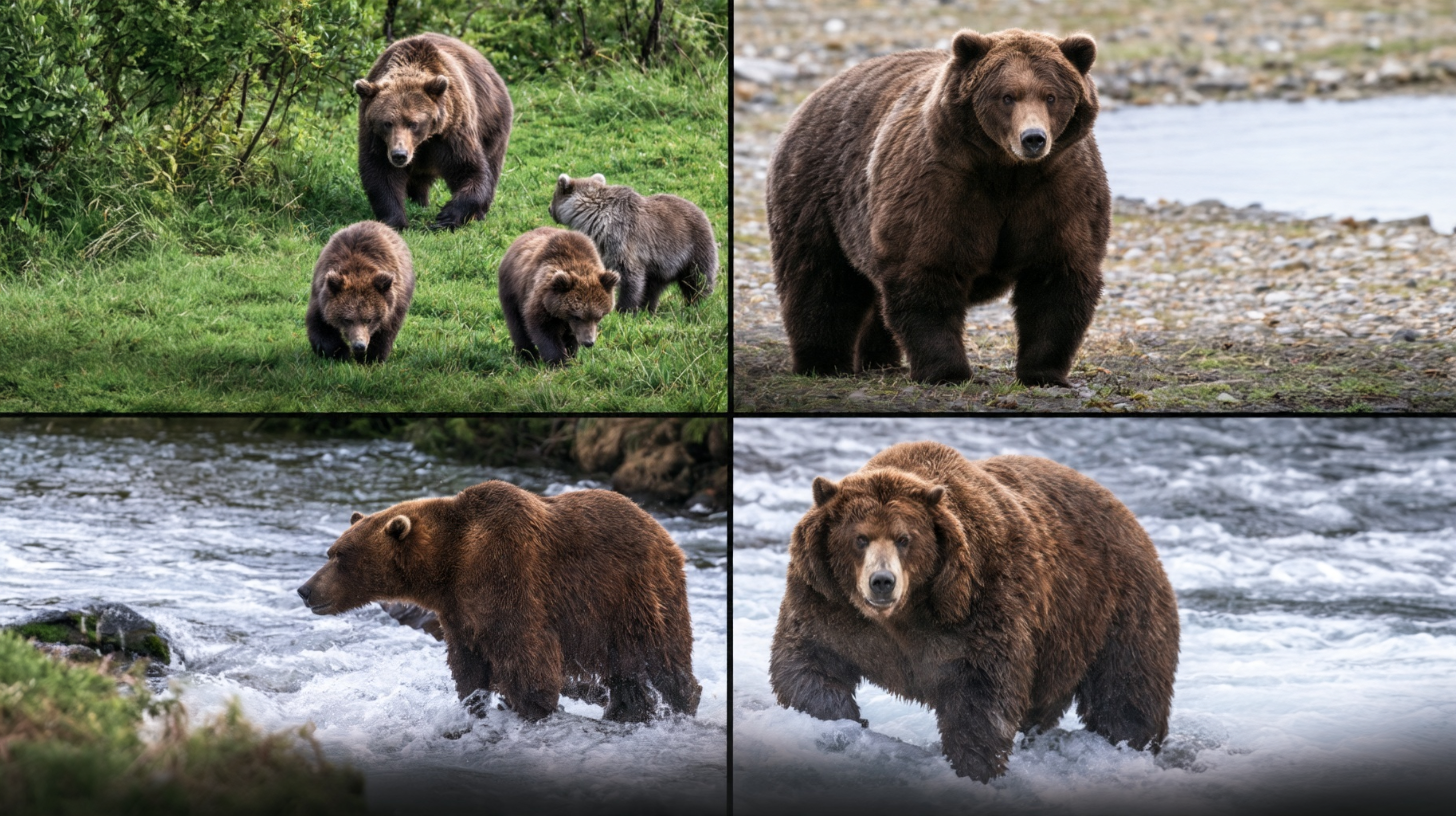
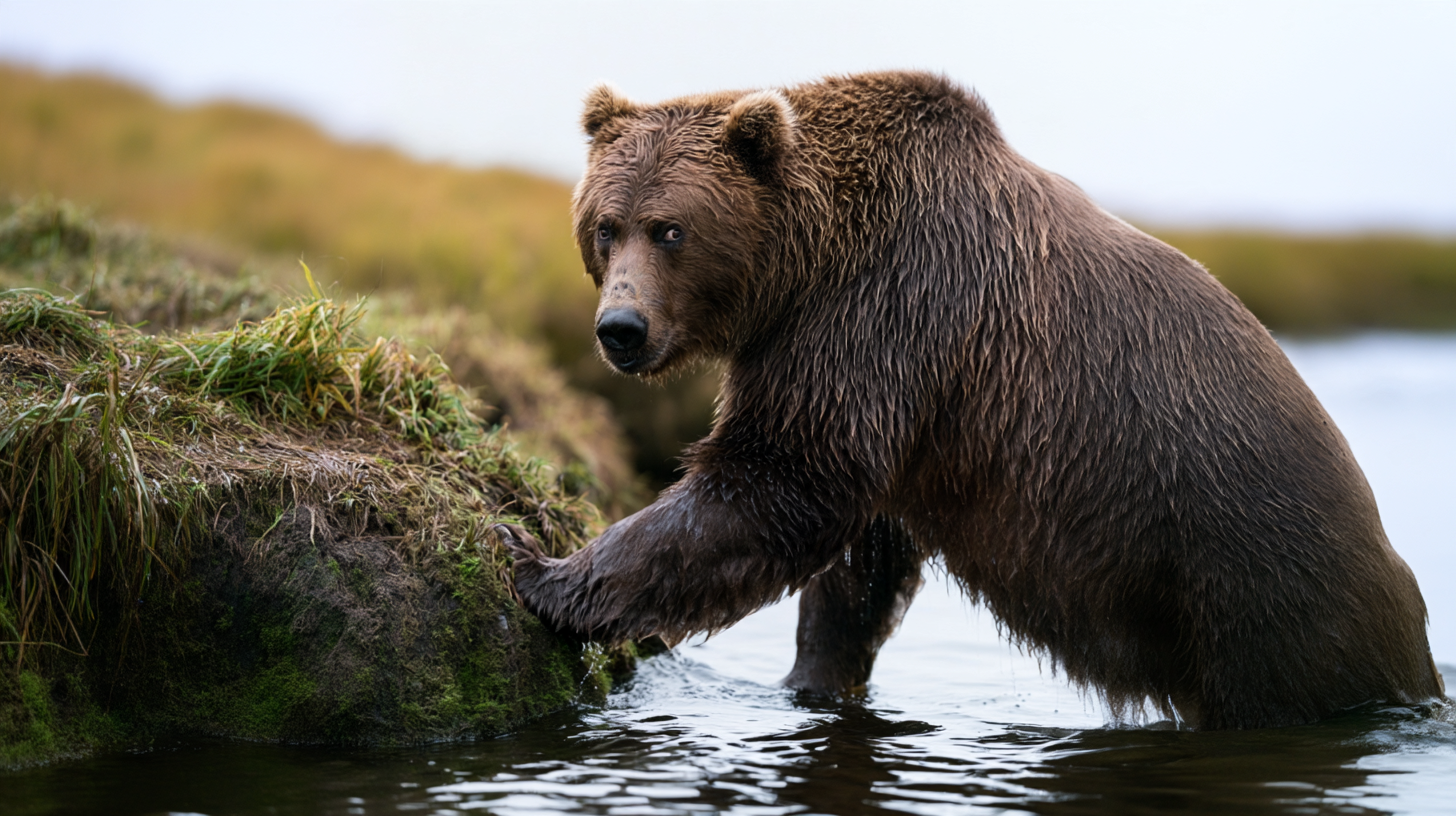
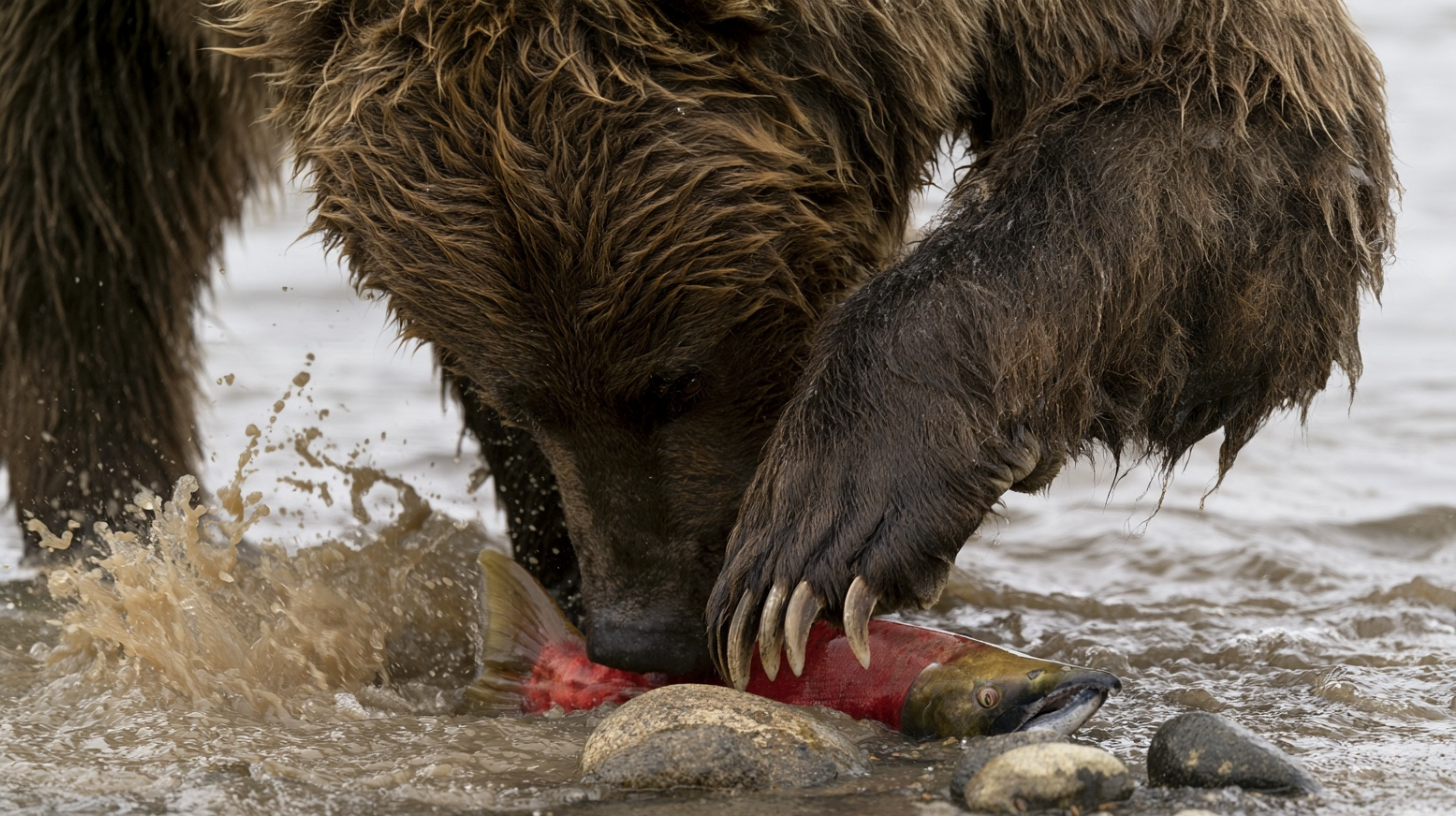
But behind the vistas are shuttered restrooms, absent rangers, and towns on edge. Lack of patrols also raises risks for wildlife, with bears drawn to overflowing trash and fragile landscapes left unguarded against vandalism.
National parks have always balanced preservation with access. This shutdown leaves both goals in jeopardy, compounded by legal questions. A previous Government Accountability Office review found that using recreation fees to cover normal operations during shutdowns was unlawful, adding yet another layer of uncertainty.
Government shutdowns affecting national parks to date
- 1995–1996: Two shutdowns under President Clinton, totaling 27 days. Parks closed, millions of visits lost.
- 2013: 16-day shutdown under President Obama. All national parks closed, an estimated $500 million in visitor spending lost.
- 2018–2019: Record 35-day shutdown under President Trump. Parks left open without staff, leading to vandalism, sanitation crises, and safety risks.
- 2025: Current shutdown under President Trump. Parks technically open with skeleton crews, fee funds diverted to cover basics, and legal controversy over the practice.
Leave a comment