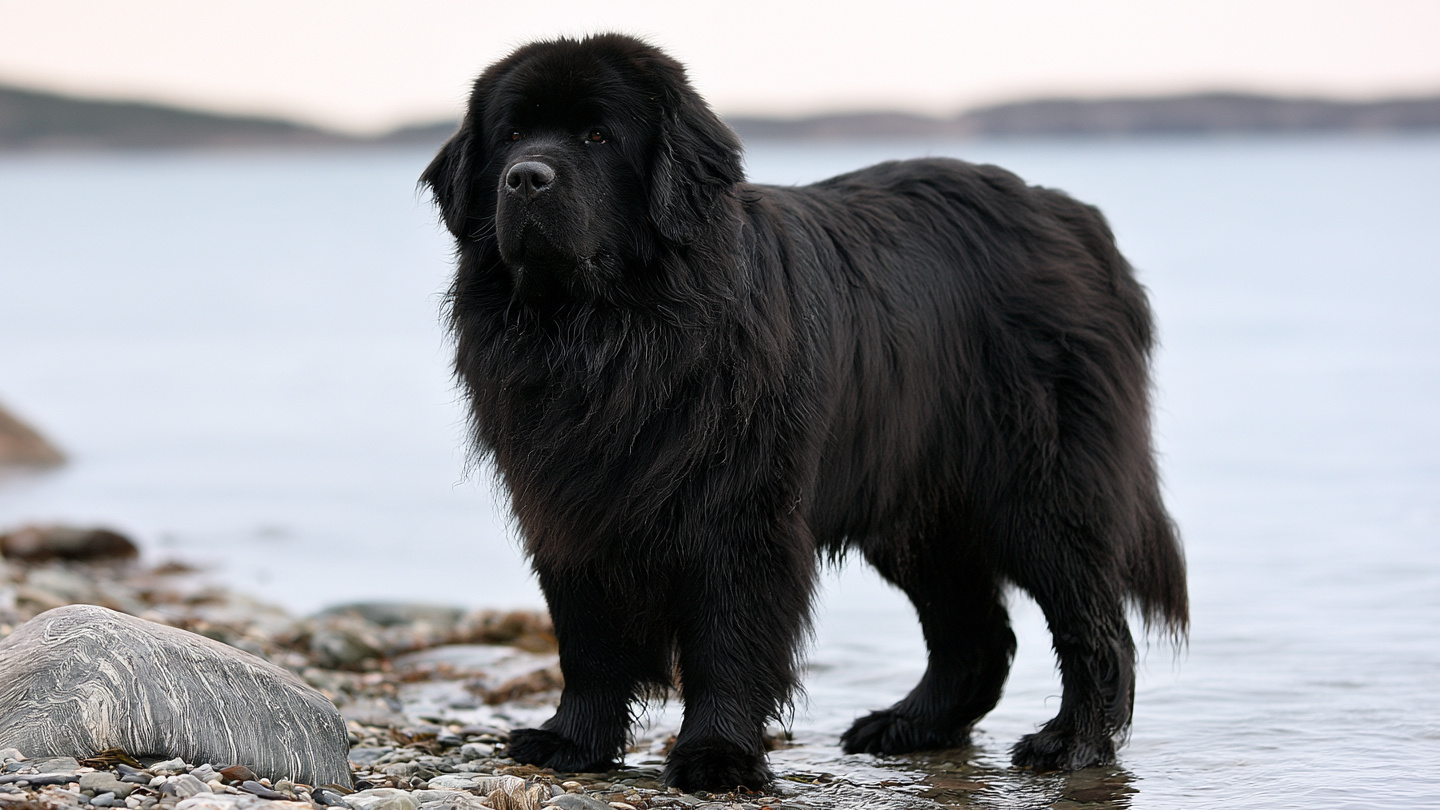
Patients arriving for an appointment in Beverly, Massachusetts, can find a 160-pound Newfoundland in the waiting room. His name is Biggie Smalls.
The dog from nearby Boxford took first place among the Working Group breeds at the 2026 National Dog Show, earning a place in the seven-dog final. Best in Show went to Rocker, a Black and Tan Coonhound.
The Greater Philadelphia Expo Center hosted the November 14 competition in Oaks, Pennsylvania. NBC televised it on Thanksgiving, November 26. Reaching that final meant advancing through the breed round and then group judging, where the winners of the Working Group breeds competed.
At the clinic, Biggie shares the welcome with Sofia, another Newfoundland, and Dave, a Petit Basset Griffon Vendéen. His co-owner, chiropractor Dr. Sheri Russell, described them as credentialed therapy dogs in an interview with The Salem News. The Russell Center for Chiropractic & Sports Medicine gives patients a chance to pet the dogs in the waiting room.
Karen Mammano handles Biggie in competition. Show records list him under the considerably longer name GCHG Bowater’s Love Your Flashy Ways at Annisquam Light. His everyday name references the rapper The Notorious B.I.G.
The Working Group designation comes from what a breed was developed to do. It includes dogs with histories of guarding, pulling loads and rescue. Judges assess each dog against its own breed’s standard, looking at characteristics such as structure and temperament.
A large dog with a working history
For Newfoundlands, that history leads back to the water. On the Canadian island that gave the breed its name, the dogs helped fishermen haul nets and move loads. Their webbed feet and water-resistant double coat suit a life that involves swimming as well as work on shore.

The Newfoundland Club of America keeps that heritage active through water tests. Dogs may be asked to retrieve a life jacket, take a rope to a swimmer or tow a boat. Each exercise requires training and cooperation with a handler. The tasks give a practical sense of the strength and responsiveness associated with the breed.
The official Newfoundland standard describes a strong, balanced dog and gives special importance to a sweet disposition. It lists adult males at approximately 130 to 150 pounds, putting Biggie above that range at his reported weight. The same standard emphasizes sound structure and efficient movement alongside size.

Newfoundlands can be gentle family companions. Prospective owners also need to think through life at this scale, especially with children or smaller pets. The breed club flags accidental injuries as a concern when Newfs play without accounting for their bulk. Living with a Newf means teaching a very large animal how to share space with everyone around it.
It also means making time for the coat. Newfoundlands shed heavily and need regular brushing. The club’s grooming guidance says bathing and drying an adult can take a couple of hours or more. Add drool and regular exercise, and the picture becomes more demanding than a few minutes of immaculate show-ring presentation suggest.

Then there’s the food bowl. Biggie’s exact daily portions haven’t been confirmed. For dogs generally, the useful comparison is calories: a cup of one food can provide a different amount of energy from a cup of another. Veterinary guidance treats feeding directions as a starting point, with portions adjusted to the individual dog’s weight and body condition.
Even sociable dogs need breaks from attention. Reading a dog’s body language can help handlers notice when a dog is comfortable and when it needs space.
Russell has made Biggie’s enjoyment a condition of continuing his show career. As she told The Salem News: “As long as he likes it and he’s healthy, he’ll dictate how far we go with this.”


Leave a comment