A gull in a parking lot and a snow leopard in the Himalayas rarely share a reading list. This year, there’s a good reason to make room for both. The most interesting new nature books stretch from animals we cross oceans to see to the living things we routinely walk past.
This year’s 12 selections range across evolutionary science, fieldwork, illustrated gifts for animal lovers, and the tangled relationship between people and places. Some offer a satisfying deep dive into one animal. Others make a familiar word, such as flower or wilderness, feel much less settled.
This page includes paid shopping links. Purchases through them may support Discvr. As an Amazon Associate I earn from qualifying purchases.
We selected these U.S. editions using verified publication records, professional reviews, award results, and available authorized excerpts. Our recommendations reflect that research, including the limits of what a sample can reveal. The list is organized around different reading interests, with a reason to choose each book.
The Story of Birds, by Steve Brusatte
Best for the big evolutionary picture
For a reader who wants one substantial wildlife book to start with, this is our first choice. Brusatte follows birds across deep time, connecting the animals outside our windows with their dinosaur ancestry. Fossil discoveries and living species become parts of the same inquiry: how did this extraordinarily varied group of animals come to be?
Brusatte’s explanation of dinosaur ancestry starts with birds a reader might recognize and works toward the relationships linking them. Familiarity becomes an advantage: everyday birds supply something to hold on to as the story moves into deep time. That accessible route into a large scientific subject is the main attraction here. A childhood fascination with dinosaurs turns out to be excellent preparation for looking more closely at a sparrow.
The book shared the 2026 National Outdoor Book Award for Natural History Literature with The Return of the Oystercatcher. Choose it for sustained explanation and an evolutionary perspective. Birders can bring their knowledge of living species to it; newcomers can arrive with curiosity alone. Its natural home is the reading chair, with a field guide waiting by the binoculars.

How Flowers Made Our World, by David George Haskell
Best for discovering the importance of plants
Put this beside Brusatte’s book and the year’s reading begins to open outward. Haskell explores flowering plants as makers of ecosystems and participants in human history, giving botanical life the narrative importance usually reserved for animals. The subject extends well beyond conspicuous blossoms to grasses and seagrasses.
A magnolia becomes a way to travel from sensory detail into evolutionary history; orchids introduce the more complicated business of cooperation and deception. These stories let readers approach large biological ideas through particular living things. A blossom’s appeal to a human observer is only the beginning of its interest.
This is a particularly promising choice for someone whose nature shelf is almost entirely animal books. Flowers offer a familiar starting point, while the larger story reaches into food, habitats, and relationships among species. The opportunity is to give plants the same close attention a favorite animal already receives. Buy it for narrative biology and the pleasure of following an idea from a nearby plant into a much bigger world.

The Ghost of the Mountains, by Kulbhushansingh Suryawanshi
Best for immersive wildlife fieldwork
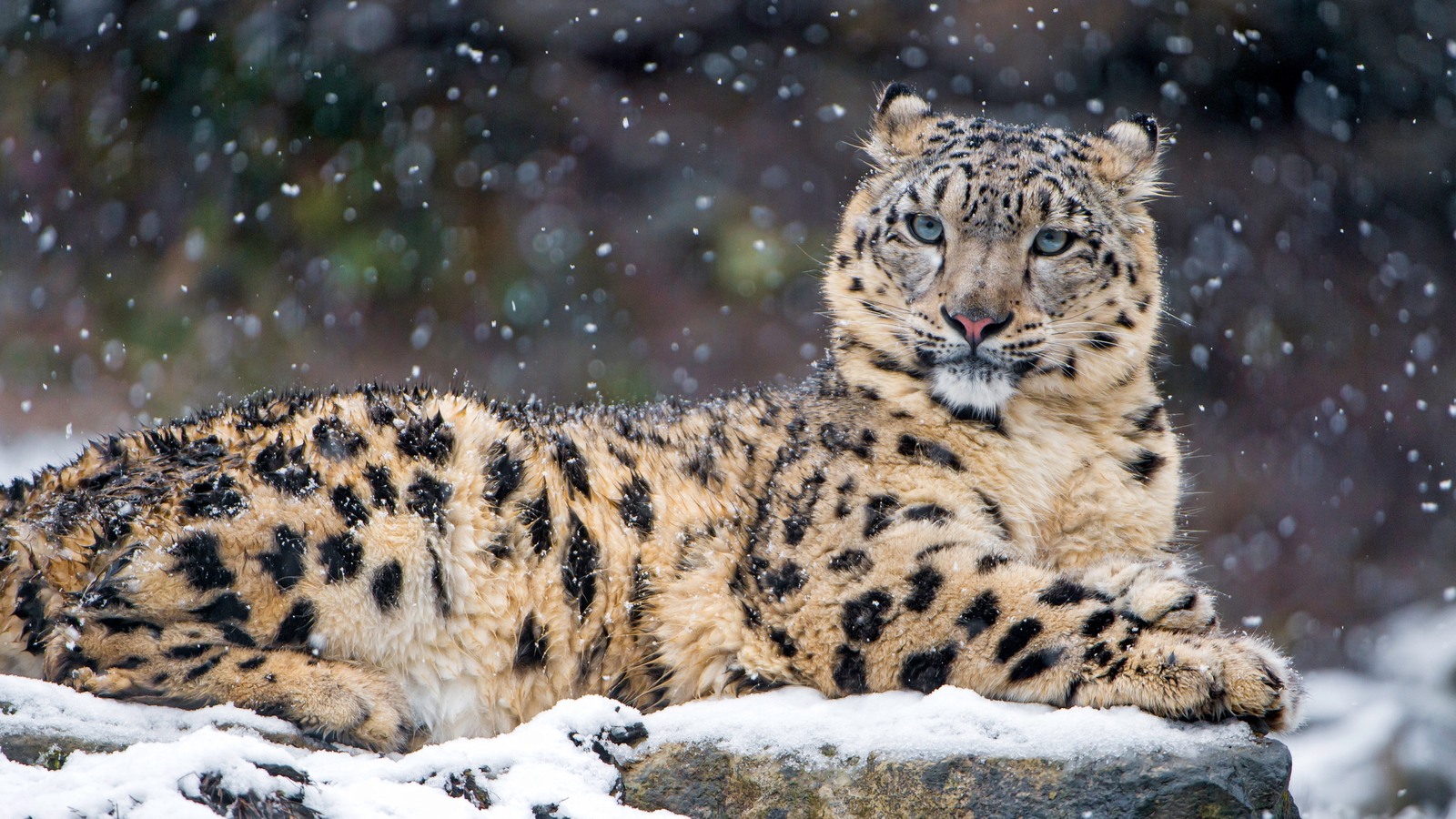
Studying an elusive animal means spending a great deal of time without seeing it. That difficulty gives Suryawanshi’s snow leopard book its most compelling premise. A scientist’s search has room for uncertainty, patient observation, and the gradual accumulation of knowledge.
In a scene set in the Spiti Valley, he’s researching blue sheep while watching for a snow leopard, with cold and distance shaping what he can learn. Fieldwork becomes something lived through, and the conditions under which observations happen become part of the story. Suryawanshi draws on roughly two decades of work with snow leopards, giving the memoir a substantial scientific foundation.
The human side matters just as much. His conservation work includes efforts to protect livestock in their nighttime enclosures, taking seriously the concerns of people who live alongside the cats. Their decisions and livelihoods belong within the snow leopard’s story. The National Outdoor Book Awards recognized it in the 2026 Journeys category. It’s our choice for readers who want to follow a researcher into a particular landscape and stay with one animal’s story.

The Book of Birds, by Robert Macfarlane and Jackie Morris
Best illustrated gift for a bird lover
Macfarlane’s writing and Morris’s paintings give this selection a different purpose from the other bird books here. It invites readers to spend time with the appearance, language, and significance of birds, with conservation concern running through the experience.
The book brings together 49 bird species whose conservation status is a concern in Britain. That geographical detail matters, especially for American buyers. A bird’s status in Britain doesn’t automatically describe its situation everywhere, and this book’s selection belongs to that regional context. Its organization around aspects of bird life, including song, flight, and migration, also signals a literary journey through the subject.
For someone who enjoys art books and nature writing equally, this is the strongest gift candidate on our list. The combination gives a reader several ways into it: a painting to linger over, an essay to sit with, or a bird to reconsider. At the 2026 Wainwright Prizes, it received the Illustrative Books award and the overall Book of the Year honor. Choose it when the act of opening a book, looking carefully, and reading a few pages is part of the pleasure you’re giving.

Wild Orcas, by Hanne Strager and Catherine DeNardo
Best for marine wildlife and photography
An orca’s outline is instantly recognizable. The differences among orca populations, and the work required to understand their lives, are a much larger subject. Whale biologists Hanne Strager and Catherine DeNardo make that the focus of this illustrated volume.
With 125 color illustrations, the book gives images a substantial role in the learning. Its scientific questions reach from the bonds within a group to the techniques researchers use to study the animals. For readers who like to move between a picture and an explanation, the hardcover offers a concentrated introduction to orca life across different populations.
The subject also carries difficult material. Captivity, predation, and pressures on wild populations sit within the scope, so the reading experience includes the realities surrounding those striking images. This is the marine counterpart to the illustrated bird selection, but with a stronger emphasis on biology and research. Choose it for the reader who already loves whales and is ready to ask more detailed questions about what different groups do, how they live together, and what threatens them.

Outsider Animals, by Marlene Zuk
Best for reconsidering the animals next door
This may be the easiest book here to connect with an ordinary afternoon. Raccoons, rats, gulls, and other animals that live around people are central to Zuk’s inquiry. Their familiarity can make them easy to dismiss, particularly when their activities interfere with ours.
An evolutionary biologist, Zuk examines the assumptions that shape those reactions. Her introduction treats encounters with unwelcome wildlife as opportunities to learn about animals on their own terms. Understanding a behavior and wanting it to happen on your property are separate matters. Curiosity can coexist with irritation.
That makes Outsider Animals a good choice for readers who enjoy animal behavior and a writer willing to complicate an easy judgment. There’s a practical appeal to the subject, too: readers can carry the questions into a neighborhood walk without planning a wildlife expedition. Of all the books on this list, it has perhaps the clearest opportunity to change which animals earn a second look on the way home.

Where wildlife, landscapes, and people meet
The Return of the Oystercatcher, by Scott Weidensaul
Best for understanding conservation in action
For readers worn down by reports of wildlife decline, Weidensaul offers a worthwhile place to put their attention: the people, decisions, and sustained work behind recovery. The title bird is an entrance into a much wider account of conservation.
His subjects include efforts involving vultures in Bulgaria and seabirds in Maine, along with habitat restoration and Indigenous stewardship. The appeal lies in seeing how protection gets done across different places and circumstances. Conservation emerges as a combination of ecological knowledge, land decisions, persistence, and relationships among people.
The book shares the year’s National Outdoor Book Award for Natural History Literature with The Story of Birds. The two would make a useful pairing: one supplies evolutionary perspective, the other follows attempts to protect living populations. Weidensaul’s examples give readers something specific to think about when they encounter a conservation proposal. Recovery still depends on particular actions and conditions. Choose this if your central question is what people can actually do, and you’re interested in the details behind the answer.

The Savage Landscape, by Cal Flyn
Best for questioning what wilderness means
Calling a landscape untouched can close a conversation before it begins. Flyn opens it again, using travel and history to examine the ideas people attach to wilderness and the human lives those ideas can obscure.
This is the book for someone who wants to think harder about a beautiful view: who has lived there, who has shaped it, and what a particular account of its history leaves out. Those questions can change how a reader understands conservation, tourism, and their own desire to find somewhere that feels remote. The argument asks for sustained attention, with the current U.S. edition running to 448 pages.
Its 2026 Wainwright Conservation Writing award gives it a strong place in the year’s conversation. There’s also a fair reservation to retain: Kirkus found the prose occasionally overworked. Readers who enjoy reflective travel writing may welcome the ambition, while someone looking for brisk natural-history explanations could be happier starting elsewhere on this list. Choose Flyn for the ideas and the willingness to examine a cherished concept closely, including the histories that can disappear behind a scenic description.

In Trees, by Robert Moor
Best for literary nature writing
Moor approaches trees through biology, travel, personal experience, history, and philosophy. That breadth is the attraction. A reader follows a line of inquiry that can branch from the physical living thing into the ways people understand their own lives.
A move to British Columbia from New York City gives the book a personal setting. Elsewhere, a sequoia climb brings the physical experience of trees into an inquiry that also moves through history and philosophy. That mix of travel and reflection is likely to matter more to the intended reader than a tidy progression through botanical facts.
There’s a particular kind of reader for this: someone happy to pause, follow an association, and let a familiar subject become stranger. A forest can supply the starting point for several kinds of curiosity at once. In Trees looks especially well suited to that appetite. Give it to the person who underlines passages in nature books and returns to them later. Readers whose first interest is plant identification or a concise account of tree biology have a different task in mind.

Bogland, by Merritt R. Turetsky
Best for an overlooked ecosystem
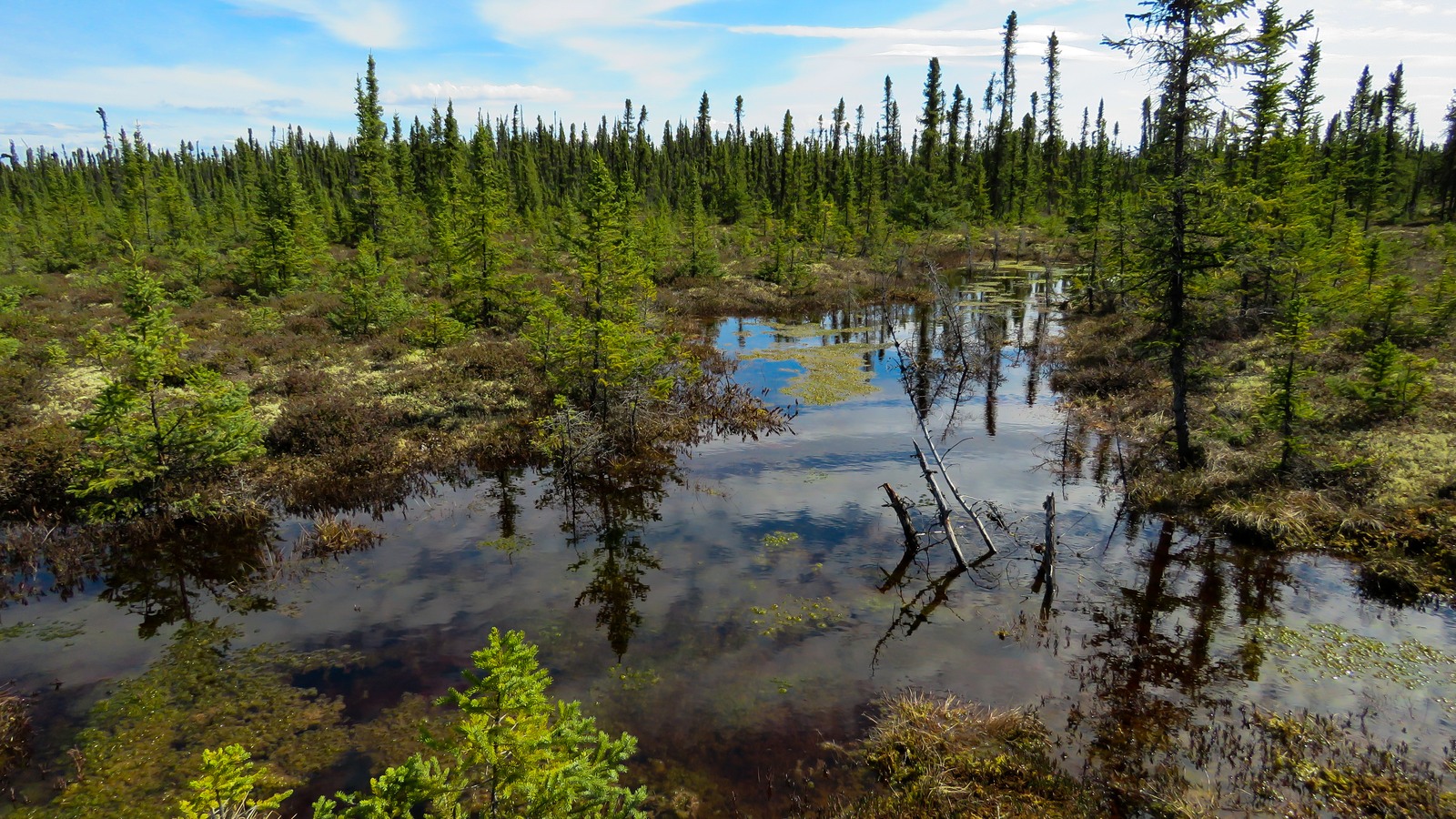
Some landscapes announce themselves with a summit or a spectacular animal. A peatland asks for another kind of attention. Turetsky brings a scientist’s field experience to places whose significance can be easy to miss, connecting ecology, environmental change, and evidence preserved from the past.
In northern Saskatchewan, the work includes revisiting marked plots to observe how vegetation changes over time. Deeper in the peat, old plant and insect remains provide clues to earlier environments. The combination gives a researcher several ways to investigate a landscape’s history. It also makes a strong case for a subject whose importance is partly concealed beneath its surface.
At 240 pages, this is one of the shorter commitments among our picks, and a useful choice for readers ready to move beyond familiar forests and wildlife. The environmental stakes remain part of the reading. Damage and loss accompany the discoveries, and the book asks readers to care about the future of these places. Choose it if you like field science, hidden history, and the feeling of acquiring a reason to pay attention to somewhere you might once have passed by.

Tending the Vines, by Ashia S. Ajani
Best for plants, history, and belonging
Ajani builds this book around eight plants, bringing botanical life into conversation with Black history, movement, land, and belonging. The result gives the list a different set of questions: how do plants carry histories, and what can their journeys reveal about people’s relationships with a place?
Eucalyptus, passionflower, wild mustard, and kudzu are among the subjects. Ajani follows the histories of these plants into an argument about Black experience, using their movement and survival as metaphors. Botanical details share space with questions about whose experiences enter an account of the natural world. It’s a promising choice for someone who wants nature writing to engage directly with culture and identity.
The plant-centered structure offers a manageable way into large questions, but the interpretation matters as much as the species information. That is the reason to choose it. Readers drawn to essays, environmental history, and writing about belonging may find a stronger fit here than in a conventional survey of botanical science. Alongside Haskell’s evolutionary account, Ajani’s book makes a useful reminder that there are several productive ways to tell a story through plants, each bringing different experiences into focus.

Togetherness, by Rowan Hooper
Best for the relationships connecting living things
After birds, flowers, orcas, and peatlands, Hooper offers a way to consider life through its connections. Symbiosis is his subject, with relationships involving figs and wasps, corals and their partners, among the routes into the science.
The appeal is the shift in attention from an organism to what happens between organisms. For readers who enjoy finding connections across different branches of natural history, that opens a broad field of possibilities. It also makes this a fitting companion to several other books here, particularly Haskell’s exploration of flowering plants.
The recommendation comes with a clear qualification. A recurring reservation in the Kirkus and Publishers Weekly reviews concerns focus: Hooper’s broad interests can pull attention away from his central subject. The natural-history material wins praise, but readers should be willing to follow some detours. Choose Togetherness if you enjoy a science book that reaches into wider territory. For a more contained reading project, the snow leopard or orca books offer a firmer center. Here, the attraction is a broad collection of relationships to explore and the possibility of finding connections between topics you usually read about separately.

For a first purchase, we’d start with The Story of Birds for wildlife science, The Ghost of the Mountains for a field narrative, or How Flowers Made Our World for a fresh interest in plants. For a gift, the choice between The Book of Birds and Wild Orcas depends on whether the recipient leans toward art and language or marine biology. And if their shelves already hold plenty of books about celebrated wildlife, Outsider Animals or Bogland offers a less predictable addition.
Leave a comment