Finn Oakley has spent over five years as a nature and science writer at Discvr.Blog, drawing on his experience at National Geographic Channel. Based in Melbourne, he’s passionate about uncovering the world’s mysteries, dreams of returning to Peru, and enjoys Aussie Bites in his downtime.
The Albino Piebald Ball Python is a striking example of genetic artistry in snakes. Originating from West Africa, this morph combines Albino and Piebald traits, leading to its unique pumpkin-like patterns.
The Albino mutation removes black pigmentation, while the Piebald trait introduces irregular white patches. These create the vibrant, pumpkin-like spots that make this morph so sought after.
Genetic Magic: How the pumpkin pattern emerges
The creation of this pattern starts with genetics. The albino piebald morph arises from recessive genetic traits. The Albino trait removes dark pigmentation due to a mutation affecting tyrosinase, an enzyme essential for melanin production. Meanwhile, Piebald genetics cause distinct patches of white on the skin. These traits produce a high-contrast pattern, often with bright orange or “pumpkin” patches against stark white.
Breeders enhance these visual effects through selective breeding, with the most striking examples showcasing a vivid contrast. Features like lavender albino hues can intensify the pumpkin appearance, thanks to the piebald pattern allowing more colored scales to emerge.
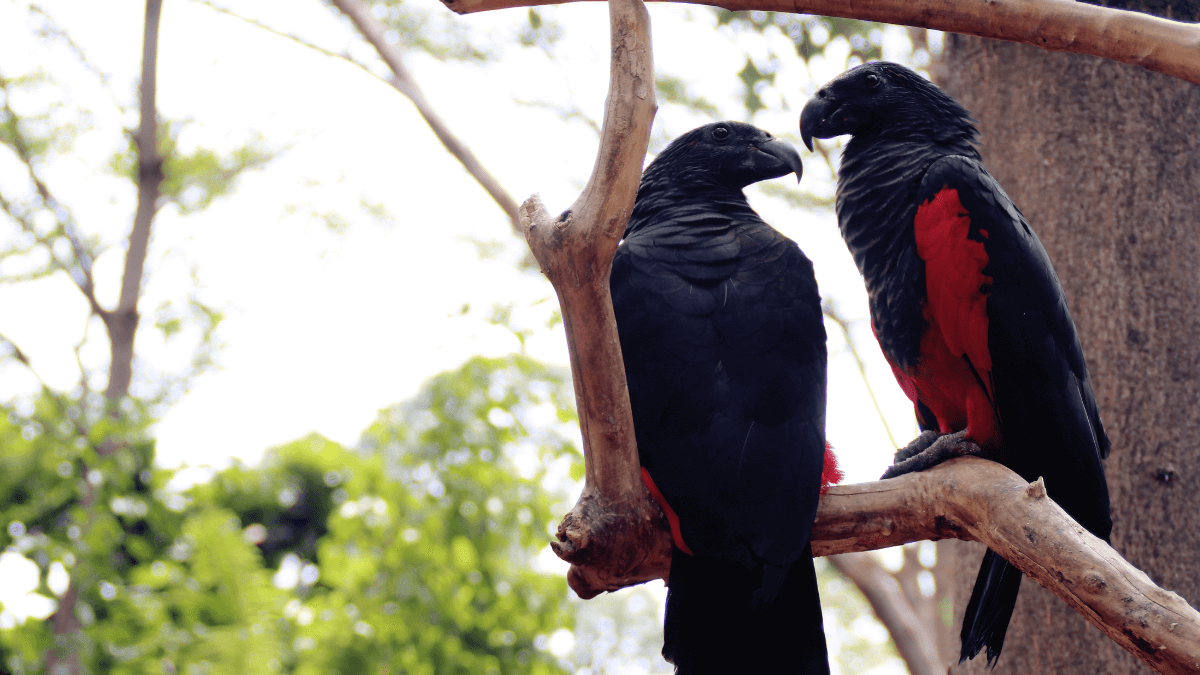
Imagine a bird that looks like it flew straight out of a gothic novel—complete with black feathers, a vulture-like head, and a scarlet cloak. Meet the Dracula Parrot, one of nature’s most mysterious and striking creatures. The Dracula Parrot, also known as Pesquet’s Parrot, stands out with its bold appearance.
Its black plumage and vibrant red feathers create a dramatic contrast, while its featherless, scavenger-like face adds a gothic touch that makes this bird feel like it belongs in a vampire movie.
Native to the rainforests of New Guinea, the Dracula Parrot is an exceptional species among parrots. Its gray scaling and red-black plumage give it a goth-like appearance seldom found in nature. This rare combination of features makes spotting the bird in the wild an awe-inspiring experience.
This enigmatic bird captures the imagination not only because of its looks but also due to its unique lifestyle. Rarely seen outside its remote habitat, the Dracula Parrot navigates the high rainforest canopies, surviving on a specialized diet of figs. Its mystique, both in appearance and behavior, continues to captivate wildlife enthusiasts and bird lovers alike.
Why The Name ‘Dracula Parrot’?
The Dracula Parrot’s name is not just for show. Scientifically known as Psittrichas fulgidus, its dark, eerie appearance—particularly its bare head—earned it the nickname. The vulture-like head is an evolutionary trait, leading to its alternate name, the Vulturine Parrot.
Its striking color pattern, featuring a scarlet belly and a combination of black and gray feathers, looks like something right out of a vampire story. The resemblance to Dracula’s cape enhances its gothic allure, but the colors serve a practical purpose. The dark plumage helps it blend into the shadows of the dense forests of New Guinea, offering protection from predators.
The Dracula Parrot, classified as vulnerable by the International Union for Conservation of Nature (IUCN) Red List, faces threats from deforestation and hunting. Its survival depends on ongoing conservation efforts to protect its rainforest habitat.
The Vulture Of The Parrot World
The Dracula Parrot, or Pesquet’s Parrot, earns the nickname “the vulture of the parrot world” due to its bare, black face and long, hooked beak, which are more reminiscent of a vulture than a parrot. Its feeding habits primarily influence this unique appearance, as it relies on sticky fruits like figs. The absence of feathers on its head prevents the fruit residue from matting its plumage.
The Dracula Parrot’s specialized frugivorous diet is a key part of its lifestyle. Native to the rainforests of New Guinea and the southwestern Pacific, the parrot thrives in these rich, biodiverse environments. Sadly, habitat loss through deforestation continues to threaten the species, making conservation efforts crucial for survival.
The Dracula Parrot’s breeding habits are equally intriguing. They nest in hollow trees, which provides security for their young. Pairs are monogamous and form strong bonds during the breeding season. While their lifespan and reproduction rates are not thoroughly studied, protecting their natural environment is essential to ensure their continued existence.
Can You Keep A Dracula Parrot As A Pet?
The Dracula Parrot, with its bold appearance and vibrant plumage, might seem like a dream pet for bird enthusiasts. However, owning one as a pet is challenging and largely restricted.
Legal Restrictions: Due to its endangered status, keeping a Dracula parrot as a pet is generally illegal in many parts of the world, including the U.S. Permits may be granted for scientific or educational purposes, but this bird is not meant for private ownership.
Cost: Even if legal, owning a Dracula Parrot would come with a high price tag. On rare occasions, costs for a parrot of this rarity can range from $800 to $900, but this does not include the ongoing care, food, and habitat setup it would require.
Care Requirements: Dracula Parrots need lots of attention and social interaction. They thrive best when they have ample space and interaction with their owners. They are not the kind of pets that can be left in a cage all day and forgotten. Their high need for companionship makes them a significant commitment for anyone considering their care.
Similar Birds: For those fascinated by the Dracula Parrot but unable to care for one, other parrot species, like the Kea, offer an engaging alternative. Keas are highly intelligent and curious, providing much of the same engaging behavior without the restrictions of owning an endangered species.
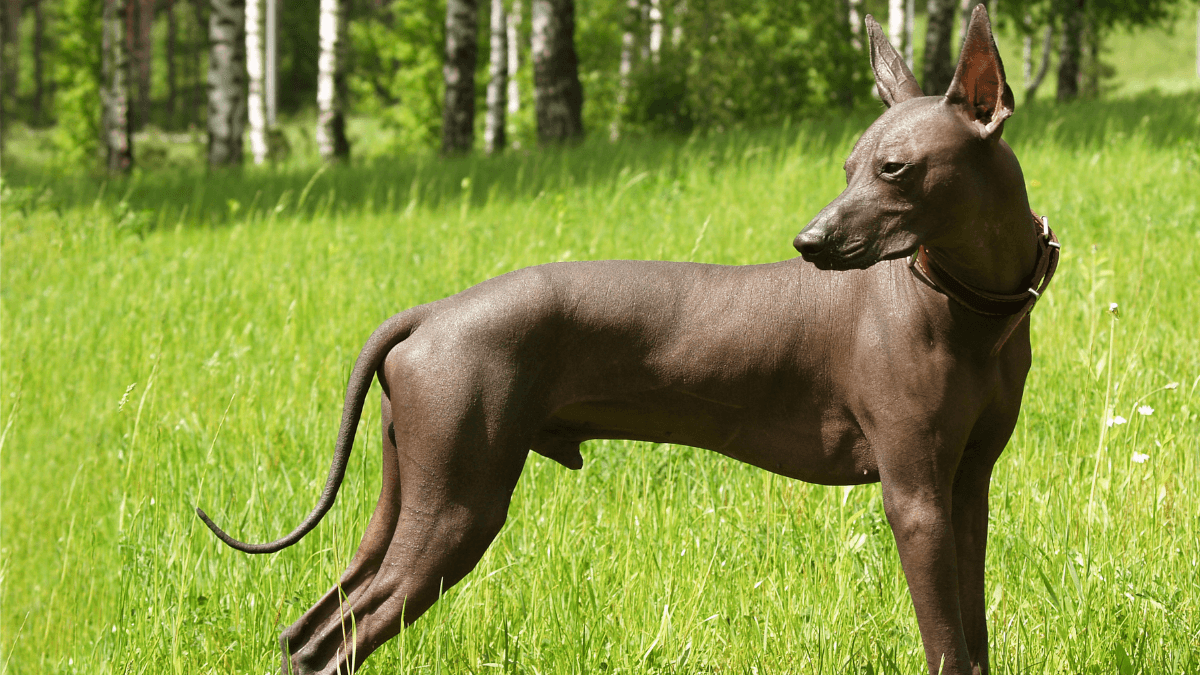
The Xoloitzcuintli, also called the Xolo or Mexican Hairless, is one of the world’s oldest and rarest dog breeds. These dogs come in three sizes: standard, intermediate, and miniature. They also appear in two varieties—hairless and coated.
Known for their calm and loyal nature, Xolos thrive as family pets while maintaining a certain elegance and agility.
The breed’s name might be a mouthful, but their unique appearance makes them unforgettable. Xolos are closely related to other small, ancient breeds like the Chinese Crested and Chihuahua. Their distinctive, hairless bodies are not just for show; historically, they served as warm companions and even believed to have healing properties.
Despite their ancient roots, Xoloitzcuintlis have adapted well to modern living. They are calm and gentle, but they also enjoy playtime and regular exercise. What really sets the Xolo apart is their striking appearance combined with a serene yet playful temperament.
The Origins of the Xoloitzcuintli: A Breed Rooted in Ancient History
The Xoloitzcuintli, often referred to as the Xolo or Mexican Hairless Dog, is one of the oldest and most primitive dog breeds in the world. This ancient breed traces its origins back to over 3,000 years ago in Mexico.
The name “Xoloitzcuintli” comes from the Nahuatl words Xolotl, an Aztec god, and itzcuintli, meaning dog. Xolotl was the god of fire and lightning.
The breed held a special place in Aztec culture. They were seen as sacred dogs and were often associated with the gods. They were believed to possess healing properties and were used in various rituals.
Research suggests that the Xoloitzcuintli may have accompanied the earliest human migrants across the Bering Strait. This highlights its importance in ancient human history.
The Xoloitzcuintli comes in three sizes: standard, intermediate, and miniature. Additionally, the breed can be hairless or coated, with both types born in the same litter.
The Xoloitzcuintli was created in Aztec mythology to guard the living and guide souls to the afterlife. This made the breed highly revered and protected in ancient Mexican society.
Despite its ancient origins, the Xoloitzcuintli faced near extinction by the mid-20th century. However, dedicated efforts in the 1950s helped revive the breed, ensuring its survival and continued prominence today.
Unique Characteristics of the Xoloitzcuintli: Appearance, Temperament, and Care
The Xoloitzcuintli, also known as the Mexican Hairless Dog, comes in three sizes: toy, mini, and standard. The breed can have hairless or coated varieties.
A hairless Xolo has a smooth, tough skin that might have short hair on the head, feet, and tail. The coated Xolo has a short, flat coat. Common skin colors include black, brown, and liver.
The Xolo is an intelligent and sensitive breed. They are usually calm indoors but require daily exercise. They enjoy activities such as walks and playtime in the yard. The breed is known for being alert and protective, making them excellent watchdogs.
Temperament:
Loyal and affectionate with family but often wary of strangers.
Tends to be independent and can sometimes show dominant traits.
Proper training and socialization are essential for good behavior.
Xolos can be playful and affectionate companions, especially good with children.
Care:
Skin Care: Hairless Xolos may need regular skin care to prevent acne and dry skin. Applying sunscreen can protect them from sunburn.
Exercise: Daily walks and playtime are important for their physical and mental health.
Grooming: Minimal grooming for hairless; coated Xolos require regular brushing.
Health: Regular check-ups can prevent common health problems.
Nutrition: A balanced diet supports their overall health and maintains their weight.
Depending on their size and care, Xolos have a lifespan of around 13-18 years. A loving and structured environment ensures they thrive as healthy, happy pets.
The Cultural Significance of Xoloitzcuintli in Mexican Heritage
The Xoloitzcuintli, also known as the Mexican Hairless Dog, has deep roots in Mexican culture.
In ancient Mexican civilizations, such as the Aztecs, the Xoloitzcuintli was a sacred animal. People believed it had spiritual powers and often associated it with guiding souls to the afterlife.
Two of Mexico’s most famous artists, Frida Kahlo and Diego Rivera, often featured Xolos in their paintings, cementing the breed’s cultural importance in modern times.
Breeders today continue to honor this heritage. The Xoloitzcuintli Club of America works alongside the American Kennel Club (AKC) to ensure this rare breed remains protected and respected.
Xolos are not just historical symbols; they are also beloved pets. Reputable breeders emphasize the breed’s cultural background, ensuring that new owners understand the significance of these unique dogs.
The Xolo’s distinct appearance and mystical heritage make them a celebrated part of Mexico’s rich tapestry of history and culture.
Taylor Swift, a pop icon with a massive following, is also a proud cat mom of three charming felines: Meredith Grey, Olivia Benson, and Benjamin Button. These cats are more than just pets; they have become celebrities in their own right. Meredith Grey and Olivia Benson are Scottish Folds, while Benjamin Button is a Ragdoll, each adding their unique personality to Swift’s family.
Meredith Grey, named after the main character from Grey’s Anatomy, joined Taylor’s life first. Shortly after, Olivia Benson, named after the detective from Law & Order: SVU, entered. Their adorable faces and playful antics have won the hearts of Swift’s fans worldwide. In 2019, Benjamin Button, the Ragdoll, completed the trio, his name inspired by the film The Curious Case of Benjamin Button.
These cats often appear on Taylor’s social media, offering fans a glimpse into their daily lives. Olivia Benson, in particular, has a remarkable presence. She reportedly has a net worth of $97 million, making her one of the wealthiest pets globally. Through her cats, Taylor Swift shows her love and affection for her furry companions, making her more relatable to her audience.
Taylor Swift’s Feline Family
Taylor Swift is known for her love of cats, and she has three feline companions. Each cat has its own unique name and personality, making them special in Swift’s life.
Meredith Grey: The First Companion
Meredith Grey is Taylor Swift’s first cat. Named after the character from Grey’s Anatomy, Meredith is a beautiful Scottish Fold. Scottish Folds are known for their distinctive ear shape that bends forward. Meredith often appears in Swift’s social media posts, charming fans with her laid-back demeanor.
Meredith is not just a pet but also an important part of Swift’s family. She has been around since 2011 and is a familiar face to Swift’s fans. With her sweet and calm nature, Meredith has won the hearts of many.
Olivia Benson joined Taylor Swift’s family in 2014. She is also a Scottish Fold, just like Meredith. Named after a character in Law & Order: SVU, Olivia has quite the personality. She enjoys being playful and energetic, often seen in videos doing funny antics.
Olivia has a notable presence on social media and even has a career in entertainment. Reports suggest she is worth millions, making her one of the wealthiest pets around. Swift’s followers love seeing updates about Olivia, whether it’s a cute photo or a funny video.
Happy Birthday to the ICONIC cat of Taylor Swift, Olivia Benson! Olivia Benson has appeared in music videos Blank Space and ME! She has garnered over $97 million! pic.twitter.com/D3O2BggjdS
Benjamin Button is the latest addition to Taylor Swift’s cat family. He is a Ragdoll cat, a breed known for its striking blue eyes and fluffy coat. Swift introduced Benjamin in 2019 after meeting him on the set of her music video for “ME!”
Benjamin quickly became a favorite among fans, winning them over with his adorable looks and affectionate nature. Unlike his Scottish Fold siblings, Benjamin stands out with his unique appearance and curious personality.
Taylor Swift often shares snippets of Benjamin’s life on Instagram, from playing with toys to lounging around the house. He adds a new dynamic to the feline family, making Swift’s home even more delightful.
Taylor Swift’s cats have become more than just pets; they are icons. These cats have made their mark in music videos, social media, and even brand endorsements, reflecting Swift’s image and creativity.
Purrfect Co-Stars in Music Videos
Taylor Swift’s cats have appeared in several music videos. Notably, Olivia Benson made a cameo in her “ME!” music video, adding a touch of charm. Their on-screen presence brings a playful and personal touch that resonates with fans. Additionally, images of the cats were incorporated in the backdrop visuals during her Reputation Stadium Tour, enhancing the concert experience with a personal flair.
Social Media Sensations
Swift’s cats are stars on Instagram, where she shares their antics and daily lives. Each cat has garnered a dedicated following, turning them into little celebrities. Swift often posts photos and short videos of her cats on her social media, letting fans see glimpses of her life off-stage. These posts attract thousands of likes and comments, showcasing their popularity.
Influence on Taylor Swift’s Brand
The cats have also become integral to Swift’s brand. They have appeared in commercials, such as the AT&T ad campaign and the Diet Coke ad. Their presence in these ads connects Swift’s personal life with her professional image, making her brand feel more relatable. Merchandise featuring the cats has also been produced, turning their cute faces into valuable assets for Swift’s business ventures.
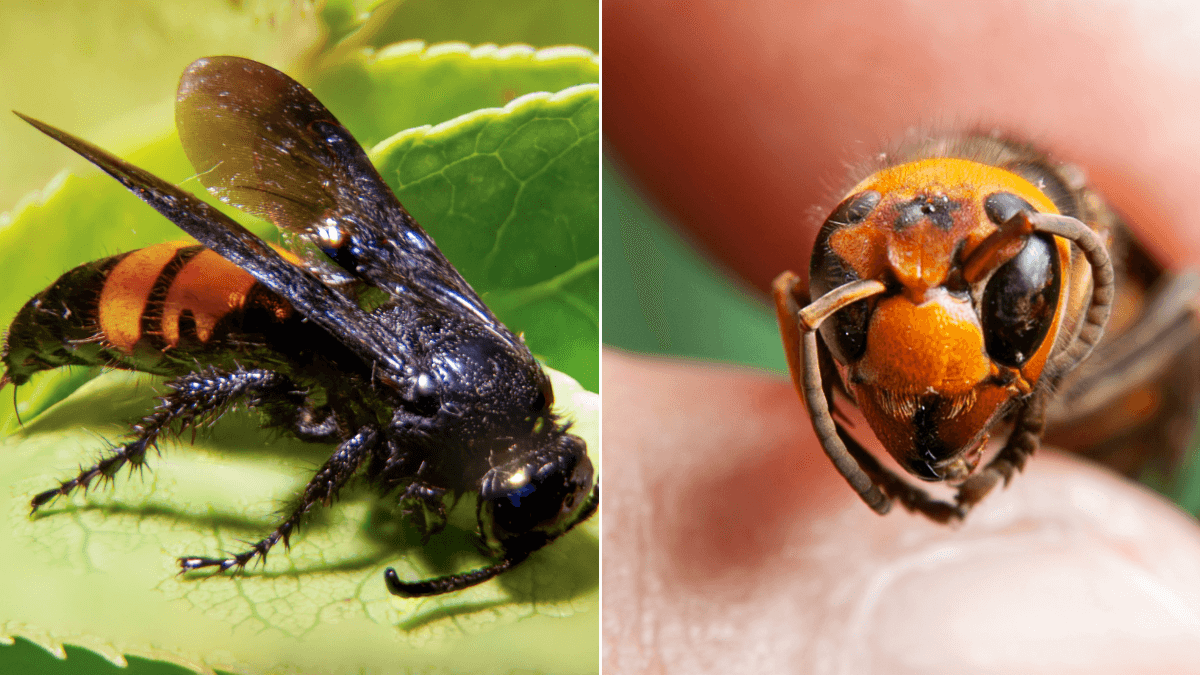
The Japanese Giant Hornet, known scientifically as Vespa mandarinia, wields one of nature’s most formidable weapons: its stinger.
Measuring up to 6mm, this stinger delivers venom that can cause excruciating pain and severe health risks, particularly for those with allergies to insect stings.
Entomologists are drawn to the hornet’s striking black and orange coloration, which helps identify it. More than just a visual threat, its sting is powerful enough to harm larger animals, including hummingbirds and small mammals. In regions like Washington, where this species has been detected, the hornet poses a significant risk to both local ecosystems and agriculture.
In addition to their danger in the wild, these hornets can create problems in urban areas, as they are often attracted to sugar products and alcoholic beverages. Managing their spread has become a priority for ecological balance and public safety. While Japan has established control methods, regions like North America and Europe still grapple with large-scale efforts to contain their population.
What makes the Japanese Giant Hornet so fearsome?
Aside from its imposing size—up to 2 inches long—it’s the venom that strikes the greatest fear. Containing toxins that destroy red blood cells and damage cell membranes, this venom causes more than just pain. With a wingspan of up to 3 inches, these hornets are swift and agile hunters, capable of covering large distances in pursuit of prey. Their strong mandibles allow them to decapitate honeybees, making them a significant threat to bee colonies.
Nicknamed “Murder Hornets” for their ability to decimate honeybee populations, these invaders could wreak havoc on ecosystems outside their native range. Unlike their European cousins, Japanese Giant Hornets have evolved thick armor, making them nearly invulnerable to bee stings—a feature that complicates bees’ efforts to defend their hives.
The pain from their sting is another level of agony. Enzymes and neurotoxins in the venom destroy tissue and nerves, with the cytolytic peptide responsible for breaking down cell membranes. With a barbless stinger, these hornets can sting repeatedly without losing their weapon. Entomologist Masato Ono once described the sensation as “like a hot nail being driven into one’s leg,” with pain radiating outwards, often causing dizziness and nausea.
Multiple stings increase the risk of anaphylactic shock, and these hornets release a pheromone that can summon others to join in the attack, making them even more dangerous. For anyone caught in their path, the Japanese Giant Hornet is a menace that’s not easily forgotten.
The White Sturgeon, known scientifically as Acipenser Transmontanus, is an awe-inspiring giant of North America’s freshwater ecosystems. These remarkable fish can grow up to 20 feet long and weigh over 1,500 pounds, making them the largest freshwater species on the continent.
Their ability to live for over a century and their immense size have made them a subject of fascination and concern among biologists and conservationists.
This is a sturgeon from British Columbia: this kind of fish can reach a length of 6 meters (20 feet) and an age of 100 years.
These ancient creatures have a history that stretches back millions of years, giving them a prehistoric appearance that captivates the imagination. They thrive in the rivers and estuaries of the Pacific Northwest, playing a crucial role in their habitats. Sadly, their populations are at risk due to habitat loss, dams, and pollution. Efforts are being made to protect these magnificent fish under various conservation acts.
White sturgeons are not just notable for their size and longevity. They are a vital part of the ecosystem, contributing to the health of their freshwater environments. Conservation efforts are crucial to ensure that future generations can marvel at these incredible giants of the aquatic world.
The Mythical Look
The white sturgeon has a distinctive and ancient appearance that some might describe as almost mythical. Its body is covered in bony plates, known as scutes, rather than typical fish scales. These give it a somewhat prehistoric look.
Its long snout and shark-like body contribute to its unique appearance. Unlike many fish, the white sturgeon has no teeth. Instead, it uses its mouth like a vacuum cleaner to suck up food from the riverbed.
The whisker-like sensors around its mouth help it detect bottom-dwelling shellfish, worms, and small fish. This bottom-feeding behavior is crucial for its diet.
Similar to sharks, its skeleton is mostly cartilage. Despite being a bony fish, its structure gives it flexibility and strength.
These features make the white sturgeon look ancient and play critical roles in survival. Its adaptations help it thrive in its riverine and estuarine habitats, navigating fresh and saltwater environments.
The carcasses of white sturgeon often wash ashore, providing meat for predators. This giant fish, which can live for over 100 years, has a remarkable ability to spawn multiple times over its lifespan.
The solid, almost armor-like scutes and the smooth, elongated body give the white sturgeon a distinctive look that sets it apart from other freshwater fish.
Record-Breaking Facts
The white sturgeon holds an impressive record among freshwater fish.
White sturgeon can live over 100 years, making them one of the longest-living fish in North America. These giants can grow more than 20 feet long and have lived since the Cretaceous period, which means they have been around for millions of years.
Kevin Estrada caught the largest white sturgeon ever recorded in 2012. The fish weighed 1,100 pounds and measured 11 feet long, as recognized by the Guinness World Records. On the Fraser River, an untagged sturgeon measuring 11’6″ (352 cm) in fork length and 55 inches in pectoral girth was recorded, emphasizing its enormous size.
Historically, white sturgeons were much more abundant, especially during wetter years when river conditions were ideal. However, changes in climate and human activity have affected their historical abundance.
Ecological Importance
The white sturgeon, Acipenser transmontanus, plays a significant role in the ecosystems of North America’s rivers, notably the Columbia, Sacramento, and Fraser Rivers. This freshwater giant acts as a keystone species, critically influencing its environment.
White sturgeons help control the populations of smaller fish and invertebrates by preying on them. This maintains a balanced ecosystem and prevents any one species from becoming too dominant.
These fish also contribute to nutrient cycling. As they feed on different organisms, they redistribute nutrients throughout the water column, benefiting various aquatic life forms. Sturgeon eggs provide a vital food source for other species in the river systems.
White sturgeons are indicators of water quality. Their long lifespans make them sensitive to pollution and changes in water conditions. Dams, water diversions, and climate change significantly impact their habitats and populations.
Conservation efforts and policies like the Endangered Species Act have highlighted the importance of protecting white sturgeon habitats. Wildlife officials and organizations are working to monitor and improve water quality and flow in crucial areas like the Sacramento and Columbia Rivers.
Overfishing and poaching have drastically reduced sturgeon populations. Federal and state laws now regulate commercial and recreational fishing to protect these fish from further decline. Collaborative efforts from agencies like the National Oceanic and Atmospheric Administration and the Department of Fish and Wildlife aim to safeguard these fish for future generations.
Key Roles
Predators: Control small fish and invertebrate populations.
Nutrient Cyclers: Redistribute nutrients in freshwater systems.
Water Quality Indicators: Sensitive to pollutants and habitat changes.
Preserving the white sturgeon is essential for maintaining the health and balance of river ecosystems across the western United States and Canada.
Tokyo is a bustling metropolitan area known for its modern infrastructure and towering skyscrapers, but beneath the surface lies a remarkable feat of engineering designed to protect its inhabitants from the dangers of flooding. The flood tunnels, often called Tokyo’s “underground cathedral,” are part of a vast system built to manage and redirect floodwaters away from populated areas.
This network stretches nearly four miles underground and includes massive water tanks, tunnels, and pillars that can withstand immense pressure. The five main vertical shafts, which act as entry points for floodwaters, are each around 230 feet deep, making them some of the deepest components of the system.
These structures come alive during heavy rainfall or typhoons, channeling water away to safeguard the city above. With over 100 rivers crisscrossing Tokyo, such infrastructure is vital for the safety and resilience of the metropolitan area.
The flood tunnels ensure the safety of millions of residents and demonstrate the city’s commitment to advanced and effective urban planning. As a testament to Tokyo’s ingenuity, this subterranean marvel underscores the importance of proactive measures in urban disaster management.
Engineering Behind Tokyo’s Flood Tunnels
The engineering behind Tokyo’s flood tunnels is a spectacle of modern construction. Key aspects include intelligent architectural design and overcoming various construction challenges.
Architectural Design of the Flood Tunnels
The tunnels are built to handle extreme water flow and feature robust designs. Engineers designed the Metropolitan Outer Area Underground Discharge Channel as the world’s largest underground floodwater diversion system. It spans over 6.3 kilometers and flows water through massive tanks and tunnels.
Inside, 500-tonne pillars support enormous ceilings, creating a cathedral-like design. These pillars ensure stability and distribute the weight evenly. Engineers incorporated pressure-adjusting water tanks to manage water levels during heavy rains.
Construction: Overcoming Challenges
Building such a large-scale project required overcoming numerous challenges. Engineers had to work beneath a highly populated metropolitan area. Advanced tunneling methods and machinery were essential.
Another significant hurdle was dealing with the area’s underground rivers. Engineers constructed additional reservoirs and flood tunnels to manage the water flow. Strategic planning ensured these constructions did not interfere with the city’s daily activities.
Careful coordination and engineering expertise helped Tokyo create a flood protection system that stands as a global example.
Functionality and Role in Disaster Prevention
Tokyo’s flood tunnels are essential for managing excessive water during heavy rains or typhoons, preventing urban flooding.
Water Diversion and Storage Capacity
The flood tunnels divert floodwaters away from city streets, moving water underground to help prevent overflow. Tokyo’s Metropolitan Area Outer Underground Discharge Channel (MAOUDC) can store vast amounts of water. The system includes large reservoirs and cylindrical chambers, reducing the risk of flood damage.
Strategically placed tunnels lead floodwater into storage areas. These reservoirs hold water until it can be safely released. Effective water diversion and storage protect residents and infrastructure.
Advanced Pumping Systems
The flood tunnels use advanced pumping systems to move water efficiently. These powerful pumps can handle large volumes. When heavy rains or a typhoon hit, the pumps activate automatically.
The pumps reduce flood risks by keeping water levels manageable. Power and telecommunication systems ensure pumps operate reliably. These robust systems are key to Tokyo’s disaster prevention strategy against floods.
Combining diversion, storage, and pumping creates a comprehensive flood prevention system.
Case Studies: Flood Tunnels in Action
Tokyo’s flood tunnels have been pivotal in protecting the city from floods, especially during extreme weather events. They mitigate flood damage and help maintain normalcy in urban areas even during heavy rainstorms.
Responses to Historic Weather Events
During Typhoon Hagibis in 2019, Tokyo’s flood tunnels played a crucial role. Huge amounts of rain poured down, causing rivers to swell dangerously. The Edogawa River was a major concern. The tunnels diverted excess water safely away from urban areas. This reduced the flooding in Saitama Prefecture and parts of Tokyo.
In another case, during a series of heavy rainstorms in 2016, the tunnels were activated multiple times. This quick action prevented major damage to infrastructure. Due to climate change, extreme weather events are becoming more frequent. Tokyo’s flood tunnels have become essential to the city’s defense mechanism.
Impact Assessment on Tokyo’s Urban Areas
The impact of these tunnels on Tokyo’s urban areas has been noteworthy. They have significantly decreased the risk of flood damage, making urban infrastructure much safer during storms. Reducing flood damage also translates to lower repair costs and less disruption to daily life.
The tunnels also provide peace of mind for residents of flood-prone areas. Knowing that a robust system is in place helps them feel more secure. This level of preparedness is especially important in a city with over 100 rivers.
Additionally, the tunnels support the city’s ongoing development by preventing disruptions. This allows for a more stable economic environment. These factors highlight the immense value of Tokyo’s flood tunnels.
Ancillary Benefits and Multipurpose Uses
The flood tunnels in Tokyo serve multiple roles beyond just flood control. They drive economic growth and urban development while attracting tourists fascinated by their engineering brilliance.
Economic and Urban Development Impacts
The construction of the flood tunnels has had significant economic and urban development benefits. They offer a unique form of multi-purpose utility tunnels (MUTs) that integrate various utilities in one accessible space. This setup reduces the need for frequent road excavations, decreases traffic congestion, and improves the quality of life for residents.
Due to these tunnels, various cities within the Tokyo Metropolitan Area, including Saitama, Kasukabe, and Edogawa, have seen improvements in utility management. Engineers and city planners can conduct maintenance activities all year round, irrespective of weather conditions. This promotes efficient infrastructure management, making these areas more attractive for investors and developers.
Boosting Tourism through Engineering Marvels
Tourism has also benefited from these flood tunnels. Described as an “engineering marvel,” the tunnels attract tourists from around the world. These visitors are fascinated by the scale and complexity of the infrastructure, located primarily in Saitama.
Not commonly known is that the main facility of the Metropolitan Area Outer Underground Discharge Channel, or G-CANS, features a giant hall supported by imposing pillars. Due to its majestic appearance, this structure has earned nicknames like the “Underground Parthenon” or “Underground Temple.” As a result, guided tours have become popular, bringing in tourism revenue while educating the public about advanced flood management.
Challenges and Future for Tokyo’s Underground Infrastructure
Tokyo’s underground infrastructure faces several challenges. These involve maintaining complex systems and adapting to climate change.
Maintenance and Operational Challenges
Due to their size and complexity, Tokyo’s flood tunnels require constant upkeep. The Metropolitan Outer Area Underground Discharge Channel (G-Cans) is a large system with vertical shafts and a long tunnel network. Modern engineering methods are essential but costly.
Regular inspections ensure the tunnels are clear of debris. During the rainy season, they handle extreme storm waters and prevent flooding in low-lying areas. Operational challenges also include staffing skilled workers for 24/7 monitoring.
Adaptations to Global Warming and Future Projections
Global warming is increasing storm intensity, so the G-Cans project must adapt to more frequent and severe weather. This involves forecasting future rain patterns and updating systems accordingly.
Japan aims to improve its underground reservoirs to handle excess water. Engineers plan enhancements to ensure resilience for the greater Tokyo area. Low-ground regions benefit most from these updates, reducing flood risks as global warming progresses.
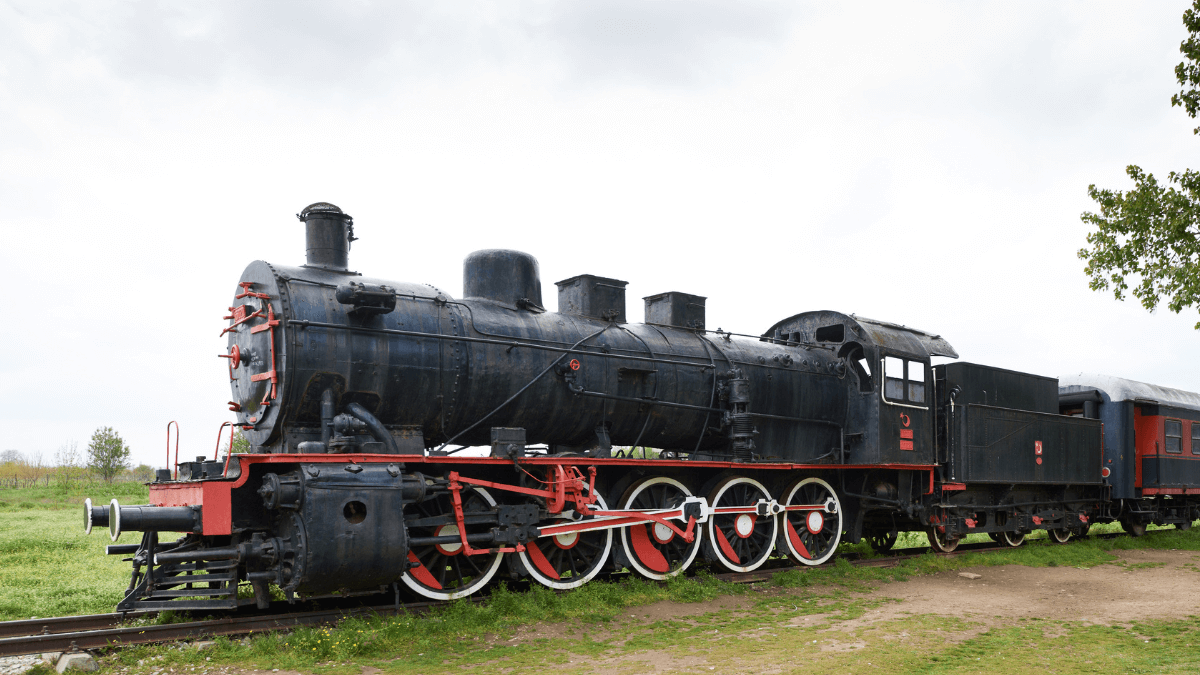
The Orient Express was more than just a train; it symbolized luxury and adventure. Beginning its journey in 1883, this legendary train allowed travelers to experience Europe in a way few could afford. Passengers enjoyed unparalleled luxury from Paris to Istanbul, covering thousands of kilometers across Europe’s most beautiful landscapes.
The train was a masterpiece, featuring opulent dining cars and lavish sleeper compartments. For many, the experience was more than simply travel; it was a journey through Europe’s art, culture, and sophistication. Aristocrats, celebrities, and wealthy individuals often chose the Orient Express as their preferred mode of transport.
The legacy of the Orient Express continues to inspire modern luxury train services, even though the original route ceased in 1977. The train’s mystique and classic elegance have been preserved in literature and film, captivating the imagination of people around the world.
Historical Significance
The Orient Express is an icon in railway history. It connected distant cities in Europe with a level of luxury and speed previously unseen. Its journey from Paris to Istanbul became legendary, and its impact on travel, culture, and even geopolitics was profound.
Beginnings and Expansion
The Orient Express first departed on October 4, 1883. Designed by Belgian entrepreneur Georges Nagelmackers and operated by the Compagnie Internationale des Wagons-Lits (CIWL), it promised luxury and reliability.
Its route started in Paris and reached Istanbul, crossing several European capitals. This impressive network included branches extending to Athens, Brussels, and London. The train set a new standard in long-distance travel, combining speed with comfort and redefining how the wealthy and adventurous traveled across Europe.
Wars and Interruptions
World War I and World War II significantly affected the Orient Express. During World War I, many routes were cut off due to the conflict, leading to the suspension of services. After the war, the train resumed but faced new challenges.
In World War II, the train again ceased operations. The post-war period saw sections of the route under different political controls, making travel complicated. Despite these challenges, the spirit of the Orient Express endured, symbolizing the resilience and adaptability of European rail travel through tumultuous times.
Golden Age of Travel
The Golden Age of the Orient Express began in the 1920s and lasted through the 1930s. This period was marked by unparalleled luxury, and the train became synonymous with opulence. Passengers enjoyed gourmet meals, plush interiors, and impeccable service.
Famous figures like statesmen, artists, and spies traveled on the Orient Express, adding to its romantic aura. The train played a unique role in Europe’s social and cultural fabric during this time, standing as a testament to human ingenuity and the desire for adventure and mobility.
Journeys and Routes
The Orient Express was renowned for its luxurious and scenic journeys across Europe. It connected major cities, creating a network that symbolized the golden age of rail travel. The train had several iconic routes and expanded its service over time.
Iconic Routes
The Original Route of the Orient Express connected Paris to Istanbul. This journey spanned over 1,500 miles and took three days. Notable stops included Strasbourg, Munich, and Budapest. The trip allowed passengers to experience the varied landscapes and cultures of Europe.
One significant variant of the route was the Simplon Orient Express. Starting in 1919, it traveled from Paris through Lausanne to Istanbul. This route was famous for its picturesque Swiss Alps and Italian countryside views.
The Direct Orient Express took over some routes in the 1960s. While maintaining the luxurious standard, it offered more direct services, including new destinations like Athens and the Balkans.
Expansion Beyond Europe
The Venice Simplon Orient Express (VSOE) became a modern symbol of luxury rail travel. Initially running between London, Paris, and Venice, it later extended to Istanbul. This revival route offered an elegant travel experience reminiscent of its storied past.
The Taurus Express further expanded the reach of the Orient Express network. Connecting Istanbul to the Middle East, this route opened new doors for adventurous travelers, reaching cities like Damascus and Baghdad.
Each of these expansions maintained high standards of comfort and service. The growing routes allowed more travelers to experience the allure and sophistication of the Orient Express.
Experience Onboard
The Venice Simplon-Orient-Express offers its passengers a luxurious and comfortable journey. The impeccable service and opulent amenities on board enhance this experience.
Service and Amenities
The service on the Venice Simplon-Orient-Express is outstanding. Passengers are greeted by uniformed staff who ensure every need is met. Attendants are available to help with luggage and provide information about the journey.
The train’s sleeper cars are furnished with plush beds, often with silk sheets, and have a beautiful Art Deco design. Each cabin is a private oasis, featuring comfortable seating during the day that converts into sleeping arrangements at night.
Pullman cars and luxury accommodations feature rich wood paneling and antique fixtures. The ambiance is reminiscent of a bygone era, creating a timeless travel experience. Fresh towels and toiletries are provided daily.
Dining and Leisure
Dining on the Venice Simplon-Orient-Express is a culinary delight. The dining car transforms into an elegant setting for meals prepared by gourmet chefs. Passengers can enjoy a range of cuisines, from multi-course dinners to freshly prepared breakfasts.
The restaurant cars are decorated with intricate designs and provide a scenic view for passengers. Meals are served on fine china with crystal glassware, enhancing the luxurious feel.
The train offers a bar car for leisure where passengers can relax and socialize. Live piano music often entertains guests as they sip on cocktails or champagne. This mix of luxury and comfort makes for a memorable and enjoyable journey.
Cultural and Media Impact
The Orient Express left a lasting mark on literature and film, becoming a symbol of intrigue and luxury. Significant figures across various professions were drawn to its allure, solidifying its cultural impact.
Literature and Film
Agatha Christie’s “Murder on the Orient Express” is perhaps the most famous work featuring the train. Published in 1934, this mystery novel introduced readers to Hercule Poirot, who solves a complex murder case set aboard the luxurious train. The story’s popularity led to multiple film and television adaptations, further cementing the Orient Express in pop culture.
Ian Fleming, known for his James Bond series, also referenced the train. In “From Russia with Love,” Bond travels on the Orient Express, adding an element of espionage and glamour. The train’s appearances in these influential works contributed to its mystique and allure.
Notable Figures
Throughout its history, the Orient Express attracted a varied and notable clientele. Artists, diplomats, spies, and royalty often traveled on the train during its operation from 1883 to 1977, making each journey not just a trip but an event.
Graham Greene frequently featured trains in his stories, and the Orient Express was no exception. Figures of mystery and notoriety, such as spies and diplomats, also chose this mode of travel for its discretion and convenience. High-profile passengers only added to the train’s legendary status.
The Orient Express was more than just a means of transportation; it was a cultural icon. Its influence extended into various aspects of society, inspiring stories and drawing the elite from different walks of life.
Modern Day Legacy
The Orient Express continues to captivate imaginations with its luxurious charm and historical significance. Its revival and modern adaptations keep this legendary train in the spotlight for today’s luxury travelers.
Revival and Restoration
In recent years, the Orient Express has seen a significant revival. James Sherwood, a key figure in its restoration, acquired several vintage carriages in the 1980s. His effort led to the creation of the Venice Simplon-Orient-Express, a restored version of the original train that offers luxury trips across Europe.
Art Deco designs and meticulous attention to detail preserve the vintage essence. The train features lavish compartments, gourmet dining, and exquisite service, symbolizing luxury travel. Current routes include Paris to Venice, connecting historic cities in grand style.
The train’s elegance is paired with modern updates, like high-speed trains, which offer faster travel without sacrificing comfort. This blend of old-world charm and contemporary convenience sets a new standard in luxury rail travel.
Continuing Fascination
The fascination with the Orient Express is not confined to its past. Modern audiences are intrigued by its storied journeys and opulent experiences. 2024, the train is anticipated to return with new Art Deco details, blending history with contemporary luxury.
Euronight services offer an additional layer of convenience, allowing travelers to enjoy overnight journeys on this iconic train. Exhibitions and media celebrate its legacy, ensuring its place in the cultural zeitgeist.
This continuing allure is reflected in books, movies, and even themed hotels. The Orient Express remains a powerful icon of romance and adventure, inspiring generations to dream of luxury and exploration.
The Australian Bunya Tree, scientifically known as Araucaria bidwillii, is an ancient tree native to Queensland, Australia.
Famous for its massive Araucaria pine cones, which can weigh up to 10 kilograms (22 lbs), the Bunya is impressive and potentially dangerous, as falling cones pose a hazard.
The tree’s seeds have been a staple food for Indigenous Australians for centuries.
Considered a living fossil, the Bunya Tree dates back to the time of the dinosaurs.
It thrives in the subtropical rainforests of eastern Queensland. Its towering height, sometimes exceeding 150 feet, and substantial girth make it a striking feature of the Australian landscape.
The dense canopy provides a vital habitat for wildlife and plays a crucial role in the ecosystem.
The Bunya Tree’s cultural significance extends beyond its ecological role.
Indigenous communities in Queensland have gathered for centuries for large festivals centered around the Bunya nut harvest, where seeds were used for trade, social interaction, and even marriage rituals.
The Bunya Pine, part of the Araucariaceae family, shares its lineage with other ancient species like the hoop pine.
The tree’s unique appearance includes a dome-shaped crown, rough and scaly bark, and glossy green leaves, contributing to its distinctiveness in the Australian bush.
Its evolutionary history traces back to the Jurassic Period, making it a living relic. The tree has survived mass extinctions and climatic changes, highlighting its adaptability.
Growth, Reproduction, and Environmental Impact
Bunya trees are conifers that grow primarily in rainforests, reaching up to 45 meters (148 feet) in height.
They produce separate male and female cones, with male cones releasing pollen to fertilize female cones.
After an 18-month development period, the massive cones fall to the ground, releasing seeds that can grow into new trees.
These seeds support the tree’s natural propagation and provide food for animals, playing a vital role in the ecosystem.
With deep root systems, Bunya trees stabilize the soil, helping them withstand droughts.
Their resilience to environmental changes makes them important in conserving biodiversity, particularly in protected areas like the Bunya Mountains National Park.