Finn Oakley has spent over five years as a nature and science writer at Discvr.Blog, drawing on his experience at National Geographic Channel. Based in Melbourne, he’s passionate about uncovering the world’s mysteries, dreams of returning to Peru, and enjoys Aussie Bites in his downtime.
The calabash fruit, often associated with images of tropical climates and exotic locales, is as intriguing in appearance as it is in utility.
Grown on the trees of the Crescentia cujete species, this fruit’s external appearance is characterized by a hard and woody shell that typically takes on a spherical or elongated shape.
The enormous fruit of a Calabash tree (Crescentia cujete) seen in Japan this year – so big, it had to be tethered! Widely used in the tropics to make drinking vessels and musical instruments. pic.twitter.com/dkcDMkCgmk
On the outside, its skin is smooth and green, turning brown as it matures, and often carries a pattern of speckles or mottles that make each calabash unique.
The size of the fruit can vary greatly, sometimes as small as an orange and other times as large as a melon, reflecting the versatility of Calabash’s uses across different cultures.
When you split open a mature calabash, you’re greeted with a fibrous and dry interior that houses the seeds. The pulp, which encases the seeds, is soft and can be scooped out.
While not commonly consumed, the fruit’s pulp has found its place in various traditional medicinal practices and has been studied for its potential pharmacological properties.
Given its distinctive properties, the calabash fruit is more than just a source of nourishment; it’s a cultural symbol and a practical tool.
Hollowed-out and dried calabashes serve as containers, musical instruments, and decorative objects, underscoring their role in intertwining with many communities’ traditions and daily lives, particularly in Africa and the Americas.
A "Calabash" in English or "Phenenga" in Chitumbuka is a wind instrument made from a dried calabash fruit, this instrument is used in Mapenenga (malipenga) dance by Tumbuka, Tonga and Ngonde people pic.twitter.com/N6xtH9ZNWc
For example, the calabash is a prominent cultural artifact in Yoruba culture, reinforcing the interconnectedness of nature’s creations with human society.
Physical Characteristics
The calabash fruit presents a distinctive set of physical characteristics that are straightforward to identify.
When you’re examining this fruit, pay close attention to its color and texture, as well as its shape and size, which are notable identifying features.
Color and Texture
The calabash fruit typically has a smooth outer skin that matures to a green or yellow.
Depending on the specific type of calabash and its ripeness, the surface can have a glossy shine or a more matte finish.
The skin’s texture is firm to the touch and may become harder as the fruit dries out.
Shape and Size
Calabash fruit is known for its variability in shape and size.
It often grows in a rounded, elongated, or bottle-like form, which may remind you of a gourd.
The fruit’s size can vary widely, commonly reaching 30 to 50 centimeters. Some calabash fruits maintain a uniform diameter throughout, while others taper at one or both ends.
Calabash Tree and Growth Environment
The Calabash tree (Crescentia cujete) is a resilient species that thrives in diverse environments. It can be found in a variety of ecological zones.
These zones can range from a meager 20 meters above sea level near the Caribbean coast. They strongly prefer tropical settings with a consistently warm climate and abundant rainfall.
Preferred Climate: Tropical
Altitude Range: 20 meters above sea level and higher
Soil Type: Well-drained
The Calabash tree isn’t too picky about soil but does best in well-drained, fertile soils. Its adaptability in regions with different soil types demonstrates its versatile nature concerning its growth substrate.
Calabash fruit tree in Ziguinchor, in the Casamance region of southern Senegal 🇸🇳 pic.twitter.com/upT1bItkXF
These trees require adequate sunlight for optimal growth. Thus, they thrive in open areas or lightly shaded environments.
Sunlight: Full to partial sun
Water Requirements: Moderate to high
It’s important to note that the Calabash tree can withstand various ecological conditions, adapting remarkably well to various environmental stresses. It is robust and can endure in areas where other species might struggle. This resilience makes it a prevalent species in the regions where it grows.
Environmental Tolerance: High
Stress factors: Drought-resistant
Their ability to adapt is seen in Colombia, where they are notably diverse and valued for their fruit.
The calabash fruit itself is large, round, and hard-shelled. It serves multiple purposes, including utensils, musical instruments, or decorative objects. The fruit’s internal environment influences its developmental process, and interestingly, where the tree grows can affect the fruit’s size and shape.
The Damascus goat, a breed originating in the Middle East, is known for its distinct appearance.
The unique facial structure of the Damascus goat, which includes a pronounced nose, large eyes, and ears that often hang downwards, amazes. These features give the selective breed its striking look and prepare it for the harsh Syrian environment.
Despite their somewhat intimidating visage, some people refer to Damascus goat, or Shami goats, as the most beautiful goat—beauty, as they say, is in the eye of the beholder. With their long legs and noble stance, they cut a fine figure in any setting.
Physical Characteristics of the Damascus goat:
Hair: A mix of colors, often found in shades of white, black, red, brown, reddish-brown, and grey.
Recognizable by their large, noble frame and notably convex profile, these goats are a more than an appealing animal. They’re also valued for their milk, meat, and hide.
Generations of breeding have adapted them to suit the demanding climates of the Middle East. They stand as a testament to the region’s rich agricultural traditions. The goats produce 1 to 2 liters of milk per day, a decent yield for dairy purposes.
HAVE YOU GUYS SEEN DAMASCUS GOATS. I CANT BELIEVE WHAT IM LOOKING AT RIGHT NOW pic.twitter.com/hgX2uaGYK0
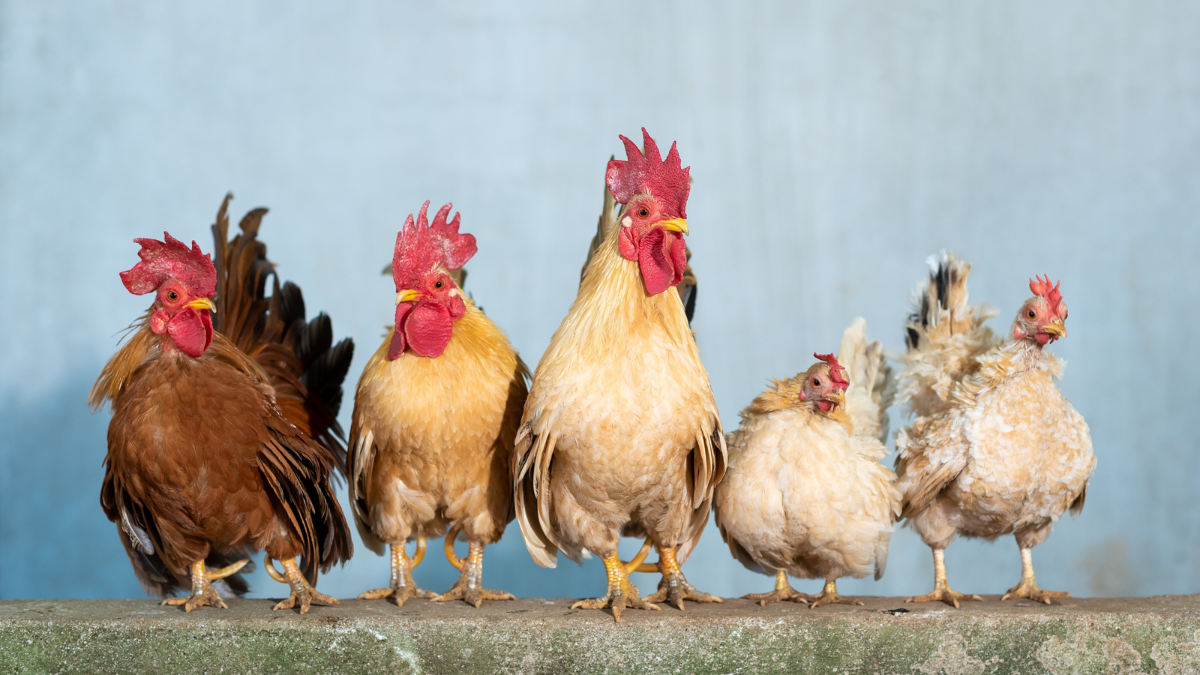
Chickens possess a surprising agility that often goes unnoticed. Your feathered backyard friends can do more than just peck and forage on the ground. From a standstill position, they can indeed jump to reach higher ground when necessary.
Several factors influence the height to which a chicken can jump. These factors include breed, age, and their physical condition. Bantam breeds, for instance, with their lighter body weights, can usually jump higher than their heavier counterparts, like the Jersey Giant.
A healthy young chicken can jump several feet into the air and up to a few feet in a single bound. However, as chickens age, their jumping abilities may decrease due to lower energy levels and the potential for joint issues, like humans.
How High Can Chickens Jump to Roost
Chickens possess an instinct to roost off the ground. You may wonder how high they can jump to settle in for the night.
Laying hens, with their inherent roosting behavior, typically prefer higher perches when it’s time to roost. The preferred height, however, can vary.
Typical Roosting Heights:
Low perches: 1 to 2 feet accessible to most chickens
Medium perches: 2 to 4 feet standard for healthy, adult birds
High perches: 4 feet and above are preferred by many hens but require a strong and healthy flock
Why Roosters Jump on Hens
You may also be curious as to why roosters often jump on hens. The act of a rooster jumping on a hen is primarily for mating purposes. This process, also known as treading, ensures that the rooster has close contact with the hen to transfer genetic material for egg fertilization.
The rooster’s behavior also includes pecking, signaling the rooster’s intent to mate. The hen adopts a squatting position if she’s receptive to this gesture. If the pecking is aggressive toward the hens, it could be a sign of stress.
The Devil’s Flower Mantis, also known as Idolomantis diabolica, is a mantis native to East Africa. The insect is known for its remarkable defensive posture to deter predators.
When threatened, the mantis performs a startle display, which is both fascinating and compelling. The mantis assumes a deimatic posture that includes standing tall, spreading its forelimbs, and fanning its abdomen.
Defensive posture of the Devil's Flower Mantis (Idolomantis diabolica)
Often, it reveals bright colors and eye spots that intimidate potential threats. This behavior serves as its first line of passive defense, suggesting that its elegant form is as functional as striking.
The Devil’s Flower Mantis lives among the flowers and plants of African landscapes, where it skillfully mimics flora to avoid predator detection. It exemplifies how natural camouflage and behavioral tactics aid survival, even in insects.
What is the devil’s flower mantis defense?
The Devil’s Flower Mantis defensive strategies include physical morphologies and complex behaviors.
As previously mentioned, one of the fascinating behavioral responses to threats this species employs is its deimatic display. When threatened, the mantis exposes the vibrant underside of its thorax and abdomen and spreads its wings.
The sudden visual shock presents colors such as white, red, and black, which can confuse or scare away potential threats. Additionally, the mantis may wave its wings from side to side, further confusing predators.
The size of devil’s flower mantis
The size of this species plays a role in its ability to camouflage effectively among the flowers and foliage of its habitat. Females can grow up to approximately 13 centimeters (5 inches), while males tend to be smaller, around 10 centimeters (4 inches).
The Devil’s Flower Mantis inhabits countries including Ethiopia, Kenya, Tanzania, Uganda, Somalia, and Malawi. It thrives in environments resembling its natural habitat, comprising appropriate temperature, humidity, and vegetation for camouflage and hunting.
While the mantis possesses powerful mandibles for hunting prey, it’s not typically aggressive towards humans. Handling should be minimal to avoid unnecessary stress on the mantis.
Ice cream beans (Inga edulis) are legumes that grow on the Inga trees in Central and South America. These 60-foot tall trees can produce pods that are over six feet long.
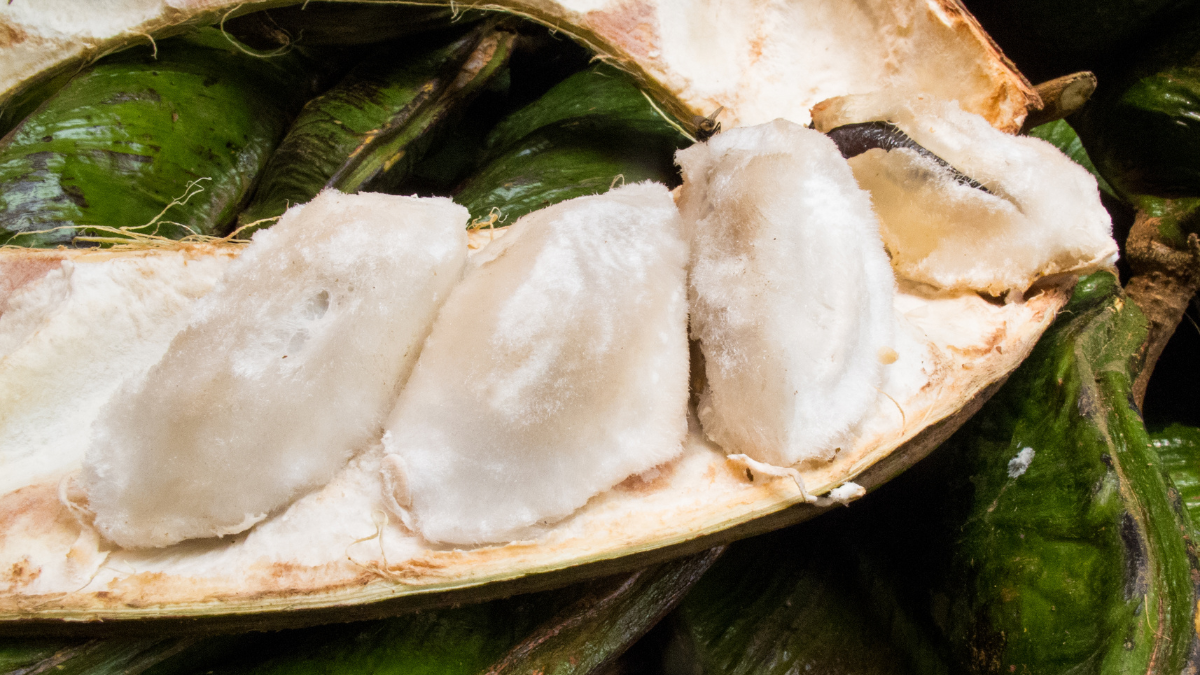
Inside these pods, you will find a sweet and fluffy fruit that tastes like vanilla and cotton candy.
Indigenous people in Peru, Ecuador, and Colombia enjoy eating the ice cream beans in their raw form, and they are a favorite of various wildlife (birds, monkeys, bats) in the region. The Inga trees are also valuable for farmers because they provide timber and shade for other crops.
People have found innovative ways to consume the seeds by roasting them or incorporating them into different desserts, such as chocolate and creamy beverages. Overall, ice cream beans are a delicious and sustainable crop that has a wide range of uses.
Opening and tasting the Ice Cream Bean
The ice cream bean offers a sweet pulp that you might find reminiscent of vanilla ice cream. The texture of it is spongy, and its flavor is a mild perfume with a complexity that some people compare to a hint of cinnamon.
To open the pod:
Apply gentle pressure along its seam.
Twist the pod; it will yield to reveal a row of seeds enveloped in fluffy, sweet pulp.
Be gentle to avoid crushing the soft, cotton-like pulp.
You’ll discover the edible white pulp encasing the seeds as you handle the large pods. While the exterior might not hint at it, the interior promises a uniquely tropical flavor experience often enjoyed raw in its native regions.
Cultivating the ice cream bean requires a tropical setup, as the tree thrives in warm environments and can benefit from nitrogen-fixing bacteria in the soil.
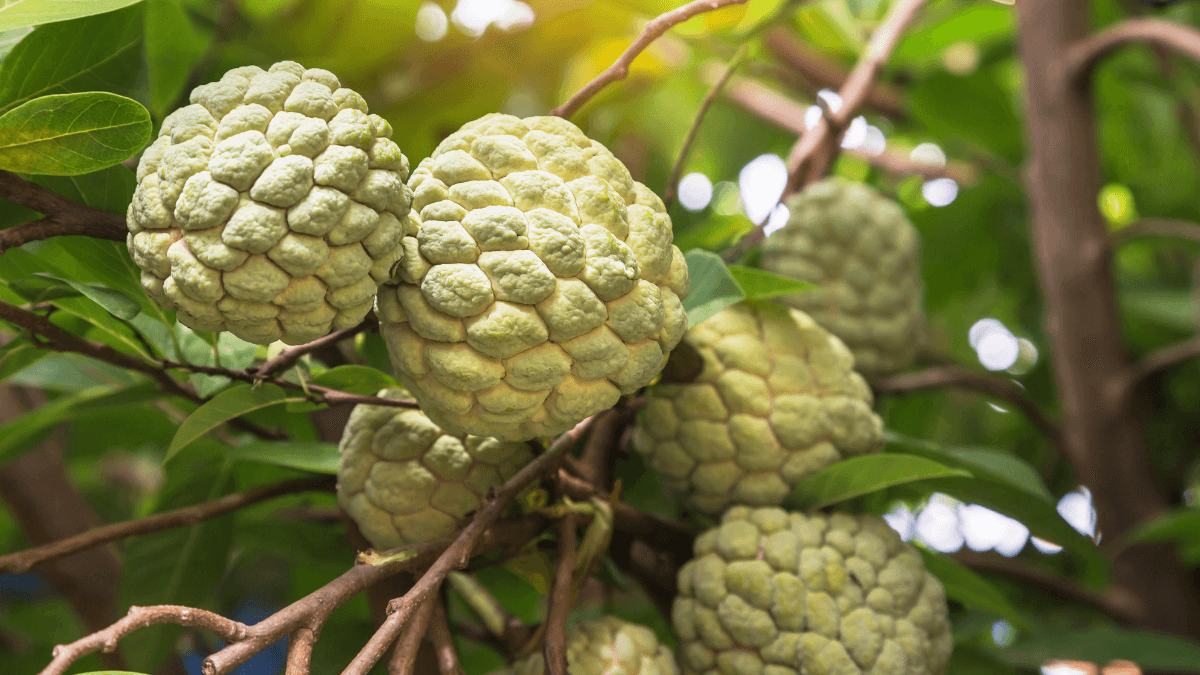
Custard apple is a term used for a collection of fruit-bearing trees and shrubs belonging to the genus Annona. You’ll find these plants primarily in the tropical regions of the Americas, where they are native. They thrive in warm climates.
These plants are cultivated not only for their delicious fruits but also for traditional medicinal uses. The various species of Annona have adapted to different environmental conditions, allowing them to spread across the New World tropics from Central and South America to the Caribbean.
As a tropical fruit, custard apple’s popularity extends beyond its native habitat due to its rich, creamy texture and sweet taste, reminiscent of a blend of banana, pineapple, and peach. This makes the fruit highly sought after in international markets.
The Annona genus includes several species such as A. reticulata, A. cherimola, and A. squamosa, each known for a distinct type of custard apple like the cherimoya or sugar-apple. These species are the ones typically referenced when discussing custard apples.
Your encounter with custard apple might extend to garden cultivation or speciality grocery stores, as there’s a growing interest in tropical fruits for their potential health benefits and exotic flavors.
The Annona trees are generally small to medium in size, making them suitable for backyard orchards in tropical and subtropical regions where conditions allow. If you live in a suitable climate, you might consider adding this fruit tree to your home garden.
Origins and Distribution
Custard apple, known botanically as Annona spp., originates from regions where tropical climates prevail. Your exploration of this fruit’s journey reveals a history rooted in warmth and an expansion that showcases agriculture’s adaptive nature.
Geographical Range
Custard apples are indigenous to the New World tropics, primarily found in areas such as the West Indies and South America. The fruit’s natural range extends across various tropical regions where the climate supports its growth.
The Andes Mountains are notable for being home to Annona cherimola, often at high altitudes.
Native regions:
South America
West Indies
High-altitude presence:
Andes Mountains
Cultivation and Spread
Custard apples have been cultivated and naturalized in many tropical regions worldwide, owing to their desirable fruit. Countries like India have incorporated the custard apple into their agricultural practices.
You’ll find the fruit is grown in regions from Ecuador and Peru, reaching across to Florida in the United States. The fruit thrives in areas that provide a warm climate necessary for their successful growth and fruit production.
Areas of cultivation:
Tropics globally
India
Ecuador
Peru
Florida (U.S.)
Growth conditions:
Warm climates suitable for tropical plant species
Botanical Characteristics
In exploring the botanical characteristics of the custard apple, you’ll find two primary aspects that define this exotic plant: the tree it grows on and the distinct features of its fruit and flowers.
Tree Description
The custard apple tree, part of the Annonaceae family, possesses an open, irregular crown and is typically semi-evergreen. They range from 8 to 10 meters in height.
The leaves you’ll observe are simple, typically alternate, and have a smooth margin. They are known for their resilience and ability to thrive in tropical climates.
Fruit and Flower Properties
The fruit of the custard apple tree is distinguishable by its fleshy nature. When ripe, it can have a dark brown skin with a quilted appearance.
The fruit also contains reddish yellow, edible pulp.
The flowers, often less noticeable than the fruit, are small. They house several white petals, numerous stamens, and pistils with ovules at the base.
This complex structure is key for the reproduction of these trees and the development of the seeds within the fruit.
Angora rabbits hold a special place in the world of domesticated pets, renowned for their extraordinarily soft fur and endearing dispositions. Originating from Turkey, these rabbits are one of the oldest domestic rabbit breeds and are primarily bred for their wool. The fiber, known as Angora wool, is highly prized for its silkiness and warmth, making it a sought-after textile material.
Our interest in these fluffy companions extends beyond their wool production. We appreciate Angora rabbits as pets for their friendly and sociable nature. They tend to have an amiable personality, which makes them a popular choice among rabbit enthusiasts when coupled with their unique appearance.
Proper grooming is essential for maintaining their wool’s quality and preventing any potential health issues related to their dense fur.
As pet owners, we are constantly learning about the care requirements specific to the breed, from dietary considerations to the regular grooming that Angora rabbits require. Their well-being is paramount to us, ensuring they contribute their gorgeous wool to our wardrobes and live fulfilling lives as our cherished pets.
Origins and History
In tracing the rich history of the Angora rabbit’s past, we uncover a journey from the lands of Turkey to the laps of French nobility, eventually leading to its spread across Europe.
Ancestry in Ankara, Turkey
The Angora rabbit, known for its exceptionally soft fur, hails from Ankara, historically known as “Angora”, situated in present-day Turkey. We discovered that this breed has its roots deep in Turkish history, linked to the luxurious wool produced in the region.
French Royalty and the Spread to Europe
In 1723, the Angora rabbit first pranced into the hearts of the French royalty. Their adoption by the nobles as cherished pets spurred their popularity. During the mid-18th century, these rabbits began to tug at the European fabric, as their presence expanded well beyond French borders into the rest of Europe.
Angora Rabbit Breeds
We explore the various breeds of Angora rabbits, each unique in their characteristics and origins. These breeds are distinguished by size, weight, wool type, and grooming needs.
English Angora Rabbit
The English Angora is the smallest recognized Angora breed, typically weighing up to 7.5 pounds. We recognize its wool as soft and silky, requiring regular grooming to prevent matting.
French Angora
French Angora rabbits have a balanced wool-to-guard hair ratio, with more guard hairs than English Angora. This makes them easier to groom, weighing between 7.5 to 10.5 pounds.
Satin Angora
The Satin Angora is known for its distinctive sheen, attributed to the unique texture of its fur. This breed has a finer wool quality and requires consistent grooming efforts.
Giant Angora
As the name suggests, Giant Angora rabbits are the largest among the breeds, with a weight exceeding 10 pounds. Their wool is dense and requires frequent grooming to maintain.
German Angora
The German Angora is a large breed without a maximum weight limit. They have a high wool yield and need regular grooming sessions.
St. Lucian Angora
The St. Lucian Angora is less commonly known and not widely recognized in all associations. It is a newer breed with characteristics still being established by breeders.
Each of these Angora rabbit breeds has specific grooming needs due to their unique wool qualities. We ensure our consideration of these differences in care and maintenance to keep each breed healthy and comfortable.
Physical Characteristics
In our focus on the physical characteristics of Angora rabbits, we examine their unique size and shape and the distinct qualities of their wool that come in an array of colors.
Size and Shape
Angora rabbits are medium-sized with a weight that is typically between 5 and 10 pounds. They possess a round, compact body shape that is standard across various subtypes of the breed. Some can be on the smaller side, with the English Angora variety weighing in at about 2.0 to 3.5 kilograms at maturity.
Angora Wool and Colors
The primary feature of Angora rabbits is their wool, which is renowned for its length, softness, and warmth. This silky wool can grow up to 3 inches long and requires regular grooming to prevent matting. Angora wool is often compared to cashmere regarding softness and is sought after for its hypoallergenic properties.
Angora rabbits come in a multitude of colors including, but not limited to:
White
Black
Blue
Chocolate
Fawn
The English Angora is noteworthy as it also displays facial and ear furnishings, contributing to their unique appearance within the rabbit world.
Behavior and Temperament
We’re looking at a well-regarded breed for its friendly and sociable nature when considering the Angora rabbit. These bunnies typically exhibit a calm and good-natured temperament, making them suitable pets for families with older children or individuals with rabbit experience.
Personality Traits:
Calmness: Angora rabbits often display a serene demeanor.
Sociability: They are known to be sociable creatures that enjoy human company.
Affection: Their affectionate nature often forms close bonds with their owners.
Interaction:
Grooming: Regular grooming sessions keep their fur in good condition and reinforce the bond between the rabbit and its owner, as they love the attention.
Handling: Proper handling is crucial, as they are gentle and docile but can be shy with rough or sudden movements.
Environment:
Angoras are adaptable but thrive in environments where they can interact and have quiet time. A balance of stimulation and rest is important for their well-being.
Compatibility:
They can be great companions with their approachable attitudes, but their temperament is best matched with caregivers who understand and respect their needs.
Grooming and Care
Keeping an Angora rabbit as a pet requires diligent grooming to maintain their health and well-being. Grooming keeps their wool in top condition and prevents common issues like matting and wool block.
Grooming Essentials
When it comes to grooming essentials, it’s important to have the right tools:
Gentle Bristle Brush: For effective removal of loose fur.
Wide-Toothed Metal Comb: To detangle without pulling.
Slicker Brush: For deeper layer grooming.
Angora-Specific Grooming Scissors: For trimming tasks, ensuring safety and precision.
Daily Grooming Requirements
We can’t overemphasize the importance of daily grooming. Here are the steps we take:
Brushing: We gently brush the rabbit’s wool to remove loose hairs and prevent matting.
Skin and Coat Examination: It’s crucial for us to check for any signs of mites, sores, or matting.
Nail Clipping: Regularly checking and trimming their nails is a part of our grooming routine.
Maintenance Tips
Proper maintenance is key:
Regular Shearing: Keeping the wool length between 8-12 centimeters prevents tangling.
Matting Hotspots: We give extra attention to areas prone to matting, like the belly and behind the ears.
Keep Records: Documenting each grooming session with the date and details helps us stay on track.
Health and Lifespan
In our experience with Angora rabbits, their health and lifespan are closely interconnected. A well-maintained rabbit can typically enjoy a full and vibrant life.
Common Health Issues
Dental Problems: Due to their continuously growing teeth, Angora rabbits require regular dental check-ups to prevent misalignment or overgrowth, which could lead to difficulty eating and serious health issues.
Wool Block: This condition is particularly common in Angora rabbits due to their long fur. Ingestion of excess hair during grooming can lead to intestinal blockage, which requires careful management through proper grooming and diet.
Heat Stroke: They are susceptible to heat stroke given their dense fur, so providing a cool environment during hot weather is crucial.
Average Lifespan
Typical Range: Angora rabbits generally have a lifespan of 7 to 12 years, provided they are kept in good health through proper care, diet, and regular veterinary check-ups.
Factors Influencing Lifespan: The longevity of an Angora rabbit is influenced by genetics, diet, housing conditions, and consistent grooming to prevent mats and fur-related complications.
Breeding and Genetics
When breeding Angora rabbits, we carefully consider both the practical aspects of breeding practices and the underlying genetic traits that influence the characteristics of the offspring.
Breeding Practices
In our practice of breeding Angora rabbits, we prioritize the health and welfare of our animals. To achieve desired outcomes, we selectively pair individuals based on specific criteria:
Physical health: We ensure the breeding pair is free from genetic defects and hereditary diseases.
Temperament: We choose rabbits with a calm demeanor to promote gentle handling.
Fiber quality: We intentionally breed rabbits with superior wool quality for better yield.
Breeder Responsibilities:
Monitor and manage breeding pairs.
Provide appropriate care pre- and post-parturition.
Maintain detailed records of lineage and traits.
Genetic Traits
Angora rabbit genetics play a crucial role in the breeding process. We understand the importance of genetic diversity and the implications of heredity:
Color: Specific genes dictate the fur color, and we selectively breed for various colors while avoiding inbreeding depression.
Fur quality: Wool texture and length are primarily inherited traits; by controlling the breeding, we influence these characteristics.
Size and body shape: Genetic factors determine the overall physique of the rabbits, which can be selectively bred for standards.
Genetic Management Strategies:
Implement genetic testing to inform pairing decisions.
Advocate for genetic health screening to prevent hereditary conditions.
Educate on the inheritance patterns that impact Angora rabbit breeds.
Angora Wool Uses
We see Angora wool as a luxurious product, coveted for its softness, warmth, and lightweight properties. Our focus lies in its production and transformation from raw wool into exquisite fabric.
Wool Production and Harvesting
We begin by meticulously shearing, combing, or plucking the wool from Angora rabbits to ensure the highest quality of the fibers.
Unlike sheep’s wool, Angora wool is distinguished by its hollow core, which provides exceptional warmth and a unique, floating feel. Some harvest the wool every three to four months, a practice that yields valuable material and keeps the rabbits comfortable.
Shearing involves cutting the wool close to the skin.
Combing allows us to gently remove the wool without cutting it, collecting fibers that are naturally being shed.
Plucking is reserved for certain Angora breeds that molt their coat; thus, the loose fibers can be carefully removed by hand.
From Yarn to Fabric
Once we have the raw Angora wool, we spin it into yarn. The spinning process is delicate, requiring a skillful touch to maintain the integrity and softness of the fibers.
The resulting yarn is then either used alone or blended with other fibers like cashmere to enhance durability and texture.
100% Angora yarn offers unmatched softness and is typically used for high-end luxury garments.
Angora blends are popular for adding warmth and reducing cost without significantly compromising the fabric’s feel.
Transforming the yarn into fabric involves knitting or weaving, each providing a distinctive texture and drape to the final product. Our textiles created from Angora yarn are sought after for their comfort and aesthetic appeal, making them a staple in creating sweaters, hats, scarves, and other winter accessories.
Ownership and Care
Owning an Angora rabbit requires us to provide a suitable environment, ensure proper nutrition, and cater to their social needs. We must take these aspects seriously to maintain our pet’s health and happiness.
Housing and Accommodations
We must keep their living area clean, dry, and spacious enough for exercise.
A proper cage for an Angora rabbit should measure at least 4 feet long, 2 feet wide, and 2 feet high. Bedding should consist of straw, hay, or wood shavings, and we need to change it regularly to avoid the build-up of ammonia from urine.
Adequate ventilation is crucial to prevent respiratory issues.
The enclosure must be predator-proof and weather-resistant.
Diet and Nutrition
We suggest providing a balanced fiber-rich diet to keep Angora rabbits healthy. It should primarily include:
Unlimited Timothy hay: Essential for digestive and dental health.
Fresh vegetables: A variety of leafy greens is ideal.
High-quality pellets: Limited quantity to supplement nutrients.
Fresh water must always be available, preferably from a sipper bottle, to maintain hygiene.
It’s important to avoid giving them too many high-calorie treats or sugary fruits, which can lead to obesity.
Social Needs
Angora rabbits, like other domestic rabbits, thrive on social interaction. They are popular pets that enjoy company, whether it’s with us or another rabbit.
We should spend time daily interacting with our Angora rabbit, as it’s essential for their emotional well-being.
Handling them gently and regularly helps to keep them tame.
Providing toys and interaction stimulates their mind and satisfies their natural curiosity.
Cultural Impact
As we examine the Angora rabbit, it’s important to note that its cultural impact extends beyond its origin as a breed. From its representation in literature and art to its surge in popularity as a pet, the Angora has left a distinct, fluffy imprint on our society.
In children’s books, bunnies are portrayed as gentle and friendly creatures, making Angoras, with their distinctive fluffy appearance, especially beloved figures.
They’ve graced the pages of numerous stories, where their soft wool and docile nature often play a central role in the narrative.
Pet Trend Popularity
Angora rabbits have become increasingly popular as pets in recent years, revered for their gentle temperament and distinctive, woolly coats.
This popularity isn’t just a trend; it reflects the unique place Angoras have in the hearts of rabbit enthusiasts.
The table below highlights key attributes of Angoras that contribute to their desirability as pets:
Attribute
Description
Wool
Angoras are prized for their soft and luxurious wool.
Temperament
Known for being calm and friendly, ideal for families.
Care
They require regular grooming, which fosters bonding.
Conservation and Sustainable Practices
We understand the importance of conservation and sustainable practices in the world of Angora rabbits. Our focus on ethical breeding and sustainable wool production ensures the well-being of the Angoras and the environment.
Ethical Breeding
When breeding Angora rabbits, we prioritize the health and genetic diversity of the breed.
Breeder Selection plays a crucial role in this, as reputable breeders follow strict ethical standards to maintain the lineage and prevent genetic defects. Our breeding practices include:
Health Screening: Ensuring all breeding angoras undergo health checks to prevent hereditary diseases.
Habitat Considerations: Providing spacious environments that allow for natural behaviors, thus ensuring a high quality of life for the rabbits.
We also cooperate with conservation organizations to monitor and enhance the genetic pool of the angora breed, preventing overbreeding and maintaining the breed’s integrity.
Sustainable Wool Production
We aim to maintain responsible and sustainable wool production practices that benefit the Angoras and the industry. The key components of our approach include:
Humane Shearing: Implementing shearing methods that do not harm the rabbits, performed at appropriate times to ensure the rabbits are not exposed to extreme cold.
Resource Management: Utilizing the wool to maximize output while minimizing waste. This includes recycling any unusable wool into organic compost.
Identification and Registration
Our discussion of Angora rabbits focuses on how these breeds are identified and registered. This ensures breed purity, quality, and adherence to standards.
Breed Standards
We look at breed standards as the first step in identification. Angora rabbits are classified into various breeds, each with distinct characteristics. For example:
English Angora: The smallest recognized by the ARBA, typically weighing around 7.5 pounds.
Giant Angora: Known for their considerable size, often weighing over 10 pounds.
These standards encompass all aspects of the breed, from weight to wool texture, and are crucial for breeders and judges alike.
American Rabbit Breeders Association (ARBA)
The ARBA is integral to our process, setting nationwide standards for rabbit and cavy breeds. Here are some specifics:
Founded: 1910
Recognition: The ARBA formally recognizes several breeds of Angora.
Registration: Breeders must present their rabbits to an ARBA-licensed registrar who evaluates them against the breed standard.
Process: After a rabbit passes evaluation, it receives a registration certificate from ARBA.
Show Competitions and Standards
In anticipating competition, we ensure our Angora rabbits adhere rigorously to the standards established by the American Rabbit Breeders Association (ARBA). These criteria serve as a definitive guide to evaluate the quality of each rabbit during shows.
Our Angora rabbits are judged across several elements:
Coat: It’s paramount our Angoras maintain a wool coat that is dense and soft.
Regular grooming keeps the fur free of mats and debris. Wool length and condition are vital, ensuring the rabbits exhibit their renowned fluffiness to full effect.
Conformation: Body shape and size are scrutinized to match breed specifications.
We consistently train our rabbits to present the best posture aligning with the ARBA’s breed standards.
Health and Fitness: We provide regular veterinary check-ups and uphold a nutritious diet to guarantee the rabbits display optimal health and vigor expected in show competitions.
Additionally, we pay close attention to:
Color and markings: Certain shows and standards demand specific patterns and hues that we cultivate.
Temperament: A calm demeanor is crucial for competition.
We habituate our rabbits to handling and train them for the calmness required in the show environment.
Aspect
Consideration
Coat
Length, density, texture
Conformation
Body shape, alignment with breed standards
Health
Physical condition, cleanliness
Color/Markings
Adherence to breed-specific color standards
Temperament
Behavior in a show setting
By meticulously preparing our Angora rabbits in these areas, we strive for excellence and conformity to the distinguished ARBA guidelines.
Interesting Facts
In this section, we’ll explore some remarkable traits and historical tidbits about Angora rabbits, focusing on their awe-inspiring fur and the notable individuals of their kind.
Record-Breaking Angoras
Angora rabbits are celebrated for their extraordinary fur, which can grow impressively long. The Ruby-eyed White Angora, for instance, can boast a fur length that reaches record-breaking measurements.
Our careful attention to grooming helps maintain their luxurious coat and prevents any issues that could arise from it matting.
Famous Angora Rabbits in History
Our history has seen some Angora rabbits that stand out for their unique genetic traits or their impact on the breed’s perception.
Franchesca is one historical Angora that exhibited the desirable tortoiseshell patterning in her coat.
Tortoiseshell Angoras present a rich blend of color patches, a result of the rabbit’s genetics influencing fur pigmentation. This striking appearance has often been admired among Angora enthusiasts and has helped the breed capture the hearts of many.
Buying Guide
When selecting an Angora rabbit, it is crucial to consider the source and the financial aspect of the acquisition. We’ll guide you through choosing a reputable breeder and understanding the pricing to ensure you make an informed decision.
Choosing the Right Breeder
Research: Start by researching breeders online and look for reviews and testimonials from other buyers.
Reputability: Ensure the breeders are known for their ethical breeding practices. A reputable breeder will prioritize the health and well-being of their rabbits.
Visit: If possible, visit the breeding facility to observe the environment.
Rabbits should be in clean, well-maintained areas with adequate space.
Questions: Prepare questions about the rabbit’s health history, parental lineage, and care requirements.
A transparent breeder should provide detailed answers.
Understanding Angora Rabbit Prices
Factors Influencing Cost: The price of an Angora rabbit can vary based on breed purity, pedigree, coloration, and the breeder’s reputation. Factor Description Breed Purity Purebred rabbits, particularly from show lines, can demand higher prices. Pedigree Rabbits with a documented lineage may be more expensive. Coloration Unique or rare colors can increase the price. Breeder Established breeders with a reputation may charge more for their expertly raised pets.
Budgeting: Allocate funds not only for the purchase but also for ongoing care, which includes housing, food, grooming supplies, and veterinary care.
Comparisons
In this section, we compare the distinctive Angora rabbit to other rabbit breeds and contrast Angora wool with other fibers, emphasizing its unique qualities and characteristics.
Angora vs. Other Rabbit Breeds
When comparing the Angora rabbit to other domestic rabbit breeds, its long and soft fur, which can grow up to 3 inches, is notably distinctive.
Angoras are medium-sized rabbits with a round, compact body shape, typically weighing between 5 and 10 pounds. They are renowned for their gentle and affable behavior. Here’s a brief comparison with two other popular breeds:
Lionhead Rabbit: Similar in size to the Angora, Lionhead rabbits have a distinctive “mane” of fur around their head. While Lionheads are fluffy, they don’t match the fiber length of the Angora’s wool.
Flemish Giant: A breed that stands apart primarily due to its large size, it can weigh over 13 pounds but has a shorter coat than the Angora.
Comparing Angora Wool to Other Fibers
Angora wool is one of the softest and warmest fibers available. Here’s how it fares against other fibers:
Softness and Warmth: The wool is finer and softer than cashmere and has higher insulating properties due to its hollow fibers.
Colors: Available in more natural colors than many other fibers, including white, black, blue, chocolate, and fawn, Angora wool can be spun directly without requiring dyeing.
Frequently Asked Questions
In this section, we aim to address some common inquiries about the Angora rabbit, focusing on the care of their unique fur, their suitability as pets, health considerations, grooming needs, breed variations, and ethical concerns regarding wool harvesting.
How do you properly care for an Angora rabbit’s fur?
Proper fur care for an Angora rabbit involves regular grooming sessions to prevent matting.
We recommend using specialized tools such as a slicker brush to gently work through the fur, starting from the ends and moving towards the body.
Can Angora rabbits be kept as pets, and what are their needs?
Yes, Angora rabbits can make wonderful pets due to their friendly disposition. However, due to their long fur, they require a spacious living area, a diet rich in fiber, and lots of attention to their grooming needs.
What health issues are common in Angora rabbits?
Angora rabbits are prone to wool block, a condition caused by ingesting their own fur. Additionally, they can develop dental issues and require monitoring for skin infections hidden by their dense coat.
How often should Angora rabbits be groomed?
We recommend grooming an Angora rabbit at least once or twice a week, with more frequent grooming during their shedding periods. This helps prevent mats, tangles, and the aforementioned wool block.
What are the differences between the various Angora rabbit breeds?
Several Angora breeds include English, French, Satin, and Giant.
Each breed varies in size, wool type, and grooming needs. For instance, the Satin Angora is known for a shinier coat, while the Giant Angora is larger and produces more wool.
How is the wool of an Angora rabbit harvested, and is it humane?
Harvesting wool from an Angora rabbit can be done humanely. This is through gentle shearing or plucking during the molting period. We ensure the process is stress-free and painless for the rabbit. We focus on their comfort and well-being.
When considering the size of a Tibetan Mastiff, you’re looking at one of the more sizeable dog breeds, which commands a significant presence.
Characteristically, this breed is known for its substantial build. Their typical shoulder height ranges from 24 to 26 inches. However, their size doesn’t stop there. When measured from nose to tail, they usually extend between 35.5 and 44.5 inches in length.
Standing upright, a Tibetan Mastiff can reach over five feet tall, making them almost as tall as an average human. Their weight complements This impressive height, with males commonly well over 100 pounds.
At full growth, which they attain by the age of 18 to 24 months, Tibetan Mastiffs display a robust and muscular stature. Although these are general figures, some individuals may continue to fill out in mass and occasionally height until they reach around five years of age.
Their grandeur is quite evident, as the Tibetan Mastiff’s physical dimensions boldly reflect their ancient lineage as reliable guardians and impressive companions.
Understanding the Tibetan Mastiff
The Tibetan Mastiff is a majestic and imposing breed, known for its size and protective nature. Your deeper appreciation for this breed will grow as you learn about their physical stature, breed standards, and various other characteristics that define them.
Physical Dimensions
Tibetan Mastiffs are massive dogs. Males typically weigh between 90 to 150 pounds and have a height of 26 to 30 inches at the shoulder. Females are slightly smaller, weighing around 70 to 120 pounds and standing 24 to 28 inches tall.
Breed Characteristics and Standard
As recognized by the American Kennel Club (AKC), the breed exhibits a double coat varying in colors like black, brown, and blue/grey, often with gold or tan highlights. Tibetan Mastiffs boast a bear-like head and a confident, powerful stance that aligns with the breed’s standard.
Growth and Development
Your Tibetan Mastiff puppy will experience a slow growth rate, and it may take up to 18-24 months to reach their full size. A balance between nutrition and exercise is key during this period to ensure healthy development.
Behavior and Temperament
Tibetan Mastiffs are known to be loyal and protective of their family. They exhibit a calm demeanor, can be aloof with strangers, and may display territorial behavior. Proper socialization is crucial to prevent overprotectiveness.
Health and Care
These dogs can be prone to hip dysplasia, elbow dysplasia, and hypothyroidism. Regular visits to the veterinarian, a proper diet, and adequate exercise help maintain their health. Their average lifespan is around 10-12 years.
Living Environments
Though they can adapt to various living situations, a home with a spacious yard is ideal. Tibetan Mastiffs can live in an apartment setting and get enough daily exercise and mental stimulation.
Grooming and Upkeep
They have a double coat that requires regular brushing. Expect a heavy shedding period once a year. They are not known for having a heavy odor or drool, but it is important to keep their ears clean to prevent infection.
Breeding and Genetics
When considering a Tibetan Mastiff, ensure that you consult with reputable breeders who can demonstrate a clear lineage of purebred parents. Genes are vital to the dog’s health, temperament, and conformity to breed standards.
Cultural and Historical Significance
The breed originated from Tibet and has a rich history as a guardian dog of livestock and property. Their loyalty and imposing presence made them revered protectors among the monasteries and villages of the Himalayas.
Comparisons and Related Breeds
Tibetan Mastiffs share characteristics with other large breeds like the Saint Bernard and English Mastiff. However, their unique combination of intelligence, size, and a more independent temperament sets them apart.
Common Concerns and Solutions
Potential owners should know the breed’s stubborn streak and need for strong obedience training.
Ensuring proper socialization from a young age can mitigate their guard dog instincts. This helps prevent problems when they encounter strangers or other pets.
Kalanchoe, a popular succulent houseplant, is renowned for its vibrant flowers and thick, waxy leaves. Originating from Madagascar, this plant has found its way into homes worldwide due to its low-maintenance nature and ability to thrive indoors.
As a succulent, it is well-suited to environments that may not be ideal for more delicate indoor plants.
This plant prefers bright, indirect light and minimal watering, as its leaves store ample moisture. Overwatering is a common misstep with succulents; ensuring that your kalanchoe has proper drainage can help prevent this. Its resilience and ability to adapt to less-than-ideal conditions make it a forgiving choice for those unfamiliar with plant care.
Caring for your Hawaiian Kalanchoe requires an understanding of its native habitat and how those conditions can be replicated in your home.
This plant prefers bright, indirect light and minimal watering, as its leaves store ample moisture. Overwatering is a common misstep with succulents; ensuring that your kalanchoe has proper drainage can help prevent this. Its resilience and ability to adapt to less-than-ideal conditions make it a forgiving choice for those unfamiliar with plant care.
By providing the right balance of light, water, and temperature, your kalanchoe will not only survive but flourish. Its seasonal blooming pattern offers a lively burst of color that can brighten any space. With a simple care routine, your kalanchoe can become a long-lasting and attractive aspect of your collection of indoor plants.
Comprehensive Care for Hawaiian Kalanchoe
In caring for your Hawaiian Kalanchoe, understanding its specific needs is crucial. This section guides you through optimal environmental conditions, watering and soil requirements, and more to ensure your plant thrives.
Optimal Environmental Conditions
Your Hawaiian Kalanchoe, as a succulent, flourishes in conditions that mimic its native habitat.
Bright light is essential, whether it be indirect sunlight when grown indoors or full to partial sun outdoors.
Aim for temperatures between 60-85°F (15-29°C) and protect the plant from frost, ensuring it’s not exposed to temperatures below 50°F (10°C).
Watering and Soil Requirements
Proper watering is key – allow the soil to dry out completely before watering again to prevent over-watering and root rot.
Use a well-draining soil, a cactus mix or create your own with sandy soil, peat, and perlite. A clay pot can further improve drainage and prevent water retention.
Fertilization and Blooming
Fertilize your kalanchoe with a balanced fertilizer every six weeks during the growing season to encourage blooming.
Red, yellow, orange, pink, and white clusters of flowers will add vibrant color to your garden or home.
Propagation and Repotting
To propagate, use stem cuttings or leaf cuttings, applying rooting hormone to the cut end before planting.
Repot every couple of years or when the plant becomes root-bound in a pot one size larger to facilitate growth.
Maintenance and Health
Maintain your kalanchoe’s health by pruning to remove leggy stems and promote bushier growth.
Watch out for common pests and diseases like rot, diseases, and insect infestations, handling them promptly to prevent spread.
Varieties and Selection
When selecting a kalanchoe, choose a species suited for your environment. Kalanchoe blossfeldiana or ‘Flaming Katy’ is perfect for those new to kalanchoes. More exotic varieties like the ‘Paddle Plant’ or ‘Panda Plant’ offer unique foliage.
Look for plants with green leaves and no signs of disease or stress at a reputable nursery.