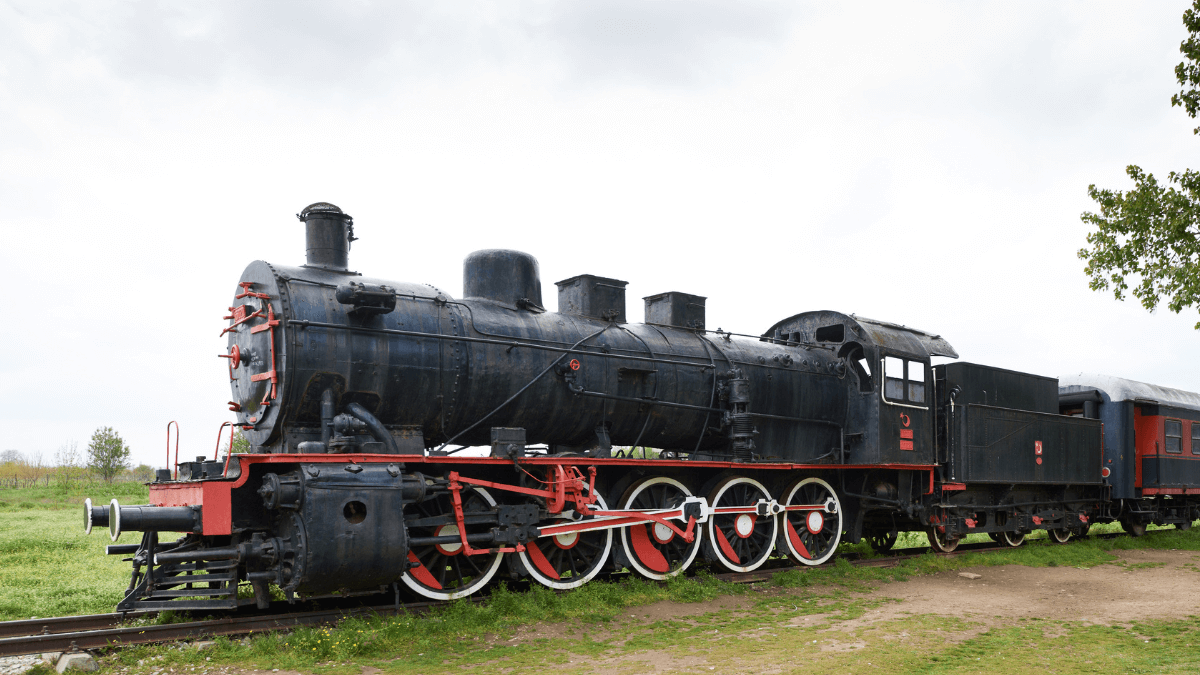
The Orient Express was more than just a train; it symbolized luxury and adventure. Beginning its journey in 1883, this legendary train allowed travelers to experience Europe in a way few could afford. Passengers enjoyed unparalleled luxury from Paris to Istanbul, covering thousands of kilometers across Europe’s most beautiful landscapes.
The train was a masterpiece, featuring opulent dining cars and lavish sleeper compartments. For many, the experience was more than simply travel; it was a journey through Europe’s art, culture, and sophistication. Aristocrats, celebrities, and wealthy individuals often chose the Orient Express as their preferred mode of transport.
The legacy of the Orient Express continues to inspire modern luxury train services, even though the original route ceased in 1977. The train’s mystique and classic elegance have been preserved in literature and film, captivating the imagination of people around the world.
Historical Significance
The Orient Express is an icon in railway history. It connected distant cities in Europe with a level of luxury and speed previously unseen. Its journey from Paris to Istanbul became legendary, and its impact on travel, culture, and even geopolitics was profound.
Beginnings and Expansion
The Orient Express first departed on October 4, 1883. Designed by Belgian entrepreneur Georges Nagelmackers and operated by the Compagnie Internationale des Wagons-Lits (CIWL), it promised luxury and reliability.
Its route started in Paris and reached Istanbul, crossing several European capitals. This impressive network included branches extending to Athens, Brussels, and London. The train set a new standard in long-distance travel, combining speed with comfort and redefining how the wealthy and adventurous traveled across Europe.
Wars and Interruptions
World War I and World War II significantly affected the Orient Express. During World War I, many routes were cut off due to the conflict, leading to the suspension of services. After the war, the train resumed but faced new challenges.
In World War II, the train again ceased operations. The post-war period saw sections of the route under different political controls, making travel complicated. Despite these challenges, the spirit of the Orient Express endured, symbolizing the resilience and adaptability of European rail travel through tumultuous times.
Golden Age of Travel
The Golden Age of the Orient Express began in the 1920s and lasted through the 1930s. This period was marked by unparalleled luxury, and the train became synonymous with opulence. Passengers enjoyed gourmet meals, plush interiors, and impeccable service.
Famous figures like statesmen, artists, and spies traveled on the Orient Express, adding to its romantic aura. The train played a unique role in Europe’s social and cultural fabric during this time, standing as a testament to human ingenuity and the desire for adventure and mobility.
Journeys and Routes
The Orient Express was renowned for its luxurious and scenic journeys across Europe. It connected major cities, creating a network that symbolized the golden age of rail travel. The train had several iconic routes and expanded its service over time.
Iconic Routes
The Original Route of the Orient Express connected Paris to Istanbul. This journey spanned over 1,500 miles and took three days. Notable stops included Strasbourg, Munich, and Budapest. The trip allowed passengers to experience the varied landscapes and cultures of Europe.
One significant variant of the route was the Simplon Orient Express. Starting in 1919, it traveled from Paris through Lausanne to Istanbul. This route was famous for its picturesque Swiss Alps and Italian countryside views.
The Direct Orient Express took over some routes in the 1960s. While maintaining the luxurious standard, it offered more direct services, including new destinations like Athens and the Balkans.
Expansion Beyond Europe
The Venice Simplon Orient Express (VSOE) became a modern symbol of luxury rail travel. Initially running between London, Paris, and Venice, it later extended to Istanbul. This revival route offered an elegant travel experience reminiscent of its storied past.
The Taurus Express further expanded the reach of the Orient Express network. Connecting Istanbul to the Middle East, this route opened new doors for adventurous travelers, reaching cities like Damascus and Baghdad.
Each of these expansions maintained high standards of comfort and service. The growing routes allowed more travelers to experience the allure and sophistication of the Orient Express.
Experience Onboard
The Venice Simplon-Orient-Express offers its passengers a luxurious and comfortable journey. The impeccable service and opulent amenities on board enhance this experience.
Service and Amenities
The service on the Venice Simplon-Orient-Express is outstanding. Passengers are greeted by uniformed staff who ensure every need is met. Attendants are available to help with luggage and provide information about the journey.
The train’s sleeper cars are furnished with plush beds, often with silk sheets, and have a beautiful Art Deco design. Each cabin is a private oasis, featuring comfortable seating during the day that converts into sleeping arrangements at night.
Pullman cars and luxury accommodations feature rich wood paneling and antique fixtures. The ambiance is reminiscent of a bygone era, creating a timeless travel experience. Fresh towels and toiletries are provided daily.
Dining and Leisure
Dining on the Venice Simplon-Orient-Express is a culinary delight. The dining car transforms into an elegant setting for meals prepared by gourmet chefs. Passengers can enjoy a range of cuisines, from multi-course dinners to freshly prepared breakfasts.
The restaurant cars are decorated with intricate designs and provide a scenic view for passengers. Meals are served on fine china with crystal glassware, enhancing the luxurious feel.
The train offers a bar car for leisure where passengers can relax and socialize. Live piano music often entertains guests as they sip on cocktails or champagne. This mix of luxury and comfort makes for a memorable and enjoyable journey.
Cultural and Media Impact
The Orient Express left a lasting mark on literature and film, becoming a symbol of intrigue and luxury. Significant figures across various professions were drawn to its allure, solidifying its cultural impact.
Literature and Film
Agatha Christie’s “Murder on the Orient Express” is perhaps the most famous work featuring the train. Published in 1934, this mystery novel introduced readers to Hercule Poirot, who solves a complex murder case set aboard the luxurious train. The story’s popularity led to multiple film and television adaptations, further cementing the Orient Express in pop culture.
Ian Fleming, known for his James Bond series, also referenced the train. In “From Russia with Love,” Bond travels on the Orient Express, adding an element of espionage and glamour. The train’s appearances in these influential works contributed to its mystique and allure.
Notable Figures
Throughout its history, the Orient Express attracted a varied and notable clientele. Artists, diplomats, spies, and royalty often traveled on the train during its operation from 1883 to 1977, making each journey not just a trip but an event.
Graham Greene frequently featured trains in his stories, and the Orient Express was no exception. Figures of mystery and notoriety, such as spies and diplomats, also chose this mode of travel for its discretion and convenience. High-profile passengers only added to the train’s legendary status.
The Orient Express was more than just a means of transportation; it was a cultural icon. Its influence extended into various aspects of society, inspiring stories and drawing the elite from different walks of life.
Modern Day Legacy
The Orient Express continues to captivate imaginations with its luxurious charm and historical significance. Its revival and modern adaptations keep this legendary train in the spotlight for today’s luxury travelers.
Revival and Restoration
In recent years, the Orient Express has seen a significant revival. James Sherwood, a key figure in its restoration, acquired several vintage carriages in the 1980s. His effort led to the creation of the Venice Simplon-Orient-Express, a restored version of the original train that offers luxury trips across Europe.
Art Deco designs and meticulous attention to detail preserve the vintage essence. The train features lavish compartments, gourmet dining, and exquisite service, symbolizing luxury travel. Current routes include Paris to Venice, connecting historic cities in grand style.
The train’s elegance is paired with modern updates, like high-speed trains, which offer faster travel without sacrificing comfort. This blend of old-world charm and contemporary convenience sets a new standard in luxury rail travel.
Continuing Fascination
The fascination with the Orient Express is not confined to its past. Modern audiences are intrigued by its storied journeys and opulent experiences. 2024, the train is anticipated to return with new Art Deco details, blending history with contemporary luxury.
Euronight services offer an additional layer of convenience, allowing travelers to enjoy overnight journeys on this iconic train. Exhibitions and media celebrate its legacy, ensuring its place in the cultural zeitgeist.
This continuing allure is reflected in books, movies, and even themed hotels. The Orient Express remains a powerful icon of romance and adventure, inspiring generations to dream of luxury and exploration.



Leave a comment