Finn Oakley has spent over five years as a nature and science writer at Discvr.Blog, drawing on his experience at National Geographic Channel. Based in Melbourne, he’s passionate about uncovering the world’s mysteries, dreams of returning to Peru, and enjoys Aussie Bites in his downtime.
In the dense tropical forests of Central America, the Chrysina limbata beetle shimmers like a fragment of a polished mirror, its silvery exoskeleton reflecting the world around it. This reflective brilliance is more than an aesthetic spectacle—it is an evolutionary triumph, blurring the line between organism and environment.
Entomologists have long admired the beetle’s mirror-like surface, a product of microscopic structures that refract light to create a seamless reflective effect. This optical wonder dazzles and serves as camouflage, allowing the beetle to vanish into its shimmering surroundings.
1) Chrysina limbata is known for its metallic silver color.
Chrysina limbata is a beetle celebrated for its shiny, metallic silver appearance. This striking color is not due to pigments but comes from the beetle’s unique body structures, which reflect light to give the beetle its distinct silver hue.
The color serves more than just an aesthetic purpose. It helps Chrysina limbata blend into its surroundings, providing effective camouflage against predators. When light hits its surface, the beetle appears less visible, making it harder for birds and other threats to spot.
Researchers are interested in Chrysina limbata because its silver shine is an example of structural coloration. This phenomenon occurs when microscopic structures interfere with light, creating vibrant colors. The beetle’s shell contains layers that alter light reflections, resulting in its metallic look.
This feature has inspired studies in materials science. Scientists look to the beetle’s unique structural color for ideas to create new materials with similar visual effects. These studies aim to develop more efficient paints, coatings, and displays, harnessing the principles observed in Chrysina limbata.
2) Found mainly in Central America, especially in Costa Rica.
Chrysina limbata, a type of jewel beetle, is most commonly found in Central America. This region is known for its rich biodiversity, hosting a wide variety of insect species. Chrysina limbata thrives particularly well in the lush environments available there.
Costa Rica, in particular, provides the perfect habitat for Chrysina limbata. The country’s forests, filled with diverse plant life, offer these beetles a plentiful supply of food and ample cover. Their presence is a testament to the ecological richness of Costa Rica.
These beetles are not just limited to one area. They can be spotted across various parts of Central America. While Costa Rica is a significant location for them, their distribution extends to neighboring regions with favorable conditions.
3) Its Iridescent Appearance is Used for Camouflage in the Wild
Chrysina limbata is a beetle known for its stunning iridescent shell. This shimmering look is not just for show. In nature, it helps the beetle hide from predators. The beetle blends in with its surroundings by reflecting light in different ways.
The changing colors of the beetle’s shell are due to tiny structures on its surface. These structures change the way light bounces off the shell. When sunlight hits, it creates a rainbow effect that can confuse or mislead predators.
In a dense forest, the beetle’s shiny appearance mimics droplets of water on leaves. This tricky disguise makes it hard for animals to spot. The combination of light and color helps the beetle stay safe by becoming nearly invisible in its habitat.
4) This beetle belongs to the Scarabaeidae family.
Chrysina limbata is part of the Scarabaeidae family, which includes a wide variety of beetles. This family is known for its diverse members, ranging in size, color, and habitat. They are commonly referred to as scarab beetles.
These beetles are found worldwide and have adapted to different climates and environments. Many scarab beetles are known for their distinctive, often shiny, exoskeletons. Chrysina limbata is no exception, showcasing beautiful iridescent colors.
The Scarabaeidae family also plays a vital role in nature. Some species break down dung and plant material, which helps in nutrient recycling. Their ecological roles can affect soil quality and plant growth, making them crucial members of many ecosystems.
Scarabaeidae beetles display a wide range of behaviors. Some species, like the dung beetles, create and roll dung balls. Others may have unique courting and mating rituals. Each species has its own fascinating traits and adaptations.
5) It has a reflective shell that can act as a natural mirror.
The Chrysina limbata beetle features an astonishingly reflective shell. Its outer surface can reflect light in a way that resembles a mirror. This curious quality allows it to blend into its surroundings by reflecting its surrounding environment.
This reflectivity is due to microscopic structures within the beetle’s shell. These structures create an optical effect that scatters light. Because of this, the shell can reflect a broad spectrum of colors, creating a shimmering, mirror-like appearance.
This mirror-like reflection helps the beetle evade predators. By reflecting its surroundings, the beetle becomes less visible. Its natural disguise serves two purposes: protecting it from threats and allowing it to hunt stealthily.
Enjoyment and relaxation often find a way into our lives with the help of cute and enchanting creatures. Baby animals, in particular, have a unique charm that can make almost anyone smile. These young beings exude innocence and wonder, captivating the hearts of those who see them.
Witnessing their playful antics and endearing appearances can quickly lift spirits and bring joy to people’s lives. Whether it’s their tiny paws or the way they explore the world around them, baby animals have a special quality that cheers up even the hardest days.
1) Fennec Fox
The fennec fox is one of the most distinctive foxes. It is known for its large ears and small size, which help it hear prey and release heat to keep it cool in its desert home. The fennec fox lives in the Sahara Desert and other parts of North Africa.
Fennec foxes are nocturnal, meaning they are active at night when the desert temperatures drop. During the day, they rest in burrows to avoid the heat. Their fur reflects sunlight, providing additional protection from the harsh environment.
Baby fennec foxes are particularly adorable with their oversized ears and fluffy coats. They often play with their siblings, learning important survival skills. Fennec foxes are skilled hunters despite their small size, feeding mainly on insects, small mammals, and plants.
Fennec foxes can communicate through various sounds and body movements. Their soft barks and whimpers help them interact with each other. In the wild, their social behavior includes living in small family groups. This unique social structure allows them to thrive in harsh desert conditions.
2) Red Panda Cub
Red panda cubs are small, fluffy, and incredibly cute. They are born blind and only open their eyes after about 18 days. They weigh just a few ounces at birth and are covered in soft gray fur.
These cubs rely on their mothers for warmth and milk. Mothers create nests where the cubs stay safe from predators, usually in hollow trees or rock crevices.
As they grow, red panda cubs start exploring their surroundings. They develop the reddish-brown fur typical of adult red pandas. Playful and curious, they like climbing and tumbling around.
The red panda is not closely related to the giant panda. Instead, it shares connections with raccoons and skunks, which belong to the Ailuridae family. Both panda species have a similar name due to their shared love of bamboo as a main food source.
Red panda cubs are native to the eastern Himalayas and southwestern China. Due to habitat loss, they are considered at risk. Conservation efforts are critical for ensuring these charming creatures thrive in the wild.
3) Koala Joey
Koala joeys are among the most adorable creatures in the animal kingdom. Born tiny and underdeveloped, they spend their first six months in their mother’s pouch, growing and developing. This time is crucial for their survival as they gain strength and nourishment.
Once they are big enough, joeys venture out of the pouch. At this stage, they are often seen clinging to their mother’s back or belly. This close bond helps the joey learn essential skills and adapt to their environment.
Koala mothers provide a special diet for their joeys, known as “pap,” which is partially digested eucalyptus leaves. This helps the young koalas transition from milk to solid leaves, preparing them for independence. Watching a joey take its first steps or nibble on eucalyptus can make anyone smile.
4) Meerkat Pup
Meerkat pups are small, furry animals of the mongoose family. They are native to the arid regions of Southern Africa and are fascinating to observe because of their playful and social nature.
These young meerkats rely heavily on protecting their large family groups, called mobs. A meerkat mob takes turns watching over the pups while others forage for food or take a break. This teamwork ensures their safety and survival.
Meerkat pups are curious and active, spending much of their day playing and exploring their surroundings. Through play, they learn essential skills like hunting and self-defense. This playful behavior is crucial for their development and helps them succeed as adults.
The joyful energy of meerkat pups, combined with their small size and endearing appearance, can bring a smile to anyone’s face. Their playful antics are both charming and vital to their growth, making them a delightful subject for nature enthusiasts and animal lovers alike.
5) Hedgehog Baby
Hedgehog babies, often called hoglets, are tiny and covered with soft spines at birth. They are born blind and rely on their mother for warmth and protection. These little ones are fascinating to observe as they start to explore their surroundings.
As they grow, hedgehog babies develop distinct spines and begin to forage for food. They typically eat insects and small invertebrates. Watching them learn to navigate their environment is both adorable and captivating.
Hoglets usually stay with their mother for several weeks before becoming independent. Their small size and curious nature make them endearing to many animal lovers. Observing their interactions with their mother and each other can be a delightful experience.
6) Slow Loris Infant
The slow loris looks like a real-life stuffed animal. With big eyes and gentle movements, it’s no wonder people find it irresistibly cute—especially as babies.
But behind that innocent stare is something far more surprising.
The slow loris is one of the only venomous mammals on Earth. It secretes a toxin from glands on its arms, which it licks before biting. That bite can cause serious swelling, intense pain, and even allergic shock.
Even young slow lorises are equipped with a strong grip that helps them cling to branches and stay safe in the wild. And while they’ve become viral video favorites, experts warn they’re not pets. Their needs are complex, and their defenses are real.
Cute doesn’t mean harmless. The slow loris proves it.
7) Panda Cub
Panda cubs are known for their undeniable cuteness, fluffy fur, and playful nature. At birth, they are tiny and almost unrecognizable, weighing only about 100 grams. As they grow, these cubs start developing their distinctive black-and-white markings.
Watching a panda cub explore its world is a delight. Pandas are curious and love to climb and tumble around. These playful antics help them develop strength and coordination.
Panda cubs rely on their mothers for the first few months for nutrition and warmth. After a few months, they start munching on bamboo, which will become a staple in adults’ diets.
Due to habitat destruction, pandas are considered a vulnerable species. Conservation efforts focus on protecting their natural habitats and breeding programs. Panda cubs play a crucial role in ensuring the survival of their species.
Seeing a panda cub is a heartwarming experience, emphasizing their role as symbols of conservation.
8) Siberian Husky Puppy
Siberian Husky puppies are known for their striking blue or multi-colored eyes and thick, fluffy coats. These puppies are not only beautiful but also full of energy and curiosity.
They quickly capture attention with their playful antics. Even from a young age, they show signs of the intelligence and spirit that make them great sled dogs.
Caring for a Siberian Husky puppy requires dedication. They need regular exercise and mental stimulation to keep them happy, and socialization is important to help them grow into well-behaved pets.
Their friendly nature often makes them wonderful companions. With a history of working in teams, they’re typically good with other dogs and humans. Whether in a backyard or hiking trail, they love exploring.
While they may seem like a handful at times, the joy they bring is immense. Their lively presence and loving behavior can quickly lift anyone’s mood. With patience and care, a Siberian Husky puppy can grow to be a loyal and happy family member.
9) Quokka Joey
Quokka joeys are incredibly charming and known for their friendly faces, often appearing to smile. These tiny marsupials are native to islands off the coast of Western Australia, such as Rottnest Island.
Like other marsupials, a quokka joey starts life in its mother’s pouch. After about six months, it begins venturing out, exploring its surroundings while nursing.
Quokkas are herbivores that nibble on leaves and grass. Joeys learn to eat solid food as they grow, mimicking their mothers. Though nocturnal, quokka families can often be spotted during the day, delighting visitors with their playful antics.
Their approachable nature and photogenic appearance have made quokkas popular for wildlife photographers. While quokkas are often happy to interact with humans, respecting their space and avoiding feeding them is crucial. They thrive best on their natural diet and in their unique habitat.
These tiny creatures have become icons, symbolizing joy with their cheery expressions. Observing a quokka joey bouncing around will lift anyone’s spirits and remind them of the simple pleasures in life.
10) Sloth Bear Cub
Sloth bear cubs are tiny bundles of energy and curiosity. Born in the sheltered environment of a den, they spend their early days close to their mother. These cubs are recognizable by their shaggy black fur and distinctive chest marking, which can vary in shape, often forming a “V” or “Y.”
Mother sloth bears are very protective, keeping their young safe from threats. The cubs ride on their mother’s back, clinging tightly as she moves through the forest. This behavior helps them stay safe while exploring their surroundings.
Sloth bear cubs rely on their sharp claws and strong sense of smell. These adaptations help them dig for food and identify scents, skills they develop while playing and exploring with their siblings. Sloth bear cubs are a testament to the diverse wonders of the animal kingdom.
11) Seal Pup
Seal pups are enchanting creatures with big, dark eyes and soft, white fur. These young seals are usually born on icy shores or beaches and spend their earliest days close to their mothers. They rely on their mothers’ milk to grow and gain strength during this time.
The pups’ fluffy white coats help keep them warm in the chilly climates where many seal species live. This coat also camouflages them against predators, blending in with the snowy environment. As they grow, their fur changes, and they start to play and explore the world around them.
Seal pups often engage in playful behaviors, such as rolling in the snow or splashing in shallow water. This play is important for developing the skills they will need as adult seals. Watching seal pups can bring joy to many people due to their cute, clumsy movements and curious nature.
12) Elephant Calf
Elephant calves are among the cutest and most lovable creatures in the animal kingdom. With their floppy ears and curious trunks, they capture hearts everywhere. They are born after a long gestation period of about 22 months and weigh around 200 to 250 pounds at birth.
From the start, elephant calves rely heavily on their mothers and the herd for protection and learning. The matriarch leads the family, teaching calves important skills and guiding them through dangers. Calves are playful and often seen exploring their environment with excitement.
Young elephants are very social. They form close bonds, play with other calves, and mimic the adults around them. Their playful behavior helps them grow strong and learn vital skills. This social nature is key to their development and survival as part of the herd.
These fascinating animals develop at their own pace. They stay close to their mothers for about two to five years. During this time, they gradually gain independence but still depend on the herd’s wisdom and guidance. Watching these inquisitive, gentle creatures is a joy to all who have the privilege.
13) Harbor Seal Pup
Harbor seal pups are known for their large, soulful eyes and soft, speckled fur. They are usually born in spring or early summer and can swim soon after birth. This early swimming ability helps them stay safe from predators.
These pups spend a lot of time on land resting and warming up. They stick close to their mothers, who provide milk and protection. As the pups grow, they become more curious and learn how to hunt.
Harbor seals feed on a diet that includes fish and crustaceans. Young seals develop their hunting skills by observing their mothers and practicing catching small fish. Watching their playful antics in the water is both entertaining and heartwarming.
These adorable animals are often seen in coastal waters and are a favorite among wildlife watchers. Conservation efforts help ensure their habitats remain safe and undisturbed. Harbor seal pups continue to bring joy to those who can see them up close.
14) Otter Pup
Otter pups are some of the cutest creatures you can find. They are born small, with closed eyes and velvety fur. As they grow, their playful nature becomes evident.
These pups often stay close to their mothers for safety and learning. Sea otter mothers wrap their young pups in kelp to keep them from drifting while they hunt.
Otters are excellent swimmers, but it takes time for pups to learn. Until then, they rely on their mothers for protection and sustenance. Watching a pup learn to float and paddle is both entertaining and heartwarming.
Otters’ social nature makes their interactions fascinating to observe. Otter pups engage in playful wrestling and chasing, which helps them develop important skills needed for survival in the wild.
In many places, otters face habitat loss, pollution, and climate change challenges. Conservation efforts are vital to protect these delightful animals and ensure future generations can enjoy their playful antics.
15) Dik-Dik Calf
Dik-dik calves are tiny antelopes found in certain parts of Africa. They are known for their small size and gentle nature. With large eyes and a pointed snout, they have a distinctive and adorable appearance.
These calves are born weighing only a few pounds. Their soft fur usually has a speckled pattern that helps them blend into their surroundings. This camouflaging is crucial for evading predators.
Dik-dik calves are nurtured by their mothers in the early weeks. Within hours of birth, they quickly learn to stand and walk, which is important for their survival. Soon, they begin exploring their environment.
The calves often remain close to the family unit. They bond closely with their parents, especially the mother, who provides them the care they need in their early life stages. As they grow, they become more independent. Their development is swift, and they transform into agile adults.
Because of their small size and charming looks, dik-dik calves capture much attention. They are a perfect example of how diverse and captivating wildlife can be. These calves contribute to the rich tapestry of nature’s wonders.
16) Snow Leopard Cub
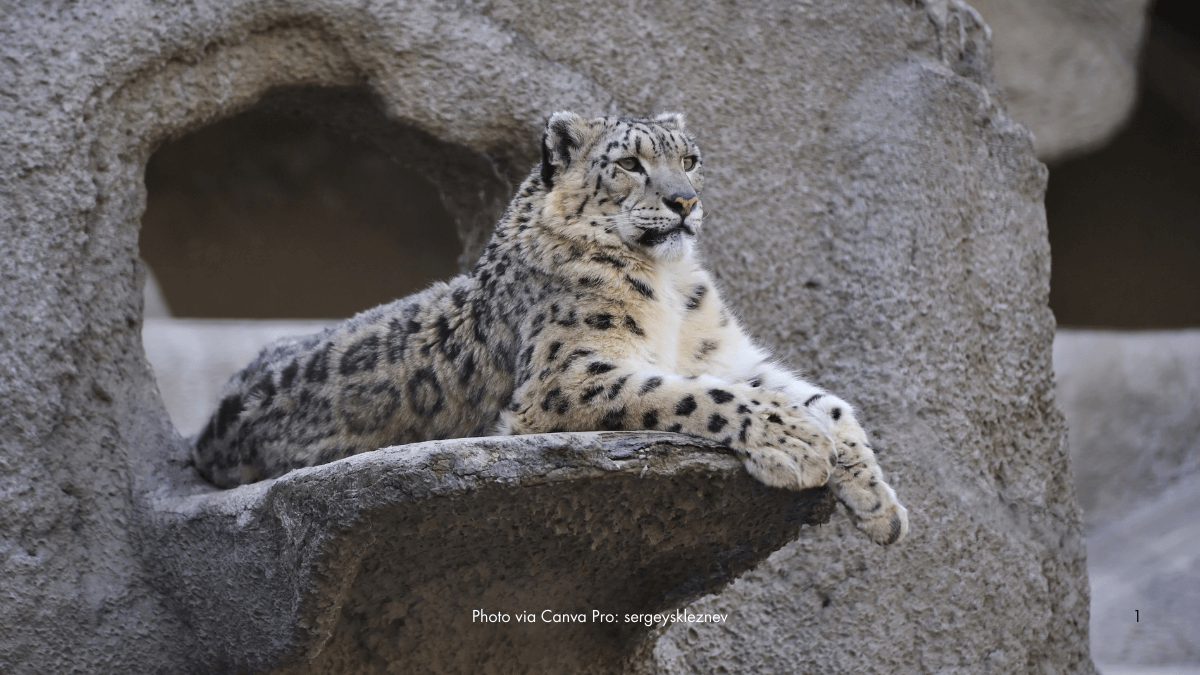
Snow leopard cubs are some of the most adorable creatures in the animal kingdom. Born blind, the cubs rely on their mother for care and protection during their early weeks. Their fluffy coats help them blend into the rocky terrain of their mountainous habitats.
As they grow, these cubs start showing signs of playfulness. Play-fighting with their siblings helps them develop essential hunting skills. Their sharp instincts begin to resemble those of adults as they pounce on and stalk imaginary prey.
Snow leopards are native to Central and South Asia and thrive in high altitudes. Their cubs are usually born in dens made from rock crevices, which provide them with shelter from harsh weather and predators.
When the cubs reach about two months old, they explore outside the den. At this stage, their curiosity about the world around them increases. They closely observe their mother, learning important survival skills.
Unfortunately, snow leopards are considered vulnerable due to habitat loss and poaching. Conservation efforts are crucial to ensuring these remarkable cubs grow into strong adults. Protecting their natural environment helps maintain the balance of wildlife in their region.
17) Serval Kitten
Serval kittens are among the most captivating wild cats you might ever see. With their large ears and distinctive spotted coats, they are truly unique. Native to Africa, servals live in various habitats, such as savannas and wetlands. Their ears play a crucial role in catching prey, as they help detect subtle sounds in the grass.
These kittens are born with blue eyes that change to golden. They grow quickly under the care of their mothers. In the wild, serval kittens learn hunting skills through play and observing their mother. They are skilled leapers, capable of jumping high to catch birds or insects.
Despite their charm, servals are not typical pets. They are wild animals with specific needs. While they might seem small and adorable, owning a serval requires special permits and a commitment to their care. Understanding their natural behavior and the environment they require to thrive is essential.
18) Kangaroo Joey
Kangaroo joeys are some of the most endearing baby animals in the animal kingdom. These little creatures are known for their remarkable journey right after birth. Born tiny and underdeveloped, they make their way into the mother’s pouch, continuing to grow and develop safely.
Inside the pouch, kangaroo joeys nurse and grow, relying on their mother’s protection to survive. This unique adaptation enables them to explore the world safely once they are larger and stronger. The pouch provides a warm and secure environment for their early life stages.
Kangaroo joeys use their developed forelimbs to navigate through their mother’s fur. Their eyes remain closed, relying on instinct and touch to guide them. Over time, as they grow bigger, they start peeking out and eventually venturing outside the pouch.
The bond between the mother and her joey is strong. The mother provides nourishment and care until the joey can navigate independently. This period is crucial for learning survival skills. Watching a kangaroo joey with its mother is a heartwarming sight that highlights the nurturing dynamics in the animal world.
19) Penguin Chick
Penguin chicks are some of the cutest creatures in the animal kingdom. They typically hatch after a long incubation period, protected by their dedicated parents. Adélie penguin dads, for example, are known for their diligent care, often standing guard to keep their chicks safe from the cold.
These chicks have soft, fluffy feathers that help keep them warm. These down feathers are usually gray or brown, making them appear even fluffier. As they grow older, their fluffy feathers are replaced by the waterproof plumage of adult penguins.
Penguin chicks rely heavily on their parents for food. Adults return from the ocean, bringing back meals of regurgitated fish and krill for the chicks. Watching a penguin parent feeding its chick is a delightful scene, showcasing the care and effort these birds put into raising their young.
In many penguin species, creches, or groups of chicks, are formed. These creches provide warmth and protection from predators while the parents hunt. Seeing tiny, fluffy penguin chicks huddling together is incredibly endearing. It highlights how social and cooperative these animals are from a young age.
20) Baby Tapir
Baby tapirs are known for their unique and cute appearance. When they are born, they have dark bodies with white stripes and spots. This pattern helps them blend into the forest, making it harder for predators to spot them.
These markings make baby tapirs look a bit like watermelons on legs. As they age, these patterns fade, and their coats change to a solid color.
Tapirs are related to horses and rhinoceroses. They have short legs and a snout that they use to grab leaves and fruit. Baby tapirs often stay close to their mothers, learning to survive in the wild.
Tapirs are found in Central and South American rainforests and parts of Southeast Asia. They are essential for the ecosystem because they help with seed dispersal, which supports plant growth.
Observing a baby tapir is a delightful experience. Their curious nature and small size make them endearing creatures. By protecting their habitats, people can help ensure that these charming animals continue to roam the forests.
21) Fluffy Yellow Duckling
The fluffy yellow duckling is one of nature’s most charming creatures. With soft downy feathers and a cheerful yellow hue, these young birds bring smiles wherever they waddle. Their vibrant color is eye-catching and helps them blend in with their surroundings, especially in sunlit grassy areas.
Ducklings are highly social and often seen sticking close to their siblings or parents. They instinctively follow their mother, which helps them learn critical survival skills. Their synchronized movements as they trail behind their parent are adorable and practical, providing safety in numbers.
These tiny birds thrive in the presence of water. A shallow pond or puddle becomes their playground to develop swimming skills. Ducklings are already equipped with natural instincts to enjoy water, and their webbed feet make them exceptional swimmers from a young age. Watching them paddle joyfully can boost anyone’s mood.
22) Lynx Kitten
Lynx kittens are charming with their tufted ears and soft, fluffy coats. They are born with a light gray color that changes and becomes more distinctive as they grow. Their large paws help them move quickly through snowy habitats, a skill inherited from their wild ancestors.
For the first few months, lynx kittens stay close to their mother. They rely on her for protection and to learn basic hunting skills. During this time, lynx kittens are playful and curious, developing their strength and agility.
Lynx kittens have sharp teeth, much like their adult counterparts, making them effective carnivores as they mature. They begin to venture out a bit more to explore their environment while gradually getting ready for life in the wild.
Their appearance is marked by a short, stubby tail with a black tip. This tail is a signature feature of all lynxes. The kittens’ fluffy fur adds to their cuteness and keeps them warm. Watching a lynx kitten grow and develop is a fascinating glimpse into the life of a skillful predator in the making.
23) Lemur Baby
Lemur babies are among the cutest creatures in the animal kingdom. These small primates are native to Madagascar and have big, bright eyes that enchant anyone who sees them. When born, they are often smaller than a human hand and rely heavily on their mothers for care.
Lemur babies cling to their mother’s fur as they travel through the treetops. This close bond helps ensure their safety and well-being. As they grow, lemurs explore their surroundings and learn to climb and jump.
Watching a lemur baby play is an absolute delight. They are energetic and curious, constantly testing their limits and learning about their environment. Their playful antics can bring joy and laughter to those who have the chance to observe them.
Lemurs have a unique social structure. Young lemurs learn important skills from their family members. As they develop, they gain independence but remain part of their social group. Their mothers and other group members play vital roles in teaching and protecting them.
Lemur babies are not only adorable but also vital to the survival of their species. Each new generation helps preserve the rich biodiversity of Madagascar’s unique ecosystem.
24) Chinchilla Kit
Chinchilla kits are among the most adorable baby animals. Born in groups called litters, these tiny creatures have soft, fluffy fur and wide, curious eyes. Chinchillas are native to the Andes mountains in South America and live in rocky, arid regions.
A chinchilla kit is born fully furred and with its eyes open, making it quite active from an early age. They grow quickly, and within several weeks, they explore their surroundings more confidently.
Chinchillas are nocturnal, which means they are most active at night. During the day, they often rest and conserve energy. Kits also inherit this schedule, playing and exploring under the moonlight.
One remarkable feature of chinchilla kits is their dense fur. This fur helps protect them against cold temperatures. It also makes them highly sought after as pets. People love their soft coats and gentle nature.
Caring for a chinchilla kit involves providing a safe space and a balanced diet. Proper care ensures they grow into healthy adult chinchillas, capable of living long lives, up to 15 years or more. Their playful antics and sweet demeanor make them a favorite among animal enthusiasts.
25) Platypus Chick
The platypus chick is an extraordinary creature that captivates everyone with its unique charm. These small mammals are native to eastern Australia and Tasmania. Unlike what many people might expect, platypus chicks hatch from eggs. The mother nests in burrows and incubates the eggs by curling around them.
Newly hatched platypus chicks are tiny and helpless. At this stage, they are blind and hairless. The mother feeds them with milk that she secretes from mammary gland openings, as platypuses do not have nipples.
As the chicks grow, they begin to develop their characteristic features. Their webbed feet and bills become more evident. These features, unique to platypuses, help them adapt to their semi-aquatic lifestyle.
Observing the development of a platypus chick offers insight into the diversity and wonder of the animal kingdom. These chicks remind us of nature’s creativity and the remarkable adaptations creatures evolve for survival.
26) Tiger Cub
Tiger cubs are undeniably adorable and can make anyone smile. With their large, curious eyes and playful nature, these young animals captivate those who see them. They are born blind and rely on their mothers for the first few weeks.
As they grow, tiger cubs start exploring their surroundings. They practice hunting skills through playful pouncing and chasing. These activities are essential for their development and prepare them for adulthood.
Their soft, striped fur helps them blend into their environment, providing camouflage from predators. This adaptation is crucial for their survival in the wild. Watching a tiger cub play is a heartwarming experience, bringing joy to anyone fortunate enough to observe.
27) Piglet
Piglets are often seen as symbols of innocence and curiosity. With their small size, tiny snouts, and soft squeals, they effortlessly capture hearts. These little ones are known for their playful nature, often seen running around and exploring their surroundings.
Piglets have a strong bond with their littermates and mothers. They are social animals, constantly interacting and communicating through a range of vocalizations, which makes them fascinating to watch.
In addition to their playful behavior, piglets are surprisingly intelligent. As they grow, they learn quickly and can recognize family members, which helps build strong social groups. Their natural behavior and adaptability make them cute and intriguing creatures.
28) Bunny Kitten
A “bunny kitten” is not a real animal but rather a charming way to describe the exceedingly cute appearance of small kittens. Their soft fur and tiny features make kittens look as adorable as baby bunnies. This comparison highlights their delicate, lovable nature.
When watching a kitten play or rest, its innocence and playfulness bring joy and calmness. They often have big, curious eyes and small, twitchy noses, effortlessly capturing hearts.
Like bunnies, kittens rely on their soft, pudgy bodies and gentle demeanor to captivate anyone who spends time with them. These qualities make them appealing to people of all ages. Whether napping in the sun or exploring new surroundings, kittens exude a sense of wonder and tranquility.
The combined innocence of these creatures, either in reality or through imaginative descriptions, helps to lift spirits and brighten moods, even on challenging days.
29) Goat Kid
With their small size and playful nature, goat kids are incredibly charming. They often have soft, fluffy coats and bright, curious eyes that invite anyone to smile. These baby goats hop around energetically, displaying agility and a sense of adventure from an early age.
Their playful antics include climbing on objects, jumping, and play-fighting with each other. This behavior is not only fun to watch but is also essential for their development. It helps them build muscle strength and learn important social skills, which they will need later in life.
Goat kids are known for being social creatures. They love interacting with humans and other animals. This friendly nature makes them popular animals on farms and petting zoos, where they easily win the hearts of visitors with their adorable antics and affectionate behavior.
While they are young, goat kids need proper care and diet to grow healthy. They rely initially on their mother’s milk, gradually moving on to solid foods like hay and grains. Their caretakers ensure they have a safe environment to explore and discover the world around them.
The joyful presence of goat kids can brighten any day, offering a delightful glimpse into the lively world of farm animals.
30) Fox Kit
Fox kits are young foxes, often seen exploring their surroundings with curiosity. With their large ears, fluffy tails, and bright eyes, they capture attention and admiration quickly. These playful creatures are full of energy, providing endless entertainment as they frolic, pounce, and chase each other.
Fox kits start venturing out of their dens at about four weeks old. During this time, they learn essential survival skills from their parents, like hunting and avoiding danger. Observing fox kits in the wild highlights their social nature and close family bonds.
Despite their playful demeanor, fox kits face many challenges. Weather, predators, and food scarcity can influence their chances of survival. By the time they are about six months old, they are typically ready to leave their parents and start life on their own.
These charming animals can be found in various habitats, from forests to urban areas. Their adaptability allows them to thrive in diverse environments. Fox kits add a touch of wild charm wherever they live, enchanting those lucky enough to catch a glimpse. Their presence is a small reminder of nature’s enduring beauty and complexity.
The Science of Cuteness
Scientific study has focused on the phenomenon of cuteness, particularly in baby animals. It has revealed fascinating insights into why these creatures captivate us and benefit our mental well-being.
Why Baby Animals Make Us Happy
Images and videos of baby animals tend to evoke strong feelings of happiness. This reaction is partly due to evolutionary biology. Baby animals often have features like large eyes and round faces, which trigger human nurturing instincts. These characteristics activate brain regions associated with pleasure and care.
Kringelbach’s studies show these features can capture attention quickly and lead to heightened carefulness. This response likely influenced human evolution by encouraging adults to care for their young, boosting survival rates.
Psychological Benefits of Cuteness
Engaging with cute animals can have several psychological advantages. Viewers often report feeling a mood lift after watching or interacting with cute animal content. This reaction is tied to the role of cuteness in triggering positive emotions, which can reduce stress.
Cuteness can also enhance productivity. It was observed that people might experience increased focus and carefulness after exposure to cute images. This effect can help in tasks requiring careful attention to detail, making cuteness a tool for relaxation and improved mental efficiency.
How Baby Animals Affect Our Emotions
Baby animals can uplift human emotions by reducing stress and anxiety and enhancing feelings of connection. They interact with people in ways that trigger positive emotional responses.
Reduction of Stress and Anxiety
Interacting with baby animals can significantly decrease stress and anxiety levels. Their playful antics, innocent expressions, and gentle manners can trigger the release of endorphins, chemicals in the brain that make people feel good.
Petting and Playing: Spending time petting or playing with them can have a calming effect. This interaction distracts from worries and provides a mental break.
Studies suggest that being around these little creatures can lower cortisol—a stress hormone—in the body, promoting a sense of calm and relaxation. Even brief encounters can be effective, making baby animals a wonderful source of comfort.
Enhancing Human Connection
Baby animals help foster connections between humans. Their presence encourages social interaction and communication. When people talk about or share experiences with baby animals, it often leads to bonding moments.
Human and animal interactions can strengthen empathy. Observing their needs and feelings helps people develop a deeper appreciation for compassion and care.
For children, engaging with baby animals encourages kindness and cooperation. They learn to express themselves better and understand the importance of nurturing. This shared experience brings people closer and creates lasting emotional bonds.
Understanding a dog’s emotions can be a bit challenging. Owners often wonder if their furry companions are genuinely content. Knowing the signs of happiness in dogs can help strengthen the bond between pets and owners.
Recognizing these signs can improve the well-being of both the dog and the owner. Happy dogs tend to exhibit behaviors that are easy to spot once the owner knows what to look for.
1) Wagging tail with relaxed body
A dog’s tail is an important indicator of its mood. When a dog is happy, its tail is often wagging gently and loosely, showing that the dog is comfortable and pleased.
The position of the tail matters, too. A tail held at a natural height, neither too high nor too low, suggests a calm and content state. The wagging is usually accompanied by other relaxed body signs, like a wagging pelvis.
A dog’s relaxed body posture further confirms its happiness. This includes a soft gaze and a slightly open mouth. The dog’s muscles appear smooth, not tense. These physical cues indicate that the dog is feeling joyful and at ease.
Observing the direction of the wag can also provide clues. Sometimes, the tail wags more to one side, which may signal different emotions. The important thing is the relaxation and rhythm of the movement. A happy dog will exhibit these signals together.
2) Playful and energetic demeanor
A happy dog often shows a playful and energetic demeanor. When in good spirits, dogs engage actively in play, which may include running, jumping, or chasing toys. These activities are enjoyable for the dog and help to burn off excess energy.
Energetic dogs may wag their tails, bounce around, or use playful body language like bowing. This behavior signals that the dog feels comfortable and secure in its environment. It may also invite humans or other pets to join in the fun.
Playfulness can vary from dog to dog. Some might prefer playing with people, while others enjoy interacting with other dogs. When dogs show excitement and readiness for a game, it’s a positive sign of their happiness.
It’s essential to provide opportunities for dogs to express their natural playfulness. Regular exercise and playtime can help maintain their joy and health. Being attentive to a dog’s playful signals can strengthen the bond between pet and owner, contributing to the dog’s overall well-being.
3) Enjoys Belly Rubs and Cuddles
When a dog eagerly accepts belly rubs, it shows trust and happiness.
A belly-up position shows that the dog feels safe and comfortable. It’s a vulnerable posture, and a happy dog will often expose its belly to someone it trusts.
Cuddling is another indicator of a dog’s happiness. Dogs lean against or sit close to people when they enjoy their company. This displays comfort and affection, suggesting that the dog feels content.
Some dogs will even nuzzle their heads into their owner’s hands or laps. This behavior indicates that the dog seeks closeness and connection, reflecting a happy and secure relationship.
Not all dogs enjoy prolonged petting or cuddling, but those often show signs of happiness when they lean in for more. Each dog is unique, and their preferences might vary, but a desire for physical affection is often a clear sign of a happy dog. Observing these signs can help in understanding a dog’s contentment level.
4) Bright, alert eyes
A dog’s eyes can reveal much about its mood and well-being. When a dog is happy, its eyes appear bright and clear, often indicating a state of happiness and contentment. Dogs express emotions through their eyes; sparkling eyes are a good sign of positive feelings.
Happy dogs often have relaxed eyelids and maintain eye contact without signs of stress or fear. Their gaze tends to be gentle and soft rather than tense or aggressive. When interacting with people they trust and love, a dog’s eyes might sparkle a little more.
In addition to eye brightness, pay attention to overall expression. A happy dog may have slightly squinted eyes and a relaxed body posture, which often reflects its comfort and happiness. Bright and alert eyes indicate that a dog enjoys life and feels good overall.
5) Eating with Enthusiasm
One clear sign that a dog is happy is when it eats enthusiastically. A dog eagerly approaching its food bowl can be a good indicator of its overall well-being.
When a dog is excited during meal times, it may wag its tail or even dance in anticipation. This eagerness to eat suggests that the dog feels good physically and emotionally.
Dogs that enjoy their meals are often in good health. They might show signs of preference for certain foods, licking the bowl clean when something is especially tasty. This behavior points to a content and satisfied dog.
Conversely, if a dog suddenly shows less interest in eating, it can be a sign of discomfort or stress. A happy and healthy dog will typically be enthusiastic about regular meal times.
Understanding Your Dog’s Body Language
Dogs communicate through a range of signals. Tail wagging and facial expressions are critical indicators of their emotions. Observing these can help determine a dog’s happiness and comfort.
Tail Wagging Styles
The way a dog wags its tail can reveal its feelings. A wagging tail is often seen as a sign of happiness, but the position and speed of the tail wagging can change this meaning.
A dog wagging its tail high and quickly usually feels confident or excited. If the wagging is low or slow, the dog might be worried or insecure. A straight-out tail that wags in short bursts can signal alertness or aggression. Understanding these nuances can help you respond properly to a dog’s needs or feelings.
Additionally, some breeds have different tail shapes, which may affect how easily they read their tails. For example, dogs with curly tails may require closer observation of other body language to understand their emotions.
Facial Expressions
A dog’s face can tell a lot about how it is feeling. Relaxed eyes and a slightly open mouth often mean the dog is happy and content. A dog with soft, blinking eyes is also typically at ease and might express love or trust.
Raised eyebrows or wide eyes might indicate curiosity or surprise. If a dog is tense and showing the whites of its eyes, it might be uncomfortable or fearful. Observing these expressions can help one recognize a dog’s mood.
Lip licking without food present is another sign to watch. It can indicate nervousness or stress. By understanding these signals, owners can improve their bond with their furry friends.
Behavioral Signs of a Happy Dog
A dog’s happiness shines through its playful energy and interactions with others. Understanding these behaviors can help owners ensure their furry friends are content and thriving.
Playful Energy
When dogs are happy, they often show an energetic demeanor. They might engage in activities like running, jumping, or playing fetch. A playful dog will have bright eyes and a wagging tail, often seen as an invitation for fun. They may exhibit behaviors like bowing with their front legs while their tail remains high, known as the “play bow”. This posture is a classic sign that they are in the mood to have fun.
Happy dogs also tend to explore their environment with curiosity and confidence. They may sniff around or chase after toys. Their movements are typically relaxed and fluid, without any signs of fear or aggression. An active dog usually sleeps well and wakes up ready for more adventures, showing that it is healthy and content.
Social Interaction
Social interaction is a vital indicator of a dog’s happiness. Content dogs often seek the company of their humans and other pets. They might nuzzle, wag their tail eagerly, or lean against their owner for comfort and affection. A happy dog welcomes meeting familiar faces enthusiastically and enjoys playing with other dogs at the park.
These dogs exhibit friendly behaviors like gentle pawing or licking in social settings. They may frequently make eye contact with their owner, reflecting trust and a strong bond. Happy dogs communicate openly with their body language, remaining approachable and tolerant of attention from others. This eagerness to engage suggests they feel secure and loved in their environment.
Urban turkeys have become an unexpected yet increasingly familiar presence in many cityscapes. Their unmistakable forms—awkward yet regal, prehistoric in their strut—punctuate the neatly trimmed edges of suburban lawns, schoolyards, and bustling intersections.
These wild birds, long associated with woodlands and open fields, are navigating a world of asphalt and concrete with a resilience that mirrors urban ecosystems’ adaptability. Here are eight ways these remarkable birds make city life their own.
PS. It’s Thanksgiving. We hope you don’t mind the humor.
1) Turkeys Navigating City Traffic
Urban turkeys are surprisingly adept at navigating city traffic. Although these birds can often be seen wandering near busy roads, they have developed ways to avoid accidents.
They tend to use crosswalks and medians for safe passage, mirroring pedestrian habits.
Turkeys often move in groups, which makes them more visible to drivers. Their flocking behavior helps them negotiate traffic, reducing the risk of being hit by vehicles. They also take advantage of quieter times, such as early mornings, to cross roads without much interference.
Urban turkeys learn from their experiences and adjust their routes. They avoid areas with frequent traffic jams where they might get trapped or scared. Over time, turkeys in cities become better at choosing safe paths.
Interestingly, turkeys are also known to adapt to human behavior. They become familiar with traffic signals and may hesitate when lights change. This cautiousness likely aids their survival in bustling urban settings.
2.) Roosting on Urban Rooftops
Urban turkeys have found an innovative way to adapt to city life by roosting on rooftops. These elevated spaces offer a safer resting place away from the chaos below. The height provides a vantage point to spot potential predators and disturbances.
Roosting on rooftops also keeps turkeys away from ground-level threats like traffic and human activity. Being high up allows them to rest undisturbed while maintaining a clear view of their surroundings. This adaptation is crucial in busy urban areas.
Certain rooftops, like those with vegetation, mimic natural habitats, making them even more appealing to turkeys. Green roofs can provide a touch of nature amidst the urban sprawl. This offers an additional benefit by providing some natural cover.
With urban expansion, turkeys demonstrate resilience by making use of available resources. Their ability to find suitable roosting spots on rooftops is one example of how wildlife can adapt in urban settings.
3) Scavenging in Urban Parks
Urban turkeys are skillful scavengers, taking advantage of the abundant food available in city parks. These areas offer a variety of food sources, such as discarded snacks from park visitors. This availability of food helps turkeys thrive in urban environments.
Parks often have grassy areas with insects and worms. Turkeys search through the grass, benefiting from this natural food supply. Occasional roadkill or food scraps also contribute to their diet.
Urban parks can support a stable turkey population by providing natural and human-provided foods. As a result, turkeys have learned to make use of every available resource. This adaptability is key to their survival in cities.
4) Foraging in Community Gardens
Urban turkeys have found new opportunities in community gardens. These green spaces are often filled with plants, fruits, and insects that turkeys can eat. This variety of food sources makes gardens attractive places for foraging.
Turkeys are ground foragers who search for food by scratching at the dirt. Their presence in community gardens can help with pest control by eating insects. Turkeys move from garden to garden, spreading seeds and aiding plant growth naturally.
Their low flight ability means turkeys often stay in areas like gardens where they feel safe. Garden environments allow them to forage with less disturbance from city life. Community gardens benefit from these natural visitors while providing the birds with a sustainable urban habitat.
5) Avoiding City Predators
Urban turkeys have learned to avoid various city predators, relying on their keen senses and adaptability. They often exploit natural and man-made structures for protection.
For instance, they may roost in trees or buildings at night to stay out of reach from ground-based threats.
Noise and the presence of people can also deter predators in urban environments. Turkeys benefit by adjusting their habits to be more active with increased human activity. This overlap in human presence can help lessen the risk of predator attacks.
Predation by domestic animals like cats poses a different challenge. Urban turkeys tend to flock together, which can provide safety in numbers. This behavior can help them spot and react to threats more quickly. By staying alert and vigilant, turkeys can successfully evade city predators.
6) Following Garbage Collection Schedules
Urban turkeys have adapted to city life by learning the local garbage collection schedules. These birds are aware of when trash and organic waste are placed outside and use it as a food source.
Turkeys often flock to areas where garbage is set out before it is collected. This helps them find meals quickly and easily. In addition to natural foraging, they rely on leftover human food.
The ability to recognize these patterns shows their intelligence and adaptability. Turkeys have an impressive knack for surviving and thriving in urban environments. Watching for collection times is one of the many ways they have adjusted to city living.
7) Commuting on Public Transport
Urban turkeys, like other city dwellers, have found ways to navigate city environments. One method they use is traveling on public transport.
This mode of travel is not unique to humans and may be just as convenient for wildlife adapting to urban life.
In bustling city centers, turkeys have been observed near transport hubs. These areas offer turkeys access to food and shelter. Being near public transport also allows them to explore different parts of the city, hopping on and off buses and trains.
Turkeys are often seen avoiding peak commute hours when public transport is crowded. This may suggest they have learned to time their movements for calmer periods, making their journeys less stressful. Such behavior points to their increasing adaptability in urban settings.
8) Adapting Communication with Noise
Urban turkeys face noisy environments filled with the sounds of traffic, construction, and bustling crowds. To thrive, they have developed unique communication methods that help them interact despite the noise.
City turkeys often change their call volume or pitch to make themselves heard more clearly.
These adjustments help them convey important messages within their groups. By modifying their calls, turkeys can warn each other about potential dangers or attract mates. This adaptability ensures they maintain social structures and safety.
In addition, turkeys may use visual cues like body language to communicate. This nonverbal interaction becomes crucial when sound is ineffective. Signals such as head movements or feather displays help turkeys communicate needs and intentions.
In the frozen landscapes of North America’s heartland, a new threat emerges that reads like science fiction: hybrid super pigs that combine the cunning of wild boars with the size and adaptability of domestic swine. These formidable creatures, born from a failed Canadian farming experiment, are poised to reshape ecosystems across the U.S. northern border.
Standing as tall as white-tailed deer and weighing up to 300 pounds, these bristled behemoths represent one of North America’s most significant invasive species challenges. Their remarkable intelligence and ability to survive temperatures as low as -40°F (-40°C) has created what wildlife experts call a “perfect ecological storm.”
The Rise of Super Pigs: A Growing Threat to America’s Heartland
Origins of an Invasive Giant
In the quiet farmlands of Canada during the 1980s, a decision was made that would later spawn one of North America’s most formidable invasive species. Farmers introduced Eurasian wild boars alongside domestic swine, creating what would become known as “super pigs.” When the market collapsed in 2001, these hybrid creatures were released into the wild, where nature’s laboratory began its work.
These highly intelligent super pigs, a testament to unintended consequences, emerged as evolutionary marvels. The hybridization between wild boars and domestic swine created creatures with remarkable survival capabilities. Like living tanks wrapped in bristled armor, they developed thick fur and sophisticated behavioral adaptations that allow them to endure the harshest Canadian winters.
A Growing Ecological Crisis
These invasive swine have carved out territories in diverse landscapes along the northern U.S. border. They show particular affinity for wetlands and deciduous forests, often establishing themselves near significant water bodies like Montana’s Fort Peck Lake and North Dakota’s Devils Lake. Their presence transforms these ecosystems into staging grounds for further expansion.
The dietary range of these super pigs from Canada is staggering. From tender shoots of native plants to helpless ground-nesting birds, nothing seems beyond their appetite. Even adult whitetail deer aren’t safe from these voracious feeders. Like natural bulldozers, their rooting behavior leaves agricultural fields looking like miniature war zones.
Environmental Devastation
The environmental toll of this most invasive animal extends far beyond visible destruction. As they wallow and root near waterways, their activities contaminate streams and rivers with fecal matter, creating a cascade of water quality issues. Native amphibians, including vulnerable frog and salamander populations, face unprecedented pressure from these newcomers.
In what amounts to an ecological siege, ground-nesting birds watch their numbers dwindle as super pigs raid their nests. The delicate balance of local ecosystems, shaped over millennia, faces disruption from these intelligent and adaptable invaders.
Agricultural Nightmare
The threat looms large for American farmers. These feral swine cause approximately $2.5 billion in crop damage annually across the United States. Their systematic destruction of cornfields and other agricultural plots is a testament to their devastating efficiency. Beyond crops, they terrorize livestock and damage essential farming infrastructure, creating a multi-faceted crisis for agrarian communities.
Health Concerns and Control Measures
Adding to the situation’s complexity, super pigs serve as vectors for various parasites and diseases that can affect both animals and humans. This health risk has prompted authorities to employ sophisticated tracking methods, including GPS collars and aerial surveillance using drones and aircraft.
Control efforts have evolved into a high-tech battle against these clever adversaries. Ground traps and helicopter-mounted net guns represent the front lines of defense, while crowdsourced tracking programs enlist public support in monitoring their movements. Several states have implemented strict bans on raising and transporting wild pigs, recognizing the gravity of the threat.
The Path Forward
Wildlife management experts emphasize that controlling these super pigs requires immediate, aggressive action. Their remarkable reproductive rates—sows can produce multiple litters per year—combined with their adaptability make traditional control methods insufficient. Long-term strategies now focus on limiting habitat access through strategic crop selection and enhanced fencing systems. Still, the battle against these formidable invaders continues to challenge even the most experienced wildlife managers.
When considering a family pet, the Maine Coon stands out as a remarkable choice. Known as one of the largest domestic cat breeds, this majestic feline brings more than just size. Their gentle nature and playful spirit make them a suitable companion for families of all sizes.
Maine Coons are not only cherished for their striking appearance but also for their friendly and easygoing personality. These traits help them fit seamlessly into various home environments. While their history is rooted in Maine, their appeal has spread far and wide, making them a beloved pet choice worldwide.
1) Gentle Giants
Maine Coons are known for their impressive size and gentle nature. These cats weigh 10 to 25 pounds, making them one of the largest domestic cat breeds. Despite their size, they are often described as gentle giants.
Their friendly and sociable temperament makes them great companions for families. Maine Coons are known to be patient with children and enjoy interacting with people. This makes them ideal pets for a lively household.
Maine Coons have a playful personality and like to engage in games, which can be entertaining for both kids and adults. Their intelligence and curiosity mean they are often eager to learn and explore new toys or environments.
These cats also tend to get along well with other pets. They generally mix well with other animals, adding harmony to homes with multiple pets. This adaptability makes them a wonderful addition to many different family settings.
2) Highly Intelligent
Maine Coons are often admired for their intelligence. They quickly learn new skills and tricks, making them fun pets to train. This smart nature also helps them interact well with other pets and family members.
These cats can solve problems and navigate their environments with ease. Owners often note their ability to remember routines and learn commands, which makes everyday interactions engaging and rewarding.
Their sharp minds are complemented by their curious personalities. They love exploring their surroundings and figuring things out. This curiosity can lead to playful antics and an eagerness to participate in family activities.
A well-stimulated Maine Coon is a happy one. Engaging their brains with toys or puzzles can keep them entertained for hours. This mental stimulation is essential for their well-being.
3) Affectionate Nature
Maine Coons are known for their loving and gentle demeanor. These cats often bond closely with their human families and enjoy being part of daily activities. Their warm presence makes them excellent for families who love interactive pets.
These furry companions often display their affection by following family members from room to room. They like to be involved, often curling up beside people as they relax. This social behavior helps strengthen their bond with everyone at home.
Maine Coons also have a reputation for being friendly with children and other pets. Their patience and playfulness make them a great addition to households with other animals or young kids. This ease with different family members adds to their popularity as pets.
Their gentle nature is often reflected in their soft, pleasant purring. When they are happy and content, they express it through purring and affectionately rubbing against their owners, adding to the comforting atmosphere they create.
4) Great with Kids
Maine Coons are known for their gentle nature, which makes them an excellent choice for families with children. These cats are patient and rarely aggressive, making them a safe companion, even for younger kids. Their ability to tolerate playful behavior without getting upset helps them fit well into a bustling family life.
Their playful personality is another reason they get along so well with children. Maine Coons are known to enjoy interactive play, and their curiosity makes them a fun playmate for kids. Whether chasing toys or exploring the house, they engage actively, providing joyful moments for children.
In addition to being fun, Maine Coons are also quite affectionate. They love to be part of the family and often seek attention from their human companions, including kids. This friendly behavior allows children to form a strong bond with them, fostering companionship and care in the household.
5) Unique Vocalizations
Maine Coon cats are known for their unique vocalizations. Unlike many other cats, they do not frequently meow. Instead, they produce a variety of sounds that can be pretty charming. These include trills, chirps, and purrs, communicating different emotions and needs.
Their vocal expressions are not only diverse but also gentle. Maine Coons often use these sounds to engage with their human family members. They may chirp when they are happy or want attention. This adds a playful element to their interactions and can be delightful for families.
These vocal traits make Maine Coons stand out as distinctive companions. Their sounds are a reflection of their friendly and sociable nature. Many owners find these cats use their voices to bond and express their unique personalities.
6) Playful Personality
Maine Coons are known for their playful nature, making them a delight for families. They often enjoy engaging in interactive games, which can be a great way to build a bond with them. Their love for play can include chasing toys, fetching, or even playing with water.
These cats maintain their kitten-like playfulness well into adulthood. This trait makes them entertaining companions and keeps family members active. They are often curious and enjoy exploring their environment.
Maine Coons adapt well to different kinds of toys and play styles. They tend to be enthusiastic participants, whether it’s a simple ball, a toy mouse, or a new climbing structure. Their playful personality can fill a home with joy and laughter, benefiting children and adults.
7) Low Maintenance Grooming
Maine Coons are known for their striking fur, but surprisingly, their grooming needs are manageable. Their coat is dense and water-repellent, which helps keep it relatively clean.
Regular brushing, about once or twice a week, typically prevents matting and reduces shedding. This routine is usually enough to maintain their fur’s health and appearance.
Maine Coons generally do not require frequent baths. Their self-cleaning habits, coupled with regular brushing, keep their coat healthy. This makes them convenient for families seeking a pet with straightforward grooming requirements.
Their gentle nature often makes grooming sessions easy and stress-free. They tend to enjoy the attention and bonding, allowing for a pleasant experience for both the cat and the owner.
8) Loyal Companions
Maine Coons are known for their loyalty and strong bonds with their families. This breed tends to follow their favorite people around the house, always eager to be part of daily activities. Their friendly demeanor makes them excellent companions.
These affectionate cats often greet their owners at the door or cozy up during quiet moments. Their loyalty is evident in their desire to be near their family, but they are not overly demanding of attention. This balance makes them wonderful pets for families.
They have been companions to humans for a long time, and this bond has only strengthened. Maine Coons enjoy spending time with their human friends and can be very protective, using their large size and presence to keep an eye on family members.
9) Adaptable to Environment
Maine Coons are known for their adaptability, which makes them suitable for different living situations.
Whether in a bustling city apartment or a spacious countryside home, these cats adjust well to their surroundings. Their easygoing nature allows them to thrive in varied climates and landscapes.
They are comfortable both indoors and outdoors. Maine Coons are curious and enjoy exploring their environment. They make themselves at ease inside the home by finding cozy spots to relax.
Their thick fur and strong physique are well-suited for colder climates. This physical adaptation allows them to enjoy the changing seasons without issue.
They are also social and can get along well with other pets and family members. This cooperation makes them a good fit for households with multiple animals or active children.
10) Distinctive Looks
The Maine Coon is known for its striking appearance. It stands out with a large, muscular build that can reach up to 18 pounds or more. This size makes it one of the largest domestic cat breeds.
Its most notable feature is the thick, bushy tail that resembles a raccoon’s tail. This “plumy” tail helps it balance and keeps it warm in cold weather. In addition, their tufted ears and paws give them a wild look while serving practical purposes like protection from harsh weather.
The Maine Coon’s coat is long and silky, often accompanied by a full ruff of fur around the neck. This luxurious fur can come in a variety of colors and patterns, making each Maine Coon unique. Their eyes, often green or gold, and large expressive face add to their distinctive charm.
These features, combined with their gentle personality, make the Maine Coon a favorite among cat enthusiasts. Their impressive appearance grabs attention and endears them to families looking for a pet that combines beauty with a lovable nature.
Understanding Maine Coon Characteristics
Maine Coons are known for their remarkable size, long fur, and friendly nature. Their origin adds fascinating depth to their identity, while their distinct traits make them a favorite among cat enthusiasts. This part of the article sheds light on their past, physical features, and charming personalities.
History and Origin
Maine Coons are one of the oldest natural breeds in North America, specifically from the state of Maine. There are many stories about their origin, including one that suggests they descended from cats belonging to Marie Antoinette.
These cats were brought to North America by European sailors, who valued them for their solid mousing skills. Over time, they adapted to the harsh winters of Maine, developing thick coats and bushy tails. Today, they are celebrated for their resilience and historical connection to the region.
Distinct Physical Traits
Maine Coons stand out due to their large size and muscular build. They are recognized for having long, flowing fur and bushy tails, which help them survive cold climates.
Their ears are usually tufted at the tips, resembling those of a lynx. One unique feature is their polydactyl trait, where some may have extra toes, known as mitten paws. This trait is not typical for all Maine Coons but adds to their distinctive look.
Temperament and Personality
The temperament of a Maine Coon is often compared to that of a dog due to their playful and social nature. They are known to be friendly, intelligent, and good with children and pets.
Maine Coons enjoy the company of their human families and often exhibit affectionate behavior. They are curious and playful, yet they maintain a gentle demeanor. This balanced personality makes them an excellent choice for families looking for a pet that offers companionship and love.
Proper Care and Maintenance
Maine Coons need specific care to keep them healthy and happy. This includes a nutritious diet and regular grooming to manage their long fur. They also need enough exercise and activities to stay fit and engaged.
Nutrition and Diet
Maine Coons are large cats with big appetites. High-quality cat food is essential to meet their energy needs. Look for food with real meat as the main ingredient since they need lots of protein.
Fatty acids and vitamins are essential for their skin and coat health. Avoid foods with artificial additives or a high percentage of fillers like corn. Some owners supplement their diet with fresh water or wet food to stay hydrated.
Portion control is essential to prevent obesity, which can be a risk for this breed. Consult a veterinarian to choose the right food and amount for each cat’s specific needs.
Grooming Requirements
Maine Coons have thick, long fur, which requires regular grooming to prevent mats and tangles. Brushing them several times a week is recommended.
A sturdy comb or brush works best for their coat. Regular grooming keeps the fur healthy and reduces shedding around the house. During seasonal changes, shedding may increase, and daily brushing could be necessary.
Bathing is generally not required often, as they groom themselves well. Check their ears and teeth regularly, too, as Maine Coons can be prone to ear issues and dental problems.
Exercise and Activity Needs
Maine Coons are active cats that need plenty of exercise to stay in good shape. A mix of playtime with interactive toys and space to roam is beneficial.
They enjoy climbing, so a scratching post or kitty tower can keep them entertained. While they are less likely to jump on countertops, they appreciate spaces to explore vertically.
Engage them with regular play sessions using feather wands, laser pointers, or balls, providing mental and physical stimulation. Encouraging activity helps to prevent obesity and keeps them from becoming bored. Keep in mind that each Maine Coon may have unique activity preferences.
In Finland’s serene and expansive forests, a natural wonder quietly captivates those who discover it: the Kummakivi balancing rock. This impressive geological feature defies gravity by resting precariously on a much smaller rock beneath it. The mystery of how such a rock formation originatedsparks curiosity and invites exploration into its origins and significance.
Kummakivi is not just a fascinating geological curiosity but also a testament to the forces of nature that have shaped our planet over millennia. As people attempt to understand these formations, they often delve into the history and science behind such natural marvels, making Kummakivi a popular subject of study and interest.
Kummakivi Balancing Rock is found in Finland, a country known for its natural beauty and countless lakes. This unique rock formation is situated in the forested area of Ruokolahti in the South Karelia region.
The rock sits precariously balanced on another rock, showcasing a remarkable natural phenomenon. This location adds to the mystery of how these large rocks remain stable despite their appearance.
Visitors to Kummakivi can enjoy the serene Finnish landscape. The surrounding forests and natural scenery provide a tranquil setting for those who come to witness the rock. Ruokolahti is known for other attractions, such as its historic church hill, popular with tourists.
2) Weighs Around 500 Tons
The Kummakivi Balancing Rock in Finland is a natural marvel. It is estimated to weigh around 500 tons, or the weight of about 100 elephants. Its size and weight make it an intriguing geological feature, drawing attention from visitors and scientists alike.
Many wonder how such a massive rock has stayed balanced on a smaller rock beneath it for so long. This intriguing stability is due to the geological processes that shaped the land thousands of years ago. A retreating glacier from the last Ice Age likely left the rock behind.
Despite its significant weight, the Kummakivi Rock remains stable and unmoved by natural forces like wind and rain. Its enormous size and weight contribute to its enduring presence in the forest. This immense weight also adds to the mystery, sparking curiosity about the natural forces behind its precarious appearance.
The fascination with the Kummakivi Balancing Rock’s weight adds to its allure as a site of geological interest. It stands as a testament to the strength of natural forces over time. This unique rock formation continues to amaze those who encounter its remarkable balance.
3) Balanced on a Convex Rock
Kummakivi, a mysterious balancing rock, captivates people with its unique position. It rests precariously on top of another rock, creating an intriguing natural display.
The rock beneath is convex. This means it is curved outward like the outside of a bowl. Such a shape is rare for a stable foundation. Yet, it provides just the right balance needed for the larger boulder to stay in place.
The Kummakivi’s balance defies common expectations about stability and balance. Typically, one would expect a flat surface to hold such a massive rock in place. Here, the combination of shape and balance makes this a fascinating example of nature’s wonders.
4) In Kummakivi Forest
Kummakivi Forest is home to the remarkable Kummakivi Balancing Rock. This forest is located in South Karelia, Finland. It’s a peaceful area filled with lush greenery and natural beauty.
The forest provides a serene setting for the Kummakivi Rock, which balances on a smaller stone. This natural wonder draws visitors with its unique and puzzling appearance. Many find it hard to believe that this strange setup is purely natural.
Walking through Kummakivi Forest gives people a chance to enjoy the quiet and the sights of nature. The area is full of wildlife, and visitors may spot birds or small animals going about their daily activities. It’s a perfect spot for those who enjoy hiking and exploring the outdoors.
5) Defies Gravity Appearances
Kummakivi, meaning “strange rock” in Finnish, captivates many with its improbable balance. This giant boulder rests precariously on top of a smaller rock, appearing as if it could tumble at any moment. In reality, it has remained steady for thousands of years despite its unstable look.
The balance of Kummakivi challenges common expectations about gravity and stability. It is a natural wonder, formed during the Ice Age when glaciers retreated and left behind this fascinating formation. No human intervention has altered its position, as confirmed by geologists.
Surrounded by lush Finnish forests, Kummakivi draws in curious visitors eager to witness its seemingly impossible stance. They often attempt to move it, only to find it perfectly immobile, attributing to its nickname, “the unmovable rock.”
Kummakivi highlights the unique ways nature can shape the landscape. While it looks like a modern art installation, it is a testament to natural forces. Its curiosity-invoking position makes it a popular subject of local legends and scientific inquiry.
6) Resistant to erosion
The Kummakivi balancing rock is remarkable in part because of its resistance to erosion. Positioned in the forests of Finland, this boulder rests precariously yet has remained stable for thousands of years.
Natural forces like wind and rain usually erode rocks over time. Yet, Kummakivi has endured, indicating a durable composition and a sturdy geological foundation. Its position also plays a role. The boulder is balanced to allow runoff, meaning water doesn’t pool and cause erosion.
Local environmental conditions may contribute to its resilience. The area experiences cold weather, which can slow down the erosion process. Temperature changes can cause rocks to crack, but Kummakivi has maintained its balance, showing resistance to such wear and tear.
The underlying rock or bedrock provides additional support, which is critical in preventing the boulder from toppling. The forces that might destabilize the rock are countered by its weight and the shape of its base. Together, these factors help explain why Kummakivi continues to fascinate visitors and geologists alike.
7) Legends Surround Its Origin
Kummakivi, a famous balancing rock in Finland, is steeped in local legends. Many tales tell of mythical giants who tossed the rock during ancient times. This story suggests that they had superhuman strength to lift and place such a massive stone perfectly atop another boulder.
Some locals believe that forest spirits, known as haltijas, set the rock in its unusual position. These spirits are thought to be protectors of the forest and nature. They are said to be capable of magical feats, including moving large objects like Kummakivi.
These myths add a layer of mystery to the Kummakivi balancing rock. Whether giants or spirits are behind it, the stories have been passed down through generations. They highlight the rich cultural tradition surrounding this natural wonder.
Kummakivi, a unique balancing rock in Finland, displays an intriguing form of natural symmetry. This massive boulder, resting precariously on a convex base, has fascinated geologists and visitors alike. Its seemingly impossible balance raises questions about the forces that have kept it stable for thousands of years.
The symmetry seen in Kummakivi is not perfect, yet it highlights the rock’s interesting shape and balance. The precise point at which the rock sits is critical for its balance and contributes to its symmetrical appearance. This natural alignment creates an awe-inspiring view from various angles.
The surrounding environment also contributes to the perception of symmetry. The trees, ground, and other elements around Kummakivi help frame its balanced shape. Erosion and weathering over centuries have likely influenced its current form, enhancing its unusual symmetry.
These characteristics make Kummakivi a remarkable example of nature’s ability to create balanced and symmetrical phenomena. Each element, from the rock’s shape to placement, adds to its mystical and captivating appearance.
9) Protected Geologically
Kummakivi is not only a natural wonder but also a protected geological site. This means human activity around the rock is regulated to prevent damage, and the surrounding area is managed to ensure that the rock remains undisturbed.
Experts have studied the rock’s formation for years. Protection efforts help scientists continue their research without interference. This protection allows more understanding of glacial movement and erosion processes over time.
Visitors are encouraged to enjoy the site responsibly. Information signs often guide them in exploring without affecting the rock or its environment. Maintaining these guidelines is crucial to preserving the balance, ensuring future generations can appreciate Kummakivi naturally.
10) Popular tourist attraction
Kummakivi Balancing Rock, situated in the forests of Finland, captivates tourists with its unique appearance. Visitors often find this natural wonder intriguing due to its seemingly improbable balance. The rock rests on a smaller stone in a way that defies typical expectations of stability.
Many tourists are drawn to this site, eager to see its peculiar form. Located in South Karelia, it is accessible by a pleasant trek through the woods. The serenity of the surrounding area adds to the appeal for hikers and nature lovers.
The attraction is not just about the rock but also the experience of being in the tranquil Finnish countryside. Travelers often enjoy the clean air and quiet environment. This location offers a peaceful retreat while providing an opportunity to marvel at nature’s mysterious formations.
Tourists and locals alike enjoy visiting Kummakivi, making it a favored spot for those interested in natural landmarks. It often draws photographers and artists inspired by its oddity. The rock’s unusual balance has become a popular subject of interest and discussion, contributing to its allure as a tourist destination.
Geological Origins of Kummakivi
Kummakivi, a remarkable example of a balancing rock, has fascinated geologists and visitors alike. Its origins lie in the movement of glaciers and Finland’s unique landscape.
Formation Processes
Kummakivi is an erratic rock, meaning it was transported by glacial ice. During the last Ice Age, glacial movement sculpted the land, carrying large boulders across great distances. These glacial erratics were often deposited in seemingly impossible positions as the ice melted.
The Kummakivi rock’s delicate balance is attributed to the glacier’s transport and the precise placement on a flat rock base. Tectonic forces and erosion have kept the rock stable for thousands of years, enhancing its mysterious appearance.
Location and Discovery
Located in the forest of Ruokolahti in Finland, Kummakivi has long drawn interest. “Kummakivi” translates to “strange rock,” reflecting its unusual placement and enduring charm. The area is rich in natural beauty, making it a popular spot for hiking and exploration.
Discovered centuries ago, Kummakivi continues to be studied by geologists. Its ability to remain balanced without visible support amazes scientists, who study its structure and the surrounding landscape for clues about its origins. The rock is a testament to the forces of nature and the passage of time.
Cultural Significance and Myths
The Kummakivi balancing rock is a natural wonder and is deeply rooted in local culture and stories. It embodies both the region’s folklore and its symbolic importance in Finnish traditions.
Local Legends
Kummakivi, meaning “the odd stone,” is central to many local tales. Residents in South Karelia speak of mythological beings, like giants or trolls, as the ones responsible for placing the rock in such a precarious position. These stories, passed down through generations, reflect the community’s attempt to make sense of nature’s seemingly impossible balance.
People often gather around Kummakivi for storytelling, sharing versions of legends that describe supernatural forces at play. These tales enrich the area’s cultural heritage and draw visitors intrigued by these magical narratives.
Symbolism in Finnish Culture
In Finnish culture, rocks and stones often hold symbolic meanings, representing strength and stability. Kummakivi, with its unique balance, challenges these notions by embodying strength and fragility.
The rock’s precarious position signifies the balance between nature and the supernatural, a recurring theme in Finnish folklore. It reminds us of nature’s unpredictable power and adds a mystical element to Finland’s cultural landscape. This symbolism makes Kummakivi an emblematic part of Finnish identity.
The Spotted Handfish is an unusual and captivating creature found solely in the coastal waters of southeastern Tasmania. It stands out not only for its unique appearance but also for its intriguing way of life. This small fish uses its pectoral fins to walk along the ocean floor rather than swim. Let’s dig deeper into some of the most fascinating facts about the Spotted Handfish.
1) Unique ability to ‘walk’ on the seabed
The spotted handfish is notable for its unusual movement. Unlike most fish, it uses its pectoral fins to “walk” along the seafloor.
This method of locomotion sets the handfish apart. Its fins act like small hands, allowing it to navigate its seabed habitat with precision, giving it a distinctive appearance and behavior in its underwater environment.
The handfish’s lifestyle is well-suited to the walking technique. Staying close to the seabed helps the handfish avoid predators, and it also uses this ability to hunt for food within its environment.
2) Critically endangered species
The spotted handfish is one of the world’s most threatened marine bony fish. It belongs to the family Brachionichthyidae, which includes several other handfish species.
Seven out of the fourteen handfish species are considered at risk, with the spotted handfish listed as Critically Endangered.
This unusual fish is native to parts of southeastern Australia, particularly the waters around Tasmania. It faces numerous threats, including habitat loss, pollution, and the impacts of invasive species.
Efforts are underway to help this distinctive fish. These include habitat protection and breeding programs within public aquariums. Monitoring and research initiatives aim to increase understanding and develop conservation strategies.
Conserving the spotted handfish is challenging, as it requires balancing complex environmental and ecological factors. Scientists and conservationists are collaborating to ensure that these fascinating creatures continue to survive in their natural habitat.
3) Native to Tasmania’s waters
The Spotted Handfish is a unique and rare species found only in the waters around Tasmania. This fish has adapted to a special way of moving, using its fin-like hands to “walk” on the seafloor rather than swim.
These fish inhabit the shallow coastal waters of Tasmania. They are usually found in sandy or silty environments. These habitats provide them with the cover and food sources they need for survival.
The Spotted Handfish is critically endangered, largely due to habitat loss and other human activities. Efforts are underway in Tasmania, including captive breeding projects, to help conserve their populations. These initiatives aim to protect the habitats crucial for their survival and study their unique lifestyle.
Spotted handfish, known scientifically as Brachionichthys hirsutus, have a unique spawning cycle. They lay eggs annually, requiring specific habitats for this process. The preferred environment includes regions with distinctive features that support their breeding needs.
Each year, female spotted handfish carefully lay their eggs on the seafloor. They often choose areas with enough protection, such as spaces around stalked ascidians or artificial spawning habitats. These structures provide a stable environment for the eggs to develop.
During the spawning season, there is notable activity in these habitats. Researchers observe behavioral changes as these fish prepare for reproduction. Egg masses are usually laid near the chosen substrates, and females take care to protect them.
The number of eggs and the process can vary, but sighting of egg masses indicates successful spawning events. Monitoring these events helps conservation efforts, as it provides insights into their breeding patterns and population health. Understanding this annual cycle is crucial for their ongoing protection and habitat management.
5) Distinctive hand-like fins
The spotted handfish is famous for its unique fins that resemble hands. These fins are unlike typical fish fins, being specially adapted for walking along the seafloor. This gives the spotted handfish an unusual and captivating appearance.
Instead of swimming like most fish, the spotted handfish uses its modified pectoral fins to “walk” on the seabed. This method of movement is similar to how a person might crawl on hands and knees. It allows the fish to navigate its bottom-dwelling habitat efficiently.
These hand-like fins are a defining feature of the Brachionichthyidae family. While other fish might use fins primarily for swimming or stability, handfishes have evolved this unique adaptation. The ability to walk can help them move precisely as they search for food or avoid predators.
6) Threatened by habitat loss
The spotted handfish, an endangered marine species, faces significant challenges due to habitat loss. These unique fish live on the sea floor in shallow waters, making them vulnerable to changes in their environment.
Human activities, such as coastal development and sea floor fishing, negatively impact the habitats of the spotted handfish. These activities destroy the sea floor where the handfish lay their eggs and find food.
Pollution further contributes to habitat degradation. Contaminants introduced into the water can harm the delicate ecosystem, affecting the survival of the handfish. This issue is compounded by the species’ limited range, as they are found only in specific areas.
Restoration efforts are crucial to prevent further habitat loss. Small structures, like artificial spawning habitats, have been used to help support the population of spotted handfish. Conservation initiatives aim to improve conditions to ensure this rare species can continue to thrive.
The spotted handfish is a carnivorous species that primarily eats other animals. Its diet mainly consists of tiny aquatic organisms found on the sea floor.
It preys on various small invertebrates, including crustaceans and worms. The handfish uses its specialized fins to move along the seabed for food.
Instead of swimming, this fish “walks” on the ocean floor. This unique adaptation helps it sneak up on prey more easily without alerting them. The diet of the spotted handfish reflects its role as a predator in its environment.
8) First filmed in 1996
The spotted handfish, known for its unique appearance and fascinating behavior, was first caught on camera in 1996. This was a significant moment for marine biologists and conservationists.
Seeing the spotted handfish for the first time in its natural habitat allowed researchers to gain new insights into its lifestyle and challenges. Before this, much of what was known came from limited observations.
Filming the handfish allowed us to better understand its needs and environment. This rare footage helped raise awareness about the species, inspiring further research and conservation efforts to protect its declining population.
9) Size reaches up to 15 cm
The spotted handfish, a unique member of the Brachionichthyidae family, is distinct for its small size. This fish typically grows to about 15 centimeters in length. This size allows it to navigate its underwater habitat with ease.
Their compact size contributes to their ability to hide among underwater plants and structures. This can be a useful trait for avoiding predators. Their body shape, along with their size, plays a significant role in their survival in the wild.
Spotted handfish are known for their unusual way of moving. Instead of swimming, they often use their pectoral fins to “walk” along the ocean floor. Despite their small stature, these fish have adapted well to their environment.
Understanding their size is crucial when considering their conservation needs. Knowing their typical size can help in identifying individuals in the wild and studying their population dynamics. This can be helpful for ensuring their continued survival.
While they are small, spotted handfish are an important part of their ecosystem. Their unique size and behavior make them a fascinating subject for researchers and conservationists alike.
The spotted handfish is an intriguing creature partly due to its unique use of color. It uses bold colors to blend into its surroundings. This might sound unusual since bright colors stand out to most predators.
The spotted handfish’s bright coloration matches its environment. It often resides on the seafloor among colorful sponges and corals, and the bright patterns help it hide from predators.
Being a master of disguise, the handfish’s coloration confuses predators rather than attracts them. This camouflage strategy is critical to its survival. Blending into its surroundings allows it to evade danger while remaining hidden from potential threats.
Colorful camouflage also helps the handfish in its feeding habits. By blending in, it can ambush prey effectively. This use of coloration is a fascinating adaptation in the marine world, where visibility can mean survival.
Unique Evolutionary Traits
The spotted handfish has developed unique evolutionary traits that set it apart. These traits help it survive and reproduce in its environment, showcasing its adaptability.
Adaptations for Survival
The spotted handfish exhibits distinctive adaptations that aid in its survival. Unlike most fish, it uses its pectoral fins to “walk” on the ocean floor rather than swim. This adaptation allows the handfish to maneuver easily through its habitat, searching for food and avoiding predators. Its camouflage pattern helps it blend into the seafloor, protecting it from threats.
Another notable trait is its small but effective habitat range, which reduces competition and exposure to danger. By staying within familiar terrain, the handfish maximizes its chances of finding food while minimizing the risk of encountering predators.
Reproductive Strategies
The spotted handfish’s reproductive strategies are equally fascinating. They lay eggs in clusters, attaching them to underwater structures like seaweed. This method protects the eggs from drifting away and keeps them safe from predators. The parents guard their eggs closely until they hatch, ensuring a higher survival rate for the offspring.
The handfish exhibits site fidelity, meaning they return to the same spawning grounds each year. This behavior increases the chances of mating with familiar partners and passing on successful genetic traits. These strategies enhance the species’ ability to thrive despite environmental changes and threats.
Habitat and Distribution
The spotted handfish is an intriguing species with unique habitat and distribution characteristics. Its survival is closely tied to specific environmental conditions and locations that are crucial for its ongoing conservation.
Specific Habitats
Spotted handfish prefer areas with complex structures, typically with sandy or silty bottoms. They make their home in places with natural features like aquatic plants and rocks. These structures provide protection from predators and suitable sites for spawning. Artificial spawning habitats have been introduced to support their reproduction, but studies suggest that handfish prefer natural environments.
The stability of the handfish population is linked to these natural habitats, emphasizing the importance of preserving these environments. Pollution and habitat degradation are significant threats, affecting their survival prospects.
Geographical Range
The spotted handfish is found primarily in southern Tasmania, Australia. They inhabit shallow coastal areas, usually at depths ranging from 5 to 15 meters. Within this limited range, populations are localized, meaning they do not travel far from their established territories.
This limited distribution makes them particularly vulnerable to local changes and environmental disturbances. Conservation efforts are focused on protecting these specific regions to ensure the species’ survival. Human activities such as urban development and marine disturbances have notably impacted their natural habitats.
The cassowary is one of the most intriguing and mysterious birds on the planet. Found largely in the rainforests of Australia and New Guinea, this large, flightless bird is known for its striking appearance and significant role in the ecosystem. Understanding what makes cassowaries so unique offers insight into both their behavior and the challenges they face in the wild.
Often resembling ostriches or emus in their stature, cassowaries have captivated the attention of zoologists and bird enthusiasts alike. Their vibrant features and elusive nature make them compelling subjects for study, prompting further exploration into their habits and habitats. This article will uncover some of the most fascinating aspects of these unusual creatures.
1) The cassowary can run up to 31 miles per hour
The cassowary is an impressive runner. This large, flightless bird can achieve speeds of up to 31 miles per hour, making it one of the fastest-running birds in the world.
Cassowaries use their strong legs to move swiftly through their forest habitats. These birds rely on their running ability to escape predators and navigate through dense underbrush. They have a unique adaptation that aids their speed.
Despite their heavy build, cassowaries are quite agile. Their powerful legs enable them to make quick turns and even leap into the air if needed, helping them move efficiently in their environment.
Running fast is not just a method of escape for the cassowary. It also helps them quickly reach food sources. They roam their territories in search of fallen fruits, which are a major part of their diet.
2) Cassowaries are critical to rainforest ecosystems
Cassowaries play an important role in maintaining the health of rainforest ecosystems. These large, flightless birds are known for their ability to disperse seeds over great distances. As they eat fruits, seeds pass through their systems and are deposited in new locations. This helps plants grow in different areas of the rainforest.
In regions like Papua New Guinea, cassowaries contribute to the diversity of tropical plants. By moving seeds to new areas, they facilitate plant reproduction and growth. This process is crucial for the regeneration of the forest, ensuring that various plant species have the opportunity to thrive.
By spreading seeds, cassowaries help maintain the delicate balance of rainforest ecosystems. Their actions support a wide range of plant and animal species. Without them, many plants would struggle to reproduce and spread, leading to less biodiversity in the rainforest environment.
Cassowaries also help in creating gaps in the forest canopy. These gaps allow sunlight to reach the forest floor, promoting the growth of different plant species. This diversity of plants supports various animal species, contributing to a vibrant and balanced ecosystem.
3) This bird has a helmet-like casque on its head
The cassowary is known for its distinctive helmet-like casque on its head. This structure is made of a keratinous material, the same substance found in human nails and hair. The casque is tough and can vary in size and shape among different cassowaries.
Some scientists believe the casque helps the bird move through dense forest by pushing aside vines and branches. Others suggest it may play a role in attracting mates or even as a sign of health and age.
The casque may also be used for sound resonance. Cassowaries make deep, booming calls that travel long distances in the rainforest. This feature could help amplify these sounds, allowing the bird to communicate over large areas.
The exact purpose of the casque is still a topic of research. Many theories exist, but no single explanation has been confirmed. What’s clear is that the casque is a unique and fascinating feature of the cassowary’s anatomy.
4) Cassowaries are known for their striking blue skin
Cassowaries, large flightless birds native to the tropical forests of New Guinea, nearby islands, and northern Australia, have a distinctive appearance. One of the most notable features is their striking blue skin, found on their heads and necks.
This vivid blue hue is due to a combination of structural coloration and natural pigments. The color helps them stand out amongst the dense greenery of their rainforest habitats. It can also play a role in communication, helping cassowaries identify and interact with each other.
In addition to blue skin, cassowaries sport a cask, or casque, on their heads. This adds to their unique look and further distinguishes them from other large birds. The vibrant skin and dramatic casque make cassowaries a truly remarkable sight in their natural environment.
These features contribute to their reputation as elusive and intriguing creatures. Although cassowaries are known for being hard to spot, their bright blue skin makes them unforgettable once encountered.
5) The double-wattled cassowary is the most well-known species
The double-wattled cassowary, also known as the southern cassowary, is the most recognized species of cassowary. It stands out due to its striking appearance and unique behavior. Its name refers to the two fleshy wattles hanging from its neck.
This species is primarily found in the tropical rainforests of New Guinea, nearby islands, and northern Australia. Its bright blue and black feathers, along with its helmet-like casques, make it particularly distinctive. The cassowary’s vivid colors help it blend into dense forest environments.
Cassowaries are flightless birds, relying on their strong legs to move swiftly through the forest underbrush. They are known for their powerful legs and sharp claws, which they use for defense if threatened. Despite their intimidating appearance, they play a vital role in their ecosystem.
The double-wattled cassowary is a key seed disperser, helping to maintain the health of rainforest environments. By consuming fruit and excreting seeds far from the parent tree, it ensures the growth of diverse plant species, making it essential to the ecological balance of its habitats.
6) They have incredibly powerful legs and sharp claws
Cassowaries are known for their remarkable leg strength. Each leg is equipped with muscles that allow these birds to run swiftly through dense forests. Despite being flightless, their legs make them a formidable creature in the animal kingdom.
Their legs end in three toes, each equipped with strong, sharp claws. The inner toe’s claw is especially notable, resembling a dagger in both length and sharpness. This claw is vital for self-defense and can inflict serious injuries when used in an attack.
Besides being powerful and sharp, the cassowary’s claws and legs play a crucial role in their everyday life. They use them for foraging, allowing them to dig through the forest floor in search of food. These features contribute to their survival, helping them thrive in their habitats.
The strength and sharpness of a cassowary’s legs and claws highlight the bird’s unique adaptation to its environment. Their impressive physical features help them protect themselves, find food, and navigate through the rainforest.
7) Cassowaries are native to the tropical forests of New Guinea
Cassowaries are large, flightless birds found in the lush tropical forests of New Guinea. With their striking appearance, including a prominent casque on their head and vibrant blue and black plumage, they are a visual icon of the region’s wildlife.
These birds play a crucial role in the New Guinea ecosystem as seed dispersers. By consuming various fruits and spreading the seeds through their droppings, cassowaries help maintain the biodiversity of the forest.
The rugged and dense forests of New Guinea provide an ideal habitat for cassowaries. These environments offer the abundant food and shelter they need. While they are difficult to spot, their presence is vital to the health of these tropical ecosystems.
8) These birds are capable swimmers
Cassowaries are among the few flightless birds known for their ability to swim. Despite their bulky appearance, these birds are quite adept in the water. They use their powerful legs to propel themselves through rivers and other bodies of water.
Their swimming skills are useful for crossing obstacles in their natural rainforest habitats. Cassowaries navigate water to reach food sources or escape predators. This skill also aids in their dispersal across various forest areas.
In addition to swimming, their natural habitat includes rainforests, where water is abundant. They have adapted well to their environment, showing unique versatility that aids their survival. This ability is just one of many features that make cassowaries fascinating creatures.
9) Their diet includes fruits, small animals, and plants
Cassowaries are intriguing creatures with a varied diet. They primarily eat fruits, often swallowing them whole. This fruit-eating habit makes them vital seed dispersers in their rainforest habitat.
Besides fruits, cassowaries also consume small animals. Their diet may include insects, small mammals, and birds.
Plants are another important part of their diet. They often munch on shoots and grass, supplementing their nutritional intake. This variety helps them thrive in diverse environments.
10) They are considered the world’s most dangerous bird
The cassowary is often called the world’s most dangerous bird due to its powerful legs and sharp claws. These large birds, native to the tropical forests of New Guinea, nearby islands, and Australia, can kick with great force. Their claws can be up to 5 inches long and can cause serious injuries.
Cassowaries have a unique defensive behavior. When they feel threatened or cornered, they can jump almost five feet in the air to deliver a swift kick. This makes them particularly dangerous to humans who approach too closely.
Encounters with cassowaries are rare because they are naturally shy and prefer to avoid humans. However, when provoked or defending their young, they will attack. Unprovoked attacks on humans are uncommon, but they do occur.
These birds are not aggressive by nature but are protective when they feel their territory or offspring are threatened. Their impressive size, coupled with their speed and agility, are reasons why they are considered so hazardous. Despite their reputation, cassowaries play an essential role in their ecosystem, helping to spread seeds through their droppings.
Habitat and Range
Cassowaries live in dense rainforest environments and are found in specific regions. Their habitat and geographical distribution play a crucial role in their behavior and conservation.
Rainforest Dwellers
Cassowaries are uniquely adapted to life in the rainforest. They thrive in tropical forests where the dense canopy provides cover and food. These lush environments are crucial for their survival, offering a rich variety of fruits, which make up the bulk of their diet.
The thick vegetation offers protection from predators and harsh weather. Cassowaries also play an important role in these ecosystems, acting as seed dispersers for many rainforest plants. This symbiotic relationship helps maintain the forest’s biodiversity and health.
Distribution in Australia and New Guinea
Cassowaries are primarily found in Northern Australia and the tropical forests of New Guinea. In Australia, their range is mainly concentrated in the rainforests of north Queensland. This limited distribution makes them vulnerable to habitat loss due to land development.
In New Guinea, they inhabit the lowland forests and mountainous regions of both Papua New Guinea and West Papua. The varying elevations and climates of these areas provide diverse habitats, but due to their remoteness, they also present unique challenges for conservation efforts.
These locations are critical to cassowaries’ existence, influencing their behavior and conservation status.
Unique Biological Features
Cassowaries exhibit unique biological characteristics that make them stand out among birds. Their distinctive helmets and powerful legs play significant roles in their survival and behavior. These features are essential for navigating their dense rainforest habitat and ensuring their continued existence.
Distinctive Helmet
One of the most striking features of the cassowary is its helmet-like structure on top of its head, known as a casque. The casque is made of keratin, the same material found in human nails. Cassowaries use it to push through dense vegetation in the rainforest.
This structure also plays a role in communication. It helps cassowaries produce low-frequency sounds that travel long distances in the forest. The casque’s design varies among individuals, playing a role in identification and signaling age or gender.
Powerful Legs and Talons
Cassowaries possess strong legs, making them excellent runners and jumpers. These legs are among the most powerful in the bird world, allowing them to run up to 31 mph (50 km/h). Their legs also have three-toed feet equipped with dagger-like middle talons.
These sharp talons can be a formidable defense against predators. They use them to deliver swift kicks if threatened. This strength, combined with their ability to leap high, helps them escape danger and navigate their challenging habitat.
Frequently Asked Questions
Cassowaries play essential roles in their habitats and ecosystems. Their behavior is unique, and they are key contributors to rainforest health. Understanding them can help prevent negative interactions with humans and aid in conservation.
What are some intriguing behavioral traits of cassowaries?
Cassowaries are known for being solitary and assertive. They use their strong legs and sharp claws for defense, allowing them to navigate through dense forests swiftly.
How do cassowaries contribute to their ecosystem?
Cassowaries are vital seed dispersers in rainforests. They eat various fruits and spread the seeds over large distances, promoting plant diversity and forest regeneration.
What is the cassowary’s role in the food chain?
As a primary consumer, the cassowary helps control plant populations and, when old or weak, contributes to the diet of carnivorous predators. Thus, it is important for maintaining ecological balance.
How does the cassowary’s diet affect its habitat?
Their diet consists mostly of fruits, fungi, and small animals. By spreading seeds through their feces, cassowaries support plant growth, which strengthens the forest structure and habitat.
What measures are being taken to prevent cassowary endangerment?
Conservation efforts focus on habitat protection and restoration. Organizations are working to reduce threats like habitat loss and vehicle collisions by raising awareness and creating cassowary corridors.
What should humans do to avoid cassowary attacks?
To avoid conflicts, people should maintain a safe distance from cassowaries, secure food sources, and avoid feeding them. Understanding cassowary behavior can prevent attacks and ensure safety.