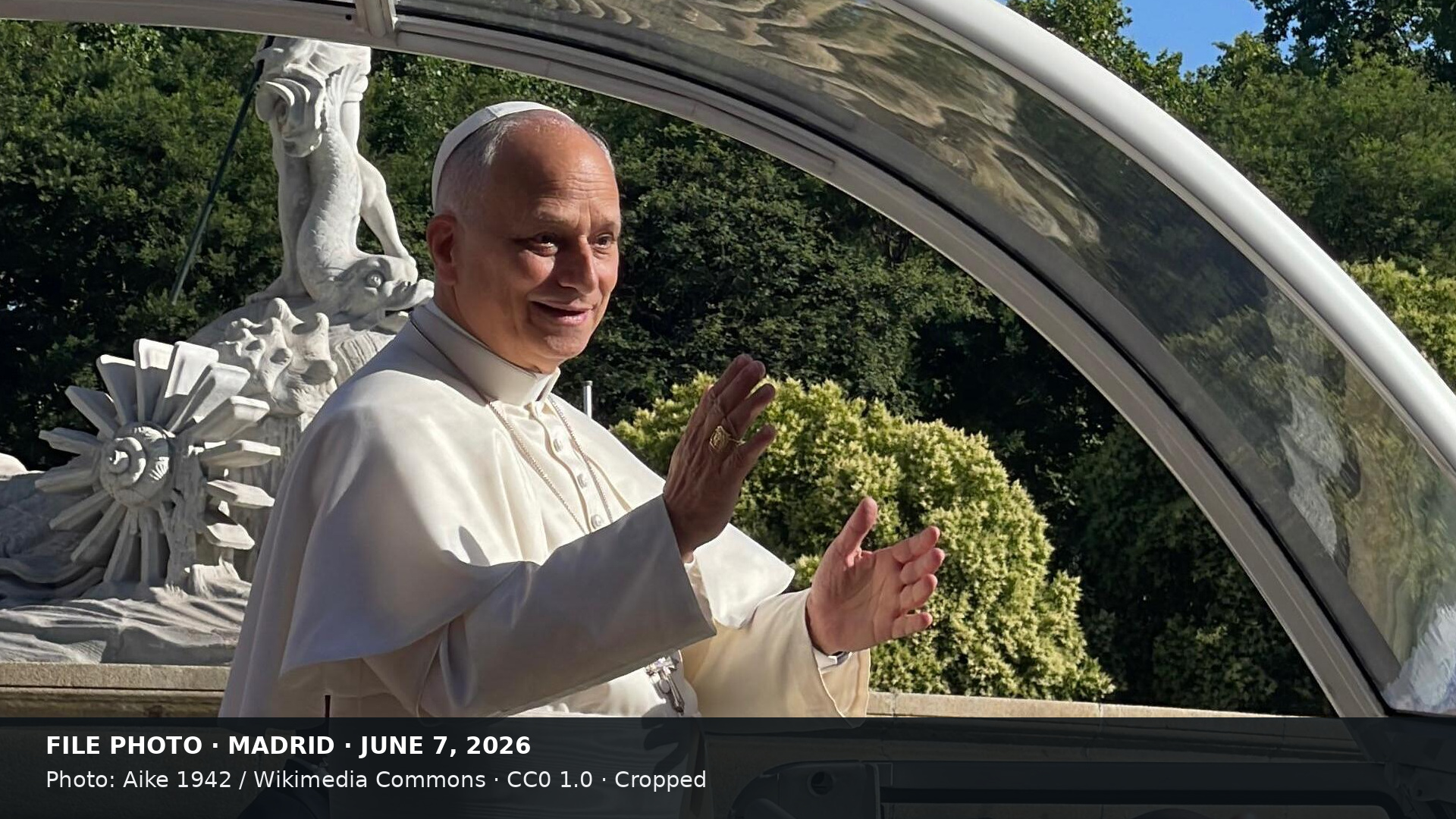
Pope Leo XIV left Rome’s Gemelli hospital on October 17, 2026, four days after an operation for lung cancer. The 71-year-old returned to his Vatican apartments after doctors reviewed his blood tests, chest X-ray and condition and cleared him to continue recovering there.
“I am much better, thank you,” Leo told journalists outside the hospital, according to the Associated Press. Before leaving, he thanked surgeon Stefano Margaritora and the medical and nursing staff who had cared for him.
What the lung operation involved
Surgeons had removed his right lung’s lower lobe. Tissue examined during the operation confirmed adenocarcinoma, a type of non-small cell lung cancer. Further analysis will help his doctors decide whether he needs additional treatment after surgery.
The finding that led to the operation was unexpected. Margaritora told Vatican News that Leo hadn’t experienced respiratory symptoms. The nodule appeared during abdominal imaging that included the base of a lung.
Leo disclosed the planned surgery during his October 11 Angelus address. He described the nodule as small and said it had been detected very early and was well-localized. That was his account before the operation; the Vatican hasn’t announced a final cancer stage.
The October 13 procedure used video-assisted thoracic surgery, which allows surgeons to work inside the chest with a camera and specialized instruments. Removing a lung lobe is called a lobectomy. The operation lasted about 90 minutes, and the Vatican’s medical statement reported no complications.
After lung surgery, getting out of bed and walking helps reduce the risk of blood clots and pneumonia, while breathing exercises help the lungs expand. Memorial Sloan Kettering Cancer Center includes both in its recovery guidance. These milestones support healing, but they don’t establish how far a cancer has spread or whether more treatment would help.
The tissue results will guide the next treatment decision
A hospital stay can end before the laboratory work does. UTHealth’s McGovern Medical School explains in its guidance on video-assisted lobectomy that patients are often discharged before their final pathology results are available. Findings such as the tumor’s exact size and whether it reached lymph nodes may be discussed at a later appointment.
Some results were still pending when Leo left Gemelli, according to the Associated Press’s October 17 report. His doctors would use those findings when deciding whether to recommend more cancer treatment.
Examining tissue during surgery can identify the kind of cancer present. A detailed pathology report adds information from closer study of the surgical specimen. Some specialized tests are reported separately, so there may be several results to bring together when the care team considers what to do next.
One important question is stage, which describes the extent of the disease. For lung cancer, that assessment considers the main tumor’s size and local growth, nearby lymph nodes and any spread to distant parts of the body. Doctors draw on tissue findings, scans and other tests to build that picture.
Pathologists also examine the cut edges of the removed tissue, known as surgical margins, for cancer cells. A negative margin means the pathologist found no cancer along the boundary where tissue was cut. The Vatican’s discharge update didn’t provide margin or lymph-node results, and it didn’t specify whether additional cancer treatment was planned.
Biomarker tests look for gene changes or proteins in a tumor that may help doctors select a treatment. Which tests are useful depends on the cancer being treated.
How doctors decide whether more treatment is needed
Some people whose non-small cell lung cancer is found at an early stage need only surgery to treat it. Others may benefit from treatment after the operation, with the options depending on stage, tumor features and their health. These can include chemotherapy, targeted medicines or immunotherapy in appropriate circumstances, according to the American Cancer Society.
Treatment given after surgery is often called adjuvant therapy. It can aim to reduce the chance of cancer returning by treating disease too small to detect.
Follow-up appointments remain part of care after lung cancer treatment. They allow clinicians to assess symptoms and treatment effects and check for recurrence.
Recovery and a gradual return to duties
Discussing recovery from the operation on October 17, Margaritora estimated that Leo might need roughly ten more days to recover physically.
Leo led the Angelus from the Apostolic Palace on October 18, thanking those who had prayed for him and the hospital staff who cared for him. He said he would gradually resume his activities, according to Vatican News. His audiences had been canceled through October 20.
A longer commitment remains ahead: a planned November 6–17 journey to Uruguay, Argentina and Peru. Margaritora said Leo’s condition gave him no reason then to advise against traveling.
More from Discvr: Science.
Featured image: File photograph of Pope Leo XIV in Madrid, June 7, 2026. Photo: Aike 1942 / Wikimedia Commons, CC0 1.0. Cropped.




Leave a comment