Visitors to the Galapagos Islands are in for a wildlife experience unlike any other. The archipelago is home to several species found nowhere else on Earth. These include the iconic Giant Tortoise and the playful Galapagos Sea Lion. Let’s take a deeper look at the 10 most unique creatures on the Galapagos Islands.
1. Galapagos Sea Lion

The Galapagos Sea Lion is one of the most engaging animals you’ll encounter. These social creatures are known for their playful behavior, often approaching swimmers or lounging on sandy beaches. Found in colonies led by dominant males, they are widespread across islands like San Cristóbal and Española.
Galapagos Sea Lions are excellent hunters, diving deep into the ocean to catch fish and squid. Their pups are incredibly energetic and often seen playing in the shallow waters. Their friendly demeanor makes them a visitor favorite. However, keeping a respectful distance of at least 6 feet is essential to avoid disturbing them.
2. Large Painted Locust

The Large Painted Locust is a brightly colored insect that plays a crucial role in the Galapagos ecosystem. Reaching just over 3 inches in length, they are easily recognizable by their vivid hues. These colorings serve as both a warning and camouflage against predators like lava lizards and hawks.
Despite their small size, these locusts are vital for the food chain. They are highly agile and able to leap up to 10 feet. Additionally, their strong flying abilities make them difficult for predators to catch. This balance between prey and predator helps maintain the delicate ecosystem of the islands.
3. Giant Tortoise

The Giant Tortoise is perhaps the most iconic species of the Galapagos Islands. These enormous reptiles can weigh over 400 kilograms and live more than 100 years, making them the longest-living land animals. Found on several islands, including Isabela and Santa Cruz, they graze on grasses, leaves, and fruit, helping to maintain the vegetation.
These tortoises played a crucial role in Charles Darwin’s theory of evolution, as their unique adaptations demonstrated island gigantism. Conservation efforts have been critical in protecting these gentle giants. Reserves like Rancho Primicias protect them from threats like habitat loss and introduced species.
4. Galapagos Penguin

The Galapagos Penguin is the only penguin species found north of the equator. At about 49 cm, it is much smaller than its Antarctic relatives but just as fascinating. These penguins inhabit the islands of Fernandina and Isabela, where the cool ocean currents provide a suitable environment.
Galapagos Penguins are skilled swimmers and feed primarily on small fish and crustaceans. Their black and white plumage and distinctive markings make them easy to spot along the shorelines. Despite their small size, they are a must-see for wildlife enthusiasts visiting the islands. They showcase how species can adapt to warmer climates.
5. Blue-Footed Booby

The Blue-footed Booby is known for its striking blue feet, which play a crucial role in their elaborate mating dance. During courtship, males lift their feet in a strutting display to attract females, with brighter blue feet signaling better health. This makes their breeding displays a favorite sight for visitors.
These expert divers plunge into the ocean at high speeds. They catch fish, making them efficient hunters in the marine ecosystem.
Blue-footed Boobies can be found in other parts of the world. However, half of the world’s population breeds on the Galapagos Islands.
6. Darwin’s Finch

Darwin’s Finches are small birds with varying beak shapes, each adapted to different diets. These finches were key to Charles Darwin’s formulation of his theory of natural selection. Found throughout the islands, their diversity in appearance and behavior is a testament to evolution in action.
The different species of Darwin’s Finches can be seen foraging on the ground or in trees. Some use their beaks to crack open seeds, while others have evolved to feed on insects or cactus flowers. Their adaptability and resourcefulness make them an interesting species to observe up close.
7. Marine Iguana

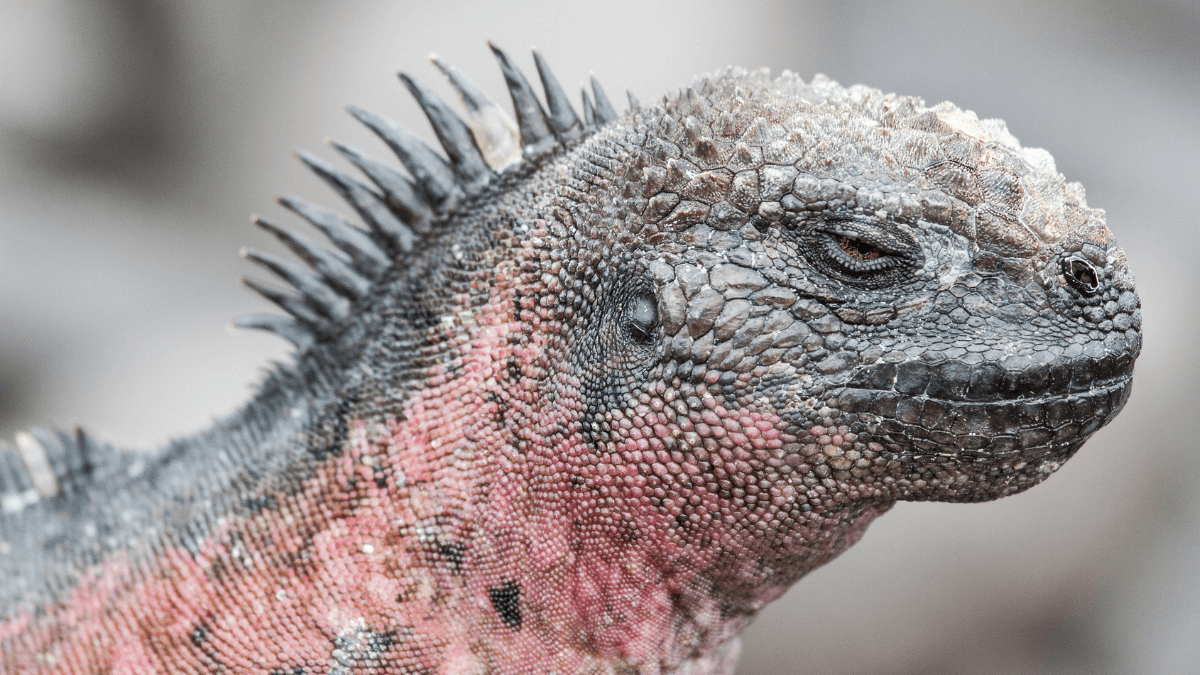
The Marine Iguana, found only in the Galapagos, is the world’s only sea-foraging lizard. These unique reptiles, typically reaching up to 1.3 meters (4 feet) in length, use their strong limbs and flat tails to propel themselves through the ocean. They feed on algae attached to rocks underwater. Their dark coloration helps them absorb heat as they bask on volcanic rocks, warming up after their cold dives.
Despite their intimidating appearance, they are herbivores, peacefully grazing on marine vegetation. During mating season, males develop vibrant red and green markings, adding to their striking presence.
8. Flightless Cormorant

The Flightless Cormorant is a unique species found only in the Galapagos. As its name suggests, it’s the only cormorant in the world that has lost the ability to fly. Their tiny wings are compensated by their powerful swimming abilities. This makes them expert divers who hunt fish, eels, and octopuses in the coastal waters.
Their plumage is dark, and their eyes are strikingly blue.
With a population of just over 2,000, conservation efforts are essential to their survival. Although their inability to fly makes them vulnerable to predators, they have adapted remarkably to their environment.
9. Lava Lizard

Lava Lizards are small, colorful reptiles that thrive in the volcanic landscapes of the Galapagos. These lizards are known for their territorial displays, with males often performing “push-ups” to assert dominance. Their vibrant colors and patterns vary from island to island, providing a glimpse into the unique adaptations of each population.
Lava Lizards primarily feed on insects and small plants, playing a vital role in controlling insect populations. You can spot them basking on sunlit rocks throughout the islands, adding to the rich biodiversity of the Galapagos.
10. Sally Lightfoot Crab

The Sally Lightfoot Crab is a visually striking creature found along the rocky shores of the Galapagos Islands. Its vibrant red, orange, and blue coloring stands out against the dark volcanic rock. The stark contrast makes it a favorite subject for photographers and visitors. These crabs typically grow up to 8–12 cm (3–5 inches) across the shell. Known for their impressive climbing abilities, they can often be seen easily scuttling up and down the rugged coastline.
Sally Lightfoot Crabs are small but tough and fast. They leap between rocks to avoid predators and can be seen basking in the sun or darting away from danger. With vibrant colors and lively movements, they are iconic in the Galapagos, adding energy to the unique landscape.
Leave a comment