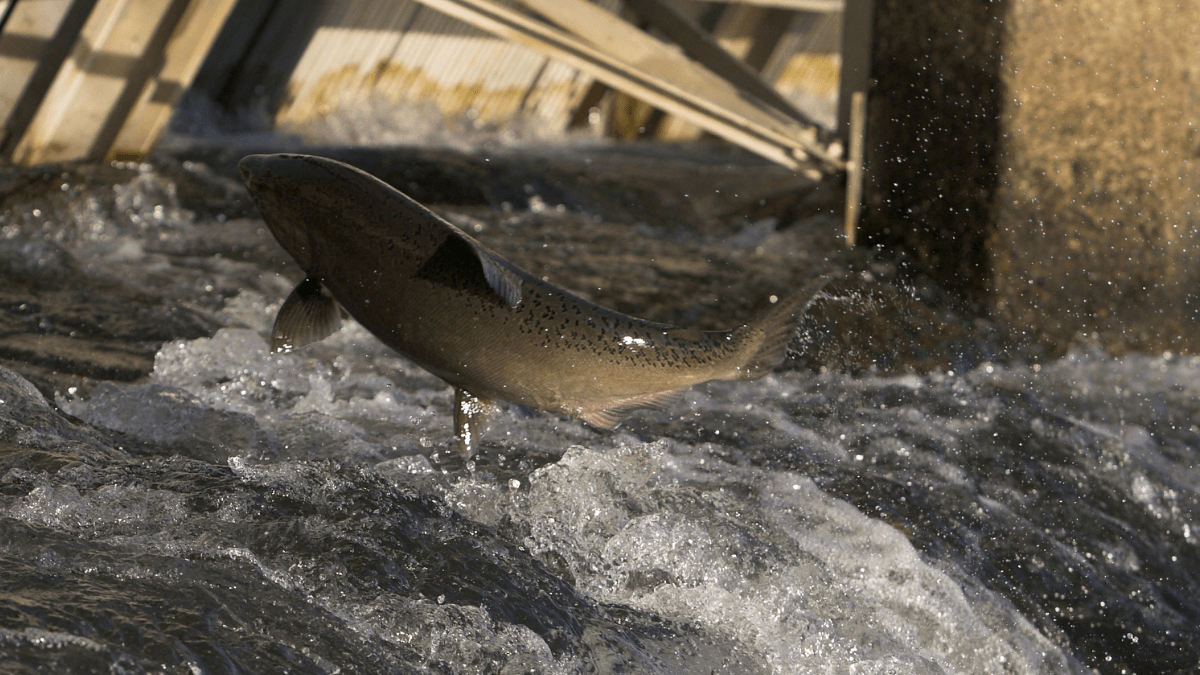
As salmon leaped through cascading pools, engineers marveled at nature’s ingenuity—and saw an opportunity to revolutionize aquatic infrastructure. Inspired by Nikola Tesla’s groundbreaking valve design, a new generation of fish ladders transforms how we approach fish migration in dammed rivers, offering hope for endangered species and ecosystems.
The Evolution of Fish Ladders: From Simple Steps to Tesla-Inspired Innovation
Fish ladders, also known as fishways, have long been crucial tools in wildlife conservation efforts. These structures provide a route for migrating fish to bypass obstacles like dams, which would otherwise impede their natural life cycles. Traditional fish ladders typically consisted of a series of ascending pools, allowing fish to swim against flowing water, leap through cascades, and rest before continuing their journey.
However, the effectiveness of these conventional designs has been a point of contention among conservationists and engineers. Many species struggle to navigate these structures, leading to low success rates and declining fish populations. This challenge prompted researchers to seek inspiration from an unlikely source: the Tesla valve.
Harnessing the Power of the Tesla Valve for Aquatic Migration
The Tesla valve, invented by Nikola Tesla in 1920, is a passive one-way valve that allows fluid to flow in one direction with minimal resistance while impeding flow in the opposite direction. This ingenious design, which operates without moving parts, has found new life in the realm of fish ladder technology.
Tesla valve-inspired fish ladders incorporate fluid dynamics principles to create a more fish-friendly passage. By adapting the valve’s looping pathways and strategic flow redirection, these innovative structures offer several advantages over traditional designs:
- Reduced Energy Expenditure: The carefully engineered flow patterns allow fish to conserve energy while navigating upstream, increasing their chances of successful migration.
- Improved Water Oxygenation: The turbulent flow created by the Tesla-inspired design enhances oxygen mixing, benefiting both migrating fish and the overall river ecosystem.
- Adaptability to Various Species: The flexible design can accommodate different fish species with varying swimming capabilities, making it a more versatile solution for diverse aquatic environments.
- Enhanced Attraction Flow: These ladders’ unique hydraulic properties create a more enticing flow pattern, helping to guide fish towards the entrance more effectively than traditional designs.
Real-World Applications and Success Stories
One notable example of a Tesla valve-inspired fish ladder can be found in the Pichoux Gorge in Delémont, Switzerland. Built in 2008, this innovative structure features 24 tanks and stands 3.8 meters (12.5 feet) high. It has successfully facilitated fish migration between different elevations in lakes and rivers, showcasing the potential of this groundbreaking design.
In North America, the Pacific Northwest National Laboratory has been at the forefront of researching and implementing these advanced fish passage systems. Their work at the McNary Dam on the Columbia River has provided valuable insights into the effectiveness of Tesla-inspired designs in aiding salmon migration.
While implementing these innovative fish ladders is still in its early stages, preliminary results are promising. Researchers have observed increased passage rates and reduced stress on migrating fish compared to traditional ladder designs. This success has sparked interest from conservation agencies and dam operators worldwide, potentially leading to wider adoption of Tesla-inspired fish ladders in the coming years.
As we grapple with dam construction’s environmental impacts and the urgent need to protect endangered fish species, Tesla valve-inspired fish ladders offer a beacon of hope. By marrying the genius of past innovation with cutting-edge ecological understanding, we’re unlocking nature’s flow and paving the way for a more sustainable future in our rivers and streams.
Leave a comment