Tag: agriculture
-
Shades of Green: Life and Longevity of the Parson’s Chameleon
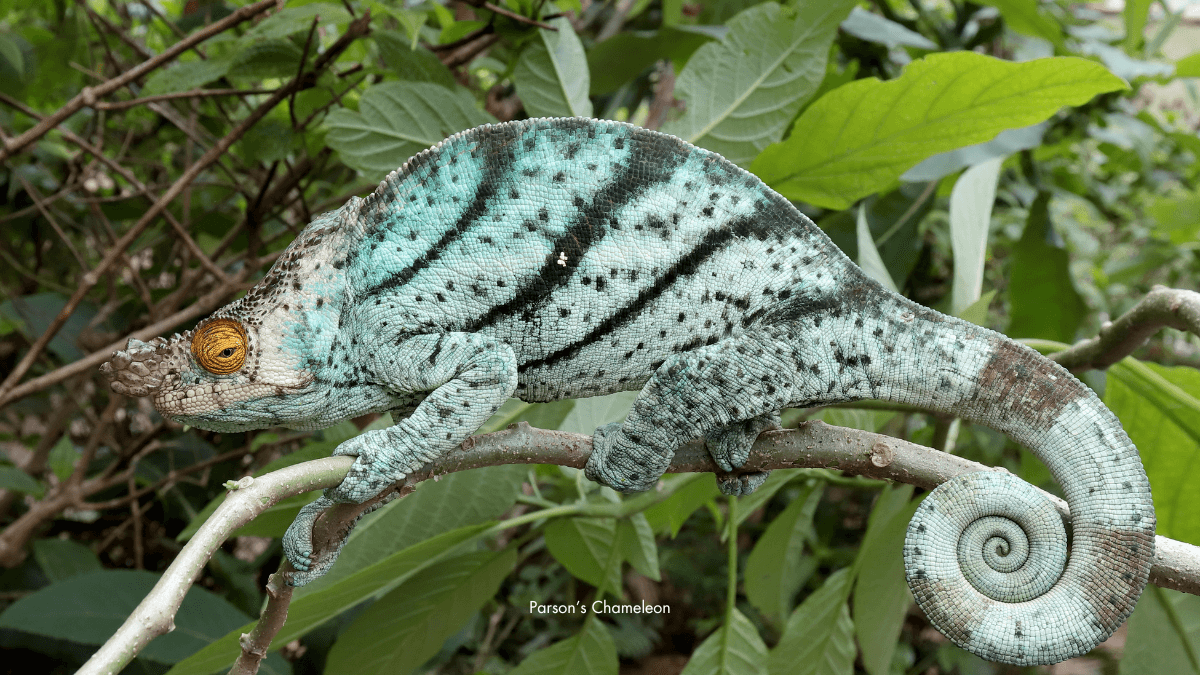
A gentle giant perched among the branches in the mist-laden rainforests of eastern Madagascar. The Parson’s chameleon, known scientifically as Calumma parsonii, is far from the stereotypical tiny tree-dweller. Its imposing silhouette, which can stretch to nearly 27 inches, has earned it a reputation as the biggest chameleon in the world. Few forget this sight.
-
Seeds In The Shadows: The Urgency Of Cassowary Habitat Preservation
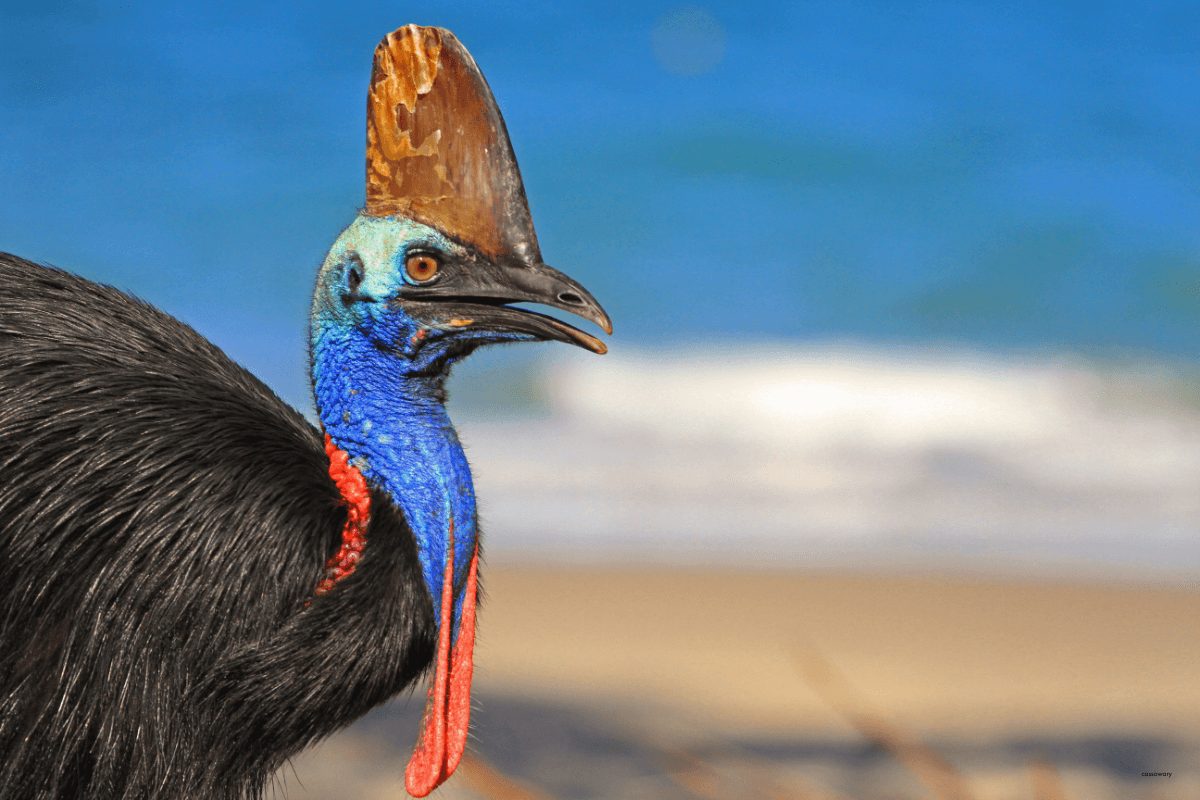
Cassowaries stand almost as tall as a person, with deep blue necks, bright wattles, and a prehistoric casque on their heads. They roam the shadowy understory of Far North Queensland’s tropical rainforests, scouring the leaf litter for fallen fruit. Their appearance can be startling, but these birds are a cornerstone of rainforest ecosystems. “Cassowaries are
-
Wings of Innovation: How Animal Flight is Revolutionizing Drone Technology

High above the Andean peaks, a condor glides effortlessly on thermal currents, its wingspan stretching nearly ten feet across the crisp mountain air. This masterful display of natural flight efficiency has inspired engineers and scientists to envision a new future for drone technology. By studying the precision hovering of hummingbirds, the agile maneuvers of dragonflies,
-
Japanese Giant Hornet: The world’s most lethal sting
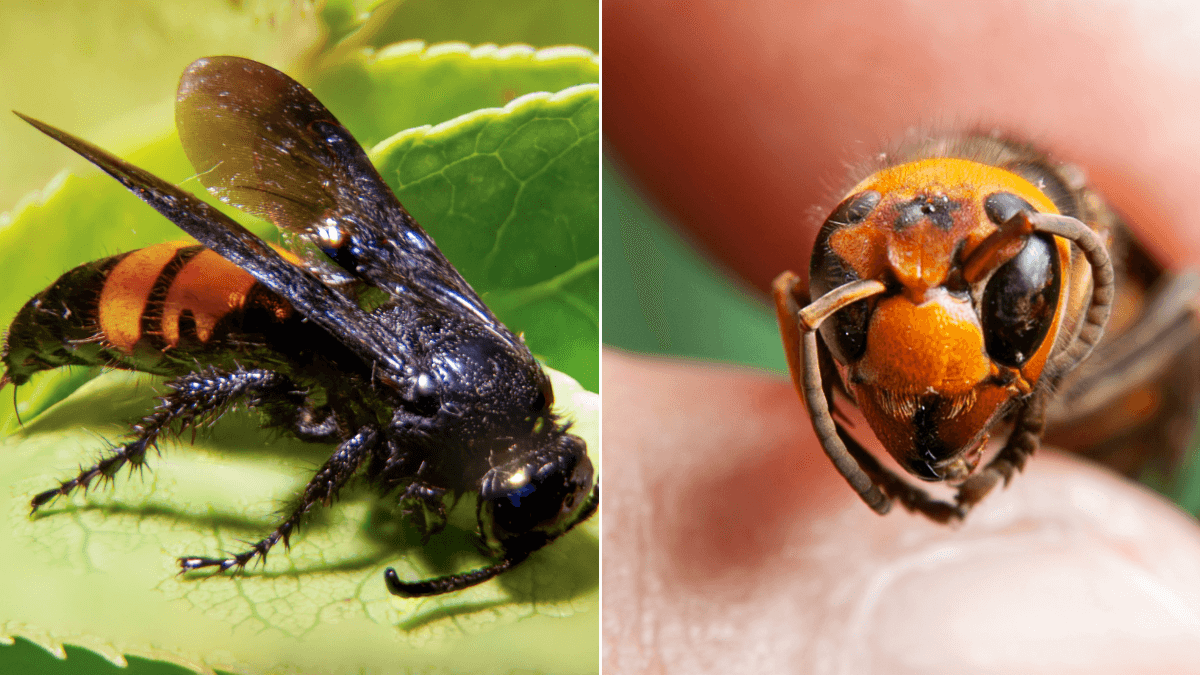
The Japanese Giant Hornet, known scientifically as Vespa mandarinia, wields one of nature’s most formidable weapons: its stinger. Measuring up to 6mm, this stinger delivers venom that can cause excruciating pain and severe health risks, particularly for those with allergies to insect stings. Entomologists are drawn to the hornet’s striking black and orange coloration, which
-
Six vegetables surprisingly linked by a single plant

Vegetables are integral to human diets, offering diverse flavors, textures, and nutrients. Yet, looking closely, it becomes apparent that many of these seemingly distinct vegetables share a common ancestor. Wild mustard, Brassica oleracea, has been selectively bred for thousands of years to create a variety of vegetables. This process of artificial selection has turned a
-
Where is Custard Apple Found?
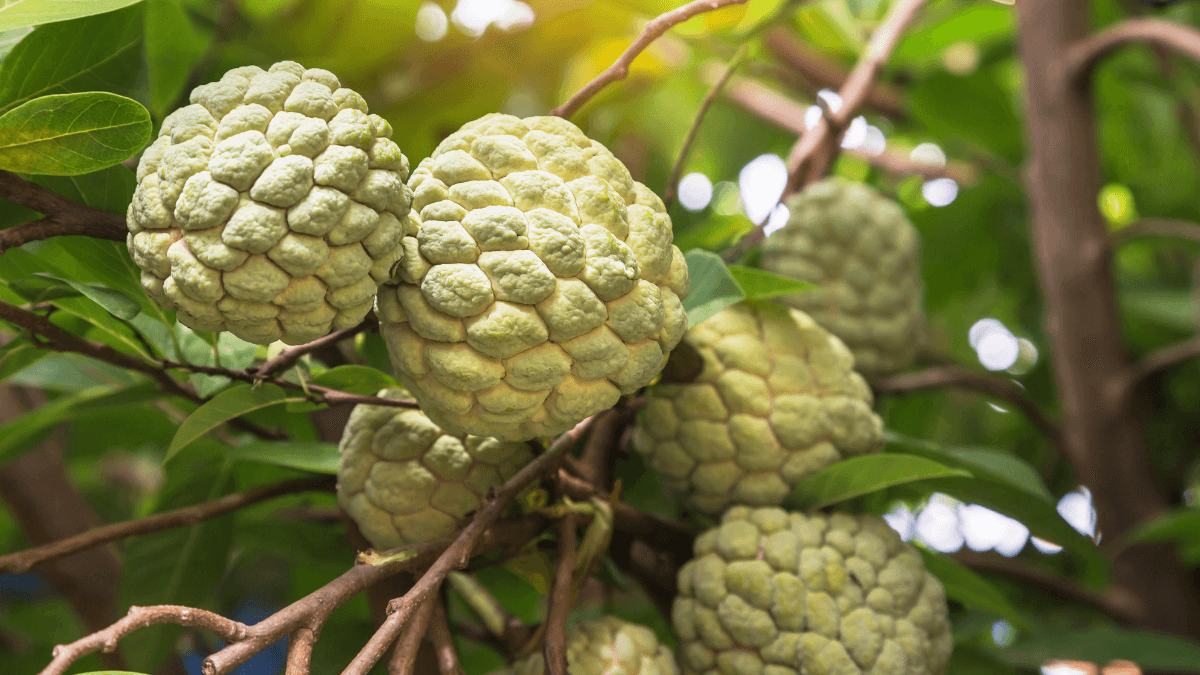
Custard apple is a term used for a collection of fruit-bearing trees and shrubs belonging to the genus Annona. You’ll find these plants primarily in the tropical regions of the Americas, where they are native. They thrive in warm climates. These plants are cultivated not only for their delicious fruits but also for traditional medicinal
-
What Do Saturniidae Moth Caterpillars Look Like? Identifying Characteristics and Features
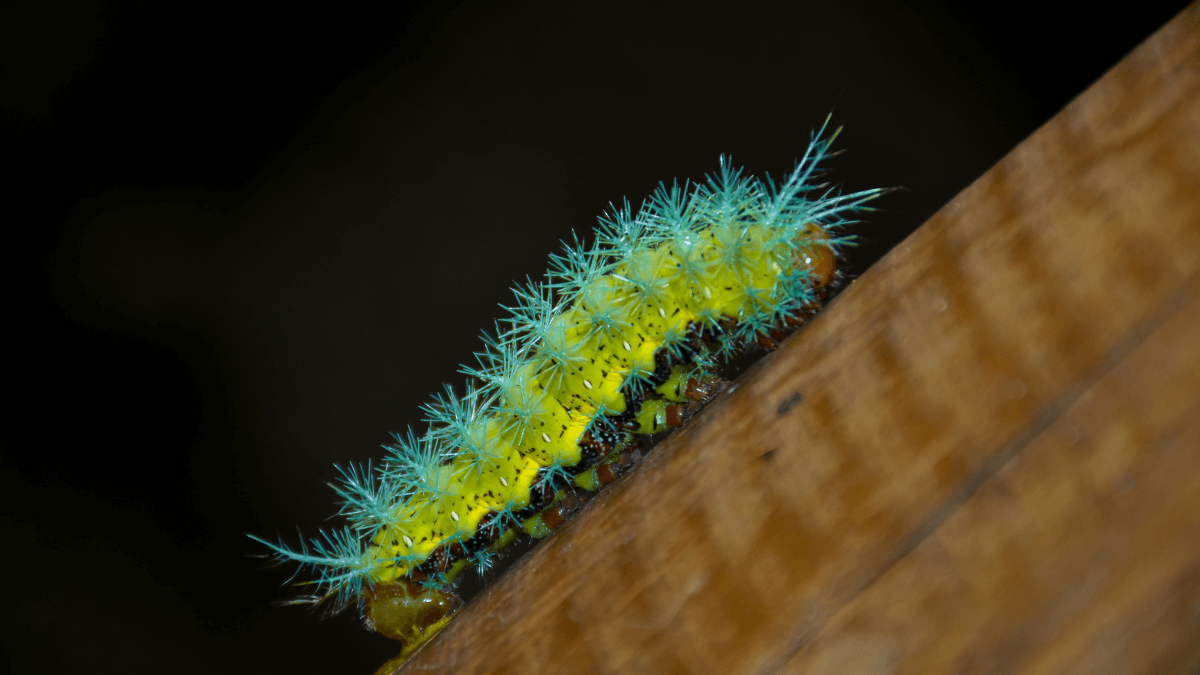
Saturniidae moth caterpillars are as remarkable as their adult counterparts. With a family that includes some of the largest moth species known, you may be curious about the appearance of their larvae. As a caterpillar, a Saturniidae features a range of vivid colors and unique physical characteristics. Typically, they are stout and cylindrical, with a
-
Can You Graft a Branch From One Tree Onto Another?

Grafting is a horticultural technique that joins parts from two plants so that they grow as a single plant. It involves taking a branch or bud from one tree, known as the scion, and attaching it to another tree’s trunk or root system, referred to as the rootstock. The purpose of grafting is to combine
-
Red River Hog Habitat: New Secrets of African Swine Ecology

The Red River hog, scientifically known as Potamochoerus porcus, is a vibrant and resilient species native to Africa’s forests and wetlands. Characterized by striking fur patterns of reds, blacks, and whites, these hogs are distinctive in appearance and remarkable in their ability to adapt to various ecosystems within the continent. Given their name due to