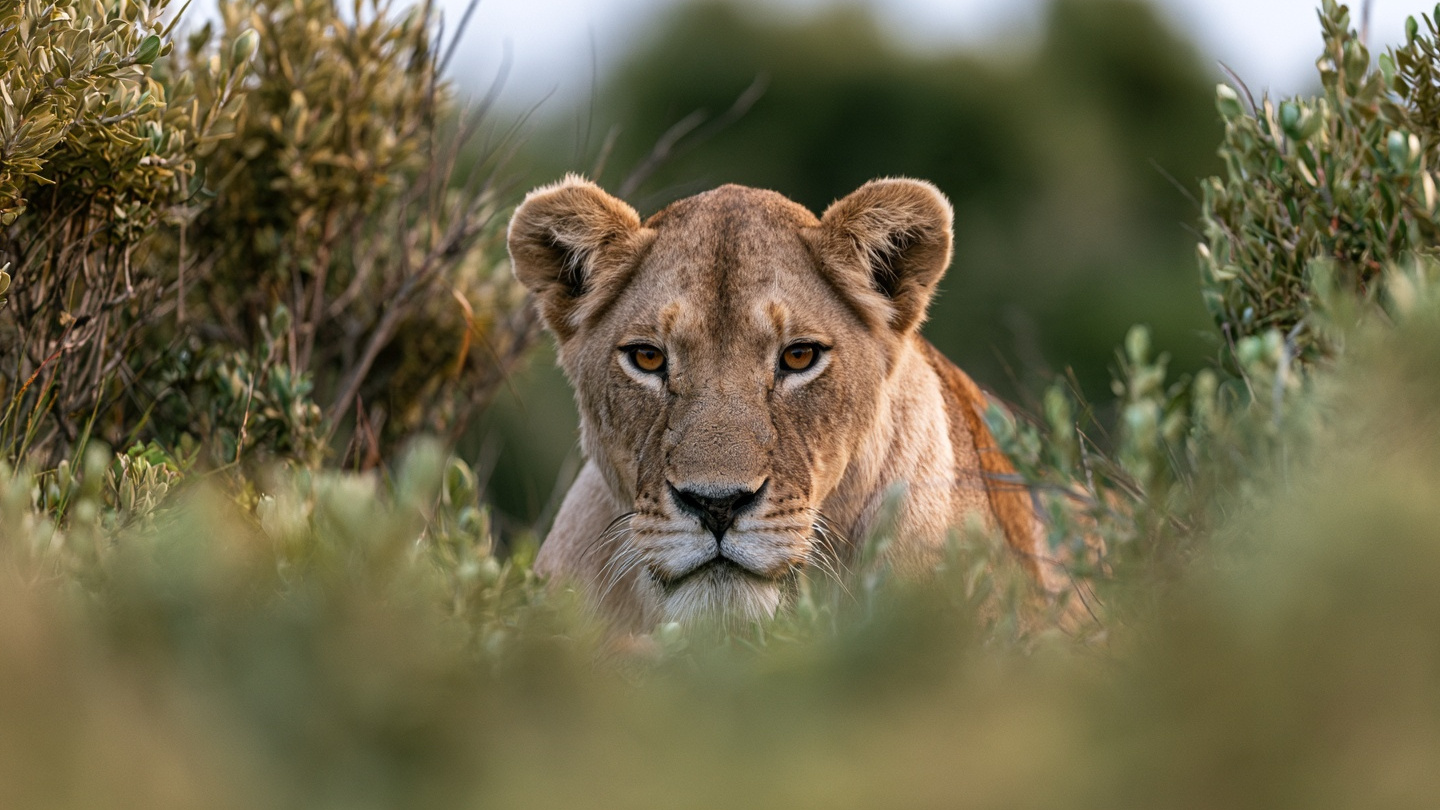
Six lions at South Africa’s Sibuya Game Reserve were temporarily anesthetized after human remains were discovered near their pride in July 2018. As news of the deaths spread, people also asked what would happen to the animals.
The reserve’s reported response was to monitor the pride, with staff checking how the animals behaved around safari vehicles.
The deaths had drawn attention to the Eastern Cape reserve near Kenton-on-Sea. Equipment recovered nearby led its owner, Nick Fox, to believe the people involved had entered to kill rhinos.

Sibuya placed the suspected intrusion overnight between July 1 and July 2. Around 4:30 a.m. on July 2, an anti-poaching dog alerted her handler. He also heard noise from the lions and initially attributed her reaction to them.
The discovery came the following afternoon. At about 4:30 p.m. on July 3, a guide on a game drive spotted what appeared to be human remains near the pride. The anti-poaching team responded, and police were notified.
Recovered items included a silenced rifle, wire cutters, an axe and supplies. Fox regarded that combination as evidence of intended rhino poaching. Contemporary reports also described three pairs of shoes and gloves at the scene.
The reserve said the group had encountered its six lions. With darkness approaching, a fuller search had to wait until daylight. A veterinarian then immobilized the pride so police forensic personnel and the reserve’s team could examine the area.
The lions were monitored after the search
The veterinarian’s intervention gave investigators time to search safely while the animals were immobilized.
In a follow-up statement reproduced by Reshareworthy on July 6, Fox explained that veterinary and conservation staff had watched the animals during the procedure. Guides and anti-poaching personnel continued approaching in game-viewing vehicles afterward, looking for changes in their responses.
None had been observed, according to that account. Fox said Sibuya would stay vigilant but anticipated no changes to the pride’s status. He also explained that guests viewed wildlife from specialized vehicles because of the reserve’s dense vegetation.

The statement described the pride in the days after the deaths. The later whereabouts of all six animals haven’t been established in the sources reviewed for this article.
Questions about an animal’s fate often follow fatal encounters. Discvr’s account of why Altai won’t be euthanized examines a separate case in which authorities addressed the animal’s future after a person died.
The number of people killed at Sibuya was less certain than many headlines suggested. Fox estimated two, possibly three, in contemporary reporting. In its September 30, 2018 account, the reserve still hadn’t given a final figure and said the forensic investigation hadn’t reached closure.
The immediate future of the pride was clearer. Staff were continuing to observe the lions, and the reserve expected to keep their management unchanged.
The images accompanying this article are generated illustrations, not photographs of Sibuya’s lions, the reserve or the 2018 incident.
Leave a comment