-
The pibble effect: when cute words hack algorithms

The internet has always loved a nickname. Cats turned into “floofs,” raccoons became “trash pandas,” and pit bulls, once one of the most maligned dog breeds in America, morphed into “pibbles.” That single word, silly and soft on the tongue, has helped change how millions of people see a dog long stereotyped as dangerous. On
-
‘Frankenstein’ rabbits spotted in U.S. as horned virus cases rise

In parts of the United States, wild rabbits have been spotted carrying an unsettling feature: black, horn-like projections sprouting from their heads. Residents who encounter them call them “Frankenstein” rabbits, but biologists know them by another name: eastern cottontails infected with Shope papillomavirus. The virus, first identified in the 1930s by virologist Richard Shope, causes skin tumors
-
The pink fairy armadillo’s hidden life beneath Argentina’s sands

Beneath the windswept scrublands of central Argentina lives a creature so rarely seen that even seasoned desert ranchers might catch a glimpse only once in their lifetime. At barely six inches long and cloaked in a blush-colored shell, the pink fairy armadillo spends nearly all of its existence underground, tunneling through loose soil in the
-
Vole boom sparks carnivorous streak in squirrels
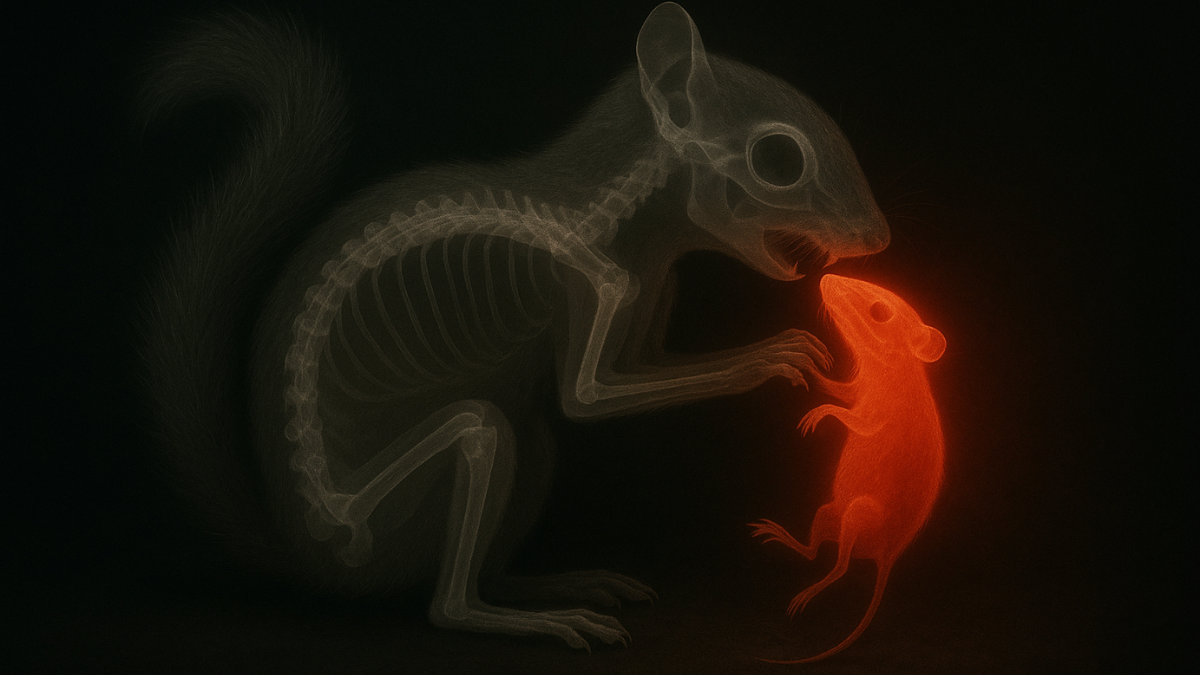
California’s ground squirrels have always seemed like familiar backyard creatures, cheeks stuffed with acorns or seeds. But new research from UC Davis and the University of Wisconsin–Eau Claire has revealed a startling shift: these squirrels are now hunting live prey. Documented during the twelfth year of a long-term study at Briones Regional Park in Contra
-
Tennessee zoo welcomes world’s only spotless giraffe

In the rolling hills of rural Tennessee, a giraffe calf with no spots at all is quietly rewriting what we thought we knew about her species. Born on July 31, 2023, at Brights Zoo, the young reticulated giraffe named Kipekee doesn’t carry the iconic lattice of patches that define her kind. Instead, her coat is
-
Why the honey badger might be the toughest animal alive
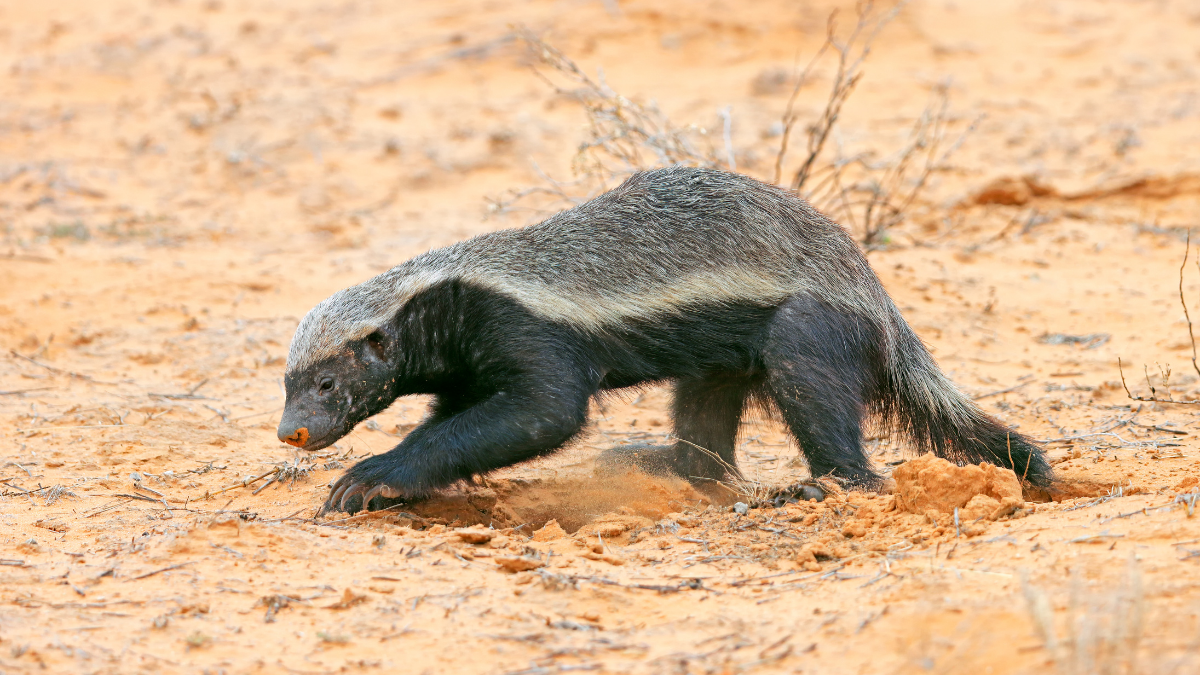
The honey badger (Mellivora capensis) is proof that size doesn’t always dictate power. Weighing no more than a small dog, it has earned a reputation across Africa and parts of Asia as one of the toughest animals alive. The Guinness Book of World Records even once declared it “the most fearless animal in the world.”
-
Meteorite older than Earth smashes into Georgia home

On June 26, 2025, a brilliant fireball tore across the Georgia sky in broad daylight. Drivers on highways pulled over, startled by a sudden white flash. A cannon-like boom rippled through neighborhoods, rattling windows and shaking floors. In McDonough, a suburban family’s day turned surreal when a rock from space punched through their roof, ripped
-
How the red-wattled lapwing bird became a monsoon forecaster
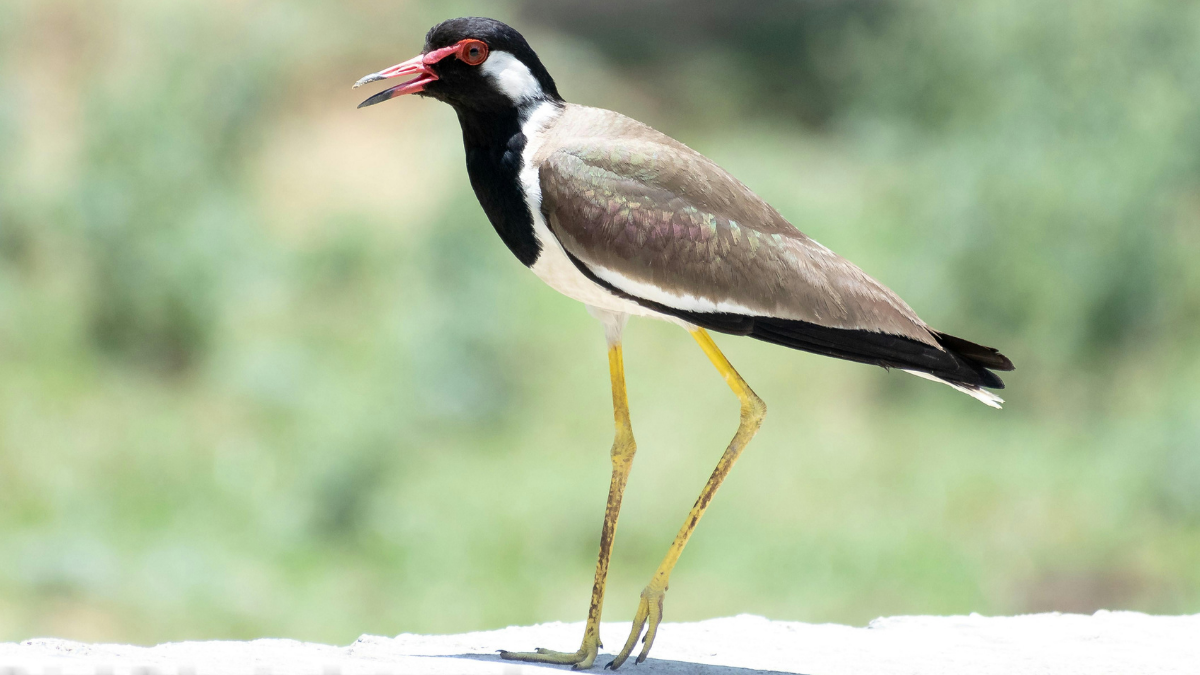
The red-wattled lapwing (Vanellus indicus) is a master of survival, a bird whose boldness and adaptability keep it thriving in landscapes that change faster than the seasons. Its long yellow legs carry it swiftly over open ground, head tilting from side to side as it scans for danger. When a predator strays too close to
-
How the smallest monkey keeps the Amazon alive
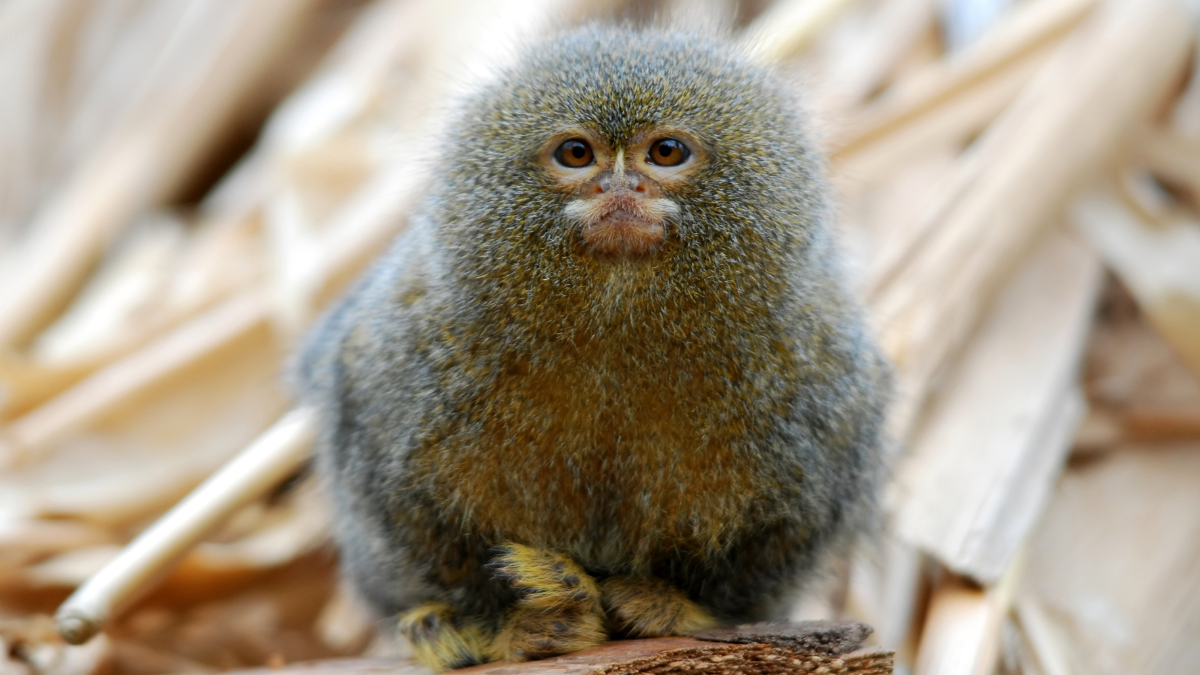
The pygmy marmoset may be small enough to fit in a human hand, but its life is anything but simple. Weighing as little as 3.5 ounces, it is the smallest monkey on Earth and one of the most specialized primates in existence. Found in the river-edge forests of the western Amazon, these tiny animals survive