-
The bone-crushing bearded vulture

The bearded vulture (Gypaetus barbatus) is the only known animal that lives on an 80-90% diet of bones. That’s right — this intimidating-looking bird specializes in feeding on bone marrow. The Bearded Vulture is a bone eater and bone crusher This bird of prey is so desperate for bone that it’ll fly a dead carcass as high
-
Walking the ocean floor at Hopewell Rocks

The Hopewell Rocks is a series of sandstone pillars along the coast of the Bay of Fundy, New Brunswick, Canada. The unique-looking rock formations, cliffs, and coves result from centuries of tidal erosion, yet another reminder of how nature crafts its own beauty. Home to the highest tides in the world The tides at the
-
A trip to Portugal’s stunning Benagil Sea Cave
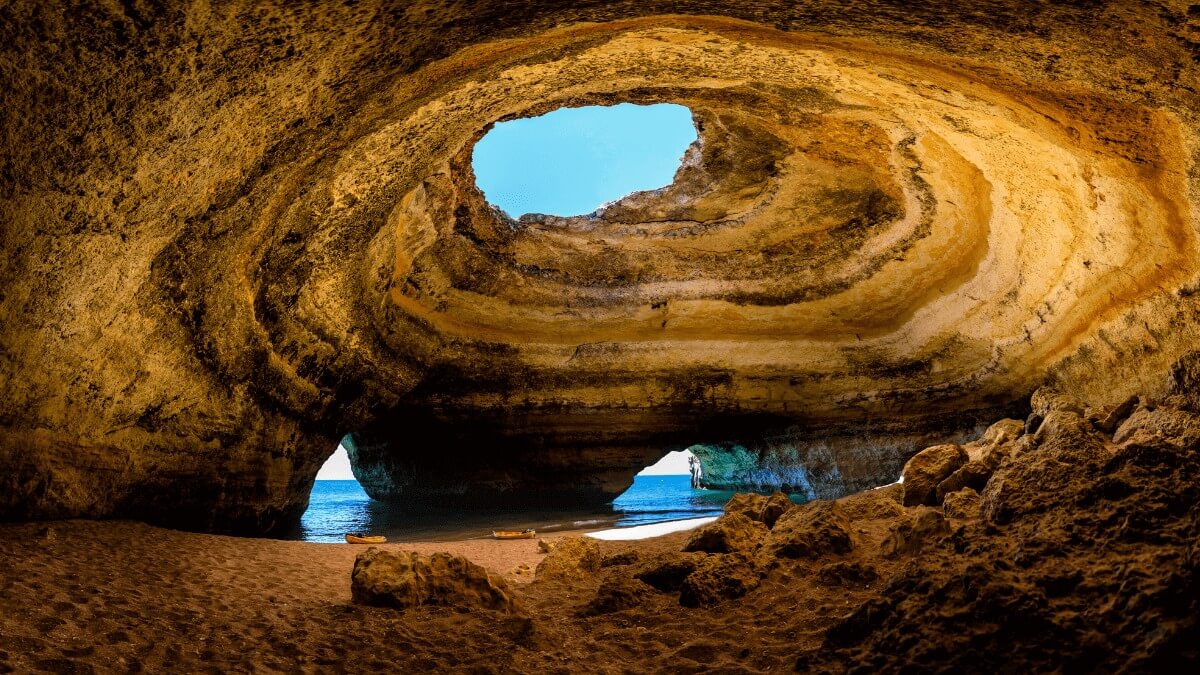
The Benagil Sea Cave, located in a small fishing village 3 hours from Lisbon, is arguably one of the most interesting tourist attractions in the world. Accessible only by boat, the cave contains a peculiar domed ceiling and natural oculus shaped by wave attrition and Miocene limestone built-up over 20 million years ago. Hiding under
-
Where do Attenborough fan-throated lizards live?

Attenborough’s fan-throated lizard (Sitana attenboroughii) is a species of fan-throated lizard that lives in southwestern India, initially discovered in the coastal state of Kerala. A team of Indian researchers uncovered the striking lizard in open ground patches in 2018, subsequently publishing their findings in January 2018’s issue of Zootaxa. They named the lizard after natural
-
The cassowary is living proof that birds are living dinosaurs

The cassowary, a modern echo of its dinosaur ancestors, casts a mystical aura through its territory. Native to Papua New Guinea and Northern Australia, the flightless Cassowary bird can grow up to a whopping 7 feet tall and weigh as much as 120 pounds. It’s the third-tallest and second-heaviest living bird. Its deep and resonant
-
Say hello to the Vampire Crab

Here’s an animal made for Halloween: say hello to the Vampire Crab. The recently discovered species of the genus Geosesarma dennerle is a tiny, semi-terrestrial crab that resides on the Sulawesi Island in Indonesia. They get their name from their fang-shaped mouthparts, spooky eyes, and pinchy claws. The super-colorful purple vampire crabs are native to
-
Gorgeous eyelashes of the Secretary bird
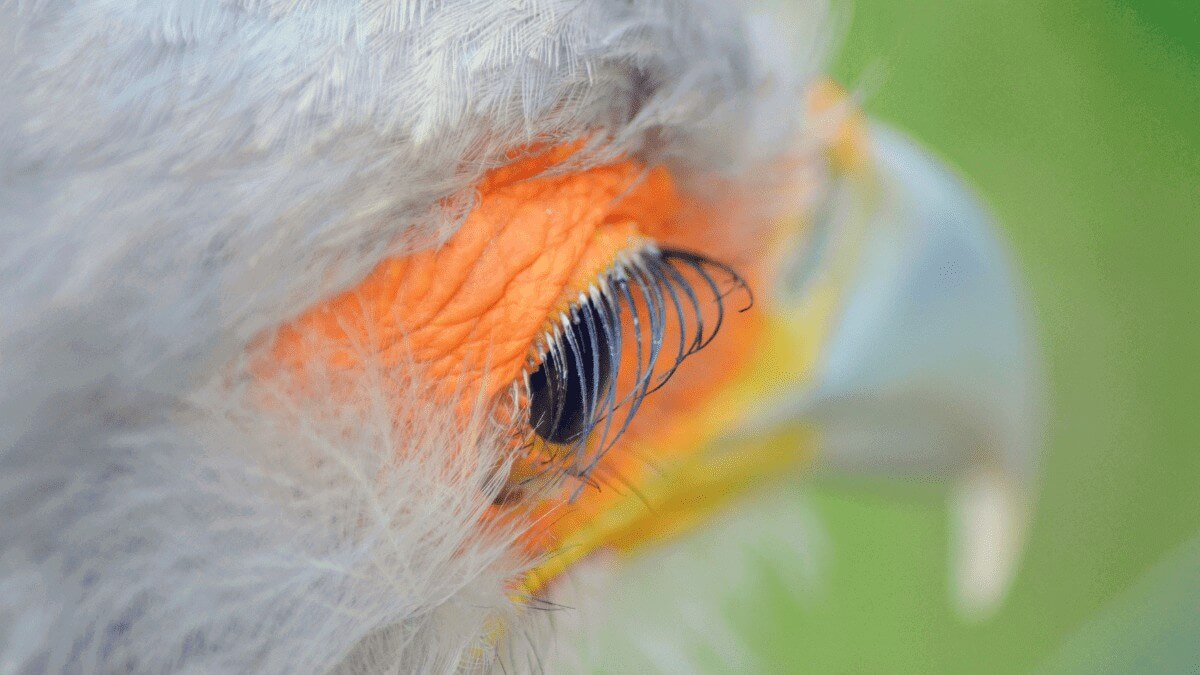
The Secretary bird (Sagittarius serpentarius) is your new favorite bird. Endemic to Africa and the national bird of Sudan, the Secretary bird looks like a combination of an eagle and a crane. Its snake-stomping legs can deliver up to 43 pounds of force. The raptor is also known for its speed, earning the nickname “devil’s
-
The Fringed Leaf Frog

The Fringed Leaf Frog (Cruziohyla craspedopus) is one of the rarest amphibians in the world. The 3-inch creature lives a reclusive life up in the Amazon rainforest’s high canopies — it rarely visits the ground — in Brazil, Colombia, Ecuador, and Peru. The frog’s coloration, of course, is stunning — intermixing green, blue, and purple.
-
Elephant trunk snake: the living relic of Southeast Asia’s wetlands

The elephant trunk snake (Acrochordus javanicus) looks like no other reptile. With sagging folds of skin and scales as rough as sandpaper, it seems more like an experiment from deep time than a creature of today’s rivers. Scientists consider it one of the most primitive lineages of snakes, retaining features that hint at an ancient