-
Discover the Gumboot Chiton: Secrets of Its Armored Shell
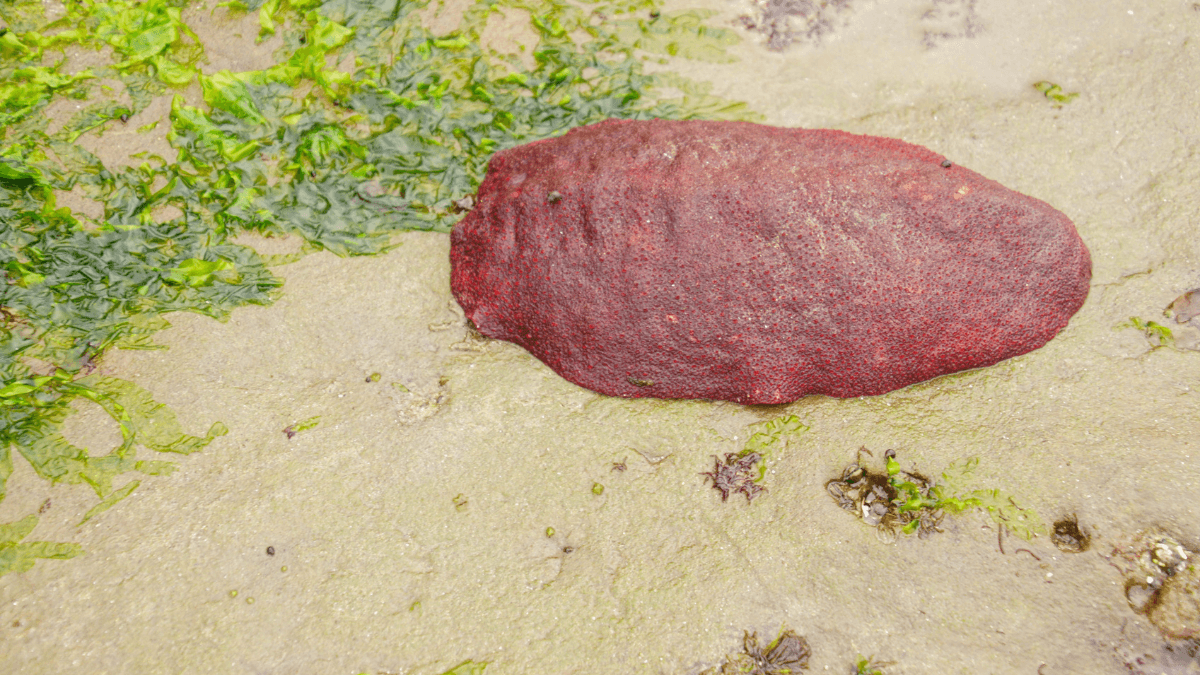
The gumboot chiton, known scientifically as Cryptochiton stelleri, is a remarkable marine mollusk native to the coastal waters of the Pacific Ocean. This species, often referred to as the giant Pacific chiton, is the largest chiton species worldwide. It thrives along the North American Pacific coast, from the temperate shores of Central California to Alaska.
-
How to build an observation bee hive

Building an observation bee hive offers a unique window into the world of honeybees. Unlike traditional hives, an observation hive is designed with clear walls, usually made of glass or Plexiglas, allowing you to watch bees in action without disturbing them. If you want to make an observation hive, you’ll need some basic tools and
-
Are Giant Anteaters Dangerous?

Giant anteaters, native to Central and South America, are often recognized by their distinctive size and unique appearance. They are the largest of the four living anteater species and can grow up to 7 feet long. In their natural habitat, which includes savanna-like fields and rainforests, these solitary mammals are primarily insectivorous, feeding mainly on
-
The curious dance moves of the Striped Cuckoo

The Striped Cuckoo, belonging to the genus Tapera, is a unique bird known for its intricate and distinctive dance moves. This behavior is performed for various reasons, including courtship, territorial defense, and communication among their kind. Observations reveal that these movements are not just a mere show but a complex form of interaction essential to
-
What is Granadilla Fruit? Understanding This Exotic Tropical Delight

Granadilla, classified scientifically as Passiflora ligularis, is a tropical fruit closely related to the widely known passion fruit. It hails from the genus Passiflora, also known as the passion flower. The fruit is notable for its round to oval shape, distinctive size, and a hard outer rind. When ripe, the skin of the granadilla turns
-
Six vegetables surprisingly linked by a single plant

Vegetables are integral to human diets, offering diverse flavors, textures, and nutrients. Yet, looking closely, it becomes apparent that many of these seemingly distinct vegetables share a common ancestor. Wild mustard, Brassica oleracea, has been selectively bred for thousands of years to create a variety of vegetables. This process of artificial selection has turned a
-
Why male Arowana Fish carry their young in their mouths
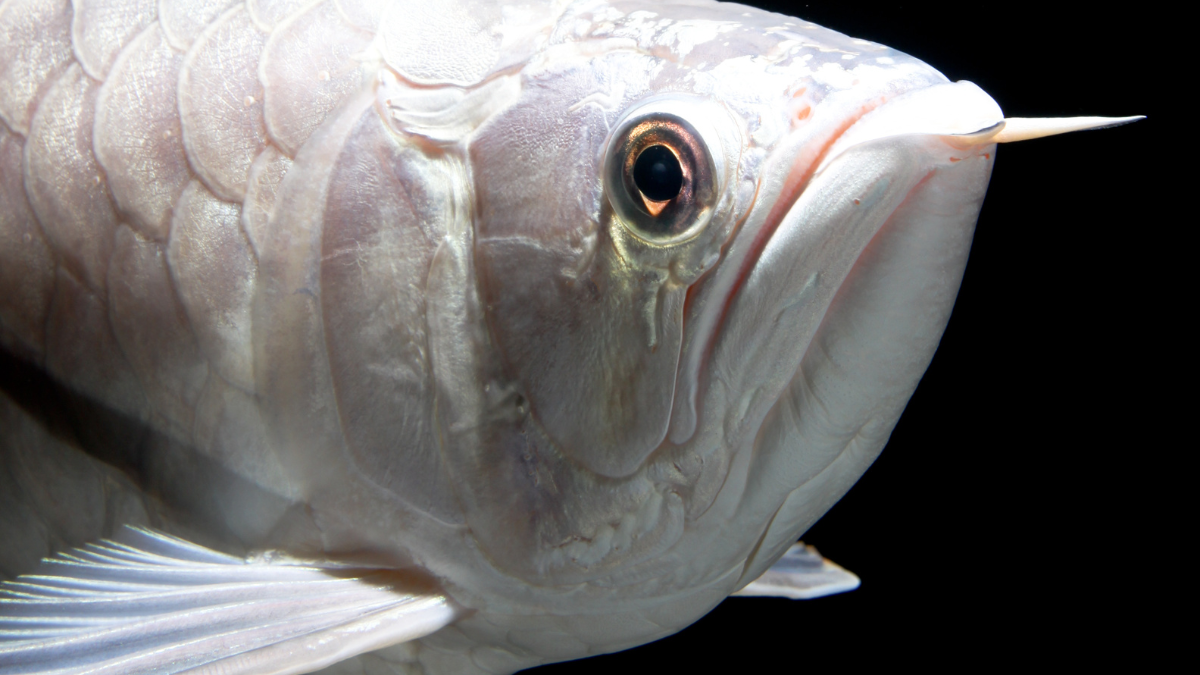
Male Arowana fish exhibit a fascinating form of parental care that sets them apart from many other fish species. Known as mouthbrooding, this behavior involves the male Arowana swallowing the fertilized eggs or larvae to protect them within his mouth until they are ready to fend for themselves. The primary purpose of this behavior is
-
Unlocking the Secrets of Plant Respiration: How Do Plants Breathe?
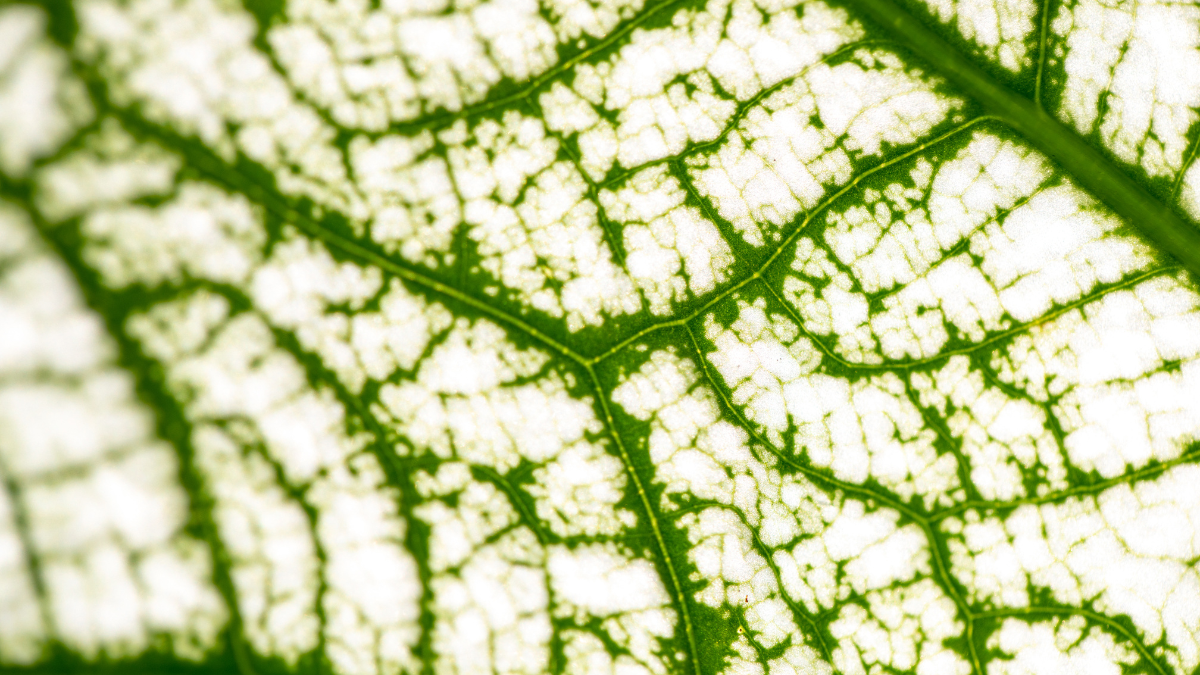
Understanding how plants breathe might seem complex, but it’s a crucial part of the natural world that directly impacts your life. Plants are foundational in maintaining the balance of oxygen and carbon dioxide in the atmosphere. Unlike animals, which inhale oxygen and exhale carbon dioxide, plants absorb carbon dioxide and release oxygen through their leaves,
-
Why are capybaras so chill?

Capybaras, the gentle giants of the rodent world, have garnered a reputation for their serene disposition and friendly interactions with various other animals. These South American natives are not just popular internet celebrities for their adorable appearance; they also intrigue scientists and animal enthusiasts alike with their remarkably calm behavior. As the largest rodents on