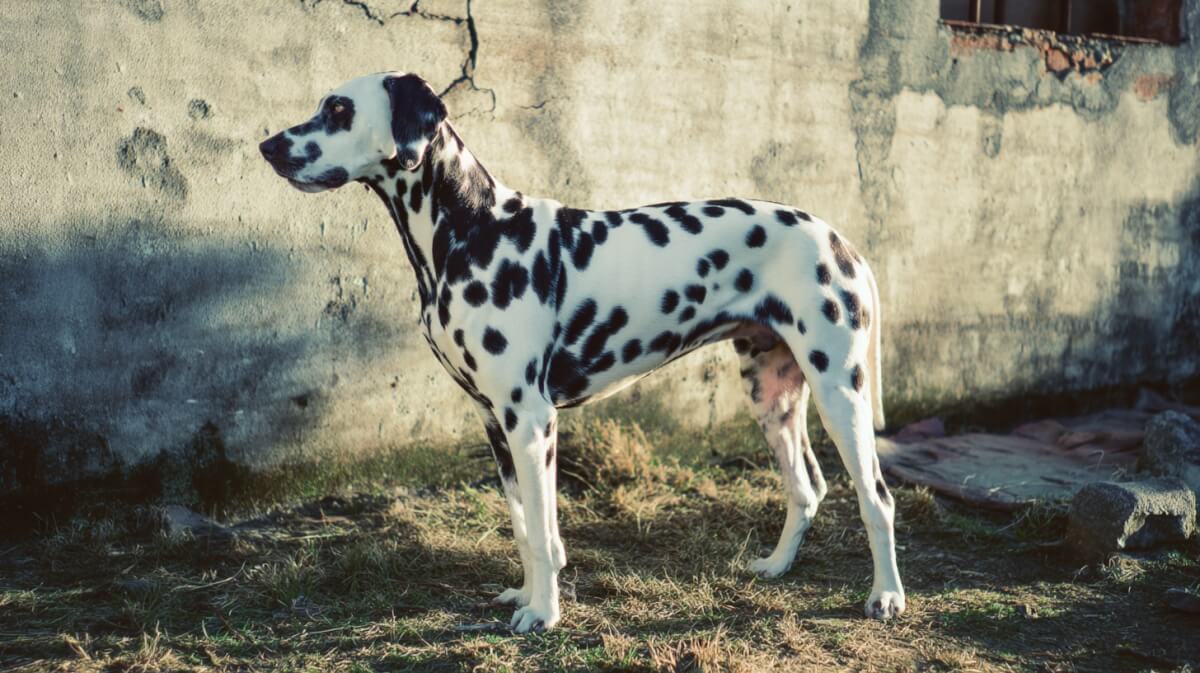
The Lakavage family’s Pennsylvania farm was quiet on a June evening in 1965—until it wasn’t. Their pure white Dalmatian, Pepper, normally corralled by the fence line at dusk, had vanished.
Neighbors spoke of unmarked trucks trolling rural roads, headlights doused, engines idling just long enough for someone to lift a friendly dog into a cage. By morning the Lakavages posted flyers across Bucks County.
They did not know they had stepped into a national story that would redraw America’s rules on animal experimentation. For ten days the family chased rumors north toward New York.
At a roadside diner they spotted a news photograph of wavering dogs packed into a dealer’s truck; one looked very much like Pepper. They drove straight to the dealer’s farm, were refused entry, and phoned their congressman, Joseph Y.Resnick of New York’s Catskills district.
The cigar wielding freshman arrived in person and was likewise barred from the property. Still unaware that Pepper had already been sold to a Bronx research hospital—where she died on an operating table during a failed cardiac pacemaker test—Resnick promised to “be dog’s best friend” on Capitol Hill.
How a family’s search reached Capitol Hill
Back in Washington, legislative calendars were crammed with the Voting Rights Act and the creation of Medicare, yet Resnick drafted an emergency measure he nicknamed “Pepper’s law.” On July 9, 1965—barely a week after learning of the dog’s death—he introduced H.R. 9743.
“Seven days after Pepper’s death, Resnick introduced a dog napping bill on the House floor. He wanted government licensing for the dealers and laboratories that traded in dogs and cats, and proposed that the theft of these animals be made a federal offense,” Slate later summarized.
Opponents painted the bill as sentimental overreach, but headlines multiplied. In February 1966 Life published an eight page photo essay, “Concentration Camp for Dogs,” showing emaciated beagles chained to wooden boxes outside a Maryland dealer’s barn.
Readers flooded lawmakers with letters—20,000 to one Senate committee alone. During spring hearings Resnick clarified his intent: “This bill is concerned entirely with the theft of dogs and cats, and, to a somewhat lesser degree, the indescribably filthy conditions in which they are kept by the dealer.”
Momentum grew impossible to ignore. By midsummer nearly three dozen related bills had surfaced.
Humane society lobbyists lugged blown up photographs of Pepper onto the House floor; biomedical groups, reeling from public outrage, shifted from fighting regulation to softening its wording. On August 24, 1966, President Lyndon B. Johnson signed the Laboratory Animal Welfare Act.
The text made plain its debt to the Dalmatian: it aimed “to protect the owners of dogs and cats from theft of such pets, to prevent the sale or use of dogs and cats which have been stolen, and to insure that certain animals intended for use in research facilities are provided humane care and treatment.” The new law licensed animal dealers, empowered the U.S. Department of Agriculture to inspect holding pens, and—crucially—placed federal authority on animals inside research supply chains for the first time.
It covered dogs, cats, primates, guinea pigs, hamsters, and rabbits. While its reach stopped at the laboratory door, activists hailed it as a beachhead.
Amendments followed in 1970, 1976, 1985, and beyond, expanding the scope from stolen pets to all warm blooded lab animals and setting standards for transport, exercise, and institutional oversight. Six decades on, the questions Pepper raised have hardly faded.
Gene editing studies on primates and the surge in xenotransplantation trials keep lawmakers revisiting the Animal Welfare Act, arguing over definitions of pain, enrichment, and oversight. Each time, historians retell the 1965 ordeal—how a van in the night, a grieving family, and a freshman congressman lit the fuse for America’s cornerstone animal protection statute.
One dog’s loss, etched in black and white photographs, still guards the gateways to every federally funded lab in the country.
Leave a comment