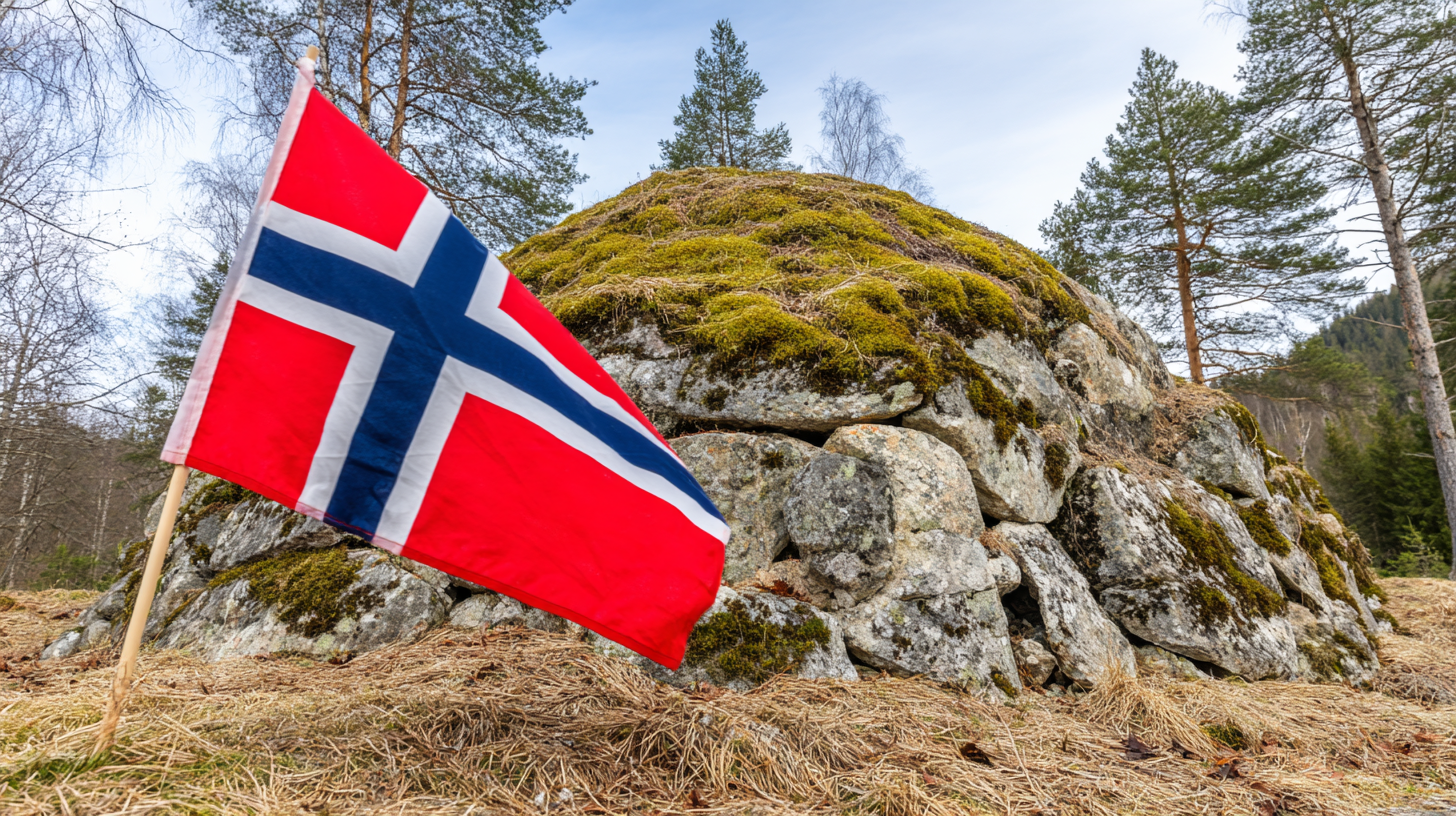
Norway just became the first country in the world to make its public spending deforestation-free.
That means no government contracts for companies that can’t prove their products were made without razing tropical forests.
No palm oil tied to burned peatland.
No soy grown on cleared Amazon acreage.
No wood cut from unverified logging zones.
The decision builds on a 2014 UN climate pledge and was officially enacted by Norway’s parliament in 2016.
But nearly a decade later, it’s evolved into a working blueprint. It combines purchasing power with forest finance, legal enforcement, and real-time satellite monitoring.

From rainforest funding to contract law
Norway’s long been a leader in protecting forests abroad. It’s poured over a billion dollars into rainforest nations like Brazil, Indonesia, and Liberia.
In Brazil alone, Norway helped slash Amazon deforestation by 75 percent during the 2010s through results-based payments.
But the 2016 procurement policy flipped the lens inward: What if Norway’s own consumption was still fueling forest loss?
So it acted. The government amended its procurement law to prohibit public purchases linked to tropical deforestation.
Palm-oil-based biofuels were banned first. Then came traceability standards.
Now, all state tenders—from school lunch suppliers to infrastructure firms—must vet supply chains for environmental harm.
Norway even uses high-resolution satellite data to track forest loss in source regions.
What makes this radical isn’t scale (Norway’s small). It’s precedent.
It marked the first time a national government drew a hard line in its contracts.
No deforestation, no deal.
Global ripples, uneven reforms
The EU followed with sweeping deforestation import rules, set to kick in by the end of 2025.
The UK, U.S., and even subnational entities like New York have floated or passed parallel legislation.
Meanwhile, forest-rich countries like Brazil have welcomed the financial backing, even as others like Malaysia have balked at what they call “eco-colonialism.”
Critics argue Norway’s rule only covers government spending, not consumer markets.
But its influence has been catalytic.
When governments take responsibility for their own buying habits, it pressures producers, exporters, and retailers to meet new standards or lose access.
And while Norway can’t stop global deforestation on its own, it’s carved a path others are starting to follow.
In a world where nearly half of tropical forest loss comes from just four commodities—beef, soy, palm oil, and timber—cutting demand is just as crucial as protecting supply.
What Norway’s doing is simple, but rare.
Aligning its wallet with its values.


Leave a comment