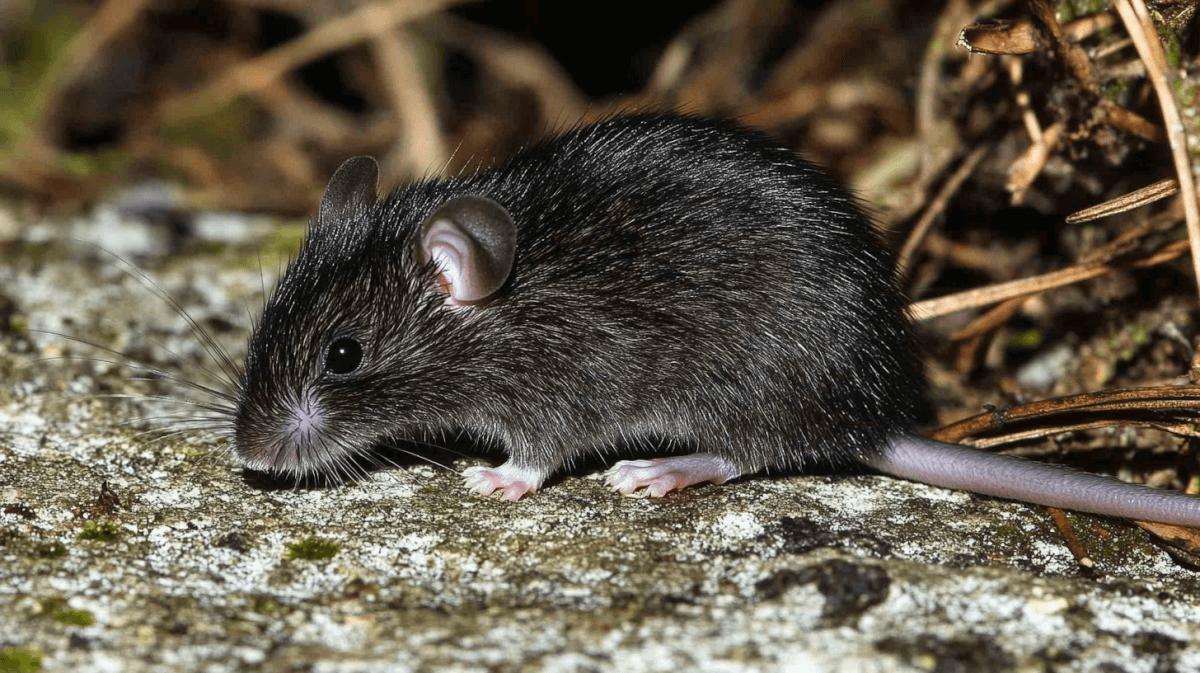
In Peru’s Alto Mayo region, deep within a rainforest shaped by time and tangled flora, researchers have encountered a creature that blurs the line between land and water.
This amphibious mouse, equipped with webbed feet and a penchant for aquatic insects, is one of 27 newly identified species in this corner of the Amazon. Its presence invites a reassessment of what we think we know about adaptation and survival in a place that still holds its secrets close.
An amphibious mouse with webbed feet and a blob-headed fish are among 27 #NewSpecies discovered in Peru in 2024. A new species of dwarf squirrel will also belong to a new genus. Spiny mice are known for their distinctive spines, reports the BBC. @CryptozooMuseum @CryptoLoren pic.twitter.com/NUEZB8UE5c
— Loren Coleman (@CryptoLoren) December 20, 2024
A Window into Hidden Diversity
These discoveries do not stop at the water’s edge. A dwarf squirrel, scarcely the length of a human palm, creeps through the understory while a spiny mouse, cloaked in hedgehog-like guard hairs, navigates the forest floor.
Below the surface of Alto Mayo’s streams, a fish with a bulbous head poses questions that leave scientists curious and cautious in their conclusions. None of this surprises the Awajún people, who have always known these life forms and now share their knowledge with those who’ve come to learn.
Researchers documented more than 2,000 species during the expedition, with dozens potentially awaiting confirmation as new to science. Among them are amphibians, orchids, and an array of insects that underscore the Amazon’s capacity to evolve in isolation. Yet even as these findings expand our sense of the possible, they arrive against a backdrop of human-driven transformation. Deforestation and agricultural expansion press at Alto Mayo’s boundaries, testing the resilience of an ecosystem already burdened by change.
This is not simply a list of new organisms. It’s an appeal to understand and protect the intricate connections that sustain life in the Amazon. Each species adds another line to the region’s evolving narrative, reminding us that we stand to lose not just unfamiliar names or peculiar traits but fragments of a grand mosaic that belongs to all of us.

Leave a comment