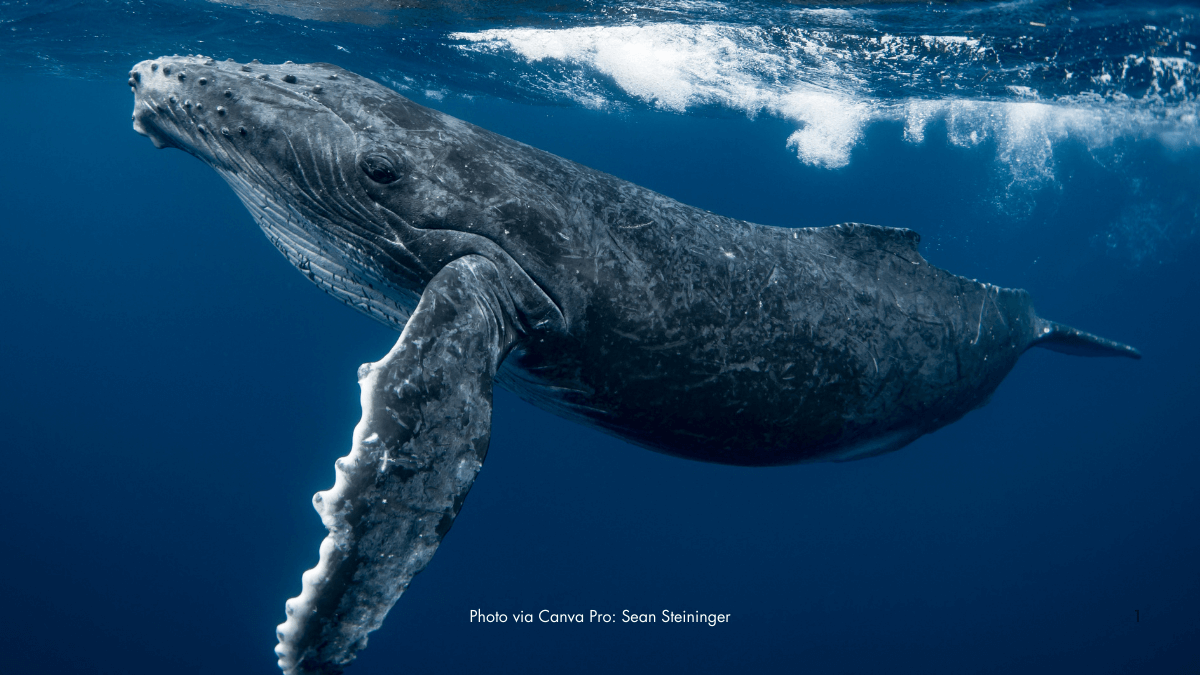
Whales don’t just swim across the seas, they carry an elemental gift hidden in their bodies. Scientists have known for years that whale feces helps fertilize surface waters, but recent studies show that whale urine is just as vital for sustaining marine life.
According to a recent study from the University of Vermont, these migratory giants channel tons of nutrients from the frigid latitudes where they feed to warmer coastal regions that would otherwise struggle with low nitrogen levels.
“It can sound disgusting, but for the ecosystem it’s worth its weight in gold,” note researchers from Norway’s Institute for Marine Research. In a 2023 study, they highlighted the beneficial aspects of whale feces. That straightforward statement sums up the power of whale excrement in the global ocean system.

When whales leave their nutrient-rich feeding grounds in places like Alaska or Antarctica, they embark on journeys stretching for thousands of miles. By the time they reach tropical or subtropical waters, they’ve built up stores of energy, and the breakdown of those reserves produces urea, which they release into the environment.
These clear, sparkling tropical waters often look pristine but can be low on essential nutrients, especially nitrogen. Whale urine effectively acts like a fertilizer, boosting phytoplankton growth and supporting coral reefs, fish, and even sharks.
Andrew Pershing, the Nature Communications co-author and an oceanographer at Climate Central, says, “Nutrients are coming in from outside, and not from a river, but by these migrating animals.” In places such as Hawaii, scientists estimate that whales may double the nitrogen input compared to what ocean currents alone would supply.
Feeding the Sea with Whale Urine
Much of the excitement about this research centers on the sheer scale of these contributions. Humpbacks, grays, and right whales transport about 4,000 tons of nitrogen each year to lower-latitude waters, all via urine, shed skin, placentas, and carcasses. That input becomes a feast for tiny organisms, which, in turn, fuel the entire marine food web. It’s a hidden engine of ocean fertility.
Scientists also point out how commercial whaling in the 19th and 20th centuries reduced many whale populations, shrinking this natural “conveyor belt” of nutrients and causing ripple effects through marine ecosystems. Some species are recovering, but others are still far below historic levels. Researchers believe restoring whale populations will help fortify coasts that depend on these migrating animals for nourishment.
Looking Ahead: Conservation and Future Discoveries
Scientists hope new conservation measures will let whales continue rebuilding their numbers to resume their critical role in fertilizing distant waters. By protecting these animals from threats like ship strikes or fisheries entanglement, we protect the life-support systems of oceans everywhere.
As more work focuses on whale migration and even the microbial communities that help them survive long journeys, researchers expect to uncover more about the delicate ties linking whales, plankton, reefs, and perhaps our own climate stability.
The message is clear. When whales thrive, the oceans flourish. Once an overlooked detail, their urine is now recognized as a critical piece of the vast puzzle that keeps our seas alive.



Leave a comment