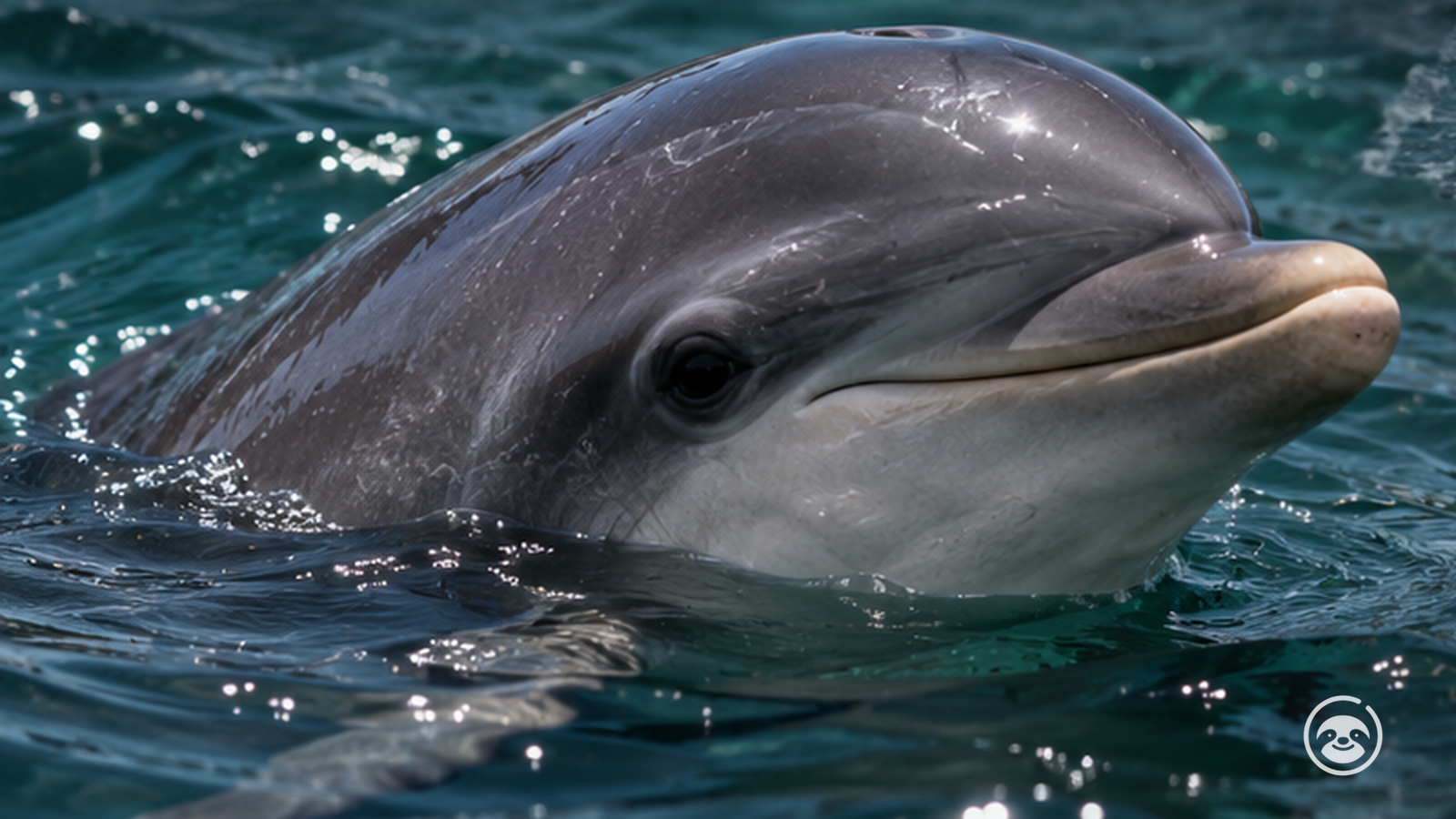
In footage from a beach in the Spanish city of Ceuta, a dolphin calf is carried toward the rocks in a person’s hands. The animal appears lifeless. A conservation group alleges it was taken from the sea alive and struck with a stick, but how it died remains unresolved.
The distinction between dolphin footage and its interpretation matters here. A recording can document how an animal was handled without revealing what happened beforehand. In this case, that missing context separates an allegation of fatal violence from an established cause of death.
The incident occurred on September 2, 2026, at Playa del Trampolín. El Faro de Ceuta’s initial report, published the following afternoon, described an apparently dead calf and acknowledged that what had happened was unclear. A second article later that day alleged that someone had removed it from the water and hit it on the head.
By September 4, the conservation association DAUBMA had filed a complaint with the Guardia Civil and requested an investigation. The group identified the animal as a bottlenose dolphin calf, Tursiops truncatus. It said photographs and recordings supported its account that the animal had reached shore alive before being forcibly removed and struck.
Those allegations deserve scrutiny. They also remain the association’s account, rather than a published veterinary finding.
PACMA, Spain’s animal-rights party, acknowledged the disagreement in a September 4 statement. Some witnesses alleged that the calf had been pulled from the water and hit. Another account held that it had arrived at the shore already dead. The party called for investigators to establish what happened and identify anyone responsible.
Spanish broadcaster Onda Cero reported that the available images didn’t show the alleged blow. Newtral independently checked the location against street-level imagery and confirmed that the footage came from El Trampolín. It also reported that people in the recording said the dolphin was already dead. That response is an account to investigate, not a finding in itself.
What the footage can’t establish
The central questions are straightforward. Was the calf alive when people first approached it? What happened between that encounter and the moments shown in the circulating clips? And is there physical evidence that can establish the cause of death?
As of September 5, the sources reviewed for this article contained no published veterinary determination of the cause of death. Newtral reported that security sources working in Ceuta said they were investigating the death.
The absence of a visible attack in the reviewed footage doesn’t disprove DAUBMA’s allegation. Equally, images of people holding the body don’t establish that they caused the animal’s death. Both points matter when an accusation is traveling alongside a short video.
Local coverage describes the people filmed as migrants. Their individual immigration status wasn’t established in the material reviewed. PACMA’s position is that responsibility should follow the evidence against individuals, rather than be assigned to a broader population.
There’s a separate conservation issue that doesn’t depend on resolving the allegation first. Spain lists the bottlenose dolphin as vulnerable in its national threatened-species catalogue. That is a Spanish classification, not a statement that the species is globally endangered.
The social lives of dolphins are built around communication and relationships within groups. But a stranded animal’s needs can’t be judged from its familiar appearance. Trained responders must assess whether it can safely return to the sea.
CRAM, a marine-animal rescue organization operating in Catalonia, advises people who find a marine animal needing assistance, alive or dead, to call 112. Its instructions are to leave the animal untouched and not put it back in the water independently. That is general rescue guidance, not evidence that CRAM attended the Ceuta incident.
NOAA Fisheries explains why restraint matters. A stranded dolphin may be seriously ill or injured. Returning it to the water can delay treatment and cause further harm. Trained teams also gather information from dead animals that can help explain a stranding and identify wider threats to marine life.
For the Ceuta calf, the immediate task is to establish what happened. For the next animal found at the water’s edge, the public’s first response should be to seek qualified help, not handle it.

Leave a comment