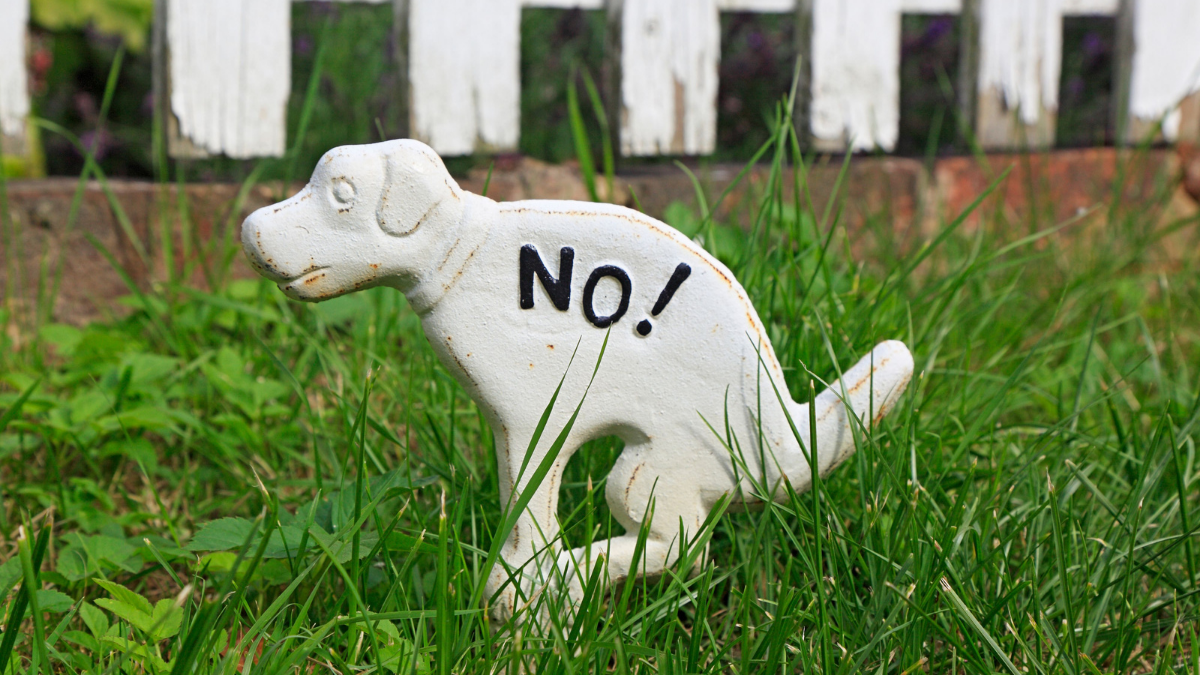
If you grew up in the 70s or 80s, you probably remember the chalky white dog poop that dotted sidewalks and lawns. It wasn’t a trick of memory. It was diet, sunlight, and the way pet food was made at the time.

The calcium connection
Decades ago, many commercial dog foods leaned on meat and bone meal. Those ingredients carried a lot of calcium. Dogs only absorbed part of that mineral load; the rest moved through, and when the stool sat out, the organic material broke down while the mineral content lingered. The result was a crumbly, pale relic that turned bright white as it dried.
Sun and time did the rest. As moisture evaporated and pigments degraded, the leftover mineral fraction made the surface look chalky and brittle. That’s why a pile might start brown and end up white after a few dry days.

Pet food changed. By the 1990s, formulas pivoted toward more balanced mineral profiles and less bone meal, which meant less excess calcium passing through a dog’s system. The familiar white piles faded from everyday view.
You can still spot white poop now and then, usually for two reasons. One is simple drying in the sun. The other is diet, especially when dogs eat bone‑heavy raw meals, calcium supplements, or too many bones after a big chew session. For families comparing gentle dog breeds, today’s balanced kibbles and fresh foods are designed to avoid those extremes, though individual choices and treats can tip the scale.
Fresh stool that’s pale or gray from the start is a different story. That can signal a lack of bile pigment or an issue with the liver, gallbladder, or pancreas. If you see persistent color changes, or if your dog seems unwell, call your veterinarian.

The white‑poop era is a small reminder that products on store shelves shape what we notice in our neighborhoods. From the ancient Xoloitzcuintli to today’s beloved retrievers, our dogs have always reflected our choices in what we feed them and how we care for them. And because we’re very good at talking to our pets like people, mysteries like this tend to stick in our collective memory.
If the sight brings you back, you’re not alone. For many, it’s a snapshot of summer sidewalks, backyard sprinklers, and dogs dozing under porch steps. Everyday history leaves traces in unexpected places, then vanishes when habits and formulas change.
Leave a comment