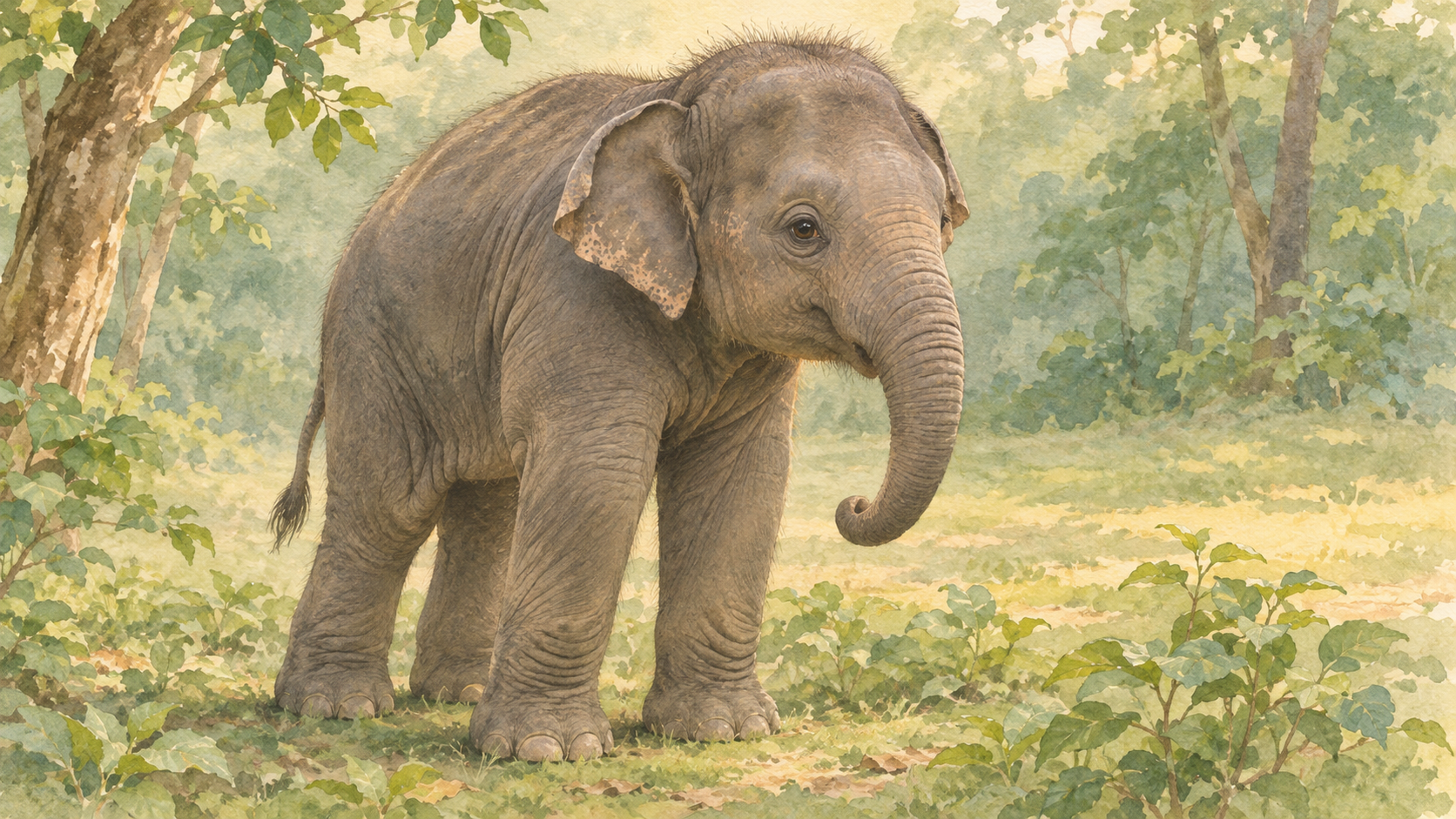
Tula-Tu’s veterinarians began treating her before they had the laboratory result. The Asian elephant calf’s caregivers had noticed a change in her energy and behavior on October 24, 2026, and the bloodwork they could do at the Oregon Zoo gave them a reason to move quickly.
Her white-cell count was low. The team started antiviral medication while samples went for molecular testing at Oregon State University. The following day, the university’s veterinary diagnostic laboratory confirmed an elevated level of elephant endotheliotropic herpesvirus, or EEHV, in her blood. Plasma transfusions became part of the response.
By the zoo’s November 4, 2026, update, the signs were more encouraging. Tula-Tu was eating better and seemed more alert. The amount of virus detected in her blood was falling, and her white-cell count was approaching normal.
Dr. Carlos Sanchez, who oversees animal health at the zoo, described her condition this way: “Tula remains in guarded condition, but she is showing encouraging signs.”
That assessment came after more than a week of emergency care. The calf had received fluids, antiviral drugs and repeated plasma transfusions. She’d also gone outdoors into a yard away from public view and spent time playing.
Born on February 1, 2025, Tula-Tu had turned 21 months old just days before that update. Her first birthday at the Portland zoo involved a cake made with lettuce, apples and sweet potatoes, shared with her parents, Rose-Tu and Samson.
EEHV presents a particular problem for people caring for young elephants. It can be present in an animal that looks healthy, yet the severe form of the disease can progress quickly enough that waiting for unmistakable illness costs valuable treatment time.
The virus’s long name describes one of its targets. The endothelium is the lining inside blood vessels. When severe EEHV disease damages that lining, blood vessels can leak and the body’s clotting processes can become disrupted. Extensive damage can impair circulation and injure organs.
Calves can become vulnerable as antibodies received from their mothers decline, before they’ve developed their own immunity to the relevant type of EEHV. Adults commonly carry the viruses without becoming ill. Cases have also been documented in free-ranging elephants, so the infection extends well beyond zoo herds.
For caregivers, knowing an individual elephant’s normal behavior provides one kind of warning. Blood tests supply another. A calf’s appetite or activity might change only slightly while the laboratory findings give veterinarians more reason for concern.
Routine surveillance uses a test called quantitative PCR, or qPCR, to look for and measure viral DNA. Repeated samples allow the team to follow its direction over time. Alongside those results, blood-cell counts can help identify changes that warrant treatment.
The EEHV Advisory Group recommends regular surveillance for at-risk calves and preparation before illness occurs. That includes training elephants to cooperate with the procedures they may need.
The zoo had been preparing Tula-Tu for veterinary procedures since she was very young. Steve Lefave, who manages the elephant-care program, described that work when her vaccination was announced in August.
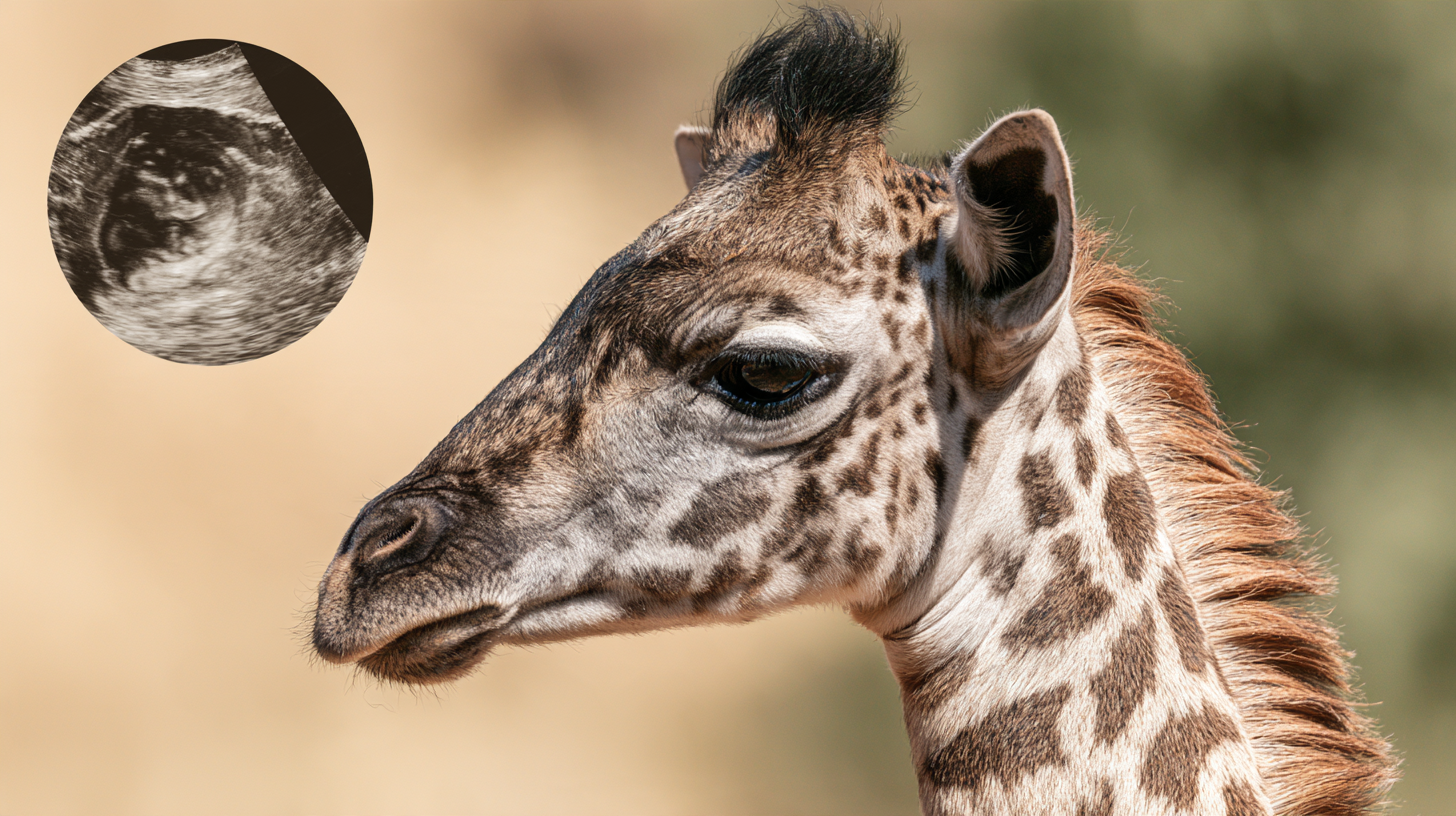
Such care also depends on supplies that can’t be improvised at the last minute. Plasma has a role in several kinds of zoo veterinary care, including Milani’s emergency plasma transfusion as a newborn giraffe. In EEHV cases, it forms part of a broader response that can include antiviral medication, fluids and close monitoring.
Researchers are still working to establish how well individual treatments work against EEHV. Much of the practical knowledge has accumulated through treating cases and comparing what happened. Care teams must make decisions while that evidence continues to develop.
The vaccine’s unanswered question
The zoo announced Tula-Tu’s vaccinations on August 31, 2026. She’d received two doses that summer of an experimental mRNA vaccine targeting EEHV-1A.
The infection diagnosed in October was EEHV-1B, a related variant. Sanchez said the team didn’t know whether the 1A vaccine would offer protection against 1B, or how much protection it might provide.
The vaccine research had taken a step forward earlier in the year. A study published in July evaluated antibody responses in nine Asian elephants across five institutions. Responses differed among the animals, but the work showed that vaccination could stimulate antibodies against its viral targets.
Two members of that group, both juveniles at Cincinnati Zoo, were also followed in a companion study in the Journal of Virology. After naturally acquiring EEHV1A, they remained clinically healthy. The virus eventually became undetectable in their blood without treatment.
Those observations offered an early indication that vaccination might help prevent severe illness. The clinical evidence rested on just two vaccinated juveniles, with no unvaccinated comparison group. It also concerned 1A infection, leaving the question raised by Tula-Tu’s 1B illness unresolved.
Oregon Zoo has a painful history with EEHV. On November 29, 2018, Rose-Tu lost another calf, Lily, one day before Lily’s sixth birthday.
Blood monitoring had detected low levels of the virus before Lily showed signs of disease. She became lethargic and lost interest in food the next morning. Veterinarians gave her fluids, antiviral medication and a transfusion, but she died that night.
There was no EEHV vaccine available then. In its account of Lily’s death, the zoo described years of sending elephant blood samples to the Smithsonian to support research. An experimental vaccine has since reached elephants, while the work of improving diagnosis and treatment continues.
During Tula-Tu’s illness, Rose-Tu stayed close and continued to nurse her. Blood samples went to Oregon State, Baylor College of Medicine and the Smithsonian’s specialist elephant herpesvirus laboratory to help track the infection.
Between tests and treatments, Tula-Tu had also been playing with Rose-Tu’s old blue ball.

Leave a comment