Tag: forest
-
How do Wrap-around spider wraps actually work?

In the complex world of arachnids, the wrap-around spider stands out for its remarkable approach to survival and predation. Found predominantly in Australia, this spider exemplifies the pinnacle of natural camouflage. Its flat body and natural coloration blend seamlessly into tree bark, making it nearly invisible to prey and predators. These spiders possess a unique…
-
Discover The Best: A Quick Guide To Yellowstone And Yosemite

Yellowstone National Park and Yosemite National Park stand as two of the United States’ greatest natural treasures, each offering distinct experiences that cater to various interests. Yellowstone, established in 1872, is famed for its geothermal wonders, including the iconic Old Faithful geyser, and its rich wildlife, such as grizzly bears, wolves, and bison. Its vast…
-
Where does Delonix regia grow? How to plant the fiery tree

Delonix regia, commonly known as the Royal Poinciana or Flamboyant, is a species of flowering plant native to the African island of Madagascar. Specifically, it originates from the dry, deciduous forests of the west coast. However, the tree’s flaming orange-red flowers and its adaptability have made it a popular ornamental tree well beyond its native…
-
Unlocking the secrets of the Sword-Billed Hummingbird’s open beak

The Sword-billed hummingbird has the longest beak in proportion to its body compared to any other bird. Why is this, and what secrets are behind the Sword-billed Hummingbird’s open beak? Let’s have a look. First of all, look at that extensive beak, much longer than the bird’s body. Beakonomics: Measuring Up the Sword-Billed Hummingbird The…
-
Mystery of Dead Man’s Fingers: Where Do They Grow?
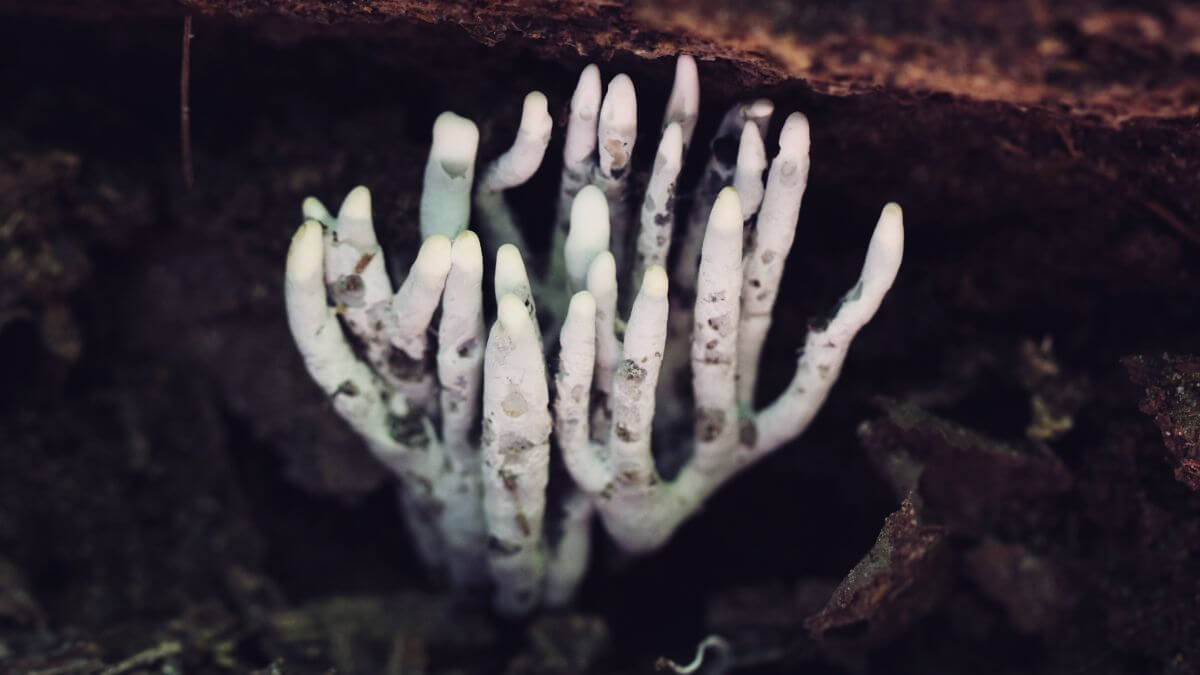
Suppose you’re hiking through a wooded area in upstate New York or the famous Appalachian Trail and stumble upon clusters of dark, lifeless human digits protruding from decaying logs. What are those creepy things? For one, they could be Dead Man’s Fingers. Scientifically known as Xylaria polymorpha, this unique fungus is guaranteed to get a…
-
Usambara Three-Horned Chameleon gives birth like a mammal
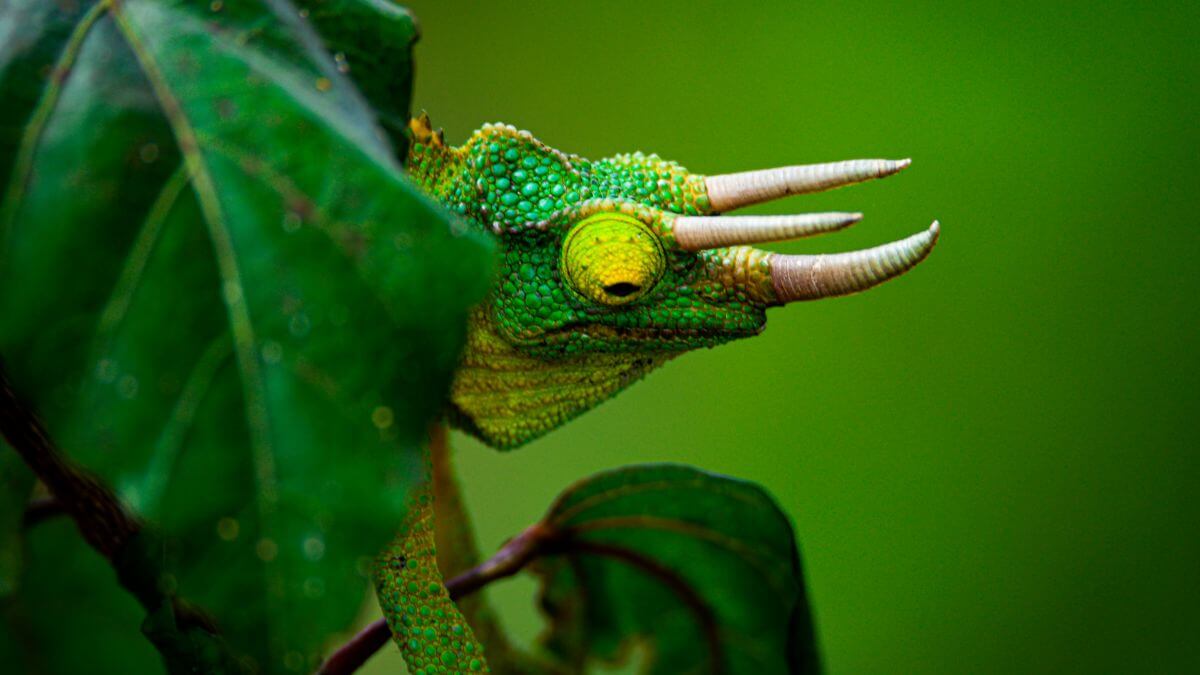
With three long, spiky horns and a body colored for camouflage, the Usambara three-horned chameleon (Trioceros deremensis) could pass for a miniature dinosaur skulking through the trees. It even looks like a triceratops, especially the males. But there’s a twist that makes this reptile even stranger: it doesn’t lay eggs. Native to Tanzania’s mist-wrapped Eastern…
-
Are Sawfish dangerous? Here’s the truth

Sawfish, known for their unique, saw-like rostrums, are often misunderstood. Contrary to popular belief, sawfish are generally not dangerous to humans. While they can grow up to an impressive 25 feet, their nature is predominantly docile. The true threat is not from the sawfish but to the sawfish: they are facing a steep decline due…
-
Baatara Gorge Waterfall: Why it’s Lebanon’s best-kept secret

Like Peru’s Waterfall of the Bride, the Baatara Gorge Waterfall is one of Lebanon’s best-kept secrets. Located in the Tannourine Cedars Nature Reserve, the waterfall is accessible via a short hike through the forest on the Lebanon Mountain Trail. The views from the top are breathtaking, and the waterfall is an impressive sight. This hiking…
-
The beauty of Madagascar’s giant Baobab trees

The Grandidier’s Baobabs (Palmate adansonia) are giant trees indigenous to Africa. Nicknamed the “mother of the forest,” this species of Baobab tree is predominantly found off Africa’s mainland in the island country of Madagascar. It joins the fiery flowering plant Delonix regia as native to the country. Baobabs can live up to 800 to 1000…