-
Meet Viatina-19 FIV Mara Movéis: The $4 Million Queen of the Cattle World
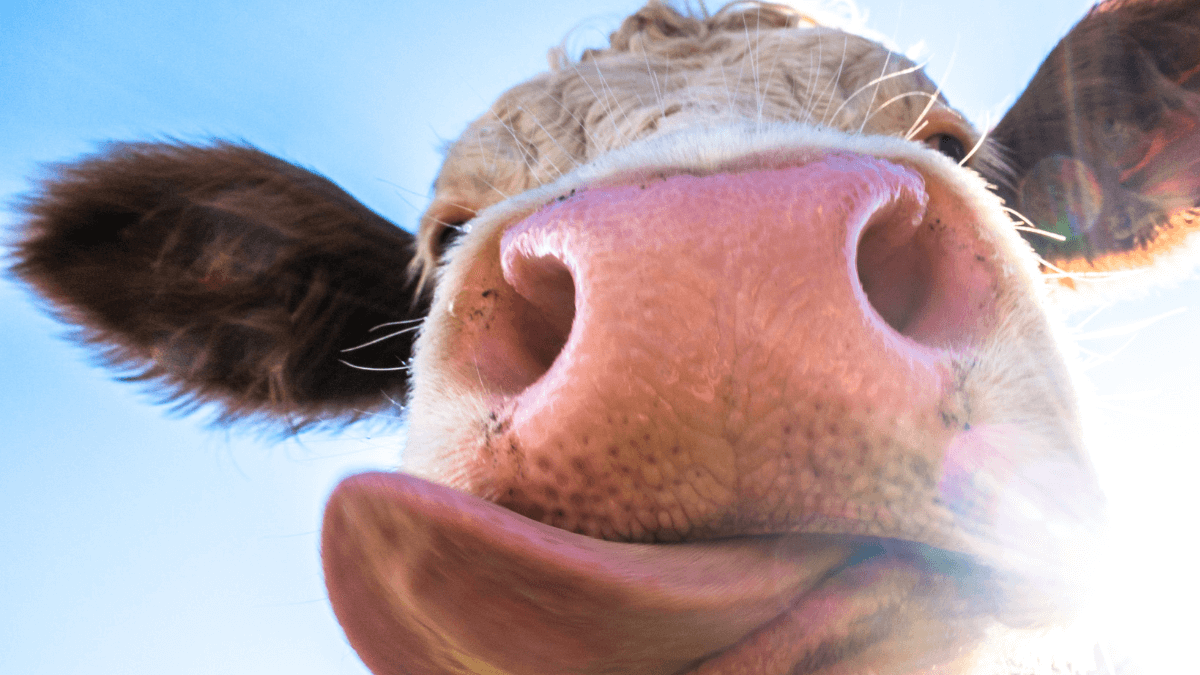
Viatina-19 FIV Mara Movéis isn’t your average cow. She’s the most expensive bovine ever sold, commanding a jaw-dropping $4 million at a high-stakes auction in Brazil. This record-breaking sale didn’t just make headlines. It shook the global cattle industry and highlighted Brazil’s leading role in beef production. But what makes Viatina-19 so special, and why
-
Why do manatees eat and look like sweet potatoes?

Manatees are fascinating marine mammals often compared to sweet potatoes. Many people wonder about this comparison and its validity. These gentle giants have a diet that heavily features aquatic plants, which can be quite nutrient-dense. They consume about 8% of their body weight in seagrass and other vegetation daily. Their rough, thick skin is somewhat
-
Reliving the rare encounter of the enigmatic Angular Roughshark of Italy’s Island of Elba
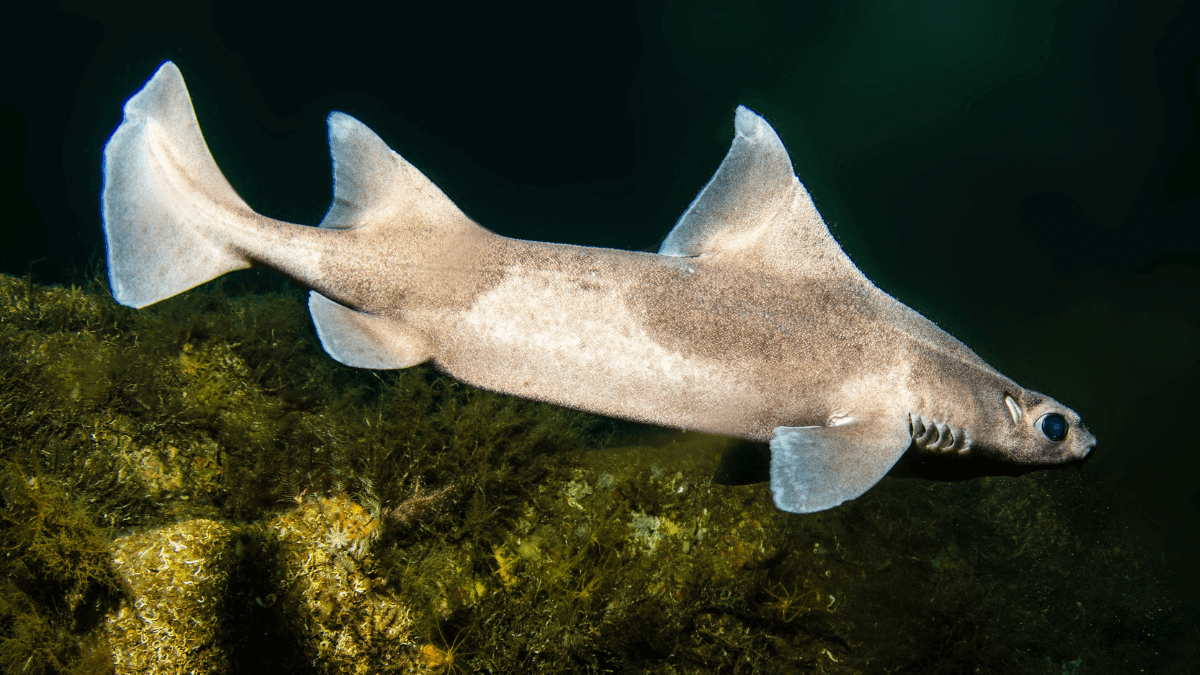
An extraordinary discovery on Italy’s Island of Elba captured the imagination of marine biologists. In the summer of 2001, an angular rough shark, endearingly known as the “Pig Fish,” washed ashore. This elusive species, Oxynotus centrina, typically inhabits deep-sea environments, making such an encounter exceptionally rare. The angular roughshark’s appearance is notably unique. It has
-
Mexican Alligator Lizard colors and other unique visual features

Mexican Alligator Lizards, also known as Abronia graminea, are eye-catching reptiles with vibrant colors that stand out in the natural world. The lizard’s striking green hues can range from bright green to yellow-green, making it a captivating subject for reptile enthusiasts. This endangered species, native to Mexico’s Sierra Madre Oriental and Oaxaca highlands, boasts unique
-
Fukang Meteorite: The 4.5 Billion-Year-Old Relic from China’s Mountains

The Fukang meteorite is a remarkable specimen of cosmic history. In 2000, a Chinese dealer discovered the rock in the vicinity of Fukang City in China, nestled within a secluded mountain range. As a pallasite, this stony-iron meteorite embodies a rare category that provides a tangible connection to the very foundations of our solar system.
-
The Fascinating Transformation of Longan: Culinary Applications and Nutritional Impact

Longan, a tropical fruit, is a culinary gem with a taste that’s uniquely its own. While it may resemble the lychee in appearance, its flavor is a delightful surprise that’s sure to captivate your taste buds. The edible part of Longan, the translucent fleshy part surrounding a dark seed, possesses a mildly sweet flavor. This
-
Discover the Gumboot Chiton: Secrets of Its Armored Shell
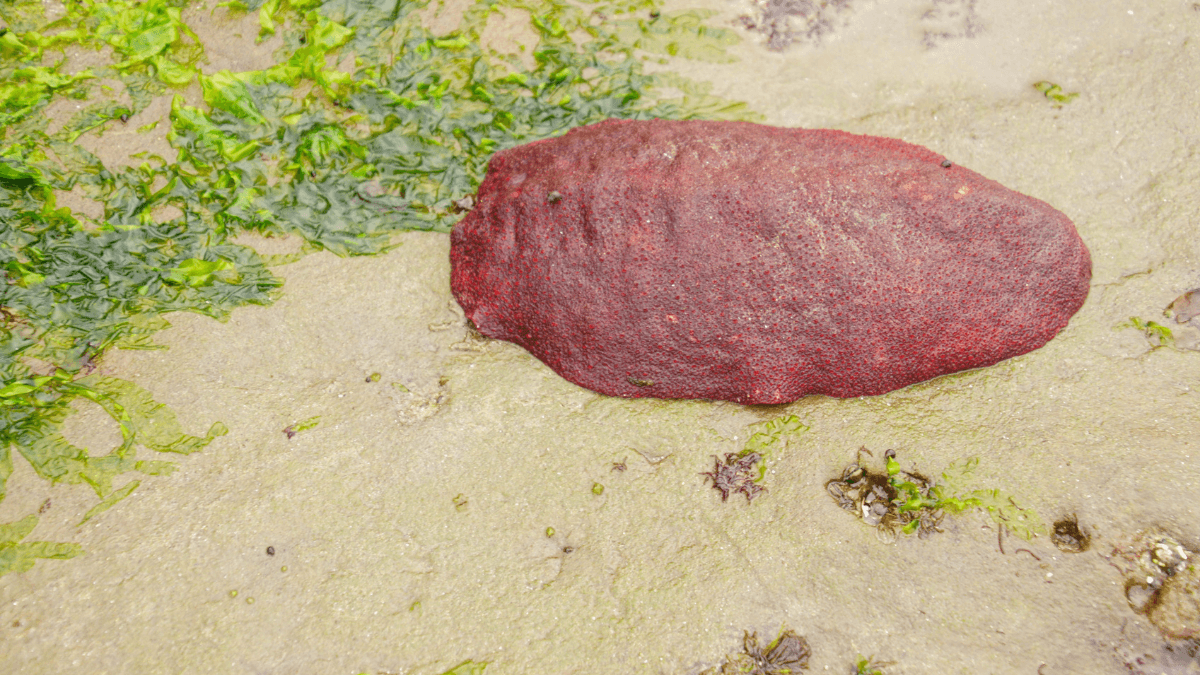
The gumboot chiton, known scientifically as Cryptochiton stelleri, is a remarkable marine mollusk native to the coastal waters of the Pacific Ocean. This species, often referred to as the giant Pacific chiton, is the largest chiton species worldwide. It thrives along the North American Pacific coast, from the temperate shores of Central California to Alaska.
-
How to build an observation bee hive

Building an observation bee hive offers a unique window into the world of honeybees. Unlike traditional hives, an observation hive is designed with clear walls, usually made of glass or Plexiglas, allowing you to watch bees in action without disturbing them. If you want to make an observation hive, you’ll need some basic tools and
-
Are Giant Anteaters Dangerous?

Giant anteaters, native to Central and South America, are often recognized by their distinctive size and unique appearance. They are the largest of the four living anteater species and can grow up to 7 feet long. In their natural habitat, which includes savanna-like fields and rainforests, these solitary mammals are primarily insectivorous, feeding mainly on