-
Behind the Zagros Mountains lies a hidden story of a sinking oceanic slab
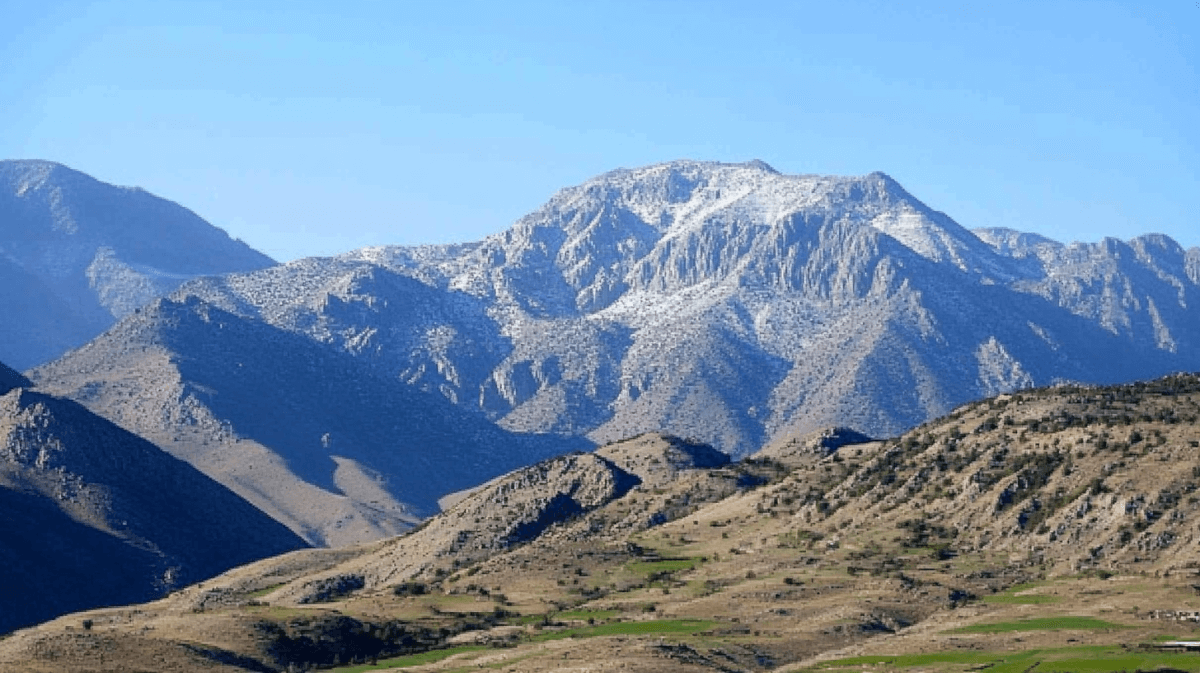
The low rumble of tectonic forces often goes unnoticed in our daily lives, yet a quiet drama unfolds beneath Iraq’s Kurdistan region. Deep underground, the Neotethys oceanic plate is tearing free from the Arabian and Eurasian continents. By Terpsichores – Own work Source :background : Natural Earth II (public domain) by Tom Patterson, US National Park Servicenational
-
2032 collision? The asteroid that launched a global defense effort

Only a few days after Christmas 2024, astronomers identified an asteroid that could test humanity’s ability to protect itself. Known as 2024 YR4, this object is estimated to measure between 130 and 330 feet in length, making it potentially large enough to inflict severe local damage if it ever struck land. Its projected approach date
-
A colossal iceberg the size of Rhode Island is putting South Georgia’s penguins on edge

A towering wall of ice the size of Rhode Island is on a slow collision course with South Georgia Island, a remote haven that supports one of the largest king penguin populations on the planet. This massive iceberg, known as A23a, stayed firmly rooted in Antarctic waters near its birth site on the Filchner-Ronne Ice
-
The Spotted Handfish of Tasmania, Australia that ‘walks’ underwater
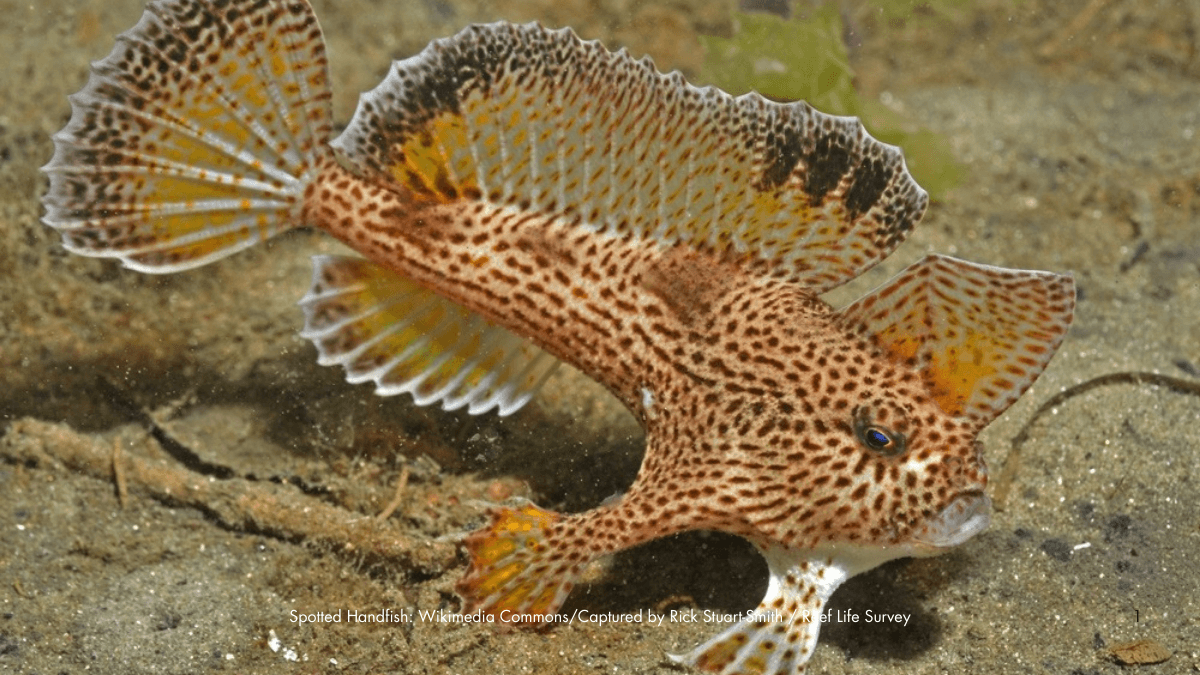
They call it the fish that walks, a small but entrancing creature meandering along the silty depths of Tasmania’s Derwent River. At just five inches long, the Spotted Handfish seems more like a miniature explorer than a typical swimmer, slowly pacing along the substrate on pectoral fins that act like stubby hands. It’s a quiet
-
A tale of two black birds: How to spot Crows vs. Ravens

They swoop over city streets and country fields, dressed in nothing but black. You might catch their silhouettes against a gray sky, or hear their unmistakable voices echo off rooftops and pines. Crows and ravens captivate us with their dark feathers, sharp intelligence, and centuries of folklore. Yet despite their shared color and family ties,
-
Tea time, lifetime: Science-backed reasons to keep on steeping

There’s a quiet revolution taking place at the bottom of a teacup. It’s one that has fascinated researchers around the world, especially those studying how an everyday beverage might help people stretch their lifespans by just a little more. In large-scale studies from China and Europe, scientists have found lower rates of heart disease, stroke,
-
Shades of Green: Life and Longevity of the Parson’s Chameleon
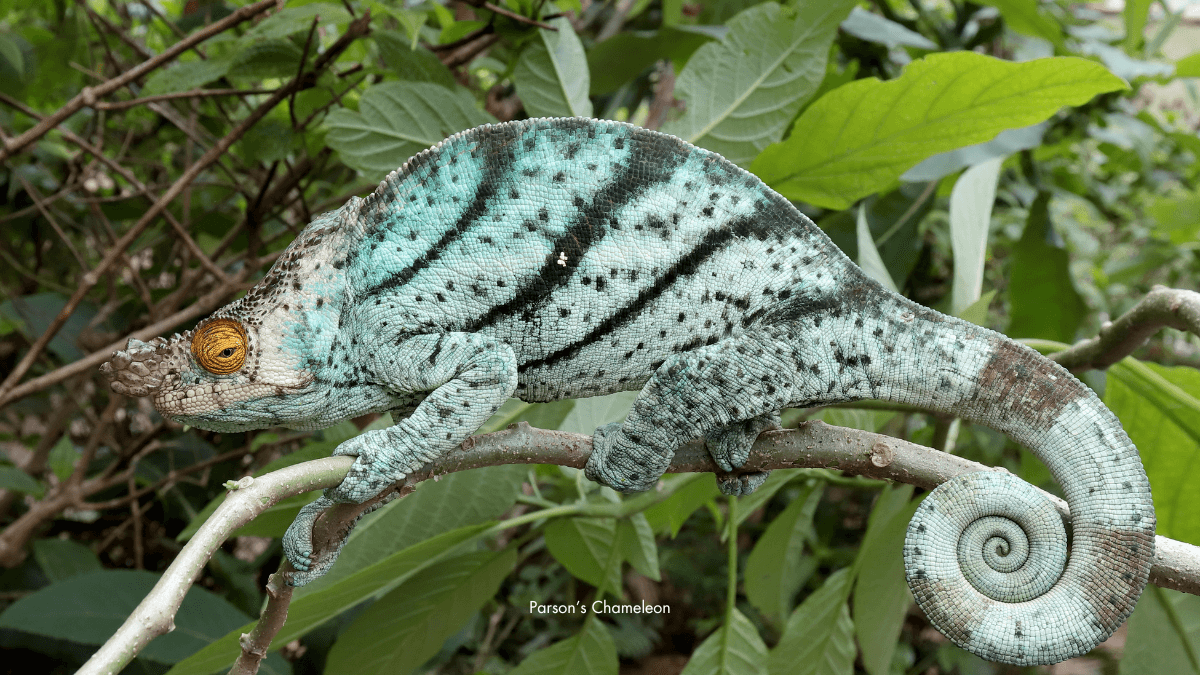
A gentle giant perched among the branches in the mist-laden rainforests of eastern Madagascar. The Parson’s chameleon, known scientifically as Calumma parsonii, is far from the stereotypical tiny tree-dweller. Its imposing silhouette, which can stretch to nearly 27 inches, has earned it a reputation as the biggest chameleon in the world. Few forget this sight.
-
Manhole covers provide a hidden guide on the sidewalks of Oklahoma City
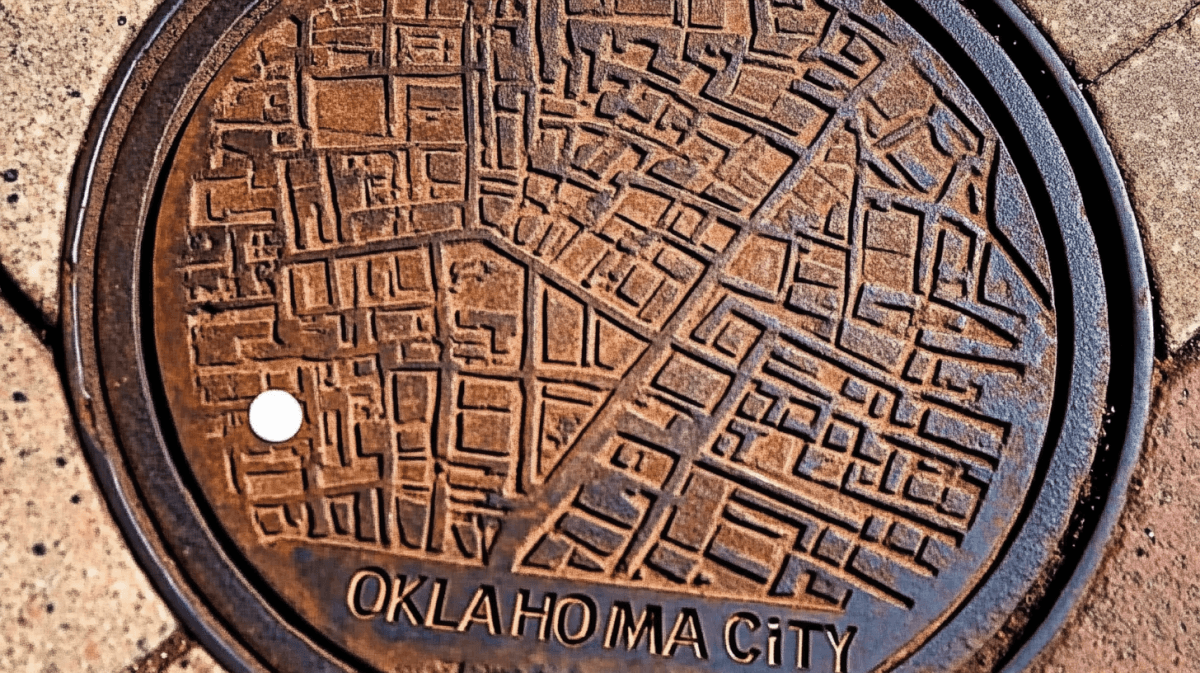
Oklahoma City seems unhurried at first glance. Newcomers wander into downtown, pass the sleek glass towers, and pause at the lush Myriad Botanical Gardens. Most of the time, they don’t look down. Only when someone points it out do you notice the small manhole covers embedded in the concrete. Each one holds a city map
-
Devil’s Fingers unfurled: The strange odyssey of Clathrus archeri
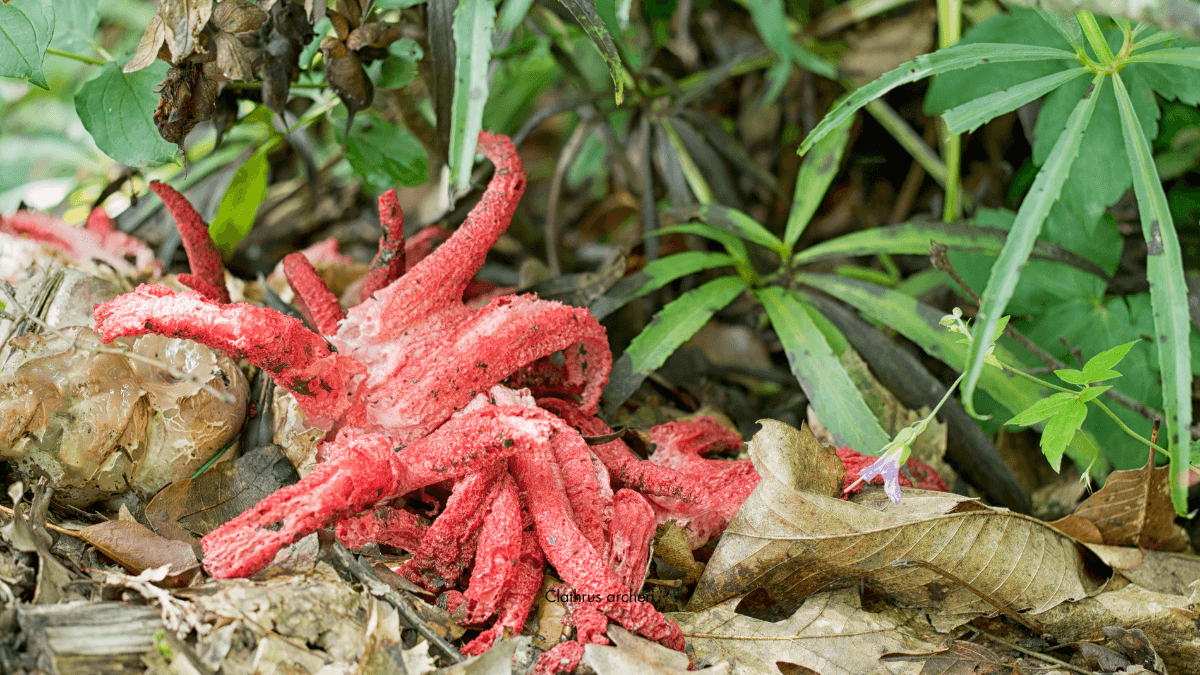
Clathrus archeri looks like it belongs in a fantastical film set. Crimson arms emerge from a small, white egg, then splay outward in a dramatic pose. It’s hard to believe such a creature is a fungus, but this is the so-called devil’s fingers (not to be confused with dead man’s fingers), also known as the