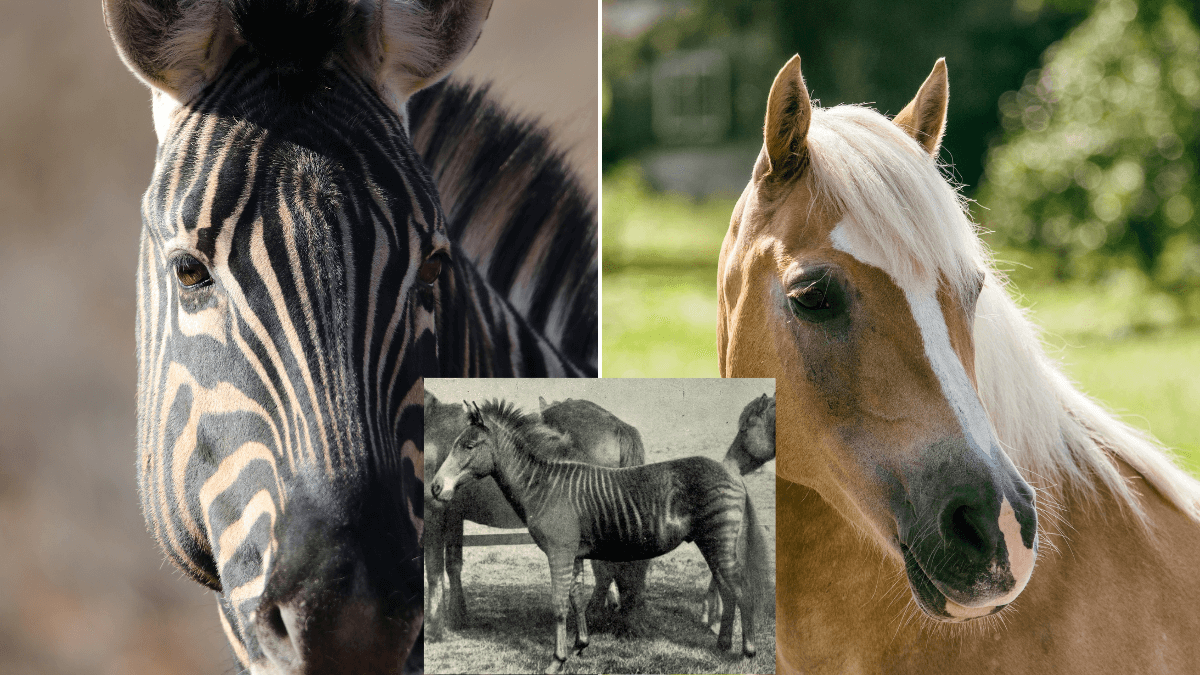
A zorse is a fascinating hybrid, the offspring of a zebra stallion and a horse mare. It inherits the striking stripes of its zebra parent and combines them with the size and certain characteristics of a horse. This unique blend creates an animal that is both visually striking and uncommon.
In terms of sound, a zorse produces a mix of noises from both species. It can whinny and neigh like a horse, but it may also make shorter, bark-like sounds similar to a zebra. These sounds might catch you off guard if you’re only familiar with horses or zebras individually.
Hybrids like the zorse offer a chance to observe how traits from different species can merge into one. From their appearance to their vocalizations, zorses provide insight into the versatility of genetic combinations. This blend makes them one of the more intriguing animal hybrids, showcasing nature’s unpredictability and diversity.
Anatomy and Physical Characteristics of a Zorse
A zorse is a hybrid animal resulting from the crossing of a zebra and a horse. It possesses a unique blend of traits from both parent species. It has distinctive physical characteristics, including stripes and strong legs, which contribute to its striking appearance.
Size and Appearance
The zorse typically exhibits a horse’s body structure combined with a zebra’s striped pattern. Its size can range similarly to a horse’s, generally standing around 14 to 16 hands high. The coloration varies but usually includes a blend of brown, tan, or gray. There are prominent zebra-like stripes, especially on the legs, neck, and face.
The zorse’s ears resemble a horse’s, although they may be slightly larger and more pointed, similar to a zebra stallion. Its coat is coarse, with an upright mane, blending characteristics of both species. The legs are strong and built for endurance, reflecting the robust nature of its parentage.
Genetic Composition
A zorse inherits an equal set of chromosomes from both parents, resulting in a unique genetic composition. Horses typically have 64 chromosomes. Zebras have 44 chromosomes. The hybrid zorse ends up with a count somewhere in between, often around 54 to 62 chromosomes.
This blend of chromosomes leads to certain unique characteristics in the zorse, such as sterility. Similar to a mule, another hybrid animal, zorses are generally sterile due to the genetic differences between the horse and zebra. Known as a zebroid, this classification places the zorse among other zebra hybrids like the zonkey.
Despite genetic challenges, the zorse retains a mix of behaviors and traits from both parent species, making it a fascinating subject of study in hybrid biology. The combination of horse-like strength and zebra-like resilience gives the zorse its distinctive abilities and appearance.
Zorse Behavior and Ecology
Zorses, hybrids between zebras and horses, display unique behaviors and ecological traits. Their temperament, habitat preferences, diet, and social interactions are all influenced by both of their parent species.
Habitat and Diet
Zorses thrive in environments similar to those of zebras and horses. They are commonly found in grasslands and savannas, often in regions that mimic the natural habitats of zebras in Africa. These areas provide a rich supply of grasses, fruits, and some vegetables, which make up the bulk of their diet.
These herbivores graze primarily on grasses but will also consume fruits and vegetables when available. This diet helps maintain their strength and overall health. In captivity, their diet is supplemented with hay and specially formulated feed to ensure they receive all necessary nutrients.
Social Behavior and Reproduction
Zorses exhibit a mix of behaviors inherited from both zebras and horses. They can be social animals, often forming small herds similar to zebra groups in the wild. Their social structure can include a dominant stallion, mares, and their offspring.
While their reproduction habits align with those of horses, genetic differences can make breeding challenging. Mating often occurs naturally, though controlled breeding programs are also conducted. In these programs, a horse mare is typically bred with a zebra stallion to produce a zorse.


Leave a Reply to Finn OakleyCancel reply