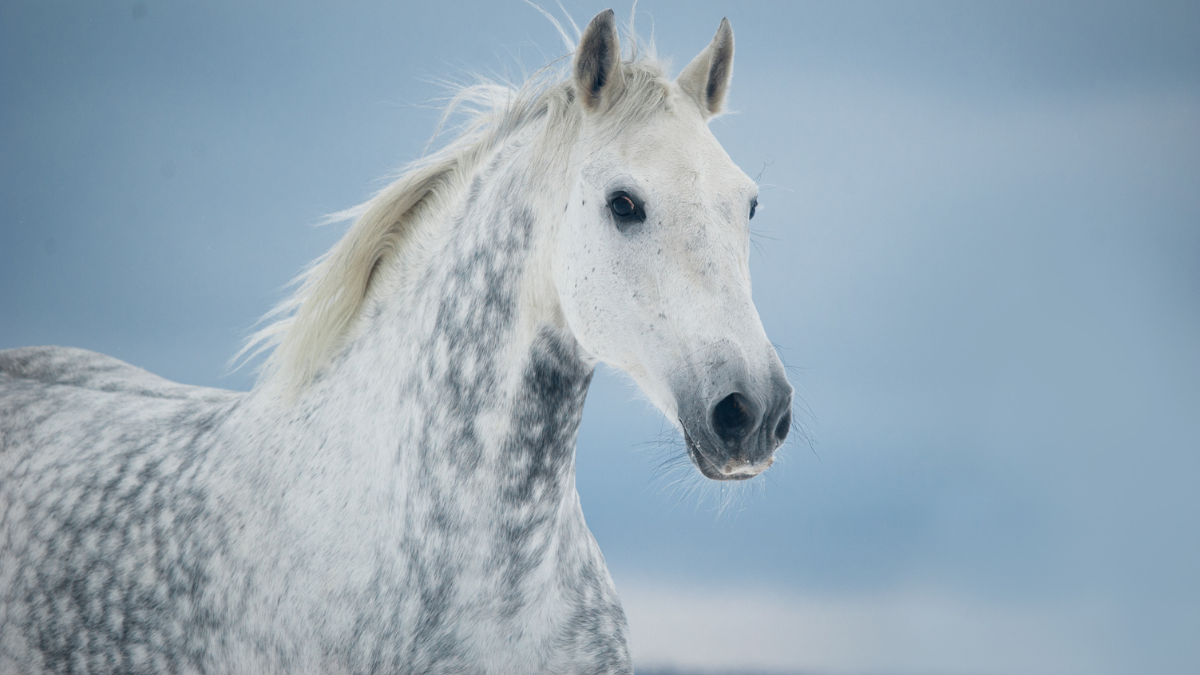
Horses come in an astonishing range of coat colors, but some shades and patterns are so rare, most folks never spot them in real life. These uncommon hues often stem from unique genetic quirks and can make a horse absolutely unforgettable to see in person.
This article dives into ten of the most distinctive horse colors out there. We’ll look at what causes them genetically and what it takes to keep these coats looking their best.
10) Appaloosa Blanket

The Appaloosa Blanket is probably the most iconic pattern you’ll see in the Appaloosa breed. A white “blanket” covers the hindquarters, sometimes solid, sometimes sprinkled with darker spots.
The base color—bay, black, chestnut, or sorrel—contrasts sharply with that white, making the pattern pop. The blanket’s size and shape can be wildly different from horse to horse.
Some Appaloosas have blankets that stretch toward the midsection or up over the shoulders. Others keep a tidy, small blanket right over the hindquarters.
If the blanket’s spotted, that’s where things get even more interesting. Dark spots within the white area give each horse a distinct, almost painterly look.
No two Appaloosa Blankets are quite alike. That unpredictability is part of what draws people who love unique coat patterns—it’s a breed that celebrates variety.
9) Rabicano
Rabicano is a rare horse coat pattern, not a true color. It’s marked by white hairs mixed into the base coat, but unlike roan, these hairs cluster in certain places—usually the flanks, ribcage, and especially the tailhead.
The “coon tail” or “skunk tail” is a dead giveaway: white hairs gather at the top of the tail, sometimes just a few streaks, sometimes a bold white band.
Horses with rabicano show a huge range, from just a few stray white hairs to a heavy dusting along their sides. Oddly enough, the head and legs almost always stay solid-colored.
This pattern can show up in lots of breeds. It overlays the horse’s base color and isn’t tied to any single lineage, which keeps things interesting for breeders and horse lovers alike.
Geneticists still haven’t nailed down how rabicano gets passed on. That uncertainty makes finding a rabicano horse a bit of a thrill—like stumbling onto a secret.
8) Dun
Dun is one of those ancient, unmistakable horse colors. You’ll spot it by the diluted body shade set off by darker mane, tail, and legs.
The real giveaway? A dark dorsal stripe running down the back. Many dun horses also have leg barring or faint shoulder stripes—primitive features that hint at their wild ancestors.
Dun shows up in a bunch of shades: red dun, bay dun, grullo. The base color and how the dun gene tweaks it make all the difference.
This color is closely tied to primitive horse breeds. You’ll see echoes of these markings in ancient cave paintings.
Duns don’t need wild spots or flashy markings to stand out. Their natural patterns and contrast are striking all on their own, which is probably why they’re still so popular with breeders and riders who appreciate a bit of history.
7) Grullo

Grullo is a rare color that comes from combining a black base coat with the dun gene. The result is a smoky, slate-gray shade you really won’t mistake for a regular gray or roan.
Depending on the light, the coat can look mousey, bluish, or even a bit olive. All grullos share that same genetic recipe, though, which sets them apart from other diluted colors.
Most grullo horses have black manes, tails, and lower legs. Primitive markings like a dorsal stripe or leg barring are common and help you spot them at a glance.
Because grullo pops up so rarely in breeding, it’s a treat to see. That rarity, and its unmistakable look, makes grullo a true standout.
6) Mushroom
The mushroom color is a rare dilution, mostly found in Shetland ponies. It takes a chestnut coat and softens it into a light beige or taupe, usually paired with paler manes and tails—a bit like a faded chocolate or sepia photograph.
Mushroom coats don’t lighten with age, which makes them easier to identify than grays or other colors that shift over time.
This color comes from a recessive gene, so both parents have to carry it for a foal to show mushroom. That’s why you almost never see it outside certain pony breeds.
Mushroom horses have a soft, muted look—not as flashy as palominos, but they turn heads because you just don’t see them every day.
People sometimes confuse mushroom with silver dapple, but they’re different. Silver only affects black-based coats, while mushroom changes chestnut. That’s a key detail for breeders trying to pin down what they’re seeing.
5) Perlino
Perlino isn’t a breed—it’s a rare coat color that’s hard to forget. The coat ranges from almost white to a creamy coffee shade, setting it apart from the usual cream colors you see.
Perlino horses often have pinkish skin and those striking blue or glassy eyes. It’s a combination that gives them a unique vibe compared to palominos or buckskins.
The mane and tail tend to be a little darker than the body, sometimes with a light orange or chestnut tint. It’s a subtle effect, but it adds some dimension to the look.
This color comes from a bay base coat that inherits two cream dilution genes. That’s what creates the perlino shade—no magic, just a genetic twist.
Perlinos are rare, so they always attract attention at shows or out in a pasture. Even folks who know horse colors well tend to do a double take.
4) Champagne
The champagne color comes from a special gene that dilutes the horse’s base coat, turning black, bay, or chestnut into softer shades with a metallic sheen. This gene even changes eye and skin color, which makes champagne horses easy to spot.
Most have hazel or amber eyes instead of the usual dark brown. Their skin is often pinkish, sprinkled with freckles that get more noticeable as the horse grows up.
The coat itself can range from gold to pale beige, depending on the starting color. Chestnut plus champagne gene gives you gold champagne; bay turns into classic champagne. Each has its own distinct charm.
Champagne isn’t the rarest, but you’ll find it in breeds like American Quarter Horses and Tennessee Walking Horses. Breeders love the gene for its ability to create coats that look both striking and surprisingly natural.
The mix of unique coat, eye, and skin traits puts champagne in a class of its own. There’s a soft, elegant vibe that just doesn’t compare to the more common colors.
3) Brindle
Brindle stands out as one of the rarest horse coat patterns. You might spot faint or bold stripes running vertically or diagonally, often uneven or streaky, across the horse’s body.
These stripes can show up on just about any base color, like bay, chestnut, or black. Sometimes they’re lighter, sometimes darker, but the contrast always grabs your attention.
Brindle’s genetics don’t play by the usual rules. Sometimes a genetic mutation triggers it, and other times, it’s the odd result of two embryos fusing together early on, creating what’s called a chimera.
Because of these unusual origins, brindle horses are extremely uncommon. When you do see one, it’s hard not to stare—they look more like something you’d expect in dogs or cattle than in horses.
Breeds like the American Quarter Horse and Thoroughbred have turned up brindle coats here and there. Still, no breed reliably produces them, so each brindle horse feels like a one-of-a-kind find rather than a repeatable color line.
2) Silver Dapple
The silver dapple coat has a knack for turning heads. The silver gene lightens black pigment but ignores red, so you end up with chocolate or deep brown bodies paired with lighter, often flaxen, manes and tails.
Rocky Mountain Horses, Icelandic Horses, and Shetland Ponies tend to wear this color best. You might see it in other breeds, but it’s a lot less common, especially in North America where silver dapples are rare compared to the usual bay or chestnut.
The shades can swing from dark brown with silvery highlights to lighter, almost golden hues. The mane and tail often look creamy or silver, which really sets these horses apart.
People love silver dapples for their soft, almost metallic shimmer. The gene combo is unusual, giving them a look that’s striking but not over-the-top. Among horse lovers, this color has a loyal following, especially among those who appreciate rare, naturally occurring coats.
1) Cremello Akhal-Teke

The Cremello Akhal-Teke just radiates with its pale golden or cream-colored coat, often gleaming in the sunlight. That metallic sheen? It’s thanks to the breed’s unique hair structure, which you don’t really see anywhere else.
Cremellos usually have blue eyes, pink skin, and a light mane and tail. They’re not albino, though—there’s still pigment in their coats, which makes them easy to pick out in a crowd of lighter horses.
The Akhal-Teke breed already has a reputation for endurance and athleticism. Add the Cremello color, and you get a horse that’s both visually stunning and respected for performance. It’s no wonder this combination stands out in the equine world.
Since they’re so rare, you won’t run into Cremello Akhal-Tekes outside specialized breeding programs very often. Their unusual look keeps drawing in horse enthusiasts and breeders who appreciate their beauty and their unique place in equine genetics.
Leave a comment