Tag: birds
-
“You deserved a kinder world”: swan dies after brutal attack in Portsmouth
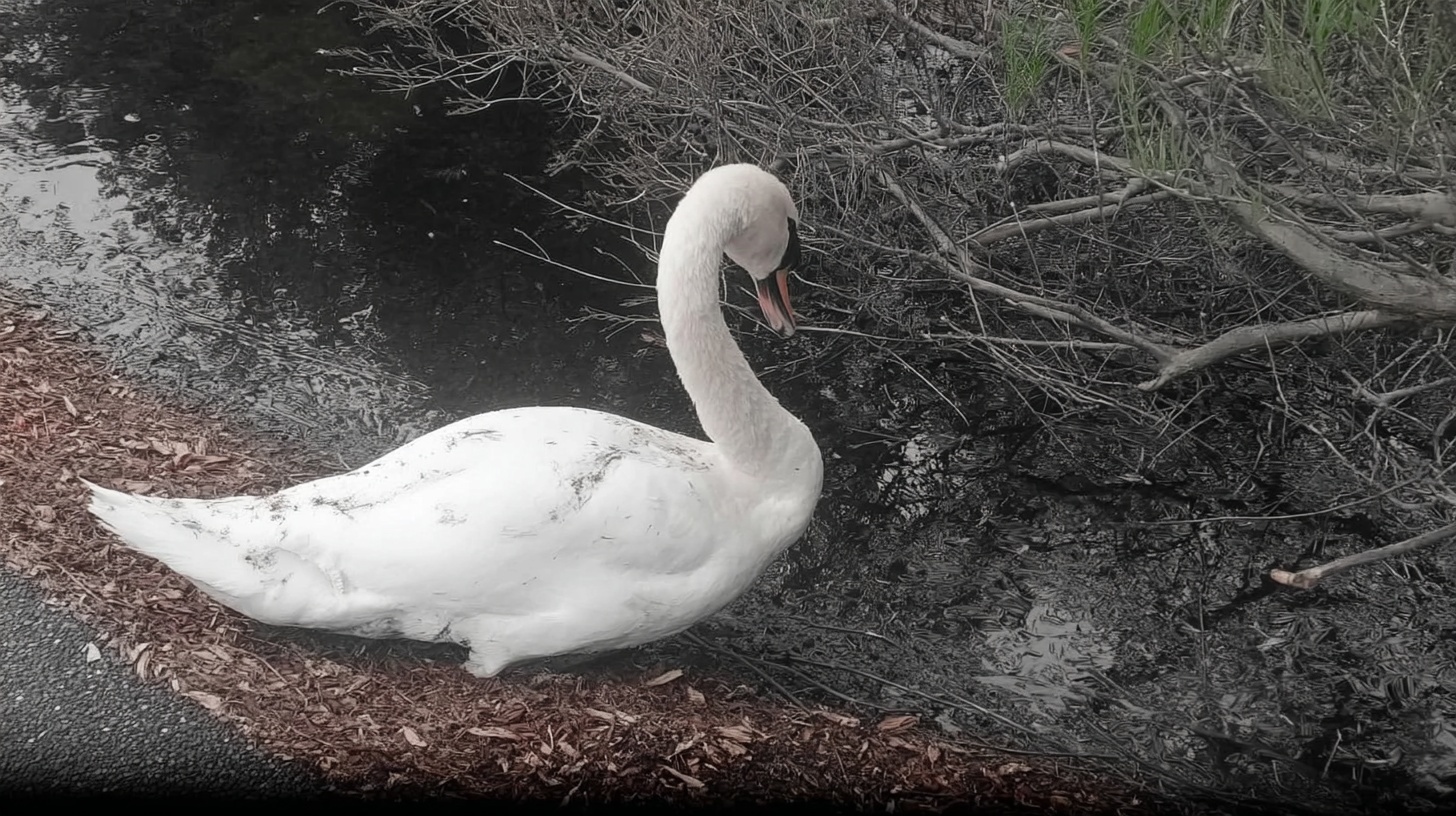
A swan that once glided across Canoe Lake in Portsmouth has died after a violent attack by children, leaving rescuers and the community reeling. The bird, a familiar sight in the park, was targeted over the bank holiday weekend in an incident that has sparked grief and anger. Witnesses told local outlets that a group
-
How the red-wattled lapwing bird became a monsoon forecaster
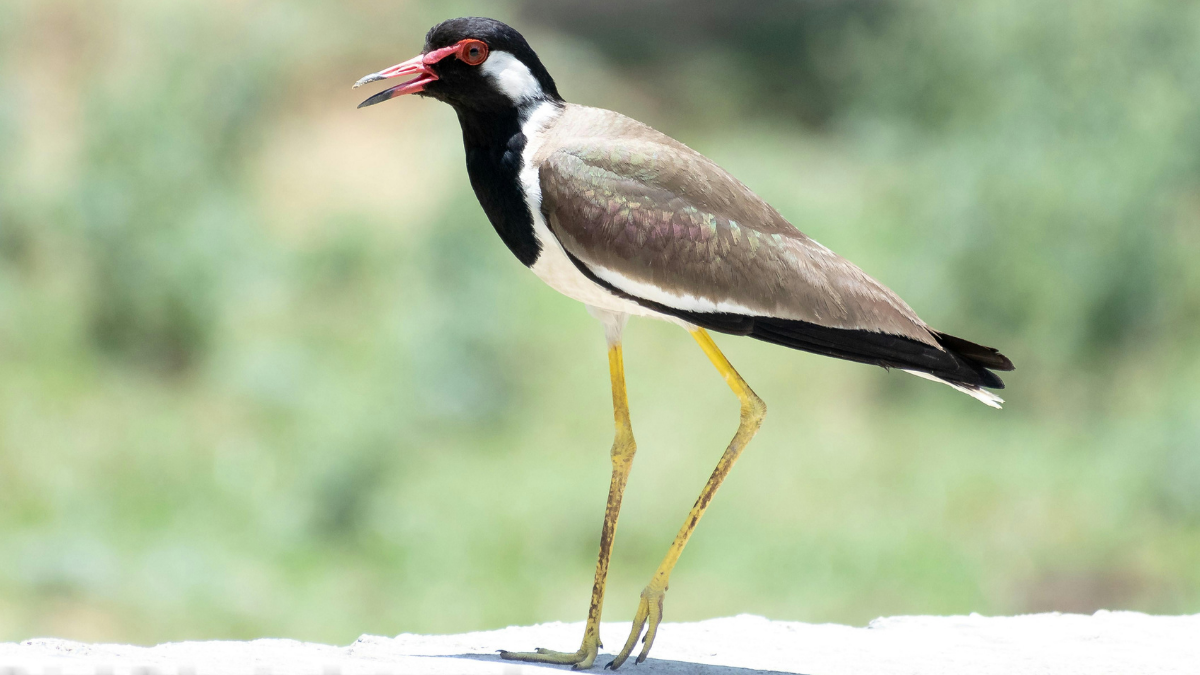
The red-wattled lapwing (Vanellus indicus) is a master of survival, a bird whose boldness and adaptability keep it thriving in landscapes that change faster than the seasons. Its long yellow legs carry it swiftly over open ground, head tilting from side to side as it scans for danger. When a predator strays too close to
-
The Abyssinian hornbill lives in slow motion. That’s why it’s vanishing
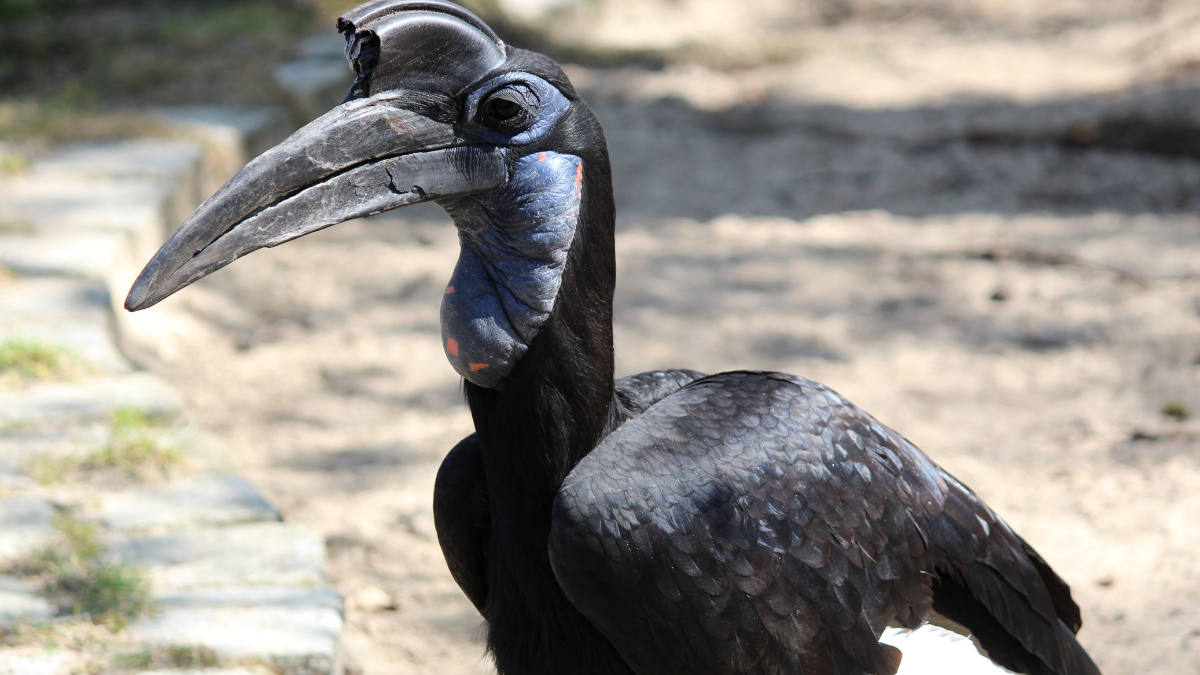
The Abyssinian ground hornbill is a bird built for the ground, not the skies. With eyelashes that look like they belong on a runway model and a booming call that echoes like a drumbeat across the African savanna, this striking species is part performer, part predator, and part ecological barometer. It’s also in trouble. One
-
The marabou stork is ugly, enormous, and essential

This bird looks like it escaped from a Tim Burton sketchbook. But the marabou stork isn’t just a visual oddity. It’s one of nature’s most efficient cleanup crews. Standing up to five feet tall with a wingspan stretching nearly twelve, the marabou stork commands space wherever it lands. Its bald, scabby head and ominous black
-
It doesn’t blink. It just stares. Meet the shoebill stork.
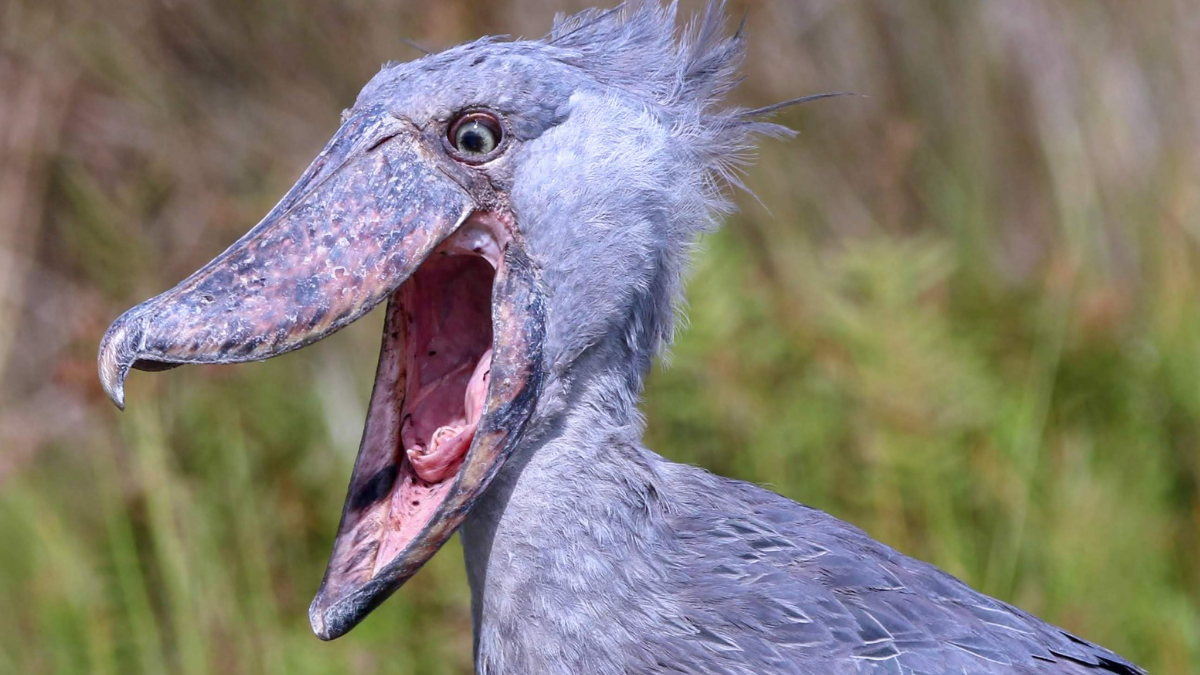
The shoebill stork, Balaeniceps rex, also called the whale-headed stork, is one of the most unsettling and surreal birds on Earth. Standing up to 5 feet tall with an 8-foot wingspan, it towers over the African wetlands it calls home. Its bill looks more like a worn wooden clog than a bird’s tool, and its
-
How bizarre feet made the Eurasian coot a survival machine

They look like something out of science fiction. Long, finger-like toes with rubbery flaps that pulse outward when they hit water, then fold inward like origami when they step on land. These are the feet of the Eurasian coot,a medium-sized waterbird found across Europe, Asia, Africa, and Australasia. And while its black body and white
-
What science still can’t explain about the bee hummingbird (Zunzuncito)

It’s lighter than a dime. Smaller than your thumb. And when it flies, it doesn’t flap—it vibrates. Meet the bee hummingbird, or as it’s known in Cuba, the zunzuncito. At just two inches long and weighing less than two grams, it holds the title of the smallest bird on Earth. In the time it takes
-
A colossal iceberg the size of Rhode Island is putting South Georgia’s penguins on edge

A towering wall of ice the size of Rhode Island is on a slow collision course with South Georgia Island, a remote haven that supports one of the largest king penguin populations on the planet. This massive iceberg, known as A23a, stayed firmly rooted in Antarctic waters near its birth site on the Filchner-Ronne Ice
-
A tale of two black birds: How to spot Crows vs. Ravens

They swoop over city streets and country fields, dressed in nothing but black. You might catch their silhouettes against a gray sky, or hear their unmistakable voices echo off rooftops and pines. Crows and ravens captivate us with their dark feathers, sharp intelligence, and centuries of folklore. Yet despite their shared color and family ties,