Finn Oakley has spent over five years as a nature and science writer at Discvr.Blog, drawing on his experience at National Geographic Channel. Based in Melbourne, he’s passionate about uncovering the world’s mysteries, dreams of returning to Peru, and enjoys Aussie Bites in his downtime.
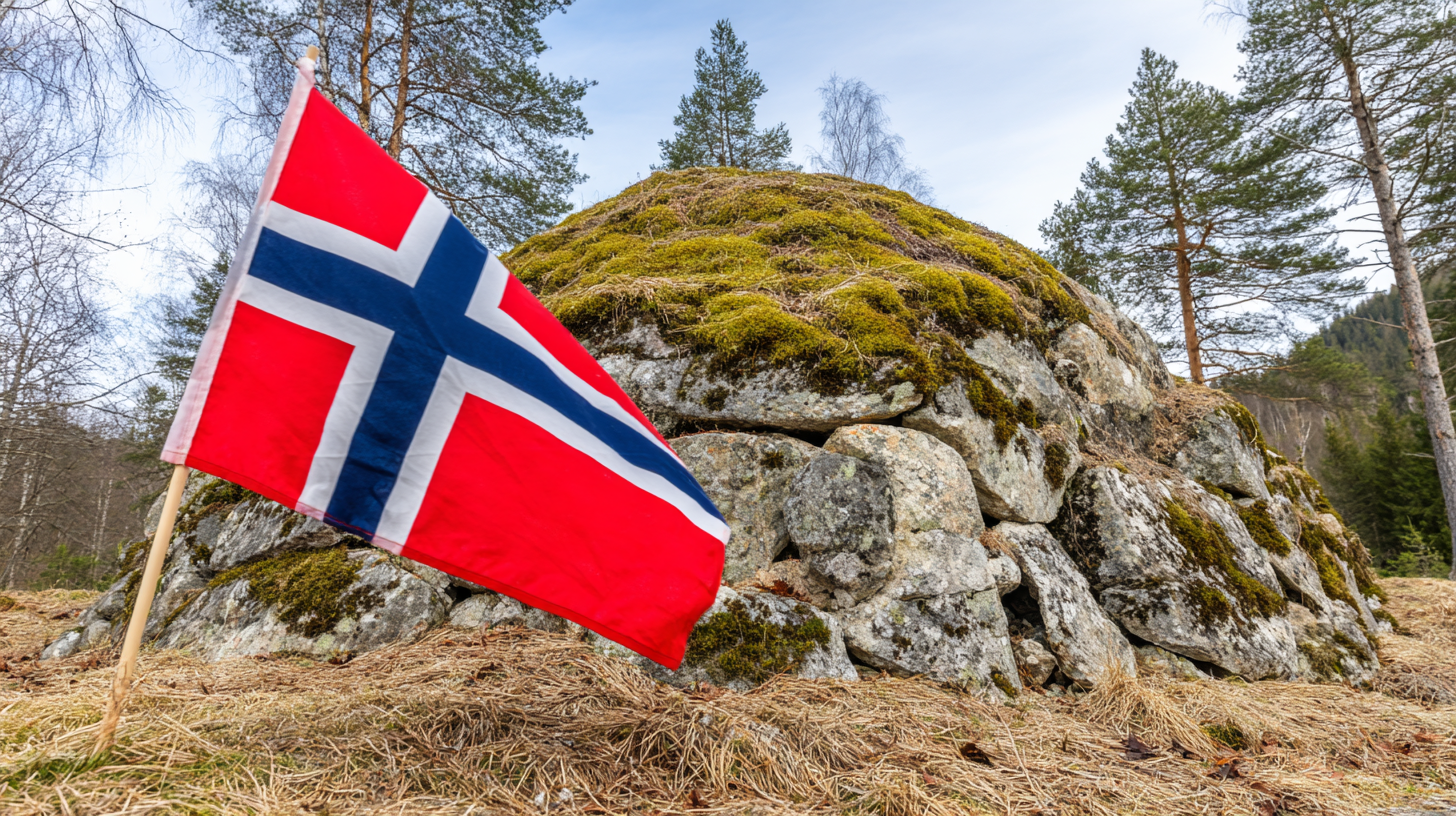
It’s not something you’d expect to see in the forests of southeastern Finland, yet there it stands as if calmly proving that nature can outwit our best instincts about gravity. In Ruokolahti, on a patch of land framed by tall pines and damp moss, an enormous boulder known as Kummakivi perches atop a smaller rock with such a slim point of contact that passersby might be forgiven for watching from a distance at first.
Closer inspection reveals a rough, uneven surface and a shape that stretches about 23 feet, giving a sense of sheer mass that local legends say once challenged even the strongest villagers who tried to budge it. They all failed.
Kummakivi translates to “strange rock,” and stories about how it got there have circulated for centuries. Old tales speak of trolls or giants tossing boulders across the land, leaving this particular one to rest in an improbable place.
Modern science, though, points to glaciers and their astounding capacity to sculpt and carry stones many times heavier than anything humans could move by hand. As the ice sheet retreated around 12,000 years ago, Kummakivi was left behind on a sloping mound that looks too curved to provide any real stability. Yet friction, combined with subtle variations in the boulder’s density, keeps it in place.
Erosion wore the bedrock beneath it over time, and the resulting snug fit has proved more robust than people might guess. A few visitors have attempted to push it, only to walk away impressed by how little the rock yields.
Any sense that the formation is merely a piece of history misses the deeper significance of encountering it in person. It’s a reminder that nature has its own timeline and logic that doesn’t always match our everyday sense of stability.
The forest path leading to Kummakivi can be muddy, and the final approach sometimes involves navigating a handmade bridge. Still, most who make the trek describe their first glance as unexpectedly moving. It’s just a rock, yet it speaks to the immense power of glaciers, the life span of legends, and the wonder that comes from standing in front of something that has never quite fit our assumptions about how the world should work.
The bald eagle has perched on the Great Seal of the United States since 1782, yet it was never officially declared the national bird. On a Tuesday morning, President Joe Biden signed a bill that corrects this oversight, giving the eagle its rightful place in the national code.
Its image, instantly recognizable with a white head and intense gaze, has long been woven into American life. It has always stood for strength and resolve, from military emblems to coins and currency. But this long-held assumption that the nation’s emblem was also its official bird went unverified until now.
A Symbol Claimed, A Legacy Confirmed
The new law arrived with nearly universal support in Congress, setting aside any partisan divide. This isn’t the first time the bird has sparked a spirited debate. Benjamin Franklin famously criticized the bald eagle, questioning its moral fiber because it sometimes stole meals from other birds.
Franklin preferred the turkey, a choice that has prompted jokes ever since, with some historians wondering how a turkey might have shaped America’s identity on seals and currency. Others noted the eagle’s knack for showmanship, describing how it commands the skies in ways few species can match. However, symbolic power aside, the core motivation for designating the bald eagle was a desire for historical accuracy.
Lawmakers and concerned citizens pointed out that while the eagle has been honored informally for centuries, it was never anchored in law as the official national bird.
These new provisions represent more than just ceremonial formality. By marking it in federal statute, the legislation ensures that future generations understand why this unique bird, native to North America, holds a special place in the American consciousness. It’s a correction that took nearly 250 years, and it arrives at a time when people seem significantly invested in their national symbols.
Some commenters on social media joked that their assumptions were finally validated. Others said the late Ben Franklin might still be shaking his head. For most Americans, the bald eagle’s ascent to official status is a fitting conclusion to a story that began at the very dawn of the republic.
The holiday season often brings the delightful tradition of decorating Christmas trees, but many people wonder what to do with their trees once the festivities end. These options help preserve the spirit of the season and benefit the environment in various ways.
Exploring creative and eco-friendly solutions for Christmas tree disposal ensures a responsible and satisfying end to the holiday season. Individuals can enjoy their decorated trees throughout the holiday and beyond by taking a thoughtful approach.
1) Create a bird feeder
Repurposing a Christmas tree as a bird feeder is a great way to help wildlife. Start by choosing a spot in the yard to set up the tree securely. This will ensure the tree stays upright and stable, even in bad weather.
Decorate the branches with bird-friendly treats. Pine cones can be filled with peanut butter and rolled in birdseed. String popcorn or cranberry garlands around the branches for birds to enjoy.
Hanging slices of fresh apples and oranges is another good option. You can also attach suet balls, which provide birds with needed energy during cold months.
In this way, your tree becomes a natural refuge. Birds get both food and a place to perch, making it a functional winter decoration.
2) Make Pine Scent Sachets
After the holiday, fresh pine needles from a Christmas tree can create natural scent sachets. These sachets offer a pleasant aroma and can help freshen up closets, drawers, or cars.
To start, gather fallen pine needles from the tree. Ensure they are dry, as moisture can lead to mold. A warm, sunny spot is ideal for drying them quickly.
Next, place the dried pine needles into small fabric bags. Cotton or muslin bags work well because they allow the scent to pass through easily. If desired, include other natural elements such as dried lavender or cinnamon sticks for added fragrance.
Once filled, tie or sew the bags shut so the contents stay secure. Distribute the sachets wherever a fresh pine scent is needed. Refresh the sachets by replacing the pine needles when they lose their scent.
Making pine scent sachets is an easy and creative way to recycle a Christmas tree. It’s a simple project that brings a touch of pine fragrance to different spaces long after the season ends.
3) Craft Rustic Coasters
Using pieces from a Christmas tree to make coasters is a fun and creative project. The tree trunk can be sliced into circular pieces that work well as coasters. When cutting the sections, each should be about half an inch thick.
Once the slices are cut, they need to be sanded. Sanding makes the surface smooth and easy to use for drinks. A medium-grit sandpaper is suitable for smoothing the sides and surfaces of the wood pieces.
Adding a finish can help protect the coasters and make them last longer. A clear wood sealant or varnish will keep the coasters looking good and protect them from spills. It’s important to let the finish dry completely before using the coasters.
If desired, extra details can be added to personalize the coasters. Wood-burning tools can engrave initials or designs onto the coasters. Another option is to paint simple patterns using non-toxic paint.
Crafting rustic coasters from a Christmas tree is also an environmentally friendly way to repurpose the tree rather than discarding it. This project not only recycles parts of the tree but also creates memorable and useful items for the home.
4) Build a Mini Treehouse
Building a mini treehouse for kids or as a unique garden decoration is a fun way to repurpose your Christmas tree. A simple platform can be constructed using the sturdy branches as a base. This project requires basic carpentry skills and some extra materials, like plywood and nails.
Start by cutting the tree trunk to a suitable height, keeping in mind the size of the intended treehouse. Use the tree’s natural form to guide the design. For added stability, secure the trunk in a sturdy pot or barrel filled with sand or cement.
Attach a small platform on top of the trunk with screws or nails. Adding sides made from additional branches or planks can create a more enclosed space. Always ensure all materials are securely attached to prevent accidents.
Decorate the mini treehouse with paint or outdoor-friendly decorations to add a personal touch. This creative project brings joy and gives the tree a new purpose long after the holidays are over.
5) Design a Festive Wreath
Transforming a used Christmas tree into a new wreath is a creative way to extend the festive spirit. This project requires only a few branches from the tree. Start by cutting branches into smaller pieces. Gather them in a circular shape. Use wire or twine to secure them together.
The base of the wreath doesn’t need to be traditional. Consider using other materials like wire frames for added support. Adding berries, pinecones, or leftover ornaments gives it a personal touch. These decorations can make the wreath more vibrant.
This wreath can work for various occasions beyond Christmas. Using themed ribbons or ornaments allows for customization throughout the year. Try adding unique elements to suit different holidays or special events. This flexibility makes these wreaths more than just Christmas decor.
Creating a wreath together can be a fun group activity. It’s a chance to bond and create something memorable. It’s also an opportunity to reduce waste by repurposing Christmas tree elements. This project merges creativity with sustainability, resulting in a beautiful decoration for the home.
Middle children have been called peacemakers, mediators, or simply overlooked. For decades, older siblings were described as responsible and younger ones as playful, while the child in between struggled to stand out. Yet new research suggests this underrated position has a surprising advantage: cooperation.
A new study led by psychologists Michael Ashton and Kibeom Lee gathered data from more than 700,000 people and found that middle children, on average, scored higher than their siblings on traits linked to collaboration. The researchers also discovered that larger families tend to produce children who value working together more than their peers in smaller households. Although these differences are relatively small, the massive data set offers compelling evidence that being in the middle can foster traits like agreeableness and humility.
A Surprising Edge for Middle Children
Middle children often grow up acting as a negotiator. The second-child “mediator” may help resolve squabbles between the older sibling, who commands attention through a strong personality, and the youngest, who leans on charm to escape trouble. Over time, the second child excels at smoothing ruffled feathers and keeping harmony in the house, an impulse that carries over into adulthood.
While this increased capacity for mediation can be a strength, many middle children also describe a lingering sense of feeling overshadowed. Some may attend therapy to address issues of neglect, pointing to how the oldest sibling often grabbed the spotlight while the youngest attracted extra indulgence. Experts note, however, that family environment and parenting styles play a crucial role in moderating these outcomes.
Birth order alone doesn’t dictate who we become. Other factors are at play: income level, parenting approaches, and the time period a child is raised shape development just as much as sibling rank. Still, these fresh findings highlight how living between an older and a younger sibling can build a unique skill set. Parents juggling the needs of multiple children often rely on middle kids to ease conflicts, and those abilities can flourish as the family grows.
Though some remain skeptical about the influence of birth order, the latest study brings renewed attention to middle children. They might not bask in as much parental spotlight as the oldest or steal as many hearts as the baby, but their knack for compromise and empathy can prove invaluable, both at home and beyond.
Kilauea’s summit stirred in the pre-dawn hours of December 23, sending arcs of molten lava surging through Halemaʻumaʻu Crater. Many on Hawaii’s Big Island had been monitoring trembling seismographs, but the sudden glow and thick plumes of steam still took some by surprise.
Families who recall the volcano’s 2018 outburst, when flows engulfed roads and homes, began planning for possible detours. In the minutes after the lava breached the crater floor, residents logged on to USGS livestreams and social media, bracing for the latest phase of an unpredictable force.
This morning, around 2:20 AM, a new #Kilauea eruption began within Kaluapele (the summit caldera). It was caught on camera by #HVO's B2cam. Images taken by the webcam were compiled into this timelapse video that shows lava fountains feeding lava flows across the caldera floor. pic.twitter.com/w52KpHOtau
Officials acknowledged that sulfur dioxide levels could climb, turning fresh air into a haze of vog that aggravates asthma and other conditions. Though the caldera zone has been closed to the public since 2007, a chorus of curious onlookers gathered at safer vantage points beyond the park’s restricted areas.
Some recalled only faint wisps of steam a few days earlier, while others noticed subtle shifts in how the earth felt underfoot. They shared stories of narrow roads through old lava fields and the lingering warmth that rises from cracks in the basalt.
Local guides fielded calls from travelers who saw dramatic videos of fountains reaching impressive heights. Hotel lobbies echoed with talk of tours that promise a glimpse of flowing rock, though updated safety protocols limited most visitors to overlooks away from possible ground collapse.
Park officials urged caution, reminding everyone that Kilauea’s surges can escalate quickly. A single shift in wind can carry sulfur dioxide far from its source, affecting farms and neighborhoods downwind.
Throughout the week, rumbles continued beneath the surface as the U.S. Geological Survey refined its warnings. Scientists recorded earthquake swarms beneath the summit, the first indicators of fresh magma surging upward. Some residents prepared for the worst, while a few enthusiasts documented every change, from the shimmer of molten rock to the crackling hiss of new fissures.
By day’s end, watchers reflected on Kilauea’s restless nature and the island’s enduring bond with its volcanic heart. It’s a place where fiery eruptions merge with everyday life. Beneath a rising column of smoke, families, scientists, and adventurers alike acknowledged that the next page of Kilauea’s story is still being written, shaped by the clash of molten rock and the forces that guide it toward the surface.
Wings rustle in the humid canopy of West and Central Africa as an African Grey Parrot stands guard, craning its head to survey the horizon. Below, other members of its flock forage for seeds and fruits, carefully prying open tough shells with their curved beaks.
This “sentinel behavior” highlights more than simple vigilance—it reveals their profound social intelligence. African Greys, both the larger Congo variety with their vibrant red tails and the smaller Timneh with maroon accents, rely on each other’s watchfulness to survive. Their quick and purposeful movements serve as an intricate ballet of collaboration in the wild.
Yet these parrots are far more than just graceful foragers. Renowned for vocal mimicry, African Greys can mimic human words and entire sentences, complete with nuance and tone. In captive settings, stories abound of parrots calling pets by name or using household noises so convincingly that they can fool even the keenest ear. It’s a glimpse into the species’ deep cognitive reservoir—a window into how they perceive, categorize, and sometimes even use language in context. Though not all individuals speak on command, the capacity is there, shaped by upbringing, social environment, and daily interaction with humans and other birds.
A Symphony of Voices: The Art of African Grey Mimicry
Captive life offers its own complexities. Hand-reared parrots often form powerful bonds with human companions, sometimes seeing them as part of the flock. They preen and nuzzle, wag their tails excitedly, and may even regurgitate partially digested food affectionately. But these same birds can also become stressed or bored if confined without proper mental stimulation—bright minds demand challenges. Owners discover that puzzle feeders, rotating toys, and daily interaction are essential for channeling an African Grey’s curiosity into constructive outlets. Without enrichment, behaviors like feather plucking or excessive screaming can emerge, hinting at deeper emotional discontent.
At dawn, an African Grey might greet the world with whistles and chirps, stretching its wings before embarking on a daily routine of feeding, preening, and play. A well-rounded diet is crucial: fresh fruits, vegetables, pellets, and the occasional nut keep them healthy and content. They meticulously groom every feather, sometimes pausing to shake off fine dust before returning to a favorite perch for more nibbling or human chatter. Observing these rhythms can feel almost intimate—a testament to the bird’s intricate emotional life. Even subtle signs like fluffed plumage or flattened feathers can convey rest, nervousness, or excitement, requiring attentive care.
Sadly, their allure makes African Greys prime targets for illegal trapping. CITES now lists them in Appendix I, banning international trade in wild-caught individuals, yet the black market persists. Conservationists strive to protect them through habitat preservation, education, and legal enforcement, but challenges remain. Wild populations dwindle under pressure from deforestation and poaching. At the same time, captive birds—capable of living half a century or more—must rely on conscientious owners who understand the demands of such intelligent creatures.
Whether perched on a leafy treetop or quietly conversing in a living room, African Greys remind us of nature’s brilliance and our responsibility for safeguarding it.
Raccoons and raccoon dogs share a striking resemblance, but their similarities are only skin-deep. These two creatures live entirely separate lives, inhabit different ecological niches, and carry distinct cultural and biological significance. Despite their shared masked appearance, they differ significantly in ancestry, behavior, and symbolism.
Are Raccoon Dogs Actually Dogs?
Yes, raccoon dogs are part of the dog family (Canidae), but they are not “dogs” in the way we think of domestic dogs. Instead, they belong to the tribe Vulpini, making them closer to foxes. Their name often misleads people into thinking they are hybrids or relatives of raccoons, but the truth is that raccoon dogs and raccoons are unrelated species.
A Closer Look at Taxonomy
Raccoons belong to the Procyonidae family, which includes animals like coatis and kinkajous. Native to North America, raccoons are famous for their dexterous paws and adaptability. In contrast, raccoon dogs hail from East Asia and belong to the Canidae family. Despite their name, raccoon dogs are more fox-like than dog-like, a fact reflected in their classification under the tribe Vulpini. This taxonomic divergence underscores their distinct evolutionary paths.
Physical and Behavioral Differences
Raccoons are medium-sized mammals with round bodies, bushy tails, and black-and-white facial masks. Their dexterity and intelligence make them excellent scavengers, particularly in urban environments. Raccoon dogs, on the other hand, are smaller and more compact, with thick fur and shorter legs. They lack the agile climbing ability of raccoons but have a unique trait among canids: they hibernate.
While raccoons enter a state of torpor in winter, raccoon dogs lower their metabolism and retreat into burrows, surviving months of cold with minimal activity. This hibernation behavior sets them apart as the only canid species known to do so.
Diet and Habitat
Both raccoons and raccoon dogs are omnivores, but their diets reflect their habitats. Raccoons thrive in diverse environments, eating everything from insects to human leftovers. Raccoon dogs, native to East Asia, primarily feed on fish, small rodents, and fruits. In areas where their ranges overlap, such as parts of Europe where raccoon dogs were introduced, their dietary habits diverge further based on availability.
Cultural Significance
In North America, raccoons are often seen as mischievous intruders or lovable symbols of urban wildlife. Indigenous legends portray them as clever tricksters, a role they have carried into modern media. Raccoon dogs, or tanuki, have an even deeper cultural resonance in Japan. Known as playful, shape-shifting tricksters in folklore, tanuki are depicted in art and stories as mischievous but benevolent creatures. They even inspired the Tanooki Suit in Nintendo’s Super Mario Bros. series and play a central role in Studio Ghibli’s film Pom Poko.
Misunderstandings and Conservation
The name “raccoon dog” creates much of the confusion between these two animals. Many assume they are hybrids or closely related, but their similarities are superficial. This confusion is amplified by pop culture, where characters like Tom Nook from Animal Crossing blur the lines between raccoons and tanuki.
Raccoons are thriving in North America and beyond, sometimes to the point of becoming invasive. Raccoon dogs, however, face a more complex situation. In their native range, they remain stable, but fur farming and habitat loss pose threats. Meanwhile, their introduction to Europe has caused ecological concerns, as they can outcompete native species and spread diseases.
Exploring the world’s most beautiful roads offers travelers a unique chance to witness stunning landscapes and breathtaking vistas. These pathways connect destinations and provide a journey rich with history, culture, and nature’s wonders. Such roads invite travelers to experience locales where natural beauty and human creativity come together.
Whether winding through mountains or stretching across scenic highways, these roads captivate with their enchanting views and diverse surroundings. They represent more than just routes on a map; they are journeys filled with moments highlighting the Earth’s incredible charm and diversity.
1. Sword Road, Iceland
Sword Road, located in Iceland, offers a unique and captivating driving experience. As drivers travel along this road, they are surrounded by dramatic landscapes that define Iceland’s rugged beauty. The road takes its name from historical tales linked to warriors and their swords, evoking a sense of adventure.
Iceland, known for its striking natural features, presents diverse scenery along Sword Road. Drivers can expect to see volcanic formations, vast lava fields, and breathtaking fjords. The changing scenery provides an ever-evolving backdrop that keeps trips along this road intriguing.
Travelers often enjoy the quiet and peaceful nature of this destination. The less crowded stretches make it ideal for those wanting to explore at their own pace. The road’s condition is typically well-maintained, although weather can vary greatly depending on the season.
In addition to its natural beauty, Sword Road is steeped in history. Icelandic sagas, rich in folklore and adventure, often reference settings like these. The combination of scenic views and historical significance makes Sword Road a remarkable destination for both local and international drivers.
2. The Atlantic Road, Norway
The Atlantic Road in Norway is often praised for its stunning beauty. Stretching across the ocean, it links small islands with the mainland. The road features eight unique bridges, each offering breathtaking sea views.
Travelers often describe it as a thrilling experience. Driving along the road, one can enjoy the dramatic scenery of the Norwegian coast. The waves crash against the rocks, creating unforgettable sights.
In addition to the natural beauty, the engineering of the road impresses many. Built to withstand harsh sea conditions, it demonstrates remarkable construction skills. It’s a popular route, attracting tourists from around the world.
3. Death Valley National Park, USA
Death Valley National Park, situated in California, holds some of the most striking roads in the world. The expansive desert landscapes drive home a feeling of awe as visitors traverse these thoroughfares.
Artists Drive, a popular route, is best known for its vibrant hillsides painted by nature in pink, gold, and green hues. This scenic loop offers an unparalleled view of the park’s unique geology.
The journey down Badwater Road leads to Badwater Basin, the lowest point in North America. At 282 feet below sea level, the salt flats starkly contrast the vast horizon. The view along this road encapsulates the serene beauty of the desert environment.
Whether it’s the panoramic vistas or the rare geological formations, the roads of Death Valley offer a stunning display of natural beauty and an unforgettable driving experience.
4. Amalfi Coast Road, Italy
The Amalfi Coast Road, also known as Strada Statale 163, is often described as the most beautiful road in Italy. This picturesque route runs along the southern edge of Italy’s Sorrentine Peninsula. The road offers breathtaking views of the Mediterranean Sea, charming coastal villages, and dramatic cliffs.
Travelers can enjoy the vibrant colors of the coastal towns, including Positano, Amalfi, and Ravello. Each village has its unique charm, with pastel-colored buildings stacked on steep hillsides. The road itself is an engineering marvel, winding tightly through rocky landscapes and hugging cliff edges.
Driving on this road requires attention, as it is narrow with sharp turns. Despite the challenges, it is popular for those seeking adventure and stunning scenery. Several viewpoints and restaurants offer perfect spots to pause and soak in the views along the way. It is not just a road but an unforgettable experience for visitors.
5. Great Ocean Road, Australia
The Great Ocean Road is one of the most spectacular coastal drives in the world. It stretches over 240 kilometers along the southeastern coast of Australia in Victoria. Known for its stunning ocean views, the road offers a mix of breathtaking natural scenery and cultural landmarks.
Travelers along the Great Ocean Road can explore the iconic Twelve Apostles, towering limestone formations rising up from the Southern Ocean. These impressive sea stacks are a highlight for many visitors. The road also passes through charming seaside towns like Lorne and Apollo Bay.
The route is rich in history as well. It was built by soldiers who had returned from World War I and stands as a war memorial dedicated to those who lost their lives. This connection adds a meaningful layer to the journey.
Wildlife enthusiasts will enjoy the chance to spot native animals. Koalas, kangaroos, and various bird species can often be seen along the way. The surrounding areas provide opportunities for bushwalks and nature hikes.
The Great Ocean Road offers more than a drive; it’s an experience filled with Australia’s natural beauty, unique wildlife, and significant history. For many, it’s an adventure that leaves a lasting impression.
6. Chapman’s Peak Drive, South Africa
Chapman’s Peak Drive is a stunning road located along the Atlantic coast in South Africa. It stretches about 9 kilometers from Hout Bay to Noordhoek, offering breathtaking ocean views and mountains. The road is famous for its sharp curves and dramatic cliffs, making it a popular choice for travelers.
This picturesque route is known not only for its natural beauty but also for its impressive engineering. Built into the cliffs, this road required careful construction to withstand the challenging landscape. Safety measures were put in place after the road experienced closures due to rockfalls in the past.
Chapman’s Peak Drive is ideal for road trips and scenic drives. Numerous lookout points along the way provide perfect spots for taking photos. Travelers can enjoy the magnificent views, especially during sunset. This road is a favorite among tourists and locals alike for its combination of adventure and serene landscapes.
7. Pacific Coast Highway, USA
The Pacific Coast Highway, also known as Highway 1, offers one of the most stunning drives in the United States. It stretches along the coast of California, providing breathtaking views of the Pacific Ocean. Travelers can experience dramatic cliffs, sandy beaches, and charming coastal towns along this route.
Starting in Northern California and winding down to Southern California, the highway covers almost 656 miles. Points of interest include the iconic Bixby Creek Bridge near Big Sur and the beautiful beaches of Malibu. Each turn in the highway reveals a new panorama, often considered a photographer’s dream.
The natural beauty along the Pacific Coast Highway is unmatched. Redwoods tower over some sections, while marine life can be spotted offshore. The road also passes through vibrant cities like San Francisco and Los Angeles, adding urban excitement to the scenic views.
This drive is not just about reaching destinations—it’s about enjoying the journey. Whether driving a few miles or exploring the entire highway, travelers are met with unforgettable sights and experiences.
8. Lysevegen road, Norway
Lysevegen road in Norway is famous for its breathtaking views and challenging twists. It connects the village of Lysebotn at the end of the Lysefjord to the Sirdal valley. This scenic route is a favorite among drivers and cyclists looking for a thrilling ride.
The road features 27 hairpin bends, each offering stunning views of the surrounding landscape. The journey begins at sea level and climbs up to 900 meters, providing various vistas. The views of the fjord and surrounding mountains are truly captivating.
Driving along this road is a unique experience, especially for those who enjoy a mix of adventure and nature. The road is usually open from late spring to fall, as heavy snow in winter makes it impassable.
Lysevegen is not just a functional route; it is an attraction in itself. Travelers often pause at viewpoints to capture the majestic scenery. Whether it’s the lush greenery in summer or the autumn tones, each season presents a new palette of colors.
9. Furka Pass, Swiss Alps
Furka Pass is a winding road nestled in the Swiss Alps. Known for its breathtaking views, it climbs high through a dramatic landscape. Drivers experience a series of switchbacks, making it a popular route for adventurous motorists.
Constructed in the mid-19th century, Furka Pass has a rich history. It gained fame after being featured in the James Bond film “Goldfinger.” The road offers cinematic appeal and a stunning panoramic view of the Alps.
Along the route is the Hotel Belvédère, which, though now closed, holds a significant place in travel lore. The hotel provided a unique stop for travelers, offering views of the surrounding peaks and valleys. Despite its closure, its legacy remains part of the pass’s charm.
Travelers on Furka Pass can also glimpse the Rhone Glacier. This natural wonder adds to the journey’s allure, showcasing the region’s majestic beauty. The combination of natural and cinematic appeal makes Furka Pass a must-see for anyone exploring the Swiss Alps.
10. Garden Route, South Africa
The Garden Route is a stunning coastal road in South Africa. It stretches for about 300 kilometers, running from Mossel Bay to Storms River. Known for its lush landscape, the route offers ocean views, forests, and mountains.
Travelers will find a mix of natural wonders and charming towns. Attractions include Plettenberg Bay and Knysna, where visitors can explore beaches and lagoons. The nearby Tsitsikamma National Park boasts hiking trails through ancient forests.
Wildlife is abundant along the Garden Route. Dolphins, seals, and even whales can sometimes be seen offshore. The route is also home to a variety of bird species.
Adventure enthusiasts can enjoy a range of activities. From bungee jumping to zip-lining, there’s something for everyone seeking an adrenaline rush. For more leisurely pursuits, nature walks and scenic drives are popular.
Garden Route’s weather is mild all year, making it an ideal travel destination. Whether traveling alone or with family, the Garden Route offers plenty of activities and sights to enjoy.
11. Transfăgărășan, Romania
The Transfăgărășan is a remarkable mountain road in Romania known for its breathtaking views and engineering marvel. It starts near the village of Cârțișoara in Sibiu County and extends 90 km to the nearby town of Bascov. This scenic route winds through the Făgăraș Mountains, part of the Southern Carpathians.
The road rises to over 2,000 meters in some areas, offering a thrilling drive with countless twists, turns, and hairpin curves. Tourists often admire its beauty and the dramatic landscapes framed by lush forests and rugged peaks. It is sometimes referred to as one of the most beautiful roads in the world.
The route is accessible during summer when the weather permits safe travel. Its ease of access has made it a popular destination for both tourists and locals. Key attractions along the way include Bâlea Lake, an impressive glacial lake, which can be reached via cable car when the weather closes the road in winter.
Transfăgărășan also serves as a gateway to explore the surrounding wilderness and trails, offering opportunities for hiking and nature walks. Visitors are advised to check weather conditions beforehand, as the road can be challenging to navigate in poor weather.
In the quiet half-light of western Ecuador’s lowlands, one of nature’s smallest parrots displays an unexpected brilliance. The Pacific parrotlet, often a study in gentle greens, unveils a series of blue accents so subtle that even keen observers may at first overlook them. Yet, once recognized, these cobalt traces become a signature element, transforming a modest, leaf-toned silhouette into something unmistakably luminous.
It begins behind the eye, where a fine line of sapphire seems drawn with deliberate care. This delicate stroke suggests more than ornamentation; it signals identity, distinguishing males from their female counterparts. The difference is profound. Without ostentation, this blue line invites closer inspection. At the nape, another subdued wash of bluish shade blends softly into the surrounding greens, enhancing the bird’s contours and sculpting its profile against dappled foliage. Turn the bird slightly in gentle light, and the lower back reveals a vivid cobalt patch, a splash of brilliance that emerges like a secret glimpse of sky through dense leaves.
A subtle language of color
This blue is not the sort that shouts from afar. Instead, it beckons observers to lean in and admire a dimension rarely expected in a small creature. Feathers that appear uniformly green at a distance become layered tapestries of hue upon closer inspection, merging art and biology into a compact masterpiece.
Functional and striking, these blue markings may serve subtle roles in communication, mate selection, or territorial displays. In dense canopies, nuances matter. A hint of blue may signal vigor, health, or genetic strength, encouraging attentive partners and warning would-be rivals.
Under controlled care, such as in an aviary, these blues can sharpen when balanced diets and proper lighting conditions mirror the wild bird’s native environment. Even then, they remain subdued enough that visitors need patience to appreciate their full impact. The Pacific parrotlet rewards that patience. Each reflective feather, touched by hidden layers of pigment and structural complexity, refracts sunlight into something quietly magnificent.
Far from a mere flourish, these blues add dimension to an otherwise understated color scheme. They whisper rather than shout, guiding the eye through careful gradations of tone. Within a species renowned for its diminutive form, cobalt highlights suggest that grandeur can exist in subtlety. The Pacific parrotlet’s blues remind us that nature’s artistry lies as much in delicate details as it does in flamboyant displays. In that understated elegance, the parrotlet holds its place, confident that brilliance need not always blaze—it can, with equal effect, simply glow.