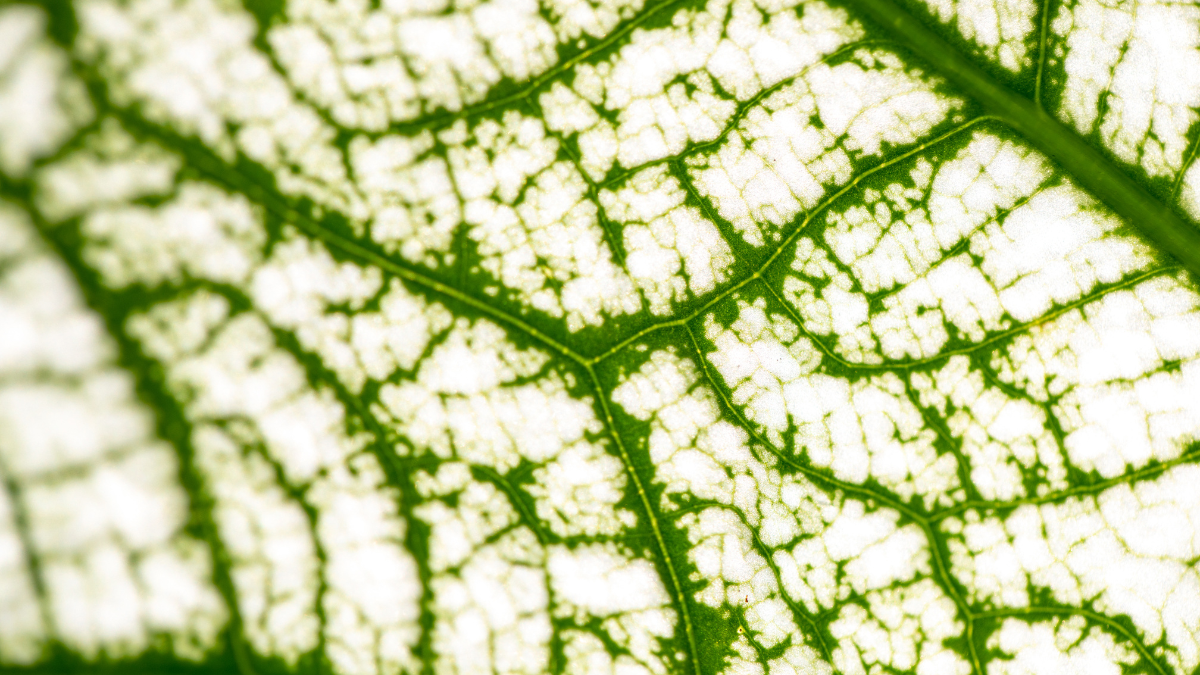
Understanding how plants breathe might seem complex, but it’s a crucial part of the natural world that directly impacts your life.
Plants are foundational in maintaining the balance of oxygen and carbon dioxide in the atmosphere. Unlike animals, which inhale oxygen and exhale carbon dioxide, plants absorb carbon dioxide and release oxygen through their leaves, stems, and roots.

This process occurs during photosynthesis, where plants convert light energy from the sun into chemical energy.
Plants can exchange gases with their environment thanks to tiny openings called stomata.
While you breathe through your lungs, plants use these stomata as gateways for gas exchange.
In a way, plants ‘inhale’ carbon dioxide and ‘exhale’ oxygen—a reversal of our breathing process. This exchange isn’t just crucial for the plant’s survival, but it’s also vital for humans and other animals that rely on oxygen.
Through this elegant system, plants support life on Earth, contributing to the air you breathe daily.
Photosynthesis and Respiration in Plants
In this section, you’ll learn how plants convert light energy into chemical energy through photosynthesis and release energy from food via cellular respiration.
The Process of Photosynthesis
Photosynthesis is a remarkable biochemical process that occurs in the chloroplasts of plant cells.
It begins when chlorophyll, the green pigment in plants, captures light energy from the sun.
This energy is then used to transform carbon dioxide from the air and water from the ground into glucose, a type of sugar that plants use for food, and oxygen as a byproduct.
Notably, the stomata, small openings on the leaves, play a vital role in gas exchange, allowing carbon dioxide to enter and oxygen to leave.
The Role of Cellular Respiration
Cellular respiration is the process by which plants release energy from glucose.
This energy is stored in molecules called ATP (adenosine triphosphate), the energy currency of the cell.
During respiration, glucose combines with oxygen to produce carbon dioxide, water, and energy.
While photosynthesis occurs only when light is present, cellular respiration happens continuously to meet the plant’s energy needs.
Gas Exchange and Stomata Function
The stomata serve as the primary site for gas exchange in plants.
These tiny pores are regulated by guard cells which open during the daytime to allow carbon dioxide in for photosynthesis and close at night to prevent water loss.
The stomata also enable the release of oxygen and water vapor during the day. Understanding stomatal function is key to understanding how plants maintain their internal balance of gases.
Day and Night: Plant Breathing Patterns
Your plants experience shifts in their breathing patterns between day and night.
During the day, photosynthesis is the dominant process, resulting in carbon dioxide intake and oxygen release.
At night, the stomata close, and the rate of photosynthesis drops. However, cellular respiration continues, using oxygen to break down stored sugars for energy and releasing carbon dioxide.
The Calvin Cycle
The Calvin cycle is a part of photosynthesis, where carbon dioxide is converted into organic matter in the form of sugars.
This cycle operates in the plant’s chloroplasts and does not directly require light; however, it is indirectly dependent on the energy (ATP and NADPH) produced during the light reactions of photosynthesis.
The end product of the Calvin cycle is glucose, which plants use to grow and sustain themselves.
Plant Anatomy and Breathing Mechanisms
Understanding how plants breathe involves examining various structures that contribute to gas exchange. From leaves to roots, each part plays an essential role in taking in carbon dioxide and releasing oxygen.
Leaves: The Primary Site of Gas Exchange
Your plants breathe mainly through their leaves, which house stomata – tiny openings on the leaf surface.
Stomata facilitate the exchange of gases by allowing carbon dioxide to enter for photosynthesis and oxygen to exit as a by-product.
Inside the leaves, chloroplasts are the sites where photosynthesis occurs, converting light energy into chemical energy.
Roots and Their Contribution to Respiration
The roots of a plant also partake in breathing but in a different fashion.
They absorb oxygen from the soil and expel carbon dioxide, a process essential for their survival. This oxygen is critical for the roots to break down the nutrients and sustain the plant.
Specialized Structures in Woody Plants
In addition to leaves and roots, woody stems possess their own breathing apparatus.
Woody plants feature bark and lenticels beneath them—small spongy segments facilitating air passage into the inner tissues, aiding in gas exchange.
Contribution of Other Plant Parts
Beyond leaves, roots, and woody stems, other plant parts like stems and flowers exchange gas. Though not as prominent as leaves, these parts still ensure that a plant maintains its respiratory needs across its entire structure.
Plant Breathing and Environmental Factors
The way your plants respire is greatly influenced by their surrounding environment. Temperature, light intensity, and carbon dioxide concentration are vital in photosynthesis and respiration.
The Impact of Temperature on Respiration
Temperature is a key player in your plants’ breathing comportment.
Higher temperatures accelerate the enzymes responsible for respiration, resulting in increased cellular respiration rates.
As the temperature rises, plants break down sugars more rapidly to release energy, which is necessary for growth and other functions.
Conversely, at low temperatures, the respiration process slows down, as the enzymatic activity decreases, leading to reduced energy release.
Light Intensity and Its Effect on Photosynthesis
Light intensity directly affects plants’ ability to conduct photosynthesis, the process by which they convert light energy into chemical energy.
Under optimum light, chlorophyll in plant cells absorbs sufficient light to maximize the photosynthetic process, thus producing more glucose and releasing more oxygen into the atmosphere.
However, when light intensity is low, the rate of photosynthesis declines, as does the production of glucose and release of atmospheric oxygen.
Carbon Dioxide Concentration and Plant Breathing
Your plants depend on the ambient carbon dioxide concentration for their breathing processes.
A higher concentration of carbon dioxide typically results in an increased rate of photosynthesis. Plants utilize the gas in combination with sunlight to form sugars.
Stomata, small mouth-like openings on leaves, regulate the intake of carbon dioxide and release of oxygen.
But the rate of photosynthesis won’t increase indefinitely with more carbon dioxide. There is a saturation point after which no further increase in photosynthesis rate is observed.
Rising carbon dioxide levels from climate change may alter plant respiration and photosynthesis. However, the long-term effects on overall plant breathing are complex and still being studied.
Leave a comment