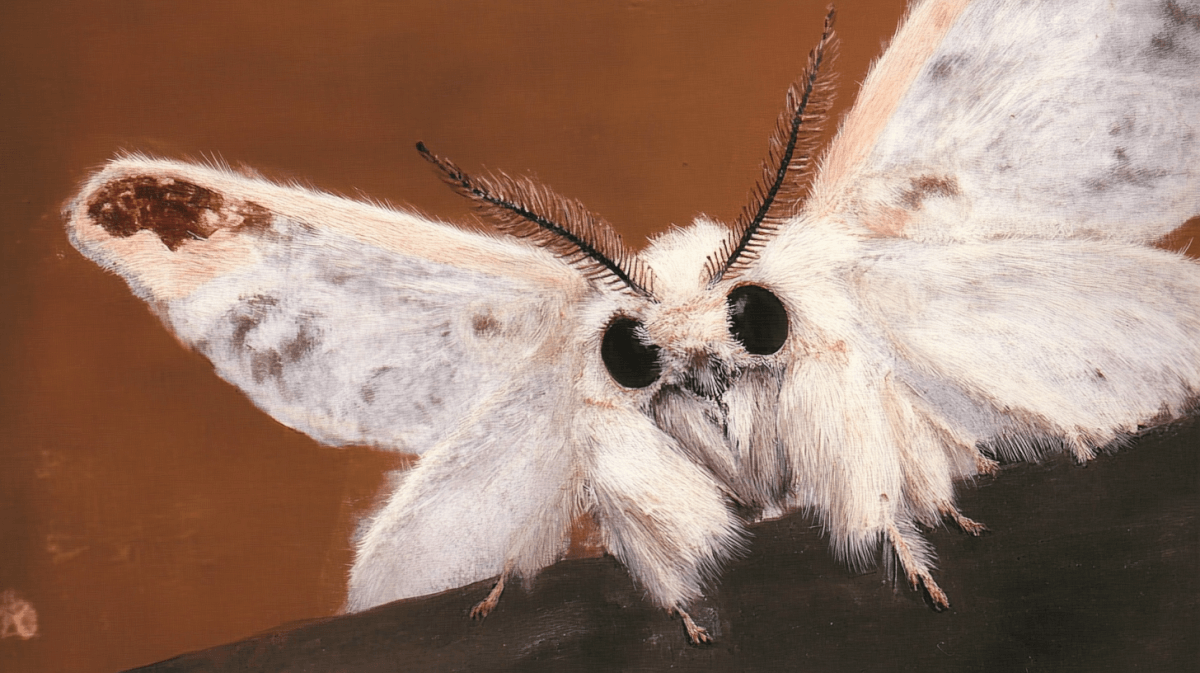
In the vast realm of viral internet sensations, few creatures like the Venezuelan Poodle Moth have captured the public’s imagination. With its impossibly fluffy white fur and endearing resemblance to a miniature fairy-tale creature, this mysterious moth sparked worldwide fascination after a single photograph emerged in 2009.
Yet beneath its whimsical appearance lies a cautionary tale about the intersection of social media virality and scientific verification. As millions shared and admired the images of this supposed new species, experts were uncovering a different story – one that would challenge our understanding of viral wildlife claims in the digital age.
The Truth Behind the Venezuelan Poodle Moth: Viral Sensation or Scientific Mystery?

A Mysterious Discovery
In 2009, zoologist Dr. Arthur Anker photographed an unusual moth in Venezuela’s Gran Sabana region. The image showed a striking creature with fluffy white fur, prominent black eyes, and distinctive brown antennae. Dr. Anker informally described it as a “poodle moth” due to its appearance, unknowingly setting off a chain of viral intrigue over a decade.
The Viral Phenomenon

The photograph quickly captured the public imagination, spreading across social media platforms and news outlets. Internet users drew comparisons to various pop culture characters, from Mothra to Pokémon, while others likened it to a real-life fairy. The moth’s whimsical appearance and alleged rarity contributed to its online popularity.
Scientific Scrutiny

Despite widespread circulation, the Venezuelan Poodle Moth isn’t a real species. No formal taxonomic classification exists; no additional specimens have been documented since the original photograph. While some experts speculate it could belong to the genus Artace, others point to similar-looking species like the Muslin Moth or Virginia Tiger Moth (Spilosoma virginica) as possible misidentifications.
Debunking the Mystery

Several factors cast doubt on the existence of this supposed new species. Many online images depict other moths, including the domestic silkworm moth (Bombyx mori) and even needle-felted art sculptures. Fact-checking organizations have noted the absence of scientific documentation, peer-reviewed research, or additional sightings that would validate the moth’s existence as a distinct species.
Missing Evidence
The scientific community emphasizes that while new insect species are discovered regularly in South American rainforests, proper documentation requires more than a single photograph. Despite multiple attempts to locate similar specimens in the Gran Sabana region, no further evidence has emerged to support the existence of the Venezuelan Poodle Moth as a unique species.
Current Understanding

Today, “Venezuelan Poodle Moth” serves more as a cautionary tale about viral wildlife claims than a legitimate taxonomic designation. While the original photograph by Dr. Anker remains intriguing, the lack of scientific verification and the abundance of misidentified images highlight the importance of scientific rigor in species identification. Until further evidence emerges, this fuzzy phenomenon remains more of an internet legend than a confirmed lepidopteran.
The Legacy of a Viral Moth

The Venezuelan Poodle Moth phenomenon is a compelling reminder of how easily misinformation can spread in our interconnected world. While the original photograph remains an intriguing mystery, the subsequent cascade of misidentified images and unverified claims demonstrates the growing need for scientific literacy in the age of viral content.
Perhaps the most valuable lesson from this fuzzy tale is not about the moth itself but our collective responsibility to approach viral wildlife claims with healthy skepticism. In an era where social media can transform a single photograph into a global sensation (as AI rendered these), distinguishing between fascinating discoveries and internet folklore becomes increasingly essential.
Leave a comment