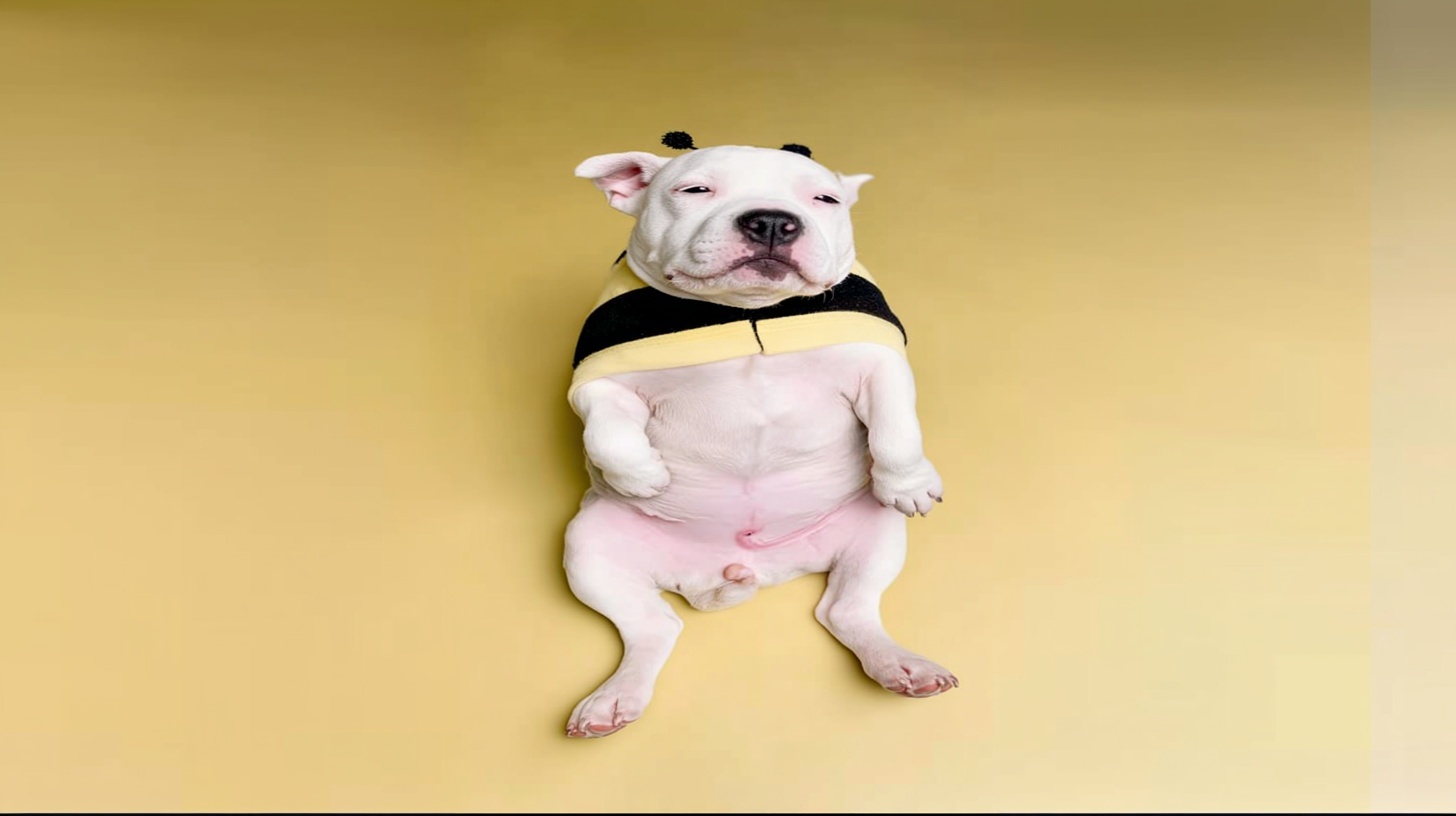
The internet has always loved a nickname. Cats turned into “floofs,” raccoons became “trash pandas,” and pit bulls, once one of the most maligned dog breeds in America, morphed into “pibbles.”
That single word, silly and soft on the tongue, has helped change how millions of people see a dog long stereotyped as dangerous. On Pinterest and TikTok, pibble boards and hashtags are full of stocky dogs with wide grins, wrinkly puppies in pajamas, and short clips of zoomies gone wild. The images spread quickly, and with them, a new identity.

From slang to social signal
The word “pibble” has been floating around pit bull fan circles for years. A 2005 Urban Dictionary entry already called it “a slang term for Pit Bull; makes the dog sound more friendly and cute.” By the late 2010s, animal blogs and mainstream outlets were noticing it too. The New York Times pointed out how advocates leaned into nicknames like “pibble,” “potato,” and “pittopotamus” to highlight that these dogs could be goofy and sweet, not just tough.
What started as slang evolved into a social signal. On Pinterest, users curate whole boards titled “pibbles ❤” or “dopamine overload” filled with wide-eyed pups. On TikTok, the hashtag #pibble has attracted millions of views, with clips of dogs nibbling their owners’ hands or chasing their tails under captions like pibble life. The nickname became a brand—one that travels well in memes, art, and algorithm-driven feeds.

The shift wasn’t just about language. It was about timing. Platforms like Pinterest and TikTok thrive on cuteness because it keeps people scrolling, saving, and sharing. Once a user saves a pibble pin, the algorithm knows to deliver more. Once a silly pibble video gets replayed, TikTok pushes it to wider audiences. Algorithms don’t care about breed histories or moral debates. They surface what works—and few things work better online than a grinning dog doing something ridiculous.
That’s how “pibble” leapt from affectionate slang to internet identity. The result is almost accidental activism. Millions of users now encounter pit bulls not as tabloid monsters but as lovable meme stars. It’s not that advocacy disappeared—it’s that it got packaged into the shareable language of cuteness.

The strange power of cute words
The pibble story also reveals something bigger about internet culture: slang can bend reality. Calling a dog a “pibble” doesn’t change its genetics, but it changes the frame through which audiences interpret what they see. Soft sounds, playful nicknames, and viral imagery override years of headlines about aggression.
It’s the same logic behind calling raccoons “trash pandas” or possums “house dragons.” But with pit bulls, the stakes are higher. A nickname didn’t just make a breed cuter. It hacked the cultural script—and algorithms did the rest.
The pibble is still a pit bull. But online, it’s also a case study in how language, memes, and algorithms can rewrite reputations one pin, one post, and one silly nickname at a time.

Leave a comment