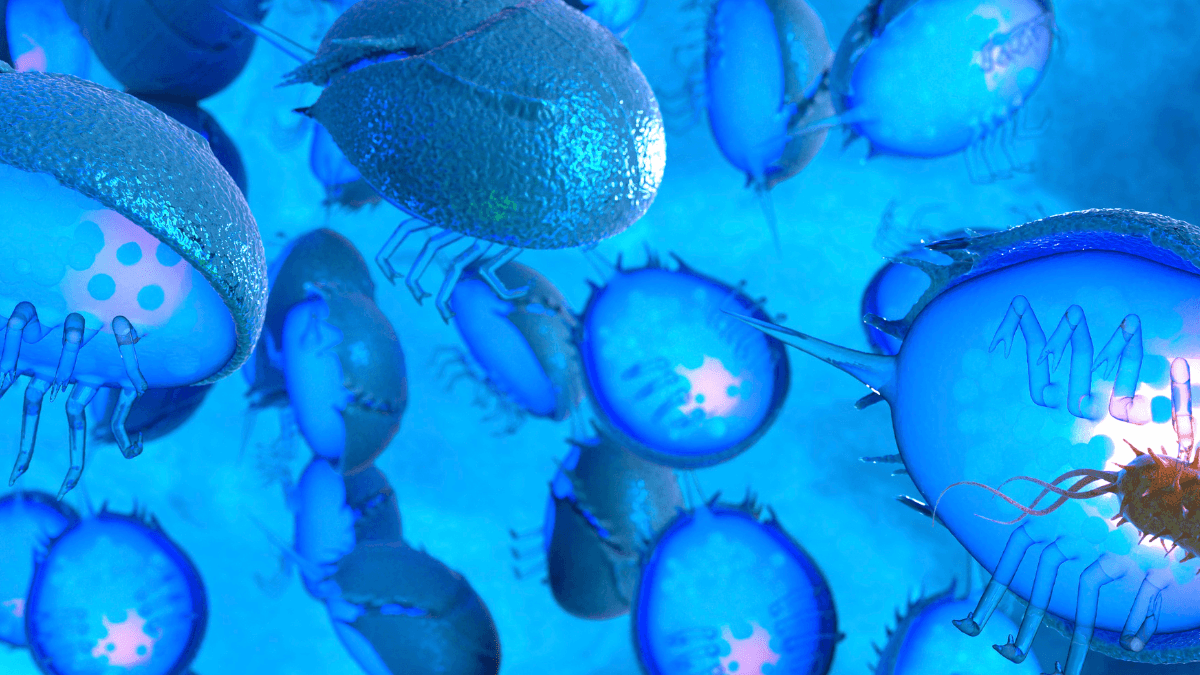
In the depths of our oceans swims a living fossil with a secret that has become both a medical miracle and an ethical quandary. The horseshoe crab, an ancient arthropod that has existed for over 450 million years, carries within its shell a substance so valuable that it has sparked a global debate on conservation and medical necessity.
The blue blood of the horseshoe crab is not just a curiosity; it’s a lifesaver. This azure fluid, tinted by copper-based hemocyanin instead of iron-based hemoglobin, contains a remarkable ability to detect harmful bacterial endotoxins. This property has made horseshoe crab blood an indispensable tool in the pharmaceutical industry, ensuring the safety of countless vaccines and medical devices.
Did you know?
— Massimo (@Rainmaker1973) September 22, 2024
Every year, 500,000 horseshoe crabs are captured then released after having their blue blood harvested.
This blood is used by pharmaceutical sector. pic.twitter.com/RzDORsKnQN
The Medical Necessity: LAL Testing
At the heart of this blue blood’s importance is the Limulus Amebocyte Lysate (LAL) test. Since 1987, the FDA has recognized this test as a gold standard for detecting bacterial contamination in medical products. The LAL test is derived from the blood cells of horseshoe crabs and can detect minute amounts of endotoxins that could be fatal if introduced into the human bloodstream.
The reliability and efficiency of the LAL test have made it a cornerstone of drug safety. Every year, hundreds of thousands of horseshoe crabs are harvested for their blood, which is then used to certify the safety of medical products. This process has saved countless lives and prevented dangerous complications from contaminated drugs.
Ethical Concerns in Blood Harvesting
While the medical benefits of horseshoe crab blood are undeniable, the harvesting process raises significant ethical concerns. Crabs are captured, bled, and then returned to the ocean. Although most survive this ordeal, mortality rates post-bleeding range from 3% to 15%, depending on the amount of blood taken and the stress of handling.
They looks like aliens, but we are doing the alien-ing. pic.twitter.com/RiVVE5uRwH
— Doug Kadrmas (@KadrmasDj) September 22, 2024
Ecological Impact
The harvesting of horseshoe crabs doesn’t just affect the crabs themselves. These ancient creatures play a crucial role in their ecosystems. Their eggs are a vital food source for migratory birds, and their presence helps maintain the balance of coastal habitats. The decline in horseshoe crab populations due to blood harvesting could have far-reaching consequences for marine and coastal ecology.
The economic value of horseshoe crab blood further complicates the issue. With a quart of this blue gold valued at up to $15,000, there’s a strong financial incentive to continue harvesting. This high value has led to concerns about overharvesting and the long-term sustainability of horseshoe crab populations.
As we grapple with these ethical dilemmas, scientists and conservationists are exploring alternatives. Recombinant Factor C assays, which use synthetic components to detect endotoxins, show promise as a cruelty-free alternative to LAL testing. These methods could potentially reduce the need for horseshoe crab blood while maintaining the high safety standards required for medical products.
The blue blood dilemma of horseshoe crabs illustrates the complex interplay between medical necessity, conservation, and ethics. As we continue to rely on these ancient creatures for our modern medical needs, finding a balance that ensures both human health and the survival of horseshoe crabs remains a critical challenge for scientists, policymakers, and ethicists alike.
Leave a comment