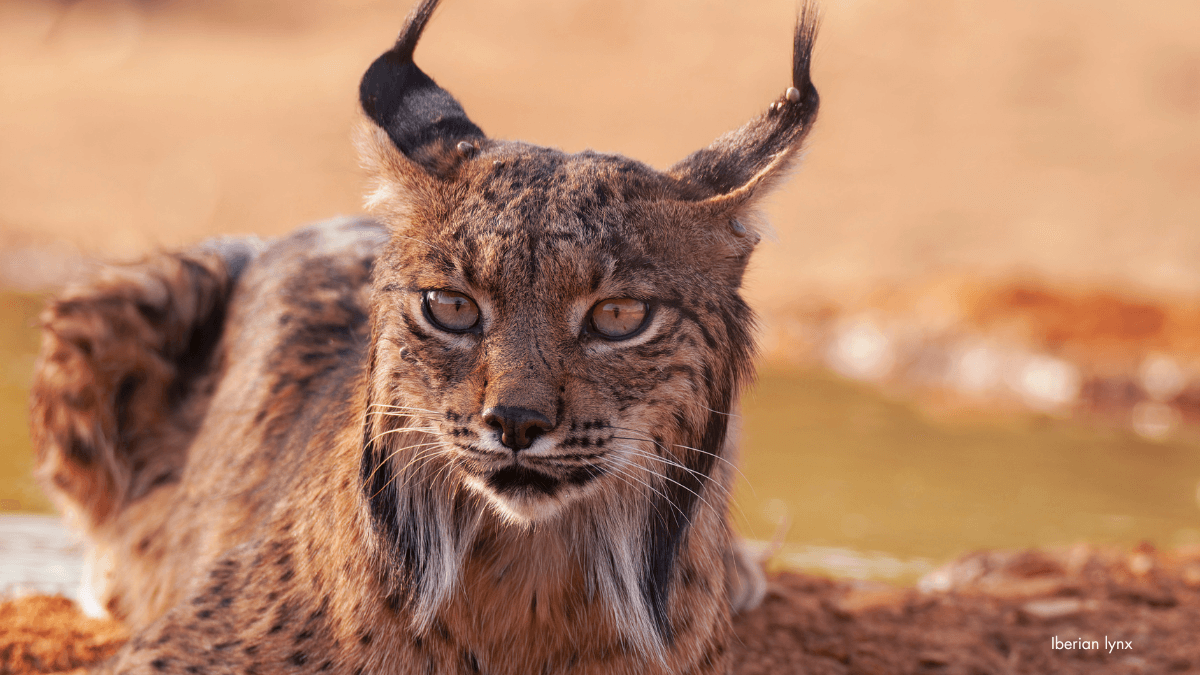
Twenty years ago, the sight of this male Iberian lynx roaming freely would have been a rare event. Back then, fewer than 100 lynxes survived across the Iberian Peninsula, split between two isolated enclaves in Spain.

Today, more than 2,000 Iberian lynxes are scattered across Spain and Portugal. It’s a drastic turnaround. “The Iberian lynx was very, very close to extinction,” Rodrigo Serra told the BBC. He manages the cross-border breeding program. “The only feline species that was threatened at this level was the sabre-toothed tiger thousands of years ago.”
A Prey on the Decline
The lynx’s situation looked bleak because it relied on rabbits for food. Disease outbreaks nearly wiped out local rabbit populations. That meant lynxes starved or ventured beyond safe habitats in search of new prey.
At the same time, roads carved through their remaining territory. Roadkill deaths spiked. Farms expanded into former scrubland. Every factor pushed them closer to oblivion.

Rescued by Captive Breeding
A dedicated team of conservationists in Spain started a captive breeding program in 2005. Portugal followed suit by building its own facility in Silves. These centers prepared lynxes for life in the wild and paired them carefully to avoid inbreeding. Their approach reflected the urgent need to strengthen genetic diversity.
Experts monitored the animals from a distance, feeding them through tunnels so the cats wouldn’t associate people with food. Sometimes, workers deliberately startled confident juveniles to make them more wary of humans.
A structured release plan came next. Young lynxes were fitted with tracking devices before being returned to carefully chosen habitats. Some, like a male named Lítio, traveled across rivers to find their way back to familiar grounds in Doñana, only to be rescued again when they fell sick. Vets nursed them to health each time before giving them another shot at freedom.
A Mix of Challenges

The species is still classified as “Endangered,” and threats remain. Habitat fragmentation continues to limit where lynxes can roam, and traffic accidents claimed 80% of lynx fatalities last year, according to monitoring data. Conservationists work with local authorities to create wildlife corridors and install crossing points. It’s a race against time because more lynxes on the road means a higher risk of collisions.
Meanwhile, diseases that decimate rabbit populations persist, and farmers sometimes clash with lynxes that raid chicken coops. Conservation teams strengthen coops and educate landowners on how to protect livestock while leaving the cats unharmed. Though occasional problems arise, local acceptance of lynx releases has grown.
A Second Chance in the Wild
For Pedro Sarmento, a biologist responsible for lynx reintroduction in Portugal, every release feels like a small triumph. “As a biologist, there are two things that strike me when I’m handling a lynx. It’s an animal with a fairly small head for its body and extraordinarily wide paws. That gives them a rare ability to jump,” he says.
Such observations speak to the uniqueness of this species. Behind the scenes, entire teams have fought to bring the lynx back from the edge, and their work is paying off. “We can’t claim victory yet, but now there is hope,” says Miguel Ángel Simón, who led one of Spain’s major lynx projects.
That hope has already produced results. Where once 25 breeding females remained, thousands of new lynxes now move through the dehesa. More cubs are born each year, and the science-based strategy guiding their reintroduction is expanding to new regions. Conservationists believe that if the population can reach 5,000, the Iberian lynx might one day shed its endangered status for good.
Leave a comment