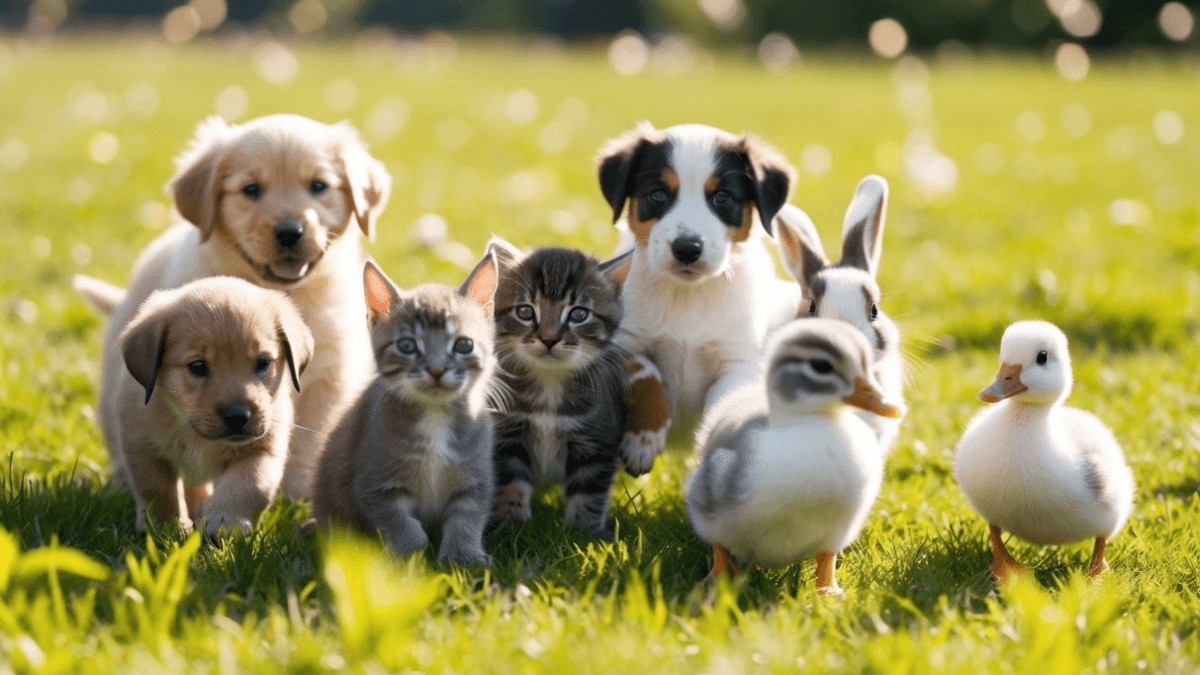
Enjoyment and relaxation often find a way into our lives with the help of cute and enchanting creatures. Baby animals, in particular, have a unique charm that can make almost anyone smile. These young beings exude innocence and wonder, captivating the hearts of those who see them.
Witnessing their playful antics and endearing appearances can quickly lift spirits and bring joy to people’s lives. Whether it’s their tiny paws or the way they explore the world around them, baby animals have a special quality that cheers up even the hardest days.
1) Fennec Fox

The fennec fox is one of the most distinctive foxes. It is known for its large ears and small size, which help it hear prey and release heat to keep it cool in its desert home. The fennec fox lives in the Sahara Desert and other parts of North Africa.
Fennec foxes are nocturnal, meaning they are active at night when the desert temperatures drop. During the day, they rest in burrows to avoid the heat. Their fur reflects sunlight, providing additional protection from the harsh environment.
Baby fennec foxes are particularly adorable with their oversized ears and fluffy coats. They often play with their siblings, learning important survival skills. Fennec foxes are skilled hunters despite their small size, feeding mainly on insects, small mammals, and plants.
Fennec foxes can communicate through various sounds and body movements. Their soft barks and whimpers help them interact with each other. In the wild, their social behavior includes living in small family groups. This unique social structure allows them to thrive in harsh desert conditions.
2) Red Panda Cub

Red panda cubs are small, fluffy, and incredibly cute. They are born blind and only open their eyes after about 18 days. They weigh just a few ounces at birth and are covered in soft gray fur.
These cubs rely on their mothers for warmth and milk. Mothers create nests where the cubs stay safe from predators, usually in hollow trees or rock crevices.
As they grow, red panda cubs start exploring their surroundings. They develop the reddish-brown fur typical of adult red pandas. Playful and curious, they like climbing and tumbling around.
The red panda is not closely related to the giant panda. Instead, it shares connections with raccoons and skunks, which belong to the Ailuridae family. Both panda species have a similar name due to their shared love of bamboo as a main food source.
Red panda cubs are native to the eastern Himalayas and southwestern China. Due to habitat loss, they are considered at risk. Conservation efforts are critical for ensuring these charming creatures thrive in the wild.
3) Koala Joey

Koala joeys are among the most adorable creatures in the animal kingdom. Born tiny and underdeveloped, they spend their first six months in their mother’s pouch, growing and developing. This time is crucial for their survival as they gain strength and nourishment.
Once they are big enough, joeys venture out of the pouch. At this stage, they are often seen clinging to their mother’s back or belly. This close bond helps the joey learn essential skills and adapt to their environment.
Koala mothers provide a special diet for their joeys, known as “pap,” which is partially digested eucalyptus leaves. This helps the young koalas transition from milk to solid leaves, preparing them for independence. Watching a joey take its first steps or nibble on eucalyptus can make anyone smile.
4) Meerkat Pup

Meerkat pups are small, furry animals of the mongoose family. They are native to the arid regions of Southern Africa and are fascinating to observe because of their playful and social nature.
These young meerkats rely heavily on protecting their large family groups, called mobs. A meerkat mob takes turns watching over the pups while others forage for food or take a break. This teamwork ensures their safety and survival.
Meerkat pups are curious and active, spending much of their day playing and exploring their surroundings. Through play, they learn essential skills like hunting and self-defense. This playful behavior is crucial for their development and helps them succeed as adults.
The joyful energy of meerkat pups, combined with their small size and endearing appearance, can bring a smile to anyone’s face. Their playful antics are both charming and vital to their growth, making them a delightful subject for nature enthusiasts and animal lovers alike.
5) Hedgehog Baby

Hedgehog babies, often called hoglets, are tiny and covered with soft spines at birth. They are born blind and rely on their mother for warmth and protection. These little ones are fascinating to observe as they start to explore their surroundings.
As they grow, hedgehog babies develop distinct spines and begin to forage for food. They typically eat insects and small invertebrates. Watching them learn to navigate their environment is both adorable and captivating.
Hoglets usually stay with their mother for several weeks before becoming independent. Their small size and curious nature make them endearing to many animal lovers. Observing their interactions with their mother and each other can be a delightful experience.
6) Slow Loris Infant

The slow loris looks like a real-life stuffed animal. With big eyes and gentle movements, it’s no wonder people find it irresistibly cute—especially as babies.
But behind that innocent stare is something far more surprising.
The slow loris is one of the only venomous mammals on Earth. It secretes a toxin from glands on its arms, which it licks before biting. That bite can cause serious swelling, intense pain, and even allergic shock.
Even young slow lorises are equipped with a strong grip that helps them cling to branches and stay safe in the wild. And while they’ve become viral video favorites, experts warn they’re not pets. Their needs are complex, and their defenses are real.
Cute doesn’t mean harmless. The slow loris proves it.
7) Panda Cub

Panda cubs are known for their undeniable cuteness, fluffy fur, and playful nature. At birth, they are tiny and almost unrecognizable, weighing only about 100 grams. As they grow, these cubs start developing their distinctive black-and-white markings.
Watching a panda cub explore its world is a delight. Pandas are curious and love to climb and tumble around. These playful antics help them develop strength and coordination.
Panda cubs rely on their mothers for the first few months for nutrition and warmth. After a few months, they start munching on bamboo, which will become a staple in adults’ diets.
Due to habitat destruction, pandas are considered a vulnerable species. Conservation efforts focus on protecting their natural habitats and breeding programs. Panda cubs play a crucial role in ensuring the survival of their species.
Seeing a panda cub is a heartwarming experience, emphasizing their role as symbols of conservation.
8) Siberian Husky Puppy

Siberian Husky puppies are known for their striking blue or multi-colored eyes and thick, fluffy coats. These puppies are not only beautiful but also full of energy and curiosity.
They quickly capture attention with their playful antics. Even from a young age, they show signs of the intelligence and spirit that make them great sled dogs.
Caring for a Siberian Husky puppy requires dedication. They need regular exercise and mental stimulation to keep them happy, and socialization is important to help them grow into well-behaved pets.
Their friendly nature often makes them wonderful companions. With a history of working in teams, they’re typically good with other dogs and humans. Whether in a backyard or hiking trail, they love exploring.
While they may seem like a handful at times, the joy they bring is immense. Their lively presence and loving behavior can quickly lift anyone’s mood. With patience and care, a Siberian Husky puppy can grow to be a loyal and happy family member.
9) Quokka Joey

Quokka joeys are incredibly charming and known for their friendly faces, often appearing to smile. These tiny marsupials are native to islands off the coast of Western Australia, such as Rottnest Island.
Like other marsupials, a quokka joey starts life in its mother’s pouch. After about six months, it begins venturing out, exploring its surroundings while nursing.
Quokkas are herbivores that nibble on leaves and grass. Joeys learn to eat solid food as they grow, mimicking their mothers. Though nocturnal, quokka families can often be spotted during the day, delighting visitors with their playful antics.
Their approachable nature and photogenic appearance have made quokkas popular for wildlife photographers. While quokkas are often happy to interact with humans, respecting their space and avoiding feeding them is crucial. They thrive best on their natural diet and in their unique habitat.
These tiny creatures have become icons, symbolizing joy with their cheery expressions. Observing a quokka joey bouncing around will lift anyone’s spirits and remind them of the simple pleasures in life.
10) Sloth Bear Cub

Sloth bear cubs are tiny bundles of energy and curiosity. Born in the sheltered environment of a den, they spend their early days close to their mother. These cubs are recognizable by their shaggy black fur and distinctive chest marking, which can vary in shape, often forming a “V” or “Y.”
Mother sloth bears are very protective, keeping their young safe from threats. The cubs ride on their mother’s back, clinging tightly as she moves through the forest. This behavior helps them stay safe while exploring their surroundings.
Sloth bear cubs rely on their sharp claws and strong sense of smell. These adaptations help them dig for food and identify scents, skills they develop while playing and exploring with their siblings. Sloth bear cubs are a testament to the diverse wonders of the animal kingdom.
11) Seal Pup

Seal pups are enchanting creatures with big, dark eyes and soft, white fur. These young seals are usually born on icy shores or beaches and spend their earliest days close to their mothers. They rely on their mothers’ milk to grow and gain strength during this time.
The pups’ fluffy white coats help keep them warm in the chilly climates where many seal species live. This coat also camouflages them against predators, blending in with the snowy environment. As they grow, their fur changes, and they start to play and explore the world around them.
Seal pups often engage in playful behaviors, such as rolling in the snow or splashing in shallow water. This play is important for developing the skills they will need as adult seals. Watching seal pups can bring joy to many people due to their cute, clumsy movements and curious nature.
12) Elephant Calf

Elephant calves are among the cutest and most lovable creatures in the animal kingdom. With their floppy ears and curious trunks, they capture hearts everywhere. They are born after a long gestation period of about 22 months and weigh around 200 to 250 pounds at birth.
From the start, elephant calves rely heavily on their mothers and the herd for protection and learning. The matriarch leads the family, teaching calves important skills and guiding them through dangers. Calves are playful and often seen exploring their environment with excitement.
Young elephants are very social. They form close bonds, play with other calves, and mimic the adults around them. Their playful behavior helps them grow strong and learn vital skills. This social nature is key to their development and survival as part of the herd.
These fascinating animals develop at their own pace. They stay close to their mothers for about two to five years. During this time, they gradually gain independence but still depend on the herd’s wisdom and guidance. Watching these inquisitive, gentle creatures is a joy to all who have the privilege.
13) Harbor Seal Pup

Harbor seal pups are known for their large, soulful eyes and soft, speckled fur. They are usually born in spring or early summer and can swim soon after birth. This early swimming ability helps them stay safe from predators.
These pups spend a lot of time on land resting and warming up. They stick close to their mothers, who provide milk and protection. As the pups grow, they become more curious and learn how to hunt.
Harbor seals feed on a diet that includes fish and crustaceans. Young seals develop their hunting skills by observing their mothers and practicing catching small fish. Watching their playful antics in the water is both entertaining and heartwarming.
These adorable animals are often seen in coastal waters and are a favorite among wildlife watchers. Conservation efforts help ensure their habitats remain safe and undisturbed. Harbor seal pups continue to bring joy to those who can see them up close.
14) Otter Pup

Otter pups are some of the cutest creatures you can find. They are born small, with closed eyes and velvety fur. As they grow, their playful nature becomes evident.
These pups often stay close to their mothers for safety and learning. Sea otter mothers wrap their young pups in kelp to keep them from drifting while they hunt.
Otters are excellent swimmers, but it takes time for pups to learn. Until then, they rely on their mothers for protection and sustenance. Watching a pup learn to float and paddle is both entertaining and heartwarming.
Otters’ social nature makes their interactions fascinating to observe. Otter pups engage in playful wrestling and chasing, which helps them develop important skills needed for survival in the wild.
In many places, otters face habitat loss, pollution, and climate change challenges. Conservation efforts are vital to protect these delightful animals and ensure future generations can enjoy their playful antics.
15) Dik-Dik Calf

Dik-dik calves are tiny antelopes found in certain parts of Africa. They are known for their small size and gentle nature. With large eyes and a pointed snout, they have a distinctive and adorable appearance.
These calves are born weighing only a few pounds. Their soft fur usually has a speckled pattern that helps them blend into their surroundings. This camouflaging is crucial for evading predators.
Dik-dik calves are nurtured by their mothers in the early weeks. Within hours of birth, they quickly learn to stand and walk, which is important for their survival. Soon, they begin exploring their environment.
The calves often remain close to the family unit. They bond closely with their parents, especially the mother, who provides them the care they need in their early life stages. As they grow, they become more independent. Their development is swift, and they transform into agile adults.
Because of their small size and charming looks, dik-dik calves capture much attention. They are a perfect example of how diverse and captivating wildlife can be. These calves contribute to the rich tapestry of nature’s wonders.
16) Snow Leopard Cub

Snow leopard cubs are some of the most adorable creatures in the animal kingdom. Born blind, the cubs rely on their mother for care and protection during their early weeks. Their fluffy coats help them blend into the rocky terrain of their mountainous habitats.
As they grow, these cubs start showing signs of playfulness. Play-fighting with their siblings helps them develop essential hunting skills. Their sharp instincts begin to resemble those of adults as they pounce on and stalk imaginary prey.
Snow leopards are native to Central and South Asia and thrive in high altitudes. Their cubs are usually born in dens made from rock crevices, which provide them with shelter from harsh weather and predators.
When the cubs reach about two months old, they explore outside the den. At this stage, their curiosity about the world around them increases. They closely observe their mother, learning important survival skills.
Unfortunately, snow leopards are considered vulnerable due to habitat loss and poaching. Conservation efforts are crucial to ensuring these remarkable cubs grow into strong adults. Protecting their natural environment helps maintain the balance of wildlife in their region.
17) Serval Kitten

Serval kittens are among the most captivating wild cats you might ever see. With their large ears and distinctive spotted coats, they are truly unique. Native to Africa, servals live in various habitats, such as savannas and wetlands. Their ears play a crucial role in catching prey, as they help detect subtle sounds in the grass.
These kittens are born with blue eyes that change to golden. They grow quickly under the care of their mothers. In the wild, serval kittens learn hunting skills through play and observing their mother. They are skilled leapers, capable of jumping high to catch birds or insects.
Despite their charm, servals are not typical pets. They are wild animals with specific needs. While they might seem small and adorable, owning a serval requires special permits and a commitment to their care. Understanding their natural behavior and the environment they require to thrive is essential.
18) Kangaroo Joey

Kangaroo joeys are some of the most endearing baby animals in the animal kingdom. These little creatures are known for their remarkable journey right after birth. Born tiny and underdeveloped, they make their way into the mother’s pouch, continuing to grow and develop safely.
Inside the pouch, kangaroo joeys nurse and grow, relying on their mother’s protection to survive. This unique adaptation enables them to explore the world safely once they are larger and stronger. The pouch provides a warm and secure environment for their early life stages.
Kangaroo joeys use their developed forelimbs to navigate through their mother’s fur. Their eyes remain closed, relying on instinct and touch to guide them. Over time, as they grow bigger, they start peeking out and eventually venturing outside the pouch.
The bond between the mother and her joey is strong. The mother provides nourishment and care until the joey can navigate independently. This period is crucial for learning survival skills. Watching a kangaroo joey with its mother is a heartwarming sight that highlights the nurturing dynamics in the animal world.
19) Penguin Chick

Penguin chicks are some of the cutest creatures in the animal kingdom. They typically hatch after a long incubation period, protected by their dedicated parents. Adélie penguin dads, for example, are known for their diligent care, often standing guard to keep their chicks safe from the cold.
These chicks have soft, fluffy feathers that help keep them warm. These down feathers are usually gray or brown, making them appear even fluffier. As they grow older, their fluffy feathers are replaced by the waterproof plumage of adult penguins.
Penguin chicks rely heavily on their parents for food. Adults return from the ocean, bringing back meals of regurgitated fish and krill for the chicks. Watching a penguin parent feeding its chick is a delightful scene, showcasing the care and effort these birds put into raising their young.
In many penguin species, creches, or groups of chicks, are formed. These creches provide warmth and protection from predators while the parents hunt. Seeing tiny, fluffy penguin chicks huddling together is incredibly endearing. It highlights how social and cooperative these animals are from a young age.
20) Baby Tapir

Baby tapirs are known for their unique and cute appearance. When they are born, they have dark bodies with white stripes and spots. This pattern helps them blend into the forest, making it harder for predators to spot them.
These markings make baby tapirs look a bit like watermelons on legs. As they age, these patterns fade, and their coats change to a solid color.
Tapirs are related to horses and rhinoceroses. They have short legs and a snout that they use to grab leaves and fruit. Baby tapirs often stay close to their mothers, learning to survive in the wild.
Tapirs are found in Central and South American rainforests and parts of Southeast Asia. They are essential for the ecosystem because they help with seed dispersal, which supports plant growth.
Observing a baby tapir is a delightful experience. Their curious nature and small size make them endearing creatures. By protecting their habitats, people can help ensure that these charming animals continue to roam the forests.
21) Fluffy Yellow Duckling

The fluffy yellow duckling is one of nature’s most charming creatures. With soft downy feathers and a cheerful yellow hue, these young birds bring smiles wherever they waddle. Their vibrant color is eye-catching and helps them blend in with their surroundings, especially in sunlit grassy areas.
Ducklings are highly social and often seen sticking close to their siblings or parents. They instinctively follow their mother, which helps them learn critical survival skills. Their synchronized movements as they trail behind their parent are adorable and practical, providing safety in numbers.
These tiny birds thrive in the presence of water. A shallow pond or puddle becomes their playground to develop swimming skills. Ducklings are already equipped with natural instincts to enjoy water, and their webbed feet make them exceptional swimmers from a young age. Watching them paddle joyfully can boost anyone’s mood.
22) Lynx Kitten

Lynx kittens are charming with their tufted ears and soft, fluffy coats. They are born with a light gray color that changes and becomes more distinctive as they grow. Their large paws help them move quickly through snowy habitats, a skill inherited from their wild ancestors.
For the first few months, lynx kittens stay close to their mother. They rely on her for protection and to learn basic hunting skills. During this time, lynx kittens are playful and curious, developing their strength and agility.
Lynx kittens have sharp teeth, much like their adult counterparts, making them effective carnivores as they mature. They begin to venture out a bit more to explore their environment while gradually getting ready for life in the wild.
Their appearance is marked by a short, stubby tail with a black tip. This tail is a signature feature of all lynxes. The kittens’ fluffy fur adds to their cuteness and keeps them warm. Watching a lynx kitten grow and develop is a fascinating glimpse into the life of a skillful predator in the making.
23) Lemur Baby

Lemur babies are among the cutest creatures in the animal kingdom. These small primates are native to Madagascar and have big, bright eyes that enchant anyone who sees them. When born, they are often smaller than a human hand and rely heavily on their mothers for care.
Lemur babies cling to their mother’s fur as they travel through the treetops. This close bond helps ensure their safety and well-being. As they grow, lemurs explore their surroundings and learn to climb and jump.
Watching a lemur baby play is an absolute delight. They are energetic and curious, constantly testing their limits and learning about their environment. Their playful antics can bring joy and laughter to those who have the chance to observe them.
Lemurs have a unique social structure. Young lemurs learn important skills from their family members. As they develop, they gain independence but remain part of their social group. Their mothers and other group members play vital roles in teaching and protecting them.
Lemur babies are not only adorable but also vital to the survival of their species. Each new generation helps preserve the rich biodiversity of Madagascar’s unique ecosystem.
24) Chinchilla Kit

Chinchilla kits are among the most adorable baby animals. Born in groups called litters, these tiny creatures have soft, fluffy fur and wide, curious eyes. Chinchillas are native to the Andes mountains in South America and live in rocky, arid regions.
A chinchilla kit is born fully furred and with its eyes open, making it quite active from an early age. They grow quickly, and within several weeks, they explore their surroundings more confidently.
Chinchillas are nocturnal, which means they are most active at night. During the day, they often rest and conserve energy. Kits also inherit this schedule, playing and exploring under the moonlight.
One remarkable feature of chinchilla kits is their dense fur. This fur helps protect them against cold temperatures. It also makes them highly sought after as pets. People love their soft coats and gentle nature.
Caring for a chinchilla kit involves providing a safe space and a balanced diet. Proper care ensures they grow into healthy adult chinchillas, capable of living long lives, up to 15 years or more. Their playful antics and sweet demeanor make them a favorite among animal enthusiasts.
25) Platypus Chick

The platypus chick is an extraordinary creature that captivates everyone with its unique charm. These small mammals are native to eastern Australia and Tasmania. Unlike what many people might expect, platypus chicks hatch from eggs. The mother nests in burrows and incubates the eggs by curling around them.
Newly hatched platypus chicks are tiny and helpless. At this stage, they are blind and hairless. The mother feeds them with milk that she secretes from mammary gland openings, as platypuses do not have nipples.
As the chicks grow, they begin to develop their characteristic features. Their webbed feet and bills become more evident. These features, unique to platypuses, help them adapt to their semi-aquatic lifestyle.
Observing the development of a platypus chick offers insight into the diversity and wonder of the animal kingdom. These chicks remind us of nature’s creativity and the remarkable adaptations creatures evolve for survival.
26) Tiger Cub

Tiger cubs are undeniably adorable and can make anyone smile. With their large, curious eyes and playful nature, these young animals captivate those who see them. They are born blind and rely on their mothers for the first few weeks.
As they grow, tiger cubs start exploring their surroundings. They practice hunting skills through playful pouncing and chasing. These activities are essential for their development and prepare them for adulthood.
Their soft, striped fur helps them blend into their environment, providing camouflage from predators. This adaptation is crucial for their survival in the wild. Watching a tiger cub play is a heartwarming experience, bringing joy to anyone fortunate enough to observe.
27) Piglet

Piglets are often seen as symbols of innocence and curiosity. With their small size, tiny snouts, and soft squeals, they effortlessly capture hearts. These little ones are known for their playful nature, often seen running around and exploring their surroundings.
Piglets have a strong bond with their littermates and mothers. They are social animals, constantly interacting and communicating through a range of vocalizations, which makes them fascinating to watch.
In addition to their playful behavior, piglets are surprisingly intelligent. As they grow, they learn quickly and can recognize family members, which helps build strong social groups. Their natural behavior and adaptability make them cute and intriguing creatures.
28) Bunny Kitten

A “bunny kitten” is not a real animal but rather a charming way to describe the exceedingly cute appearance of small kittens. Their soft fur and tiny features make kittens look as adorable as baby bunnies. This comparison highlights their delicate, lovable nature.
When watching a kitten play or rest, its innocence and playfulness bring joy and calmness. They often have big, curious eyes and small, twitchy noses, effortlessly capturing hearts.
Like bunnies, kittens rely on their soft, pudgy bodies and gentle demeanor to captivate anyone who spends time with them. These qualities make them appealing to people of all ages. Whether napping in the sun or exploring new surroundings, kittens exude a sense of wonder and tranquility.
The combined innocence of these creatures, either in reality or through imaginative descriptions, helps to lift spirits and brighten moods, even on challenging days.
29) Goat Kid

With their small size and playful nature, goat kids are incredibly charming. They often have soft, fluffy coats and bright, curious eyes that invite anyone to smile. These baby goats hop around energetically, displaying agility and a sense of adventure from an early age.
Their playful antics include climbing on objects, jumping, and play-fighting with each other. This behavior is not only fun to watch but is also essential for their development. It helps them build muscle strength and learn important social skills, which they will need later in life.
Goat kids are known for being social creatures. They love interacting with humans and other animals. This friendly nature makes them popular animals on farms and petting zoos, where they easily win the hearts of visitors with their adorable antics and affectionate behavior.
While they are young, goat kids need proper care and diet to grow healthy. They rely initially on their mother’s milk, gradually moving on to solid foods like hay and grains. Their caretakers ensure they have a safe environment to explore and discover the world around them.
The joyful presence of goat kids can brighten any day, offering a delightful glimpse into the lively world of farm animals.
30) Fox Kit

Fox kits are young foxes, often seen exploring their surroundings with curiosity. With their large ears, fluffy tails, and bright eyes, they capture attention and admiration quickly. These playful creatures are full of energy, providing endless entertainment as they frolic, pounce, and chase each other.
Fox kits start venturing out of their dens at about four weeks old. During this time, they learn essential survival skills from their parents, like hunting and avoiding danger. Observing fox kits in the wild highlights their social nature and close family bonds.
Despite their playful demeanor, fox kits face many challenges. Weather, predators, and food scarcity can influence their chances of survival. By the time they are about six months old, they are typically ready to leave their parents and start life on their own.
These charming animals can be found in various habitats, from forests to urban areas. Their adaptability allows them to thrive in diverse environments. Fox kits add a touch of wild charm wherever they live, enchanting those lucky enough to catch a glimpse. Their presence is a small reminder of nature’s enduring beauty and complexity.
The Science of Cuteness

Scientific study has focused on the phenomenon of cuteness, particularly in baby animals. It has revealed fascinating insights into why these creatures captivate us and benefit our mental well-being.
Why Baby Animals Make Us Happy
Images and videos of baby animals tend to evoke strong feelings of happiness. This reaction is partly due to evolutionary biology. Baby animals often have features like large eyes and round faces, which trigger human nurturing instincts. These characteristics activate brain regions associated with pleasure and care.
Kringelbach’s studies show these features can capture attention quickly and lead to heightened carefulness. This response likely influenced human evolution by encouraging adults to care for their young, boosting survival rates.
Psychological Benefits of Cuteness
Engaging with cute animals can have several psychological advantages. Viewers often report feeling a mood lift after watching or interacting with cute animal content. This reaction is tied to the role of cuteness in triggering positive emotions, which can reduce stress.
Cuteness can also enhance productivity. It was observed that people might experience increased focus and carefulness after exposure to cute images. This effect can help in tasks requiring careful attention to detail, making cuteness a tool for relaxation and improved mental efficiency.
How Baby Animals Affect Our Emotions

Baby animals can uplift human emotions by reducing stress and anxiety and enhancing feelings of connection. They interact with people in ways that trigger positive emotional responses.
Reduction of Stress and Anxiety
Interacting with baby animals can significantly decrease stress and anxiety levels. Their playful antics, innocent expressions, and gentle manners can trigger the release of endorphins, chemicals in the brain that make people feel good.
Petting and Playing: Spending time petting or playing with them can have a calming effect. This interaction distracts from worries and provides a mental break.
Studies suggest that being around these little creatures can lower cortisol—a stress hormone—in the body, promoting a sense of calm and relaxation. Even brief encounters can be effective, making baby animals a wonderful source of comfort.
Enhancing Human Connection
Baby animals help foster connections between humans. Their presence encourages social interaction and communication. When people talk about or share experiences with baby animals, it often leads to bonding moments.
Human and animal interactions can strengthen empathy. Observing their needs and feelings helps people develop a deeper appreciation for compassion and care.
For children, engaging with baby animals encourages kindness and cooperation. They learn to express themselves better and understand the importance of nurturing. This shared experience brings people closer and creates lasting emotional bonds.
Leave a comment